SSRI Food Interactions: What Your Pharmacist Forgot to Tell You
Taking SSRIs? Learn which foods and drinks can interfere with your medication, from grapefruit and alcohol to caffeine and supplements like St John's Wort.

By Reece Douglas · Founder, FreshPlate
Listen to this article
SSRI Food Interactions: What Your Pharmacist Forgot to Tell You
When your GP hands you a prescription for an SSRI antidepressant, the conversation usually focuses on dosage, timing, and common side effects. What often gets glossed over? The way certain foods, drinks, and supplements can interfere with how your medication works. Unlike some drugs that come with strict dietary rules, SSRIs are relatively forgiving, but there are still some important interactions worth knowing about.
Selective serotonin reuptake inhibitors like sertraline, fluoxetine, citalopram, and escitalopram are amongst the most commonly prescribed medications in the UK. They work by increasing serotonin levels in your brain, which helps regulate mood. But because serotonin isn't just found in your brain—your gut produces about 90% of your body's serotonin—what you eat and drink can influence how you feel whilst taking these medications. Let's look at the SSRI food interactions that actually matter in daily life.
The Grapefruit Question: Which SSRIs Are Actually Affected?
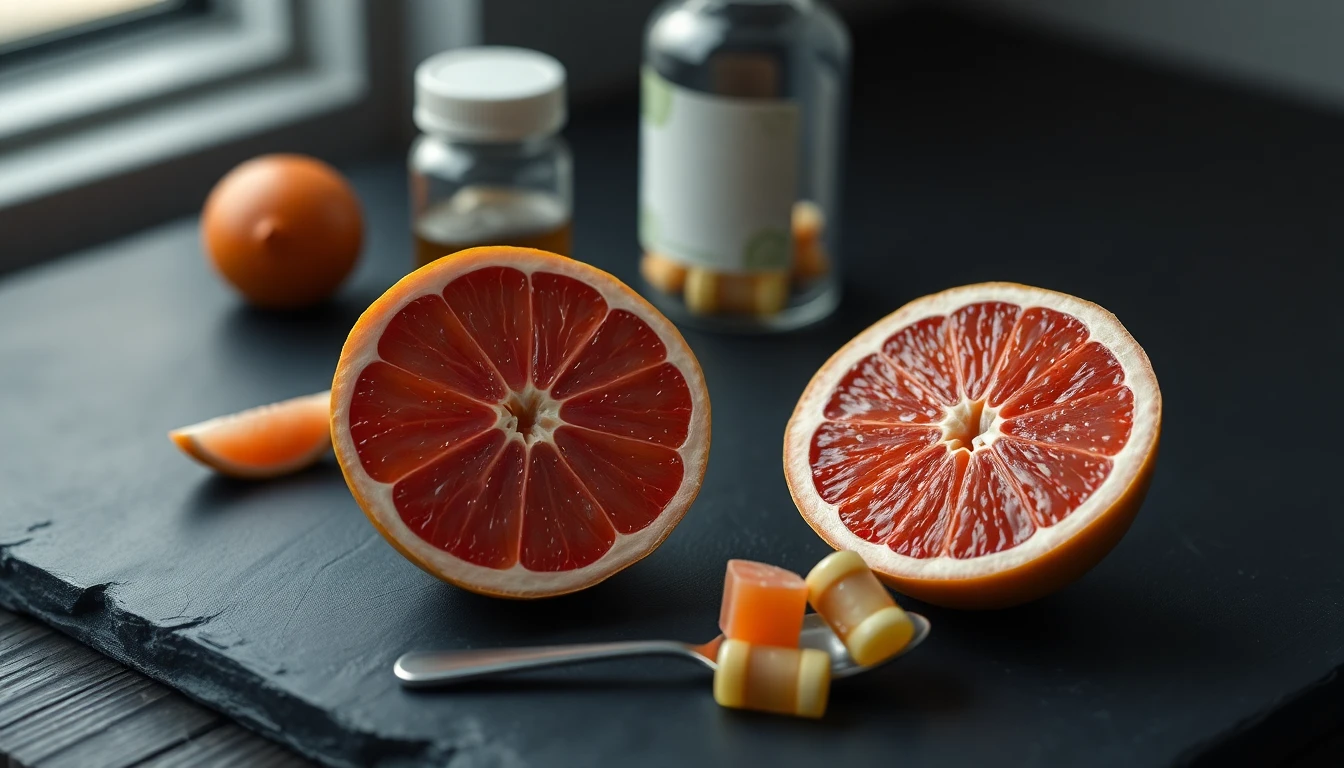
You've probably heard the warning about grapefruit and medications, but the picture with SSRIs is more nuanced than the blanket advice suggests. Grapefruit contains compounds called furanocoumarins that inhibit an enzyme called CYP3A4 in your intestines. This enzyme normally breaks down certain medications, so blocking it means more of the drug enters your bloodstream—potentially leading to higher blood levels and increased side effects.
The good news is that most SSRIs aren't significantly affected by grapefruit. The exception is sertraline (Zoloft), which is partially metabolised by CYP3A4. Studies have shown that grapefruit juice can increase sertraline blood levels by around 40-50%, though the clinical significance of this varies between individuals.
Practical Guidance for Grapefruit and SSRIs
If you're taking sertraline, it's sensible to avoid grapefruit juice and large quantities of fresh grapefruit. One segment occasionally is unlikely to cause problems, but a daily glass of juice or half a grapefruit at breakfast could increase side effects like nausea, drowsiness, or agitation.
- Sertraline — avoid regular grapefruit consumption; choose oranges, clementines, or other citrus instead
- Fluoxetine, citalopram, escitalopram, paroxetine — minimal interaction with grapefruit, generally safe to consume
- Seville oranges and pomelos — contain similar compounds to grapefruit and should be treated with the same caution if you're on sertraline
SSRIs and Alcohol: More Than Just Drowsiness
The relationship between SSRIs and alcohol is one of the most common questions patients ask, and for good reason. The official advice is typically to avoid alcohol whilst taking antidepressants, but the reality is more complex. Alcohol doesn't directly interfere with how SSRIs work at a chemical level, but it does amplify certain side effects and works against what you're trying to achieve with treatment.
Both alcohol and SSRIs affect your central nervous system. Alcohol is a depressant that can worsen anxiety and low mood—the very symptoms you're treating. When combined with SSRIs, you may experience increased drowsiness, dizziness, and impaired concentration. Some people find that alcohol affects them much more strongly when they start an SSRI, needing less to feel intoxicated and experiencing worse hangovers.
The Serotonin Syndrome Risk
Heavy drinking combined with SSRIs slightly increases the rare but serious risk of serotonin syndrome—a condition where serotonin levels become dangerously high. Symptoms include agitation, confusion, rapid heart rate, high blood pressure, dilated pupils, and muscle rigidity. Whilst this is uncommon with moderate alcohol consumption, binge drinking episodes carry more risk.
Finding Your Balance
Many people on SSRIs do occasionally drink alcohol without major issues, but moderation is key. The NHS advises sticking to no more than 14 units per week, spread across several days. When you're first starting an SSRI or adjusting your dose, it's wise to avoid alcohol entirely until you know how the medication affects you. If you do choose to drink, start with less than you'd normally have and pay attention to how you feel.
St John's Wort: A Dangerous Combination
Unlike the moderate concerns around grapefruit and alcohol, St John's Wort is an absolute no-go with SSRIs. This herbal supplement, often used for mild depression, works in a similar way to SSRIs by affecting serotonin levels. Taking both together dramatically increases your risk of serotonin syndrome.
St John's Wort is available over the counter in health food shops and pharmacies, which gives many people the false impression that it's gentle and safe to combine with other treatments. In reality, it's a powerful herb that interacts with numerous medications, not just antidepressants. It can also reduce the effectiveness of contraceptive pills, anticoagulants, and some heart medications.
If you're taking an SSRI and considering St John's Wort, or vice versa, you need a proper washout period between stopping one and starting the other. For most SSRIs, this means waiting at least two weeks; for fluoxetine, which has a longer half-life, you may need to wait four to five weeks. Never make this switch without guidance from your GP or psychiatrist.
- Never combine — St John's Wort with any SSRI significantly raises serotonin syndrome risk
- Check labels — some 'calming' or 'mood support' supplements contain St John's Wort without prominent labelling
- Inform practitioners — tell your GP, pharmacist, and any complementary therapists about all supplements you're taking
Understanding SSRI and Caffeine Interactions
Many people notice they become more sensitive to caffeine after starting an SSRI. Whilst this isn't a dangerous interaction, it can be uncomfortable and confusing if you're not expecting it. SSRIs can slow down how quickly your body metabolises caffeine, meaning your morning coffee might have a stronger or longer-lasting effect than before.
The symptoms of increased caffeine sensitivity often overlap with SSRI side effects and anxiety itself: jitteriness, restlessness, rapid heartbeat, difficulty sleeping, and increased anxiety. If you're experiencing these symptoms, it's worth examining your caffeine intake before assuming your medication needs adjusting.
Managing Your Caffeine Intake
You don't necessarily need to eliminate caffeine entirely, but being mindful helps. Consider cutting your usual intake by half when you start an SSRI, then adjusting based on how you feel.
- Coffee — switch to half-caff or reduce from three cups to one; avoid coffee after 2pm if sleep is affected
- Tea — black tea contains about half the caffeine of coffee; green tea even less
- Energy drinks — particularly problematic due to high caffeine content plus other stimulants; best avoided
- Chocolate — contains small amounts of caffeine; dark chocolate more than milk chocolate
- Medications — some headache tablets and cold remedies contain caffeine; check labels
Individual Variation Matters
Not everyone experiences increased caffeine sensitivity on SSRIs. Some people notice no difference at all, whilst others find even a single cup of tea too stimulating. The specific SSRI matters too—fluvoxamine has the strongest effect on caffeine metabolism, whilst citalopram and escitalopram have minimal impact. If caffeine sensitivity is significantly affecting your quality of life, discuss it with your prescriber as switching SSRIs might help.
Other SSRI Food Interactions Worth Knowing
Beyond the main concerns of grapefruit, alcohol, St John's Wort, and caffeine, there are a few other dietary considerations that can affect how you feel on SSRIs.
Tyramine: No Restriction Needed
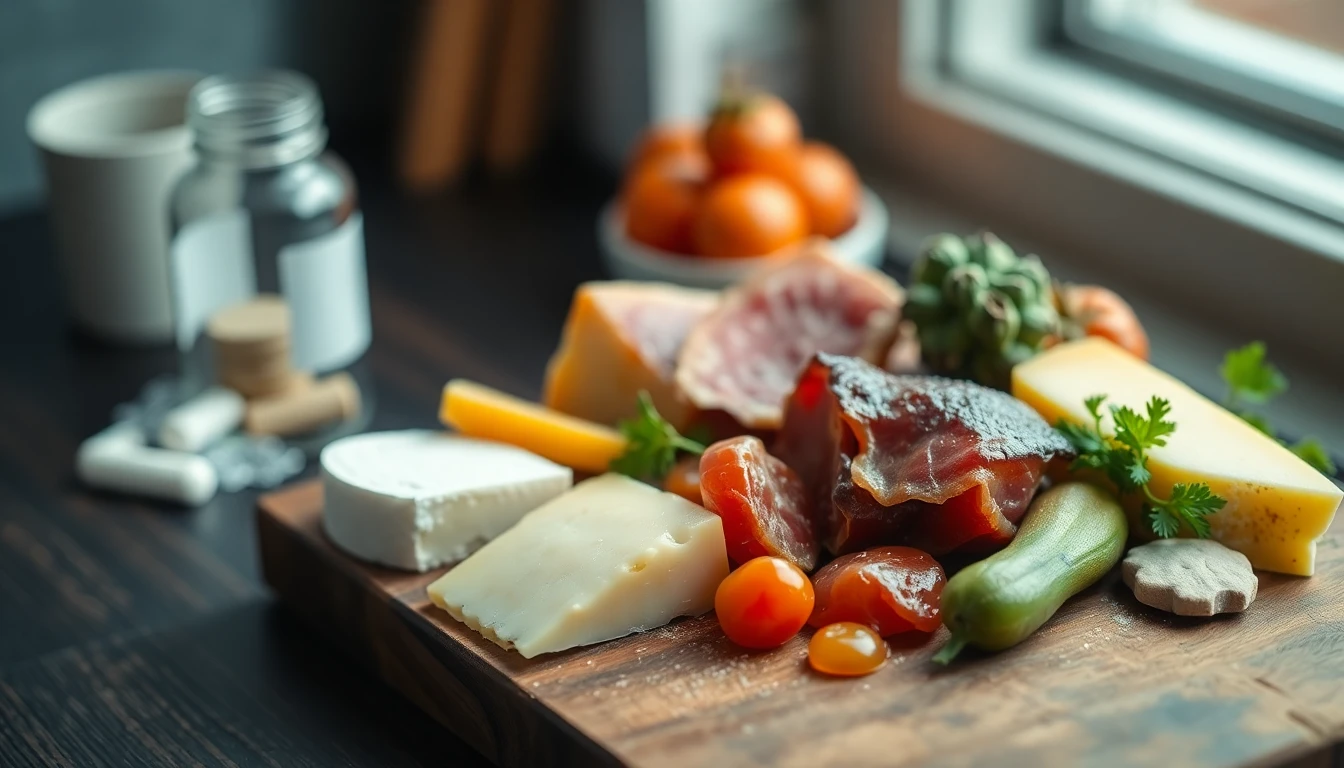
If you've researched antidepressant diets, you might have come across warnings about tyramine—an amino acid found in aged cheeses, cured meats, fermented foods, and soy products. This is crucial advice for people taking MAOI antidepressants (an older class of medication), but it doesn't apply to SSRIs. You can safely eat mature cheddar, salami, kimchi, and soy sauce whilst taking SSRIs without any dietary tyramine restrictions.
Sodium and Hydration
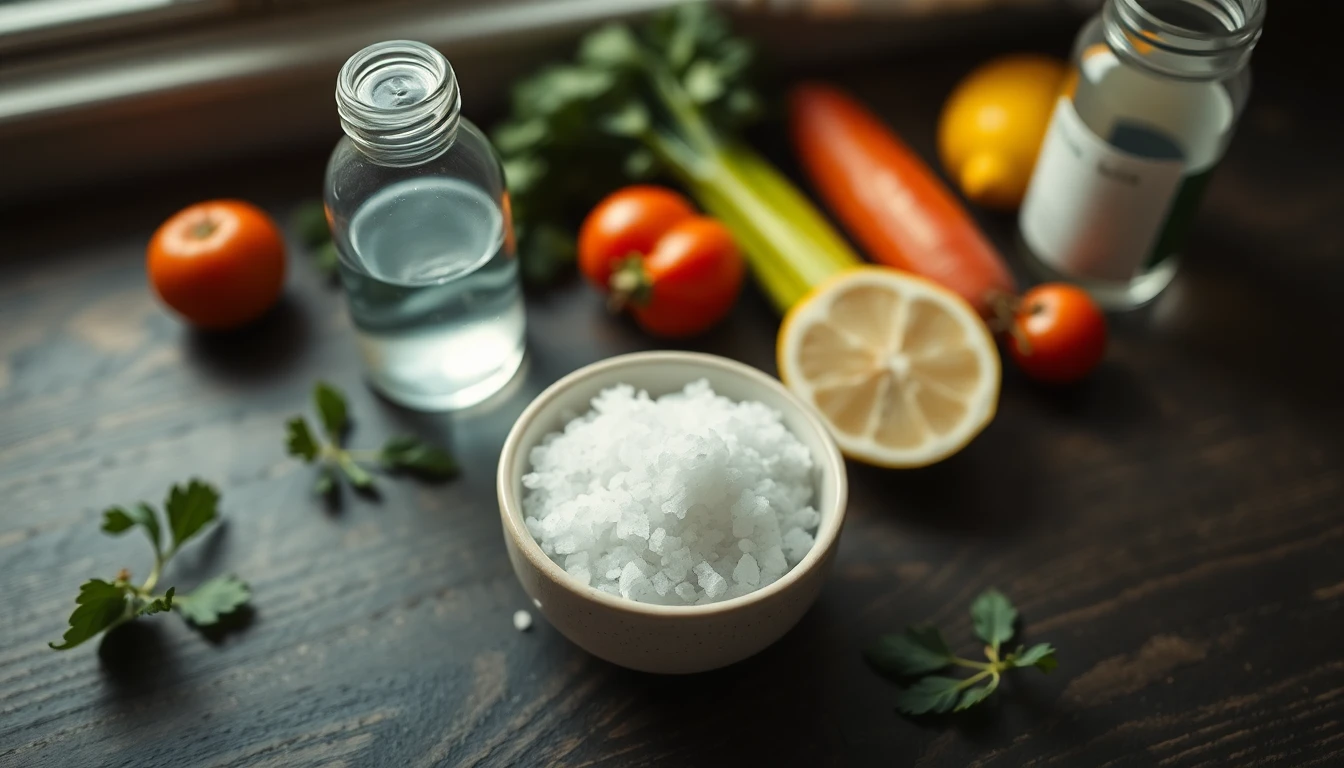
SSRIs can occasionally cause hyponatraemia—low sodium levels in the blood—particularly in older adults. Whilst this is relatively uncommon, it's worth being aware of symptoms like headache, confusion, tiredness, and nausea, especially in the first few weeks of treatment. Staying well-hydrated and maintaining adequate salt intake through a normal balanced diet is usually sufficient. Extreme low-sodium diets or excessive water consumption (more than three litres daily) might increase risk.
Vitamin and Mineral Supplements
Most standard multivitamins are safe with SSRIs. However, high-dose supplements warrant caution. Tryptophan and 5-HTP supplements, both serotonin precursors, can increase serotonin syndrome risk when combined with SSRIs. SAM-e (S-adenosyl methionine), sometimes used for depression, can also interact. Always inform your doctor about any supplements you're taking or considering.
How FreshPlate Helps You Keep Track of SSRI Food Questions
Managing medication questions whilst trying to eat healthily shouldn't feel like a full-time job. FreshPlate can help with the looking-up part. You can add your medication to your profile by its brand or generic name, and every recipe the app generates is then built around your own medication list. The app reads each medicine by its active ingredient, so a brand name and its generic get the same treatment.
On every recipe and meal, the For you tab lists your medicines. If your SSRI is one of the roughly 170 where the free interaction checker has quoted its own NHS page or US FDA label on food, you'll see those words about food, quoted word for word, with a link to the checker page. If there's no advice on file yet for your medicine, the tab says so and points you to your pharmacist. FreshPlate has no specific rule of its own for SSRIs, so it won't block or flag anything for them. What you'll see is whatever the quoted guidance says, or a pointer to your pharmacist.
If you'd like to look something up before you cook, the free food–medication interaction checker on the website lets you type in a medication or its brand name and see the foods to watch in seconds. It's at /website/tools/food-medication-checker/. Your pharmacist or prescriber is still the right person for questions about your own treatment.
Frequently asked questions
Can I drink coffee whilst taking SSRIs?
+
Yes, but you may need to reduce your intake. SSRIs can slow caffeine metabolism, making you more sensitive to its effects. Start with half your usual amount and adjust based on how jittery or anxious you feel.
Is it safe to drink alcohol on SSRIs?
+
Occasional moderate drinking may be acceptable for some people, but alcohol can worsen depression and anxiety whilst amplifying SSRI side effects like drowsiness. It's best to avoid alcohol when starting treatment and discuss any drinking with your doctor.
Why can't I take St John's Wort with my SSRI?
+
Both St John's Wort and SSRIs increase serotonin levels. Taking them together significantly raises the risk of serotonin syndrome, a potentially dangerous condition. Never combine these without medical supervision and a proper washout period.
Do all SSRIs interact with grapefruit?
+
No. Sertraline is the main SSRI affected by grapefruit, which can increase its blood levels. Other common SSRIs like fluoxetine, citalopram, and escitalopram have minimal grapefruit interaction and are generally safe to consume together.
Do I need to avoid cheese and aged foods on SSRIs?
+
No, tyramine restrictions only apply to MAOI antidepressants, not SSRIs. You can safely eat aged cheese, cured meats, fermented foods, and other high-tyramine items whilst taking SSRIs.
Sources
Did this answer your question?
Reece reads every reply. Questions we have not covered become new guides.
Eating around SSRIs shouldn’t be guesswork.
Get our free SSRIs food guide by email — the foods to watch, safe swaps, and meal ideas that work with your medication. One genuinely useful email a week — no spam, unsubscribe anytime.
Free forever. You'll also be first in line for the FreshPlate app — with a free trial at launch.