Ulcerative Colitis Diet: Foods for Flare and Remission
Learn which foods support ulcerative colitis management during flares and remission, plus how to identify triggers and adapt fibre intake phase by phase.

By Reece Douglas · Founder, FreshPlate
Listen to this article
Ulcerative Colitis Diet: Foods for Flare and Remission
Living with ulcerative colitis means navigating two distinct nutritional landscapes. What helps during a flare can differ significantly from what supports long-term gut health during remission. There's no single ulcerative colitis diet that works for everyone, but understanding phase-specific nutrition gives you a framework to build meals that support your body through each stage.
Unlike Crohn's disease, which can affect any part of the digestive tract, ulcerative colitis specifically inflames the colon and rectum. This location matters nutritionally because the colon's primary jobs—absorbing water and forming stool—are compromised during active disease. Your dietary strategy needs to shift alongside your symptoms, moving from gut rest during flares to diverse, nutrient-dense eating during calmer periods.
Understanding the Ulcerative Colitis Diet Phases
The cornerstone of effective nutrition with ulcerative colitis is recognising that your needs aren't static. Research shows that inflammation levels directly influence how well your gut tolerates different foods, particularly fibre. During active flares, the inflamed colon struggles to process roughage, but during remission, that same fibre often supports healthy gut bacteria and overall wellbeing.
Think of your approach in three distinct phases: active flare, recovery, and remission. Each requires different considerations around residue, texture, and nutrient density. Many people with UC find that rigid dietary restriction during remission isn't necessary or beneficial—the goal is finding your personal tolerance threshold whilst maintaining nutritional adequacy.
Active Flare Phase
When symptoms intensify—increased bowel frequency, visible blood, urgency, cramping—your digestive system needs temporary rest from foods that stimulate bowel activity. A low-residue diet reduces stool volume and frequency, giving inflamed tissues a chance to settle.
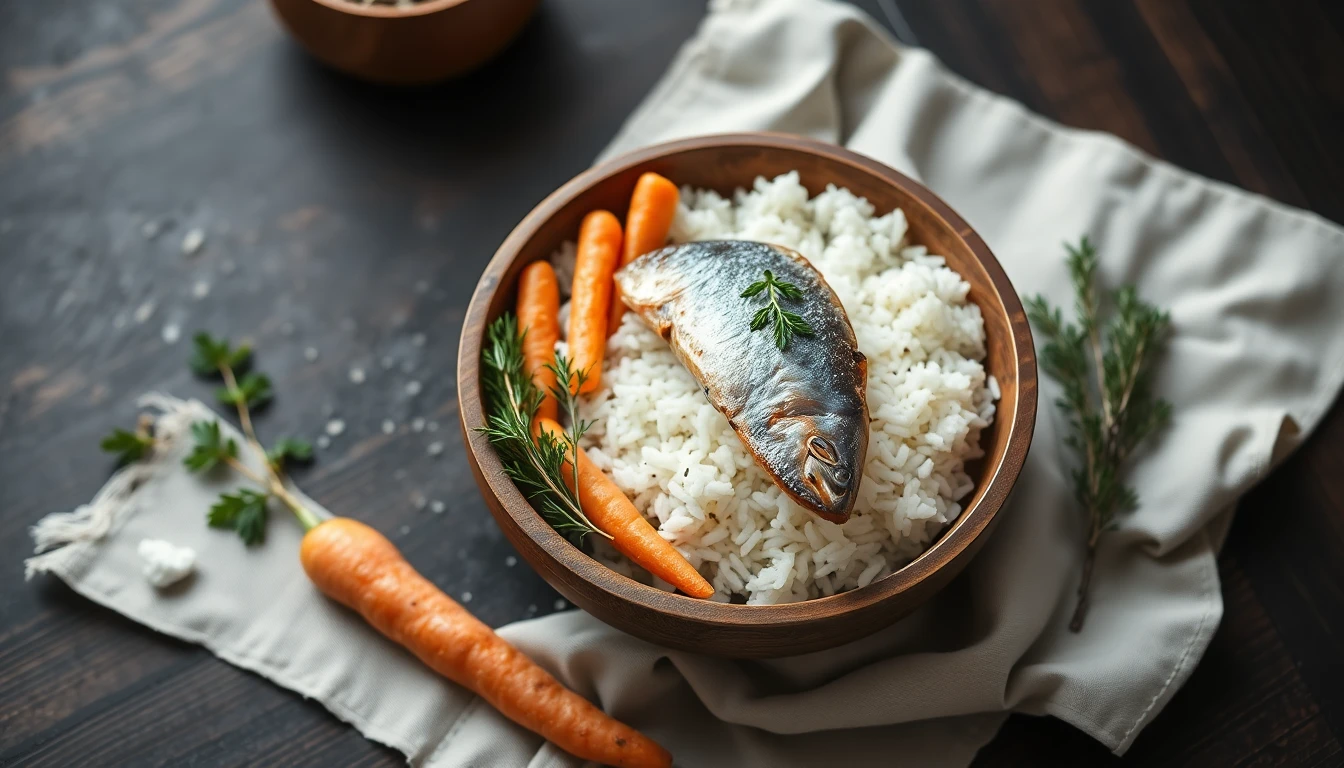
- White starches — refined grains like white rice, white bread, and pasta are easier to digest than wholegrain varieties
- Well-cooked proteins — tender fish, eggs, poultry, and tofu provide nutrition without excess bulk
- Peeled, cooked vegetables — soft carrots, courgettes, and squash without skins reduce fibre load
- Low-fibre fruits — ripe bananas, melon, and peeled tinned fruits offer vitamins with minimal residue
- Simple fats — olive oil, avocado, and small amounts of butter are generally well-tolerated
Recovery Phase
As symptoms begin to settle but haven't fully resolved, you're in a transitional window. This is when gradual expansion matters most. Adding foods back too quickly can trigger symptoms, whilst remaining overly restrictive risks nutritional deficiencies and unnecessary dietary limitation.
- One variable at a time — introduce a single new food or ingredient every two to three days
- Small portions first — try a tablespoon or two before committing to a full serving
- Detailed tracking — note what you ate, portion size, and any symptoms over the following 24-48 hours
- Context awareness — stress, sleep, and medication changes can all influence tolerance independently of food
Remission Phase
When inflammation settles and symptoms resolve, your nutritional focus shifts to maintaining remission, preventing deficiencies, and supporting overall health. Many people with UC can tolerate a varied, high-fibre diet during this phase, though individual triggers often persist.
Foods to Emphasise During Remission
Remission is your opportunity to rebuild nutritional reserves and support the gut microbiome. Research increasingly shows that diverse plant intake during calm periods may help extend time between flares, though this must be balanced against individual tolerance.
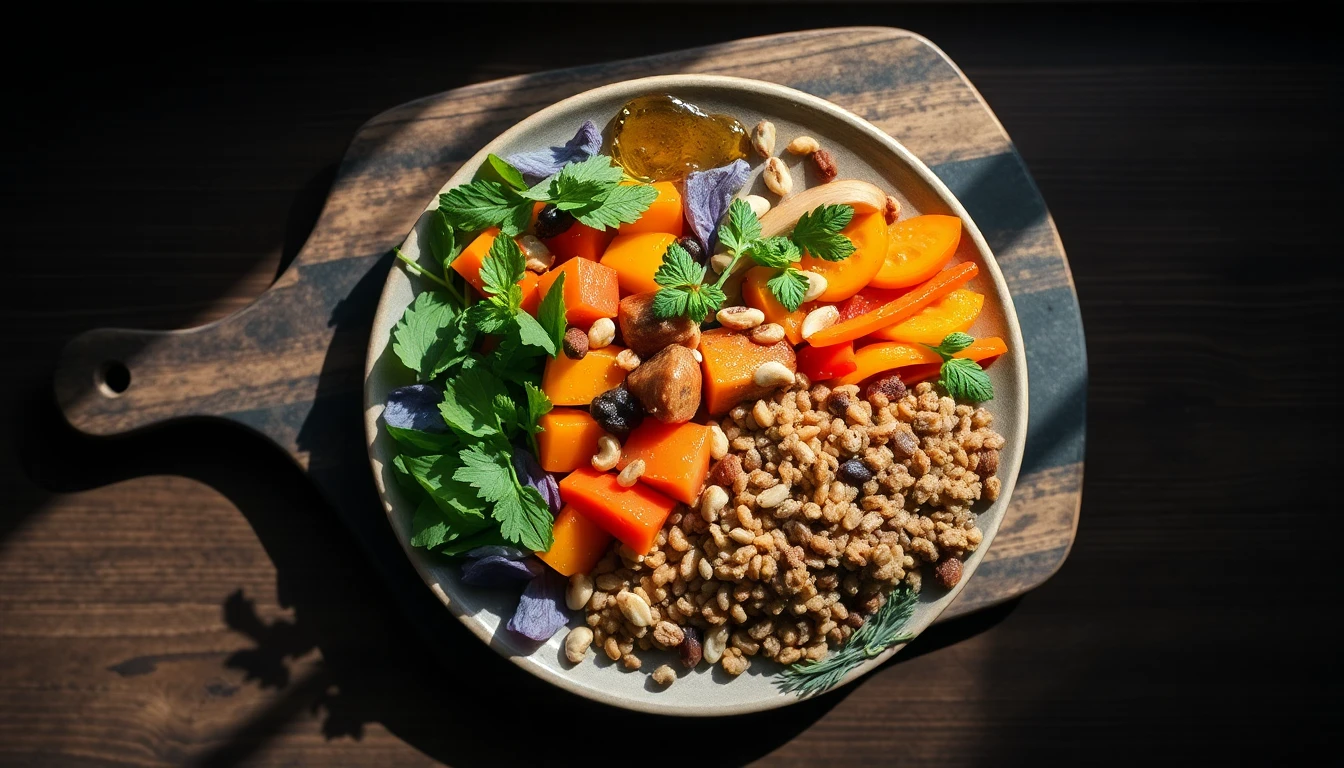
The key distinction from general healthy eating advice is personalisation. Whilst someone without IBD might thrive on raw salads, whole nuts, and seeded bread, you may find cooked vegetables, nut butters, and sourdough work better long-term. Neither approach is inherently superior—effectiveness is measured by symptom control and nutritional adequacy combined.
- Omega-3 rich fish — salmon, mackerel, and sardines provide anti-inflammatory fats that may support gut health
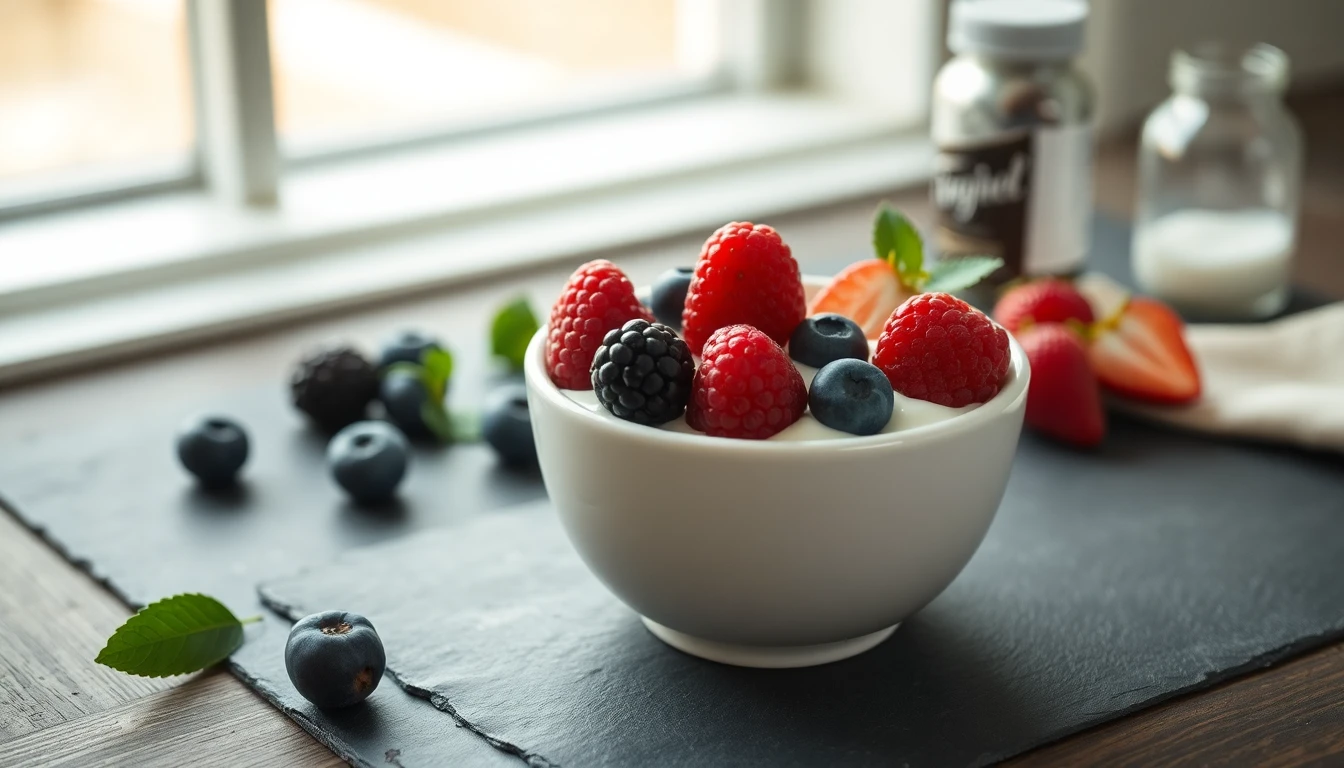
- Fermented foods — plain yoghurt, kefir, and small amounts of sauerkraut introduce beneficial bacteria (start cautiously)
- Cooked vegetables — steaming or roasting breaks down fibres, making them easier to tolerate than raw varieties
- Varied protein sources — rotating between fish, poultry, eggs, and plant proteins ensures broad nutrient intake
- Colourful produce — different plant pigments provide varied antioxidants; aim for tolerance within diversity
- Whole grains in tolerated forms — oats, brown rice, and quinoa offer B vitamins and gentle fibre if you tolerate them
- Healthy fats — extra virgin olive oil, avocado, and small amounts of nuts or seeds support nutrient absorption
Common Trigger Foods and Individual Variation
Whilst no food causes ulcerative colitis, certain categories frequently aggravate symptoms in people with active or mild inflammation. These aren't universal triggers—your personal list will emerge through careful observation and reintroduction trials.
The most commonly reported triggers include high-insoluble-fibre foods, lactose in those with concurrent intolerance, alcohol, caffeine, spicy foods, and high-fat meals. However, some people tolerate all of these without issue, whilst others react to seemingly innocuous foods like tomatoes or stone fruits.
Frequently Problematic Categories
- Raw vegetables and salads — particularly cruciferous vegetables like broccoli, cauliflower, and cabbage
- Whole nuts and seeds — the intact form passes through partially digested; butters are often better tolerated
- Popcorn and corn — tough outer hulls can irritate inflamed tissue
- Dried fruit — concentrated fibre and sugars can increase transit time
- High-lactose dairy — milk and soft cheeses may cause issues; hard cheeses and yoghurt are often tolerated
- Artificial sweeteners — sugar alcohols like sorbitol and xylitol can trigger diarrhoea in sensitive individuals
- Carbonated drinks — gas production may worsen bloating and discomfort
- Red meat and processed meats — some research links higher intake with increased inflammation in IBD
Building Your Personal Trigger Map
Generic lists provide starting hypotheses, but your own experience provides the evidence. Keep a detailed food and symptom diary for at least four weeks during stable periods. Note everything you eat, portion sizes, meal timing, stress levels, sleep quality, and any symptoms over the following two days.
Look for patterns rather than single-meal reactions. If symptoms appear every time you eat raw peppers across multiple trials, that's meaningful data. If you reacted once but not on three other occasions, other variables were likely responsible. This systematic approach prevents unnecessarily restrictive eating based on coincidental associations.
Low Residue vs High Fibre: Timing Matters
The shift between low-residue and higher-fibre eating represents one of the most important nutritional transitions in UC management. Understanding when and how to make this shift prevents both prolonged restriction and premature advancement.
Low-residue diets limit fibre to below 10-15 grams daily, reducing stool bulk and bowel frequency. They're invaluable during flares but problematic long-term—extended use increases risk of nutrient deficiencies, weakens beneficial gut bacteria, and may contribute to constipation once inflammation settles. The goal is shortest necessary duration, not permanent adoption.
When to Use Low Residue
- Active flare with frequent loose stools — typically more than four bowel movements daily
- Visible blood or mucus in stool — indicates significant active inflammation
- Severe cramping or urgency — signs the colon is highly reactive
- Recent hospitalisation or steroid course — medical treatment often pairs with temporary dietary gentleness
- Pre- or post-procedure preparation — your gastroenterologist may recommend this around colonoscopy or surgery
When to Increase Fibre
- Formed stools and reduced frequency — typically fewer than three bowel movements daily
- No blood or mucus for at least two weeks — suggests inflammation has settled
- Stable energy and appetite — malabsorption and systemic inflammation have improved
- Medical confirmation — blood tests showing normalised inflammatory markers support dietary advancement
- Psychological readiness — confidence to track symptoms and adjust if needed
The Gradual Increase Method
Start from your flare baseline—perhaps 8-10 grams of fibre daily—and increase by 3-5 grams every three to four days. This might look like adding one piece of fruit with skin, swapping white rice for brown at one meal, or including a small portion of cooked greens. Monitor symptoms closely. If bloating, frequency, or discomfort increase, hold at that level for another week before attempting further increases.
Most people with UC in remission tolerate 20-30 grams of fibre daily, though some manage more and others find their ceiling lower. There's no prize for highest fibre intake—the goal is maximum dietary variety within your personal tolerance, ensuring nutritional adequacy without triggering symptoms.
Ulcerative Colitis vs Crohn's Disease: Dietary Differences
Whilst both fall under the inflammatory bowel disease umbrella, the distinct locations and patterns of inflammation create different nutritional considerations. Ulcerative colitis affects only the colon's inner lining in a continuous pattern, whilst Crohn's can strike anywhere from mouth to anus in patchy segments, often penetrating deeper tissue layers.
These anatomical differences influence dietary management. Crohn's disease, particularly when affecting the small intestine, carries higher risk of specific malabsorption issues—vitamin B12, iron, and fat-soluble vitamins become concerns. Strictures (narrowed sections) may require longer-term low-residue eating to prevent blockages. UC's colonic focus means water and electrolyte balance matter more, especially during flares with frequent loose stools.
That said, both conditions benefit from the phase-specific approach: gentler eating during active disease, gradual expansion during recovery, and personalised, nutrient-dense eating during remission. The particular triggers, deficiency risks, and safe-fibre thresholds vary individually more than they vary between the two diagnoses.
How FreshPlate Adapts to Your UC Journey
Managing an ulcerative colitis diet across different phases requires significant mental energy—tracking symptoms, planning appropriate meals, ensuring nutritional adequacy, and adjusting as your condition changes. FreshPlate removes much of this cognitive load by building your disease phase and personal triggers directly into recipe generation.
When you indicate you're experiencing a flare, the app automatically prioritises low-residue ingredients and gentle cooking methods. As you mark improvement, it gradually introduces higher-fibre options at a pace you control, tracking your responses to build a personalised tolerance profile. Your trigger list—whether that's raw onions, whole nuts, or spicy foods—is excluded automatically, whilst the system ensures you're still meeting requirements for protein, vitamins, and minerals through alternative sources.
This dynamic approach means your meal plan evolves with your condition rather than requiring you to research, plan, and adapt everything manually. The app effectively becomes your nutrition co-pilot, applying evidence-based principles to your specific situation whilst learning from your individual responses over time.
Frequently asked questions
What foods should I avoid with ulcerative colitis?
+
Common triggers include raw vegetables, whole nuts and seeds, popcorn, high-lactose dairy, alcohol, and caffeine, but tolerance varies significantly between individuals. During flares, avoid high-fibre and gas-producing foods. During remission, identify your personal triggers through systematic food reintroduction rather than following generic restriction lists.
Can diet alone put ulcerative colitis into remission?
+
No, diet cannot replace medical treatment for achieving remission in ulcerative colitis. However, appropriate nutrition during flares can reduce symptom severity, and sustained healthy eating during remission may help extend time between flares when combined with prescribed medication.
Is a low-residue diet safe long-term for UC?
+
Low-residue diets are designed for short-term use during active flares. Extended restriction can lead to nutrient deficiencies, weakened gut bacteria diversity, and potential constipation. Once symptoms settle, gradually increase fibre under medical guidance to support overall health.
Should I take probiotics for ulcerative colitis?
+
Some research suggests certain probiotic strains may benefit UC, particularly VSL#3 for maintaining remission, but evidence is still developing. Speak with your gastroenterologist before starting supplements, as quality and strain selection matter significantly.
What is the difference between UC diet and Crohn's diet?
+
Both conditions benefit from phase-specific eating, but Crohn's disease carries higher risk of small intestine malabsorption and may require longer-term low-residue eating if strictures develop. UC focuses more on colon-specific considerations like hydration during diarrhoea. Individual variation within each condition often exceeds differences between them.
Sources
Did this answer your question?
Reece reads every reply. Questions we have not covered become new guides.
The right foods make living with ulcerative colitis easier.
Get our free ulcerative colitis food guide by email — what to eat more of, what to limit, and simple meals that support you day to day. One genuinely useful email a week — no spam, unsubscribe anytime.
Free forever. You'll also be first in line for the FreshPlate app — with a free trial at launch.