Dairy Free Calcium Recipes: 10 High-Calcium Easy Meals
Ten delicious dairy-free calcium recipes, each delivering 300mg+ calcium per serving. Family-friendly meals using everyday UK ingredients.

By Reece Douglas · Founder, FreshPlate
Listen to this article
Dairy Free Calcium Recipes: 10 High-Calcium Easy Meals
Whether you're lactose intolerant, following a vegan diet, managing a dairy allergy, or simply prefer plant-based eating, meeting your daily calcium needs without dairy can feel like a puzzle. Adults need around 700mg of calcium daily according to NHS guidance, yet many people associate this vital mineral exclusively with milk, cheese, and yoghurt.
The good news? Plenty of plant-based foods deliver substantial calcium, and with thoughtful recipe planning, you can easily meet your requirements through delicious, family-friendly meals. These ten dairy-free calcium recipes each provide at least 300mg of calcium per serving—nearly half your daily requirement in a single dish. Every recipe uses ingredients you'll find in your local Tesco, Sainsbury's, or Asda, making calcium-rich eating both practical and affordable.
Why Calcium Matters Beyond Dairy
Calcium plays a crucial role far beyond building strong bones. This mineral supports muscle function, nerve transmission, blood clotting, and maintaining a regular heartbeat. Whilst childhood and adolescence represent peak bone-building years, adults continue to need adequate calcium throughout life to maintain bone density and prevent osteoporosis.
The dairy-free approach to calcium requires slightly more planning because plant-based calcium sources often come with compounds like oxalates or phytates that can reduce absorption. However, by combining calcium-rich foods with vitamin D, spreading intake throughout the day, and including absorption-enhancing foods, you'll meet your needs comfortably.
Best Plant-Based Calcium Sources
These ingredients form the foundation of our dairy-free calcium recipes:
- Fortified plant milks — Almond, soya, and oat milk fortified with calcium provide 120-140mg per 100ml, matching or exceeding dairy milk
- Tofu set with calcium — Firm tofu made using calcium sulphate delivers approximately 350mg per 100g serving
- Tahini and sesame seeds — Just one tablespoon of tahini provides about 65mg calcium, whilst whole sesame seeds offer even more
- Dark leafy greens — Kale, spring greens, pak choi, and broccoli provide highly absorbable calcium (roughly 90-180mg per 100g cooked)
- Almonds — A 30g handful contains approximately 75mg calcium plus healthy fats
- White bread (UK fortified) — Two slices provide about 110mg calcium thanks to UK fortification requirements
- Dried figs — Four dried figs deliver roughly 100mg calcium alongside fibre
- Tinned fish with bones — Sardines and pilchards with edible bones pack 240-380mg per 100g (suitable for pescatarians)
Breakfast Dairy Free Calcium Recipes
Starting your day with calcium sets a solid foundation for meeting daily requirements. These breakfast recipes prove that dairy-free mornings can be both delicious and nutritionally robust.
Fortified Porridge with Tahini and Figs
This warming bowl combines multiple calcium sources for an impressive start. Cook 50g porridge oats with 250ml fortified soya milk (300mg calcium), then stir through one tablespoon tahini (65mg) and top with three chopped dried figs (75mg) and a tablespoon of almond butter (40mg). Total calcium: approximately 480mg per serving.
The tahini adds a subtle nutty richness whilst the figs provide natural sweetness, meaning you won't need additional sugar. Make it ahead for busy mornings by preparing overnight oats style—simply mix everything cold and refrigerate.
Scrambled Tofu with Spring Greens on Toast
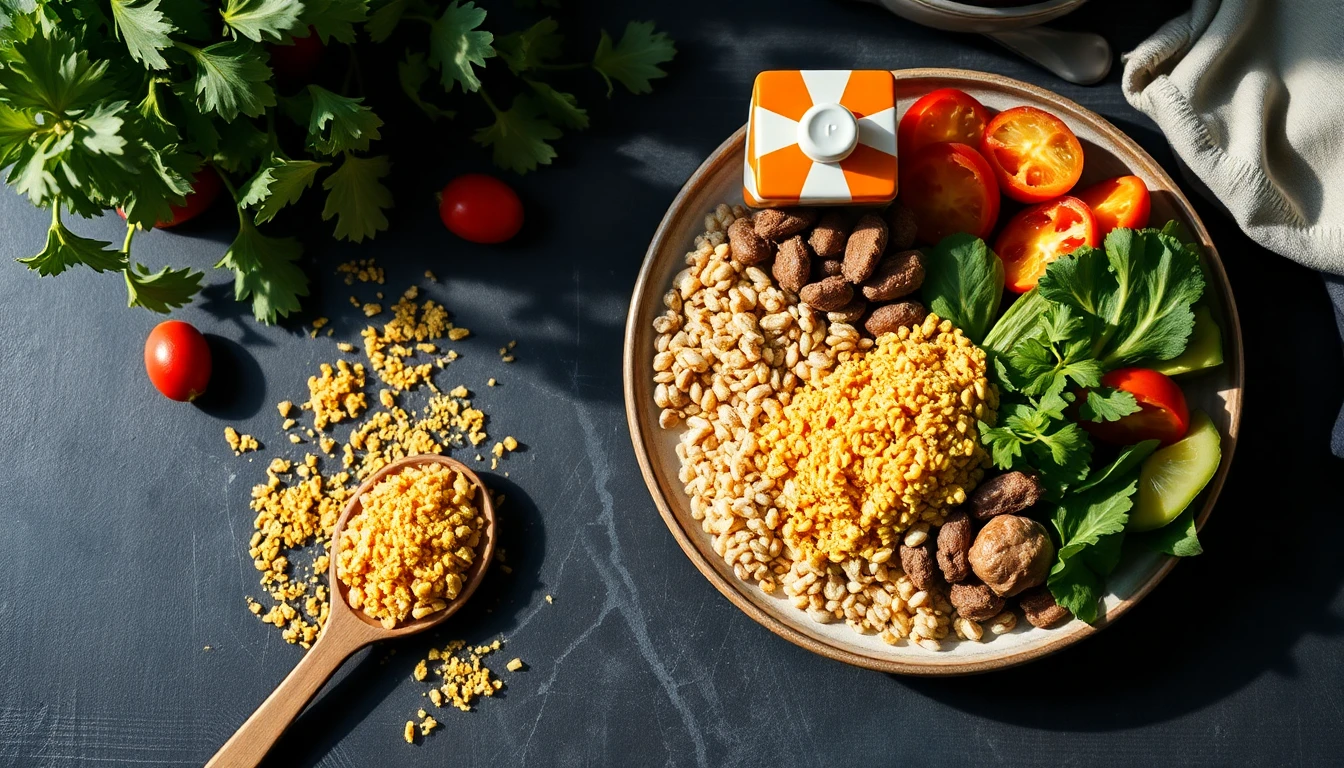
Crumble 150g calcium-set firm tofu (525mg calcium) and sauté with turmeric, nutritional yeast, and black pepper. Wilt 80g spring greens (150mg) into the pan, then serve on two slices of white toast (110mg). Total calcium: approximately 785mg—more than a full day's requirement in one satisfying breakfast.
The turmeric gives this dish its eggy appearance whilst nutritional yeast adds a savoury, slightly cheesy flavour. This recipe works brilliantly for weekend brunch or batch-cooking for weekday breakfasts.
Lunch and Light Meal High-Calcium Recipes
These midday options deliver substantial calcium without weighing you down, perfect for working-from-home lunches or weekend family meals.
Sardine and White Bean Salad
Toss a 120g tin of sardines in tomato sauce (including the softened bones—approximately 450mg calcium) with 200g cooked cannellini beans, rocket, cherry tomatoes, and thinly sliced red onion. Dress with lemon juice, olive oil, and black pepper. Serve with crusty white bread. Total calcium: approximately 520mg.
This Mediterranean-inspired salad comes together in under ten minutes and tastes even better when prepared an hour ahead, allowing the flavours to develop. The bones in tinned sardines are completely soft and unnoticeable—they're your calcium secret weapon.
Sesame-Crusted Salmon with Pak Choi
Coat a salmon fillet with two tablespoons sesame seeds (175mg calcium) and bake at 200°C for 12-15 minutes. Serve alongside 200g steamed pak choi (200mg) drizzled with a tahini dressing made from one tablespoon tahini (65mg), lime juice, and a splash of water. Total calcium: approximately 440mg.
The sesame crust adds wonderful texture and nutty flavour whilst significantly boosting the calcium content. Pak choi cooks in just 3-4 minutes and provides excellent calcium absorption thanks to its low oxalate content.
Spiced Chickpea and Kale Soup
Sauté onions, garlic, and ginger, then add cumin and coriander. Stir in 400g tinned chickpeas, 100g shredded kale (100mg calcium), and 500ml fortified soya milk (600mg). Simmer until the kale softens, then blend half the soup for a chunky-smooth texture. Total calcium per generous bowl: approximately 350mg.
This warming soup freezes beautifully, making it ideal for batch cooking. The fortified milk creates a creamy base without any dairy, whilst the spices add depth and warmth. Serve with seeded bread for additional calcium.
Dinner Dairy Free Calcium Recipes
These evening meals prove that dairy-free family dinners can be both crowd-pleasing and calcium-rich. Each recipe serves four, making weeknight cooking straightforward.
Tofu and Broccoli Stir-Fry with Sesame
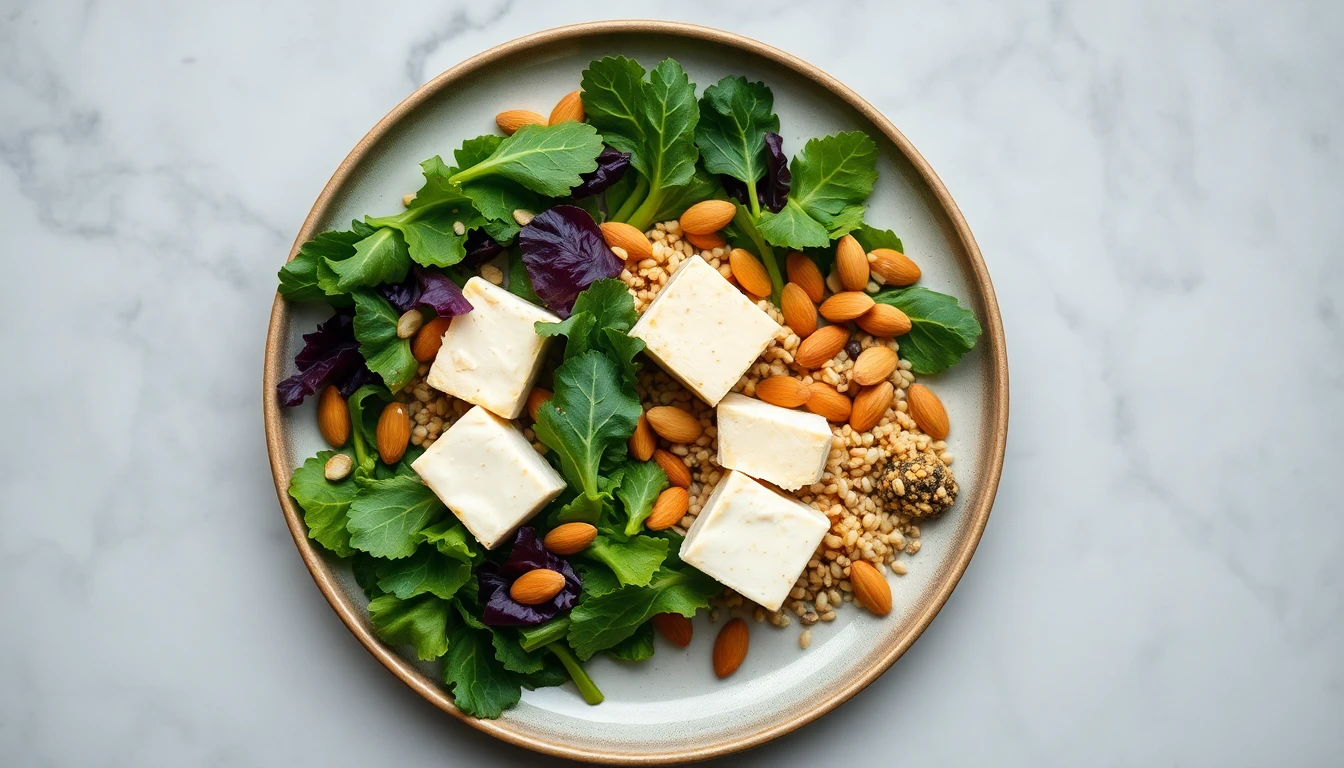
Press and cube 400g calcium-set tofu (1,400mg total) and stir-fry until golden. Add 300g broccoli florets (180mg), sliced peppers, mangetout, and a sauce made from soy sauce, garlic, ginger, and a tablespoon of tahini. Sprinkle with toasted sesame seeds (one tablespoon per serving, 90mg). Serve with rice or noodles. Calcium per serving: approximately 420mg.
The key to excellent stir-fried tofu is patience—let it develop a golden crust before tossing. This adds texture and flavour whilst the calcium content remains stellar. Children often prefer this to traditional stir-fries thanks to the mild, slightly sweet sauce.
White Bean and Chard Stew
This rustic Mediterranean stew starts with sautéed onions, garlic, and fennel seeds. Add 800g tinned white beans (drained), 200g chopped chard (120mg calcium), tinned tomatoes, and vegetable stock. Simmer for 20 minutes, then stir through two tablespoons tahini (130mg) and lemon juice. Calcium per generous serving: approximately 320mg.
The tahini stirred in at the end adds creaminess and a calcium boost whilst the chard provides both nutrition and a slight mineral depth. Serve with crusty bread and this becomes a complete, satisfying meal that even dairy-lovers will request again.
Almond-Crusted Fish with Spring Greens
Coat white fish fillets in ground almonds mixed with lemon zest, garlic powder, and dried herbs (30g almonds per serving provides 75mg calcium). Bake at 200°C for 15 minutes. Serve with 100g steamed spring greens (150mg) and mashed potato made with fortified plant milk. Calcium per serving: approximately 350mg.
This elegant yet simple dish works beautifully for family dinners or when entertaining. The almond crust stays wonderfully crisp whilst adding both texture and nutritional value. Swap the white fish for salmon or trout based on preference.
Creamy Butternut Squash and Kale Pasta
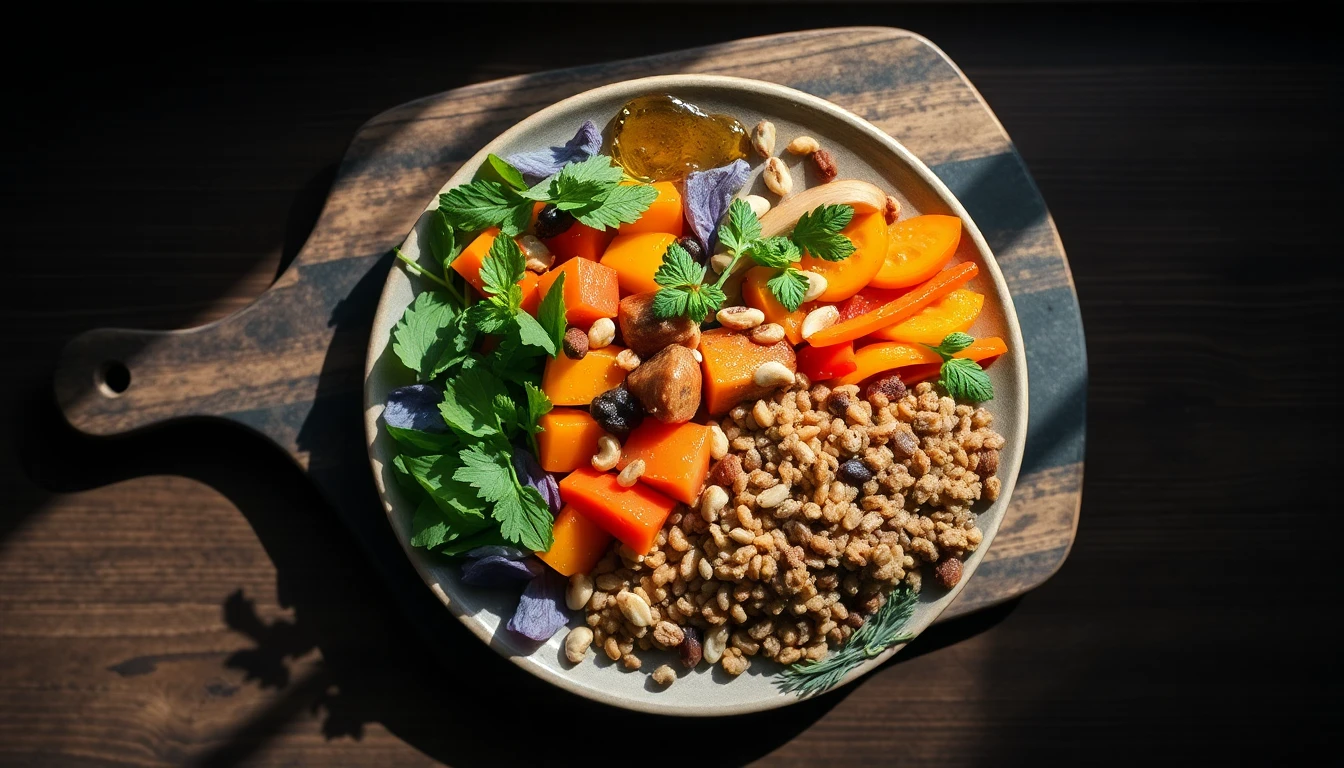
Roast cubed butternut squash until caramelised, then blend with 200ml fortified oat milk (280mg calcium), nutritional yeast, garlic, and sage to create a silky sauce. Toss with cooked pasta and 100g roughly chopped kale (100mg), letting the residual heat wilt the greens. Top with toasted pumpkin seeds. Calcium per serving: approximately 340mg.
This pasta dish feels indulgent despite being entirely plant-based and dairy-free. The butternut squash creates natural creaminess whilst the fortified milk and kale provide substantial calcium. Children rarely realise they're eating something so nutritious.
Tips for Maximising Calcium Absorption
Simply eating calcium-rich foods isn't enough—your body needs to absorb that calcium effectively. These practical strategies help you get the most from your dairy-free calcium recipes.
- Pair with vitamin D — Vitamin D significantly enhances calcium absorption. Include oily fish, fortified plant milks, or consider a supplement during winter months when UK sunlight is insufficient for natural vitamin D production
- Spread intake throughout the day — Your body absorbs calcium best in doses of 500mg or less, so distributing calcium across meals beats loading it all into one sitting
- Include vitamin C foods — Vitamin C improves non-haem iron absorption and may support calcium uptake too. Add citrus fruits, peppers, or tomatoes to calcium-rich meals
- Limit excessive caffeine with meals — Whilst moderate tea and coffee consumption is fine, very high caffeine intake may slightly reduce calcium absorption. Simply avoid drinking multiple strong coffees with your calcium-rich breakfast
- Mind the oxalates — Spinach, rhubarb, and beetroot contain oxalates that bind calcium and reduce absorption. They're still healthy foods, but don't rely on them as primary calcium sources. Kale, pak choi, and broccoli contain much lower oxalates
- Consider meal timing with certain medications — Some medications affect calcium absorption. If you take thyroid medication or certain antibiotics, separate your calcium-rich meals by at least a few hours. Always follow your pharmacist's specific guidance
How FreshPlate Takes the Guesswork Out
Planning dairy-free meals that meet calcium requirements whilst accommodating medications, allergies, and family preferences can feel overwhelming. This is precisely where FreshPlate transforms your nutrition routine.
FreshPlate's personalised recipe engine automatically accounts for your dietary restrictions—whether that's dairy-free, vegan, or multiple allergen avoidances—whilst ensuring you meet essential nutrient targets including calcium. Simply input your requirements, medications, and health conditions, and the app builds weekly meal plans that balance everything seamlessly.
If you're taking medications that interact with calcium or specific foods (such as certain antibiotics or thyroid medications), FreshPlate adjusts meal timing and ingredient selection automatically. You'll receive recipes that not only taste delicious but also work alongside your prescriptions rather than against them. No more wondering whether your breakfast will interfere with your morning tablet or whether you're getting enough calcium without dairy.
The app's UK ingredient database ensures every suggested recipe uses products readily available in British supermarkets, with clear nutritional breakdowns showing exactly how much calcium each meal provides. For families, you can create multiple profiles—perhaps one dairy-free member and others without restrictions—and FreshPlate will generate meals that work for everyone, minimising kitchen stress whilst maximising nutrition.
Frequently asked questions
How can I get 1000mg of calcium a day without dairy?
+
Combine fortified plant milk (300mg per large glass), calcium-set tofu (350mg per 100g), dark leafy greens like kale or spring greens (100-150mg per serving), tinned fish with bones (240mg per small tin), tahini (65mg per tablespoon), and fortified bread. Spreading these across three meals easily reaches 1000mg daily.
What is the highest calcium non-dairy food?
+
Calcium-set tofu tops the list at approximately 350mg per 100g serving, followed closely by tinned sardines with bones at 240-380mg per 100g. Fortified plant milks provide 120-140mg per 100ml, making them another excellent concentrated source.
Is plant-based calcium as good as dairy calcium?
+
Plant-based calcium can be equally effective when from low-oxalate sources like kale, pak choi, fortified foods, and calcium-set tofu. Some plant sources have slightly lower absorption rates than dairy, but eating a variety of calcium-rich plant foods throughout the day compensates effectively.
Do you need more calcium if you don't eat dairy?
+
The recommended daily calcium intake remains the same regardless of dietary pattern—700mg for UK adults according to NHS guidance. However, because some plant calcium sources have lower bioavailability, eating a varied range of high-calcium plant foods ensures adequate absorption.
Can you absorb calcium from fortified plant milk?
+
Yes, calcium added to plant milks (usually calcium carbonate) is well absorbed, particularly when the milk is fortified with vitamin D as well. Studies show fortified plant milks can provide comparable calcium availability to dairy milk, making them an excellent dairy-free option.
Sources
Did this answer your question?
Reece reads every reply. Questions we have not covered become new guides.
Enjoyed these? There’s more where they came from.
Get fresh dairy-free recipes and meal ideas by email — practical, healthy, and built for real weeknights. One genuinely useful email a week — no spam, unsubscribe anytime.
Free forever. You'll also be first in line for the FreshPlate app — with a free trial at launch.