Low Carb Lunch Ideas: Meal Prep for the Week Ahead
Discover filling low-carb lunch ideas under 20g carbs that are perfect for meal prep. Batch-cook portable lunches that support your health goals all week.

By Reece Douglas · Founder, FreshPlate
Listen to this article
Low Carb Lunch Ideas: Meal Prep for the Week Ahead
Finding time to prepare nutritious lunches whilst managing a busy schedule can feel overwhelming, especially when you're following a low-carb eating plan. Whether you're working to stabilise blood sugar levels, support weight management, or simply feel more energised throughout the afternoon, having ready-made low-carb lunches waiting in your fridge transforms your weekday routine.
The key to successful low-carb meal prep lies in choosing recipes that hold up well over several days, remain satisfying despite their lower carbohydrate content, and pack easily for transport to work or wherever your day takes you. In this guide, we'll explore practical low carb lunch ideas that keep each serving under 20g of carbohydrates whilst delivering the protein, healthy fats, and fibre you need to feel genuinely full until dinner.
Why Low-Carb Lunches Support Sustained Energy
Traditional lunch options like sandwiches, pasta salads, or jacket potatoes can contain 50-80g of carbohydrates in a single serving. Whilst carbohydrates are an important macronutrient, these large quantities can lead to rapid blood sugar spikes followed by the familiar mid-afternoon energy slump that sends many people reaching for sugary snacks or another coffee.
Low-carb lunches take a different approach by emphasising protein and healthy fats as your primary fuel sources. This combination digests more slowly, providing steady energy release without the dramatic blood sugar fluctuations. Research published in the American Journal of Clinical Nutrition demonstrates that lower-carbohydrate meals result in more stable postprandial glucose levels compared to high-carbohydrate alternatives, which is particularly beneficial for individuals managing diabetes or insulin resistance.
Beyond blood sugar management, adequate protein intake at lunch helps preserve muscle mass during weight loss, supports satiety hormones that signal fullness to your brain, and provides the amino acids necessary for countless bodily functions. When you pair protein with non-starchy vegetables rich in fibre, you create a meal that keeps hunger at bay for hours whilst delivering essential vitamins and minerals.
Essential Components of Batch-Friendly Low Carb Lunch Ideas
Successful meal prep starts with understanding which ingredients travel well, reheat beautifully, and maintain their texture throughout the week. Not every delicious low-carb meal makes an ideal packed lunch, so selecting the right building blocks matters enormously.
Protein Foundations That Keep Well
Your protein choice forms the centrepiece of any satisfying low-carb lunch. These options batch-cook brilliantly and taste excellent cold or reheated:
- Roasted chicken thighs — more flavourful and forgiving than breast meat, they stay moist throughout the week
- Hard-boiled eggs — prepare a dozen at once for quick protein additions to any lunch container
- Tinned fish — salmon, mackerel, sardines, and tuna require zero preparation and deliver omega-3 fatty acids
- Grilled turkey mince — season well and use as a base for various flavour profiles throughout the week
- Pan-fried tofu or tempeh — excellent plant-based options that absorb marinades beautifully
- Slow-cooked beef or pork — tender, flavourful, and easy to portion into individual servings
Non-Starchy Vegetables for Volume and Nutrients
Vegetables provide the bulk that makes low-carb lunches satisfying without adding significant carbohydrates. These options work particularly well for meal prep:
- Leafy greens — spinach, rocket, and mixed leaves (dress just before eating to prevent sogginess)
- Cruciferous vegetables — broccoli, cauliflower, Brussels sprouts, and cabbage hold texture well when roasted
- Courgettes — spiralise for noodle alternatives or slice and roast
- Peppers — add colour, crunch, and vitamin C without many carbs
- Cucumber and celery — provide refreshing crunch and hydration
- Mushrooms — roast or sauté for umami-rich additions
Healthy Fats for Satiety
Dietary fat slows digestion and helps your body absorb fat-soluble vitamins from your vegetables. Include one or two of these in each lunch:
- Avocado — quarter an avocado provides roughly 3g carbs and tremendous satiety
- Olive oil-based dressings — batch-make vinaigrettes to drizzle over assembled lunches
- Nuts and seeds — small portions add crunch and healthy fats (watch quantities as carbs can add up)
- Full-fat cheese — adds flavour and richness with minimal carbohydrates
- Olives — flavourful, portable, and virtually carb-free
Five Filling Low-Carb Lunch Ideas Under 20g Carbs
These recipes are specifically designed for batch cooking and portability, with each serving containing fewer than 20g of total carbohydrates whilst delivering 25-35g of protein to keep you satisfied.
Mediterranean Chicken Bowl
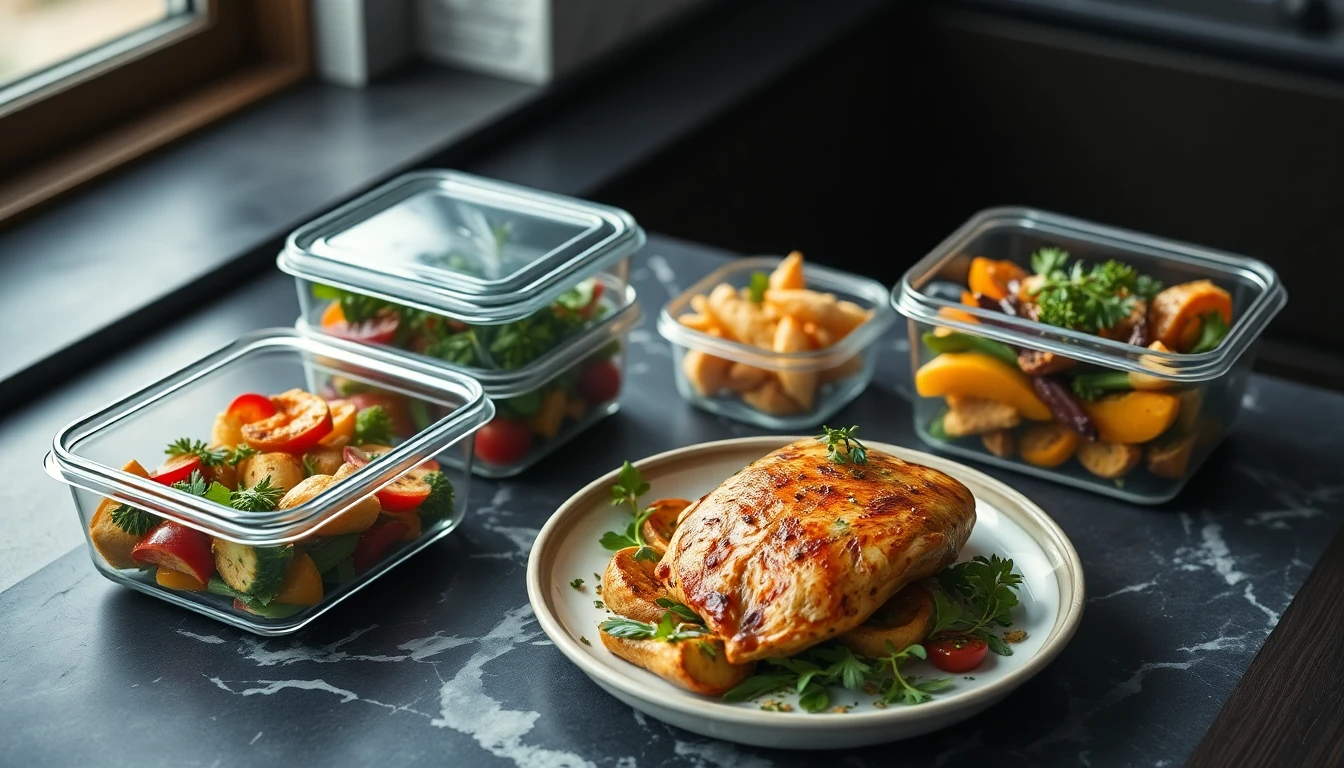
Roast 800g chicken thighs with oregano, garlic, and lemon. Prepare a large batch of roasted vegetables including courgettes, peppers, and red onion. Divide into four containers with mixed leaves, cherry tomatoes, crumbled feta, olives, and a drizzle of olive oil. Each serving provides approximately 8g carbs, 32g protein, and keeps beautifully for four days.
Asian-Inspired Beef and Broccoli
Brown 600g lean beef mince with ginger, garlic, and tamari (gluten-free soy sauce). Steam a large head of broccoli until just tender. Combine in containers with shredded cabbage and spring onions. Dress with sesame oil and rice vinegar. Each portion contains roughly 12g carbs and 28g protein. This reheats excellently in a microwave.
Egg Salad Lettuce Wraps
Hard-boil a dozen eggs and prepare a simple salad with mayonnaise, Dijon mustard, chopped celery, and fresh dill. Pack in containers alongside whole lettuce leaves (butter lettuce works particularly well), cucumber sticks, and cherry tomatoes. Assemble the wraps just before eating. Each serving delivers approximately 6g carbs and 24g protein.
Cauliflower Rice Burrito Bowl
Pulse raw cauliflower into rice-sized pieces and lightly sauté with cumin and lime. Prepare seasoned turkey mince, and roast peppers. Layer in containers with shredded lettuce, salsa, soured cream, grated cheese, and sliced avocado (add avocado the night before to prevent browning). Each bowl contains approximately 15g carbs and 30g protein.
Smoked Mackerel and Roasted Vegetable Salad
Roast a tray of asparagus, courgettes, and cherry tomatoes with olive oil. Divide between containers with mixed leaves and flaked smoked mackerel fillets. Pack a separate small container of horseradish-spiked crème fraîche for dressing. This no-reheat option provides approximately 10g carbs, 26g protein, and valuable omega-3 fatty acids.
Practical Meal Prep Strategies for Low-Carb Success
Efficient meal preparation transforms the weekly lunch routine from a daily decision into a simple grab-and-go system. These strategies help you implement low-carb lunch prep successfully.
- Designate a prep day — most people find Sunday afternoon or Monday evening works well for cooking proteins and roasting vegetables in batches
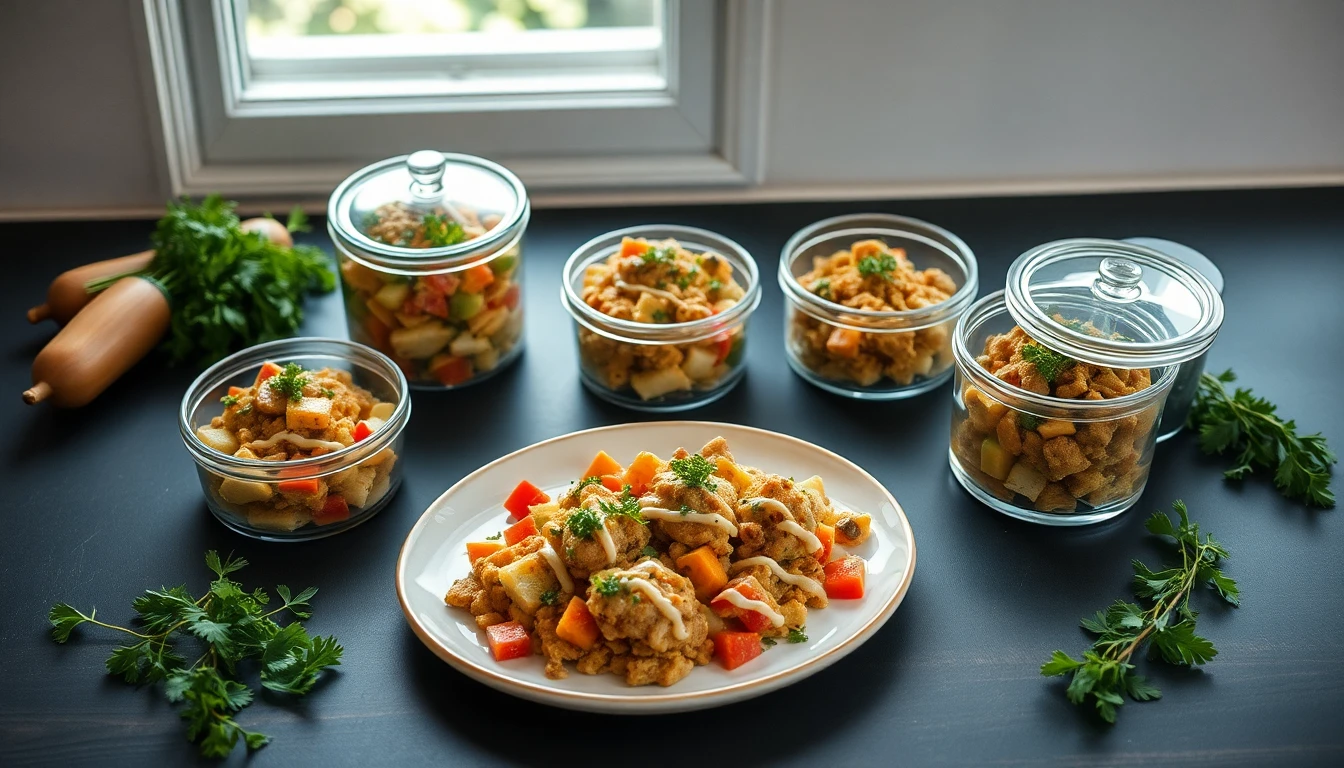
- Invest in quality containers — glass containers with secure lids prevent leaks, microwave safely, and don't absorb odours or stains like plastic alternatives
- Keep dressings separate — pack vinaigrettes, sauces, and wet ingredients in small containers to prevent soggy salads
- Front-load variety — rotate your protein and vegetable combinations weekly to prevent boredom
- Prep ingredients rather than complete meals — sometimes storing cooked proteins and chopped vegetables separately allows more flexibility in assembling lunches based on daily preferences
- Label everything — mark containers with contents and date prepared to ensure food safety
- Strategic shopping — buy proteins on offer and freeze portions for future meal prep sessions
Food Safety Considerations
Proper storage ensures your batch-cooked lunches remain safe to eat throughout the week. Cool cooked foods quickly by spreading them on large trays before transferring to containers. Refrigerate within two hours of cooking, and ensure your fridge maintains a temperature below 5°C. Most cooked proteins and vegetables keep safely for four days when properly stored. If you're preparing a full week's worth, consider freezing portions for Thursday and Friday, then defrosting them overnight in the fridge on Wednesday.
Managing Low-Carb Lunches Alongside Medications and Health Conditions
If you're taking medications for diabetes, blood pressure, or other conditions, adjusting your carbohydrate intake requires careful consideration. Significantly reducing carbohydrates can affect blood sugar levels, potentially requiring medication adjustments, particularly for those taking insulin or certain diabetes medications.
The NHS advises that individuals considering substantial dietary changes, especially those with diagnosed health conditions or taking regular medications, should discuss these plans with their GP or specialist. This is particularly important for people taking blood sugar-lowering medications, as reduced carbohydrate intake can increase the risk of hypoglycaemia if medication doses aren't adjusted accordingly.
Additionally, some medications interact with specific foods commonly found in low-carb eating plans. For instance, if you're taking warfarin, the vitamin K content in leafy greens requires consistency rather than avoidance. Those on certain blood pressure medications may need to monitor potassium intake when increasing consumption of foods like avocados, nuts, and fish.
How FreshPlate Personalises Low-Carb Meal Planning
Creating low-carb lunches that align with your specific health needs, medication interactions, and nutritional requirements can feel complex. FreshPlate simplifies this process by automatically generating meal plans and recipes tailored to your individual profile.
When you input your medications, health conditions, and dietary preferences, FreshPlate's algorithm identifies potential food-drug interactions and adjusts recipe suggestions accordingly. If you're taking ACE inhibitors and need to moderate potassium, the app automatically calibrates portions of high-potassium low-carb foods. If you're managing diabetes, it provides carbohydrate counts and suggests appropriate portion sizes based on your targets.
Rather than spending hours researching which low-carb ingredients work with your specific medication regimen, FreshPlate delivers personalised low carb lunch ideas that you can confidently prepare and enjoy, knowing they've been designed around your complete health picture.
Frequently asked questions
How many carbs should a low-carb lunch contain?
+
A low-carb lunch typically contains 10-20g of carbohydrates, though definitions vary. This amount allows for generous portions of protein and non-starchy vegetables whilst supporting stable blood sugar levels throughout the afternoon. Your individual target may differ based on your overall daily carbohydrate goal and health objectives.
Can I meal prep low-carb lunches for a full week?
+
Most low-carb meal prep lunches stay fresh for 4-5 days when properly stored in airtight containers in the fridge. For a full work week, consider freezing Thursday and Friday's portions on Sunday, then defrosting them midweek. Alternatively, do a smaller prep session on Wednesday evening for the remaining days.
Will low-carb lunches keep me full until dinner?
+
Yes, when properly balanced with adequate protein (25-35g), healthy fats, and fibre-rich vegetables. This combination digests slowly and provides sustained energy. If you find yourself hungry, ensure you're including enough protein and fat, as these macronutrients promote satiety more effectively than carbohydrates alone.
What are the cheapest low-carb lunch options for meal prep?
+
Eggs are the most economical low-carb protein, followed by tinned fish, chicken thighs, and turkey mince. Pair these with seasonal vegetables and simple salad greens. Batch-cooking larger cuts of meat when on offer and freezing portions also reduces costs significantly whilst maintaining variety.
Do I need to count vegetables in my carb total?
+
Non-starchy vegetables like leafy greens, broccoli, cauliflower, courgettes, and peppers contain relatively few carbohydrates and substantial fibre. Whilst they technically count toward your carb total, their high fibre content means the net carb impact is minimal. Focus carb counting on starchy vegetables, grains, and sugars rather than restricting vegetable intake.
Sources
Did this answer your question?
Reece reads every reply. Questions we have not covered become new guides.
Enjoyed these? There’s more where they came from.
Get fresh low carb recipes and meal ideas by email — practical, healthy, and built for real weeknights. One genuinely useful email a week — no spam, unsubscribe anytime.
Free forever. You'll also be first in line for the FreshPlate app — with a free trial at launch.