Diverticulitis Diet: Flare-Up and Recovery Foods
Navigate diverticulitis flare-ups and recovery with the right foods. Clear liquids during acute phase, low-fibre for healing, then high-fibre for prevention.

By Reece Douglas · Founder, FreshPlate
Listen to this article
Diverticulitis Diet: Flare-Up and Recovery Foods
Diverticulitis occurs when small pouches in your bowel wall (diverticula) become inflamed or infected, causing abdominal pain, fever, and digestive upset. What you eat plays a crucial role in both managing flare-ups and preventing future episodes, but the dietary advice changes dramatically depending on which stage you're in.
The diverticulitis diet isn't one-size-fits-all. During an acute flare-up, your bowel needs complete rest with clear liquids only. As inflammation settles, you'll gradually reintroduce low-fibre foods before eventually building up to a high-fibre diet for long-term prevention. Understanding these phases and knowing exactly what to eat at each stage can help you recover faster and reduce your risk of recurrence.
Understanding Diverticulitis and Why Diet Matters
Diverticulosis—having these small pouches in your colon—is extremely common, affecting around 50% of people over 60 in the UK. Most people never have symptoms. Diverticulitis happens when one or more pouches become inflamed, likely due to trapped faecal matter or bacteria.
Diet plays different roles at different times. During a flare-up, restricting fibre gives your inflamed bowel a chance to rest and heal. Once recovered, a high-fibre diet helps prevent future episodes by keeping stools soft and moving smoothly through the colon, reducing pressure on the bowel wall and preventing new pouches from forming.
Symptoms That Signal a Flare-Up
Recognising a diverticulitis flare-up early means you can adjust your diet promptly and seek medical care if needed.
- Abdominal pain — usually persistent and located in the lower left side, though it can occur on the right
- Fever and chills — indicating infection or inflammation
- Nausea and vomiting — your digestive system struggling to function normally
- Changes in bowel habits — constipation or diarrhoea, sometimes alternating
- Bloating and gas — uncomfortable distension that doesn't ease
Phase One: Clear Liquids During Acute Flare-Ups
When diverticulitis strikes, your first dietary step is often a clear liquid diet. This gives your bowel complete rest by providing hydration and some energy without any solid material that needs digesting. Your GP or gastroenterologist will typically recommend this for 2-3 days during acute inflammation.
Clear liquids should be transparent—you should be able to see through them. This phase isn't about nutrition; it's about rest and hydration whilst your bowel heals and any prescribed antibiotics take effect.
What to Include
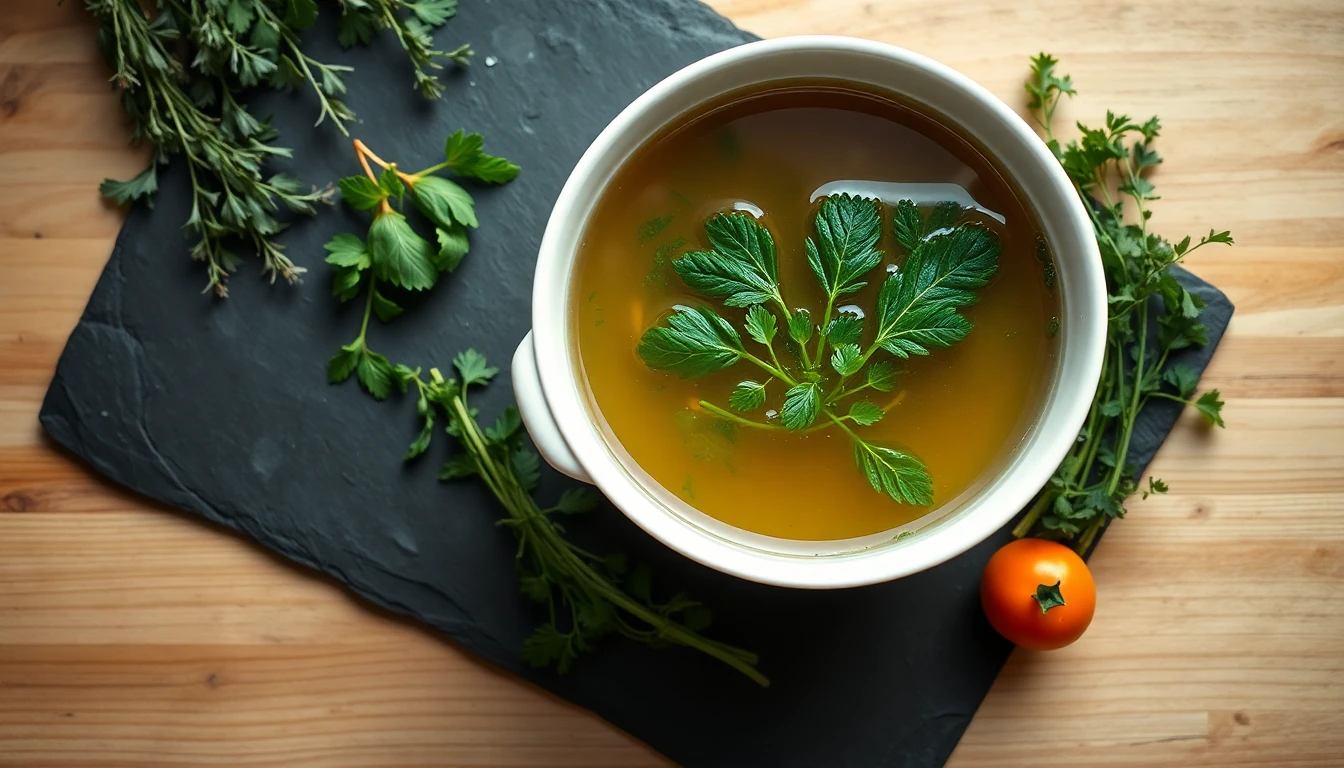
- Clear broths — chicken, beef, or vegetable stock without any bits or fat
- Water — still or sparkling, your primary source of hydration
- Clear fruit juices — apple or white grape juice, strained with no pulp
- Tea and coffee — without milk or cream, herbal teas are particularly gentle
- Clear electrolyte drinks — helpful if you've been vomiting or have diarrhoea
- Ice lollies — made from clear juice, can be soothing and hydrating
- Clear jelly — avoid red or purple colours if medical procedures are planned
What to Avoid Completely
During this phase, avoid anything with fibre, pulp, dairy, or solid particles. This means no milk, cream, smoothies, orange juice with pulp, or any actual food. Even soft foods are too much for your bowel to handle during acute inflammation.
Phase Two: Low-Fibre Diet During Early Recovery
Once symptoms begin to improve—usually after 2-4 days—your doctor will likely advise you to start a low-fibre diet. This phase bridges the gap between giving your bowel complete rest and returning to normal eating. You're aiming for less than 10-15g of fibre per day, which is much lower than the usual 30g recommendation.
Low-fibre foods are easier to digest and produce less stool volume, allowing your inflamed bowel tissue to continue healing without being stretched or irritated. You'll typically follow this diet for several days to a few weeks, depending on how quickly your symptoms resolve.
Low-Fibre Foods to Choose
- White bread, pasta, and rice — refined grains with fibre removed
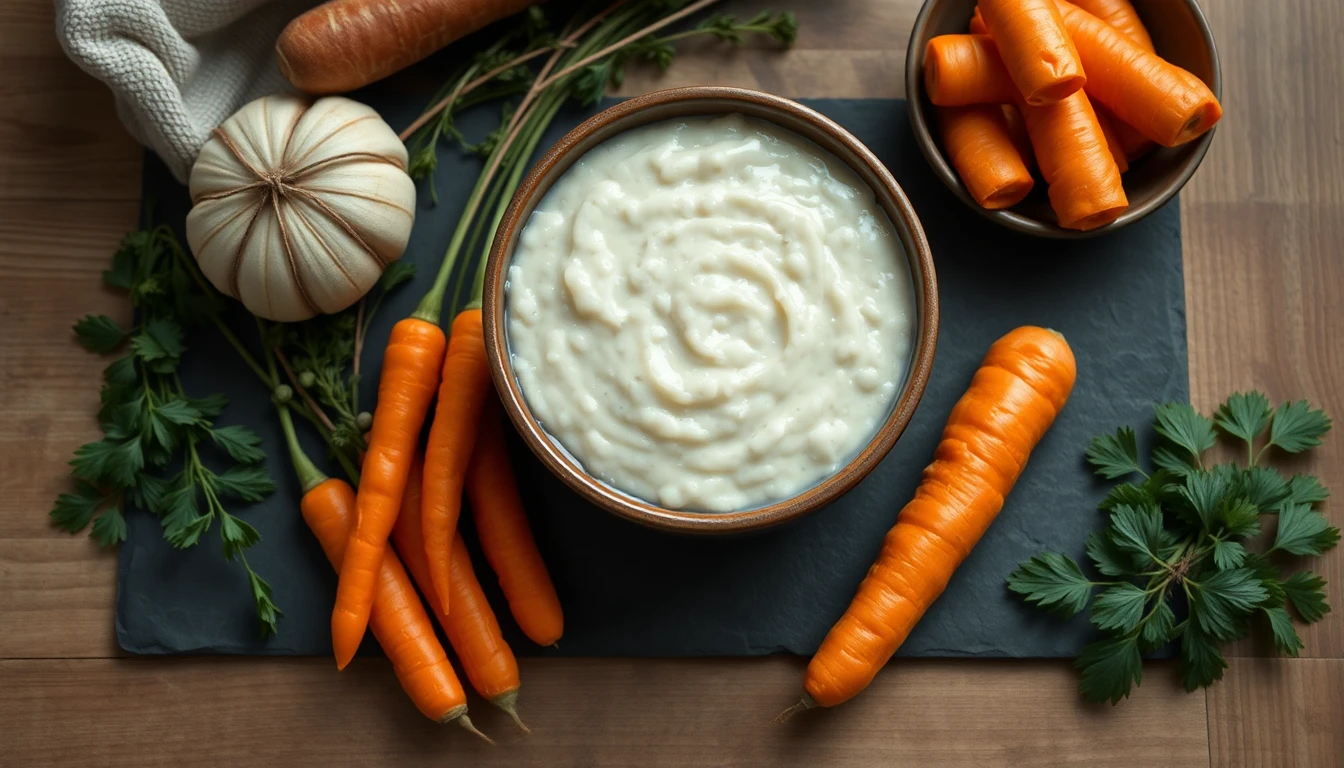
- Well-cooked vegetables without skins — carrots, courgettes, squash, green beans
- Canned or cooked fruits without skins or seeds — peaches, pears, applesauce
- Tender proteins — eggs, fish, poultry, tofu, smooth nut butters
- Dairy products — if tolerated, milk, yoghurt, and cheese provide protein and calcium
- Clear soups progressing to smooth soups — gradually add back pureed vegetables
- Fruit juices without pulp — small amounts for vitamin C
Foods to Continue Avoiding
- Wholegrains — brown rice, wholemeal bread, porridge, bran cereals
- Raw vegetables — especially cruciferous vegetables like broccoli and cabbage
- Raw fruits with skins — apples, pears, berries
- Legumes — beans, lentils, chickpeas are high-fibre and gas-producing
- Tough or fatty meats — can be difficult to digest during recovery
Phase Three: High-Fibre Diet for Long-Term Prevention
Once you've fully recovered from a diverticulitis flare-up, the dietary strategy completely reverses. A high-fibre diet becomes your best defence against future episodes. Research consistently shows that adequate fibre intake—25-30g daily for women, 30-38g for men—reduces the risk of diverticulitis developing and recurring.
Fibre works by adding bulk to stools and keeping them soft, which reduces pressure inside the colon. This pressure, called intracolonic pressure, is what causes diverticula to form in the first place. By keeping things moving smoothly, you're protecting your bowel wall from further damage.
The transition from low-fibre back to high-fibre should be gradual—increase your intake by 5g per week to allow your digestive system to adjust and minimise gas and bloating.
Building Your High-Fibre Foundation
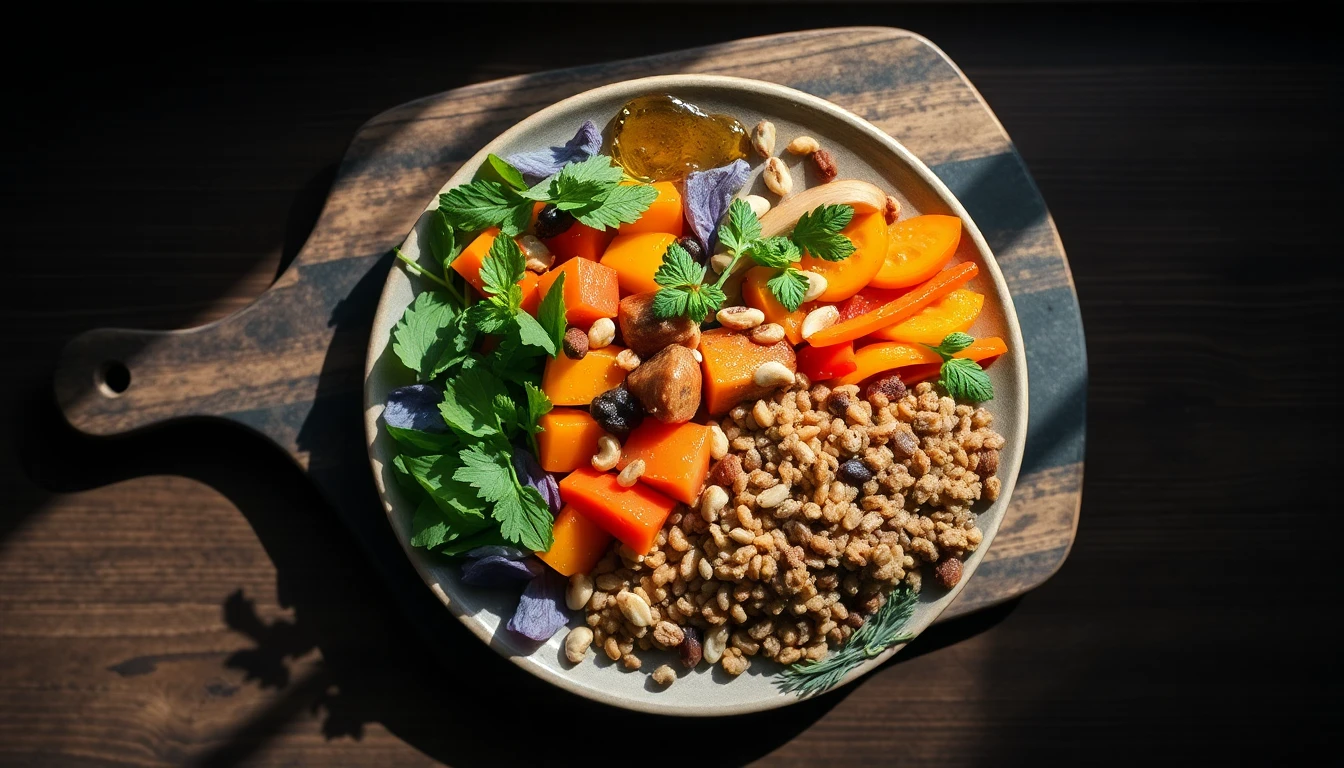
- Wholegrains — brown rice, wholemeal bread, oats, quinoa, barley
- Vegetables — aim for 5-7 portions daily, including leafy greens, root vegetables, cruciferous vegetables
- Fruits — whole fruits with edible skins provide both soluble and insoluble fibre
- Legumes — beans, lentils, and chickpeas are fibre powerhouses with added protein
- Nuts and seeds — contrary to old advice, these are safe and beneficial
- Ground flaxseed or chia seeds — easy additions to cereals, yoghurt, or smoothies
The Truth About Seeds and Nuts
For decades, people with diverticular disease were told to avoid seeds, nuts, popcorn, and corn, based on the theory that these small particles could lodge in diverticula and trigger inflammation. This advice has been thoroughly debunked.
A large study published in JAMA following over 47,000 men for 18 years found no link between eating nuts, seeds, corn, or popcorn and increased risk of diverticulitis. In fact, nut and popcorn consumption was associated with a lower risk. These foods are high in fibre and beneficial for bowel health.
Unless you've personally noticed that a specific food triggers symptoms for you, there's no need to eliminate seeds or nuts. They're valuable sources of fibre, healthy fats, and nutrients that support overall health and diverticulitis prevention.
Don't Forget Fluids
High-fibre diets only work properly with adequate fluid intake. Aim for 6-8 glasses of water daily, more if you're active or in hot weather. Fibre absorbs water in your bowel, keeping stools soft and easy to pass. Without enough fluid, a high-fibre diet can actually worsen constipation.
Foods and Habits That Support Bowel Health
Beyond managing fibre intake through the different phases of diverticulitis, several other dietary and lifestyle factors contribute to preventing flare-ups and supporting overall digestive health.
Probiotic Foods
Emerging research suggests that gut bacteria play a role in diverticular disease. Probiotic foods may help maintain a healthier bacterial balance and reduce inflammation.
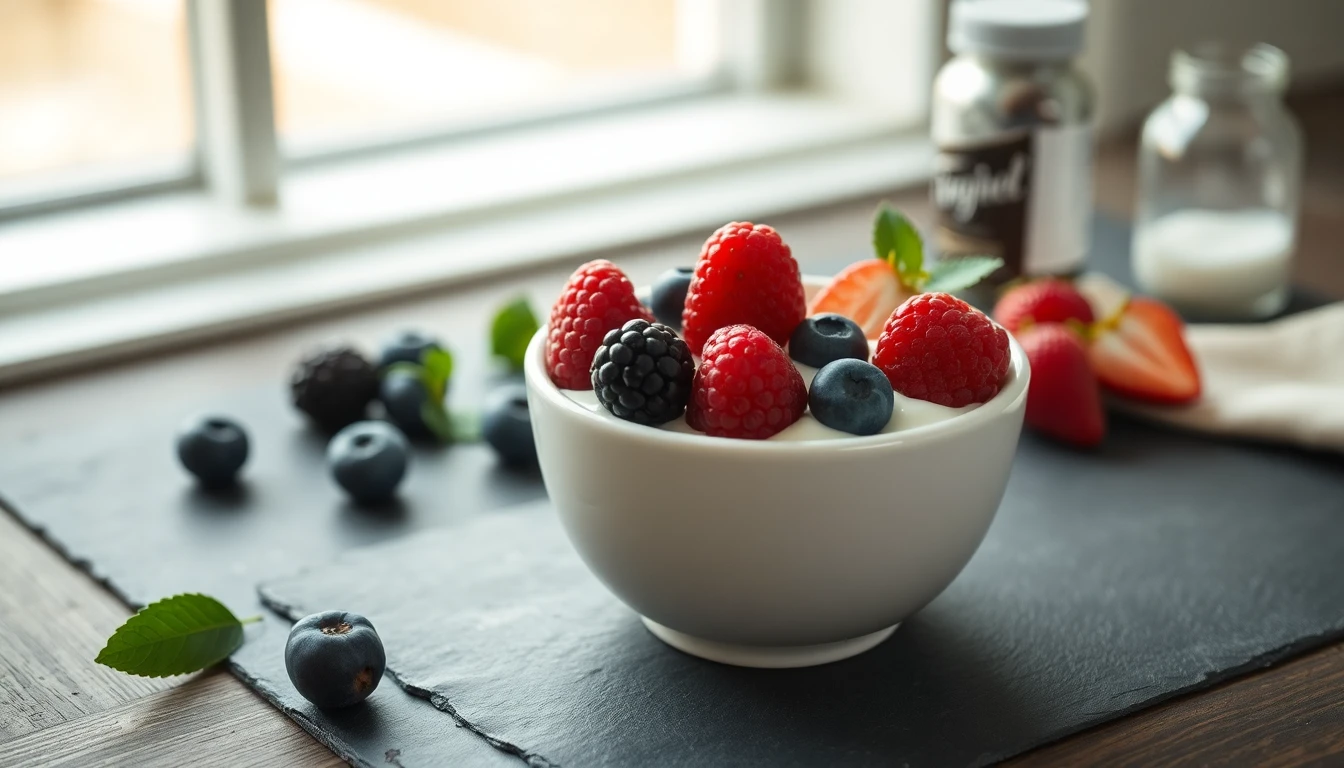
- Live yoghurt — choose varieties with active cultures clearly labelled
- Kefir — fermented milk drink with diverse bacterial strains
- Sauerkraut and kimchi — fermented vegetables rich in beneficial bacteria
- Miso and tempeh — fermented soy products common in Japanese cuisine
Anti-Inflammatory Foods
Since diverticulitis is an inflammatory condition, including anti-inflammatory foods in your prevention diet makes good sense.
- Oily fish — salmon, mackerel, sardines provide omega-3 fatty acids
- Olive oil — extra virgin varieties contain anti-inflammatory compounds
- Colourful fruits and vegetables — rich in antioxidants that combat inflammation
- Turmeric and ginger — spices with proven anti-inflammatory properties
Lifestyle Factors
- Regular physical activity — exercise helps maintain healthy bowel function and reduces constipation
- Maintain a healthy weight — obesity increases diverticulitis risk
- Don't ignore the urge — delaying bowel movements can lead to harder stools and increased pressure
- Limit red meat — some studies suggest high red meat consumption may increase risk
- Moderate alcohol — excessive drinking may increase inflammation and flare-up risk
How FreshPlate Works Alongside Your Diverticulitis Diet
Managing a diverticulitis diet means constantly adjusting your meal planning based on whether you're in flare-up, recovery, or prevention mode. FreshPlate can take some of the guesswork out of this, though it steers rather than prescribes, and it never claims to treat, prevent or cure anything. For a condition like this, recipes lean towards what public UK guidance (NHS, BDA) says suits it.
The app doesn't switch itself between stages, so when your own care team or the NHS and BDA guidance tells you which stage you're in, that is your cue to choose the recipes that fit. Each recipe has a For you tab that shows what was checked for your allergens, diet and religious rules, a line on why it suits your goal and conditions, and whether it fits what is left of your day. Your medicines are listed there too: for about 170 of them, the tab opens the NHS or US FDA words about food, quoted word for word, with a link to the checker page. The rest say there is no advice on file yet and point you to your pharmacist.
For the longer term, you can log meals by photo, barcode or search, and a pack that no database knows is read off its own label on your phone, with the nutrition table filling in the numbers. Foods you make yourself can be measured once in Cook on the Meals tab and logged in one tap afterwards. The Progress tab then shows how your day is going and why, with a "How we worked this out" tap behind every number. If you want to check a medicine against food before you cook, the free interaction checker on the website is at /website/tools/food-medication-checker/. Whatever stage you're in, it's worth following the advice of your doctor or dietitian first, and using the app to make everyday meal choices a little easier.
Frequently asked questions
What can I eat during a diverticulitis flare-up?
+
During an acute flare-up, start with clear liquids only—water, clear broths, strained fruit juice, and tea without milk. After 2-3 days, if symptoms improve, gradually add low-fibre foods like white bread, well-cooked vegetables without skins, eggs, and fish. Always follow your doctor's specific advice.
How long does it take to recover from diverticulitis?
+
Mild diverticulitis typically improves within a few days with antibiotics and dietary changes, though complete healing may take several weeks. You'll progress from clear liquids to low-fibre foods over the first week, then gradually build back to a high-fibre diet over the following weeks as tolerated.
Can I eat nuts and seeds if I have diverticulitis?
+
Yes. The old advice to avoid nuts, seeds, popcorn, and corn has been debunked by research. These foods don't increase your risk of flare-ups and are actually beneficial as part of a high-fibre prevention diet. Only avoid them if you've personally noticed they trigger your symptoms.
Should I take fibre supplements for diverticulitis prevention?
+
Fibre supplements like psyllium husk or methylcellulose can help you meet the 25-30g daily target, especially if you struggle to get enough through food alone. However, whole food sources of fibre are preferable as they provide additional nutrients. Always increase fibre gradually and drink plenty of water.
Will changing my diet prevent future diverticulitis flare-ups?
+
A high-fibre diet significantly reduces the risk of flare-ups, though it can't guarantee complete prevention. Combining adequate fibre (25-30g daily) with plenty of fluids, regular exercise, and maintaining a healthy weight gives you the best protection against recurrent diverticulitis.
Sources
Did this answer your question?
Reece reads every reply. Questions we have not covered become new guides.
The right foods make living with diverticulitis easier.
Get our free diverticulitis food guide by email — what to eat more of, what to limit, and simple meals that support you day to day. One genuinely useful email a week — no spam, unsubscribe anytime.
Free forever. You'll also be first in line for the FreshPlate app — with a free trial at launch.