Halal Meal Prep for Beginners: 7 High-Protein Lunches
Meal prep basics for beginners: cook one halal high-protein lunch plan in 2-3 hours on Sunday. Includes macros, a shopping list and storage times.

By Reece Douglas · Founder, FreshPlate
Listen to this article
Halal Meal Prep for Beginners: 7 High-Protein Lunches
Finding time to cook balanced, protein-rich lunches every day is hard when you're juggling work, family and health goals. For those following halal dietary laws, the challenge doubles: you need meals that align with your values whilst hitting your nutritional targets. A simple weekly meal prep routine solves both problems.
This guide covers the meal prepping basics first, then gives a complete seven-day halal high-protein plan. Each lunch delivers roughly 30-38g of protein alongside balanced carbohydrates and healthy fats, with a shopping list, prep order and macro breakdown for every meal. Whether you're managing your weight, building muscle or simply eating better, it keeps healthy eating manageable.
What Are the Meal Prepping Basics for Beginners?
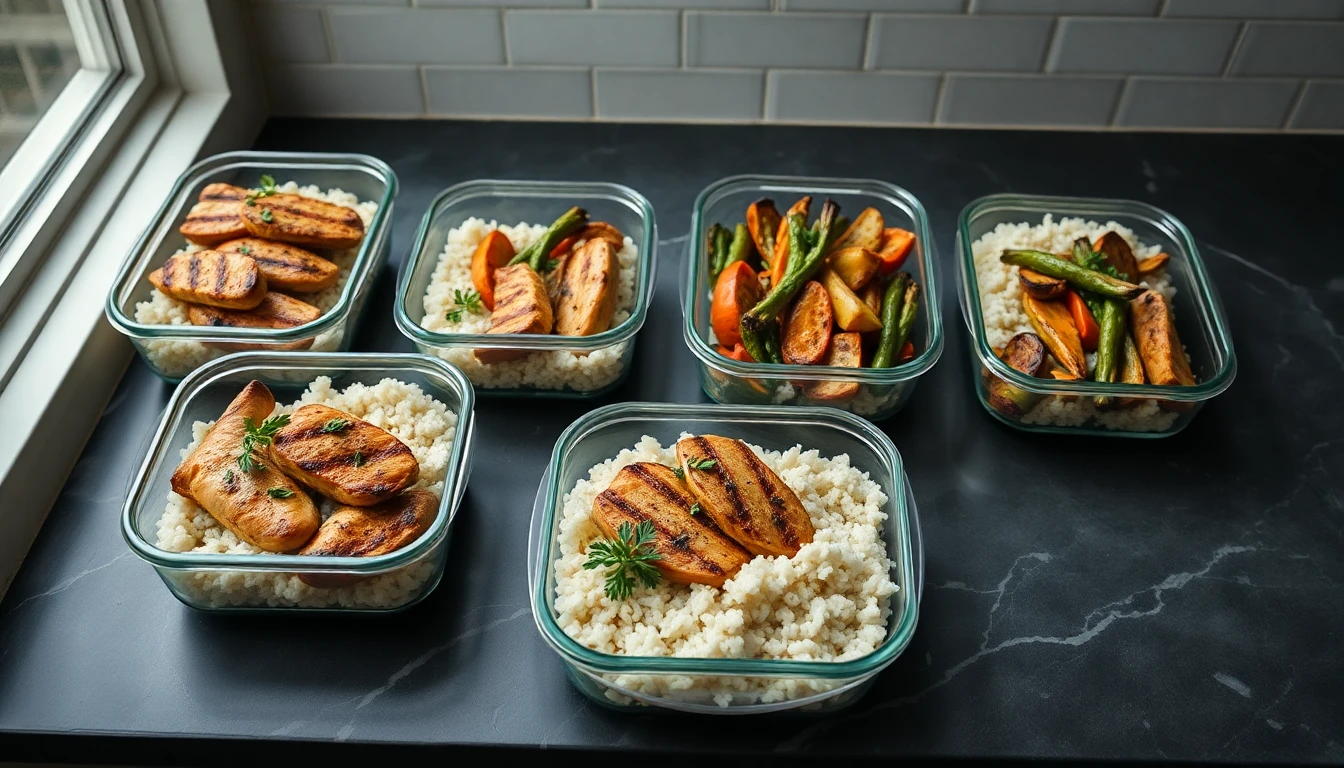
Meal prepping means cooking components of your meals in one batch, usually 2-3 hours on a single day, then portioning them into containers to eat over the following days.
The basics come down to five steps: plan 3-5 meals, shop once from a list, cook the slowest items first, cool food quickly, and portion it into single-serve containers. Start small. Prepping lunches only, for three to four days, is far easier to keep up than a full week of every meal.
Use this simple formula for each container: one palm-sized portion of protein (about 150g cooked), one fist-sized portion of carbohydrate (about 150g cooked grains or potato), and two handfuls of vegetables. Batch cooking this way keeps costs down and makes sure you always have zabiha-compliant options ready, rather than reaching for convenience food of uncertain status.
- Plan 3-5 meals — best for beginners — less repetition and food waste than a full week
- Cook slowest items first — best order — braises and roasts run while you prep everything else
- Cool within 2 hours — essential — limits bacterial growth in cooked rice, meat and grains
- Fridge 3-4 days, freeze the rest — safest split — keeps quality and food safety on track
- Pack sauces separately — best for texture — stops grains and wraps going soggy
Why Does High-Protein Halal Meal Prep Work?
High-protein meal prep works because it removes daily decisions: your lunches are cooked, balanced and ready before hunger or tiredness can push you towards less suitable choices.
Protein helps maintain muscle mass and keeps you feeling full between meals. The UK reference intake for adults is about 0.75g of protein per kilogram of body weight daily, which is roughly 45g for a 60kg woman and 55g for a 75kg man. Active people and those over 65 often aim higher, around 1.2-2.0g per kilogram, as discussed by the British Nutrition Foundation.
Protein also supports appetite control. Research on satiety suggests higher-protein meals can reduce hunger and later energy intake compared with lower-protein meals, which is why protein-focused prep suits weight management goals.
Halal Protein Sources to Stock
A well-stocked fridge and freezer make varied prep easy. Look for halal-certified meat and check labels on processed items. Figures are approximate and vary by cut and brand:
- Zabiha chicken breast — lean and versatile, about 31g protein per 100g raw weight
- Lean beef mince (5% fat) — rich in iron and B vitamins, about 20-26g protein per 100g depending on cooking
- Lamb leg steaks — flavourful and tender, about 25g protein per 100g
- Salmon — omega-3 rich, about 20-25g protein per 100g; no halal certification issue for fish in most interpretations, but check your own school of thought
- Eggs — complete protein, about 6g per large egg
- Greek yoghurt — about 10g protein per 100g
- Chickpeas and lentils — plant-based, 8-9g protein per 100g cooked
- Cottage cheese — slow-digesting casein, about 11g per 100g; check the rennet is halal-suitable
- Halloumi — grillable, about 21g protein per 100g, but high in salt
Your 7-Day Halal High-Protein Meal Prep Plan
This plan rotates protein sources to prevent flavour fatigue. Each lunch gives roughly 30-38g protein, 40-50g carbohydrate and 12-18g fat, totalling 410-490 calories.
All seven meals can be prepared in one 2-3 hour session. The recipes share ingredients to reduce cost and waste, and quantities below make four portions of each unless stated.
Monday: Za'atar Chicken with Quinoa and Roasted Vegetables
Season 600g diced chicken breast with 2 tablespoons za'atar, olive oil, lemon juice, salt and pepper. Roast at 200°C (180°C fan) for 20-25 minutes until cooked through. Meanwhile, cook 280g dry quinoa according to the packet. Roast 400g mixed peppers, courgettes and red onion with garlic and olive oil.
- Macros per portion — 36g protein, 42g carbs, 14g fat, 440 calories
- Prep tip — Chicken stays moist for up to 3 days when stored separately from quinoa
- Flavour boost — Add a spoonful of tahini yoghurt sauce when reheating
Tuesday: Beef Kofta Meatballs with Bulgur Wheat Pilaf
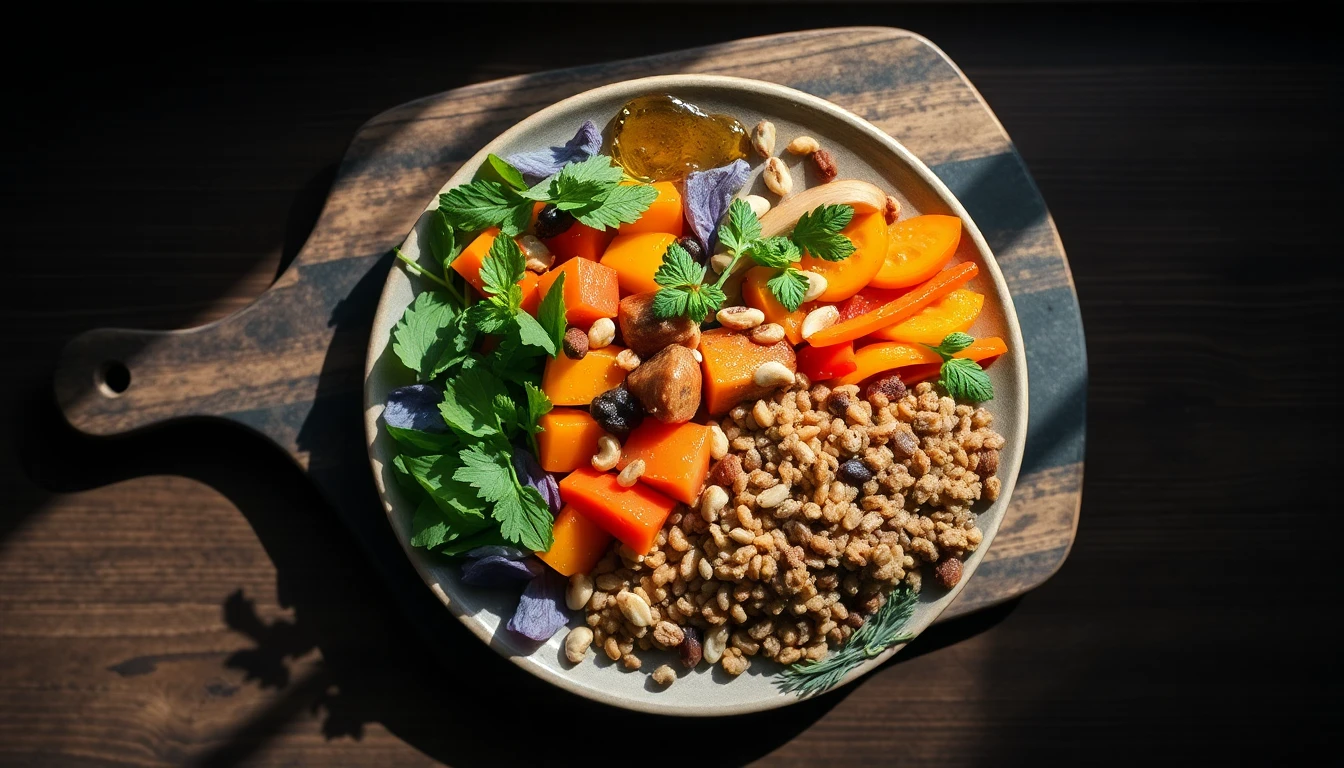
Mix 500g lean beef mince with finely chopped onion, parsley, cumin, coriander and cinnamon. Form 20 meatballs and bake at 190°C (170°C fan) for 18-20 minutes. Prepare bulgur wheat with toasted almonds and dried apricots, and serve with a cucumber and tomato salad.
- Macros per portion — 38g protein, 45g carbs, 16g fat, 475 calories
- Storage note — Meatballs freeze well for up to 3 months
- Serving suggestion — Warm the meatballs with the bulgur; keep the salad cold and separate
Wednesday: Harissa Salmon with Sweet Potato and Green Beans
Brush four 150g salmon fillets with harissa paste mixed with olive oil and honey. Bake at 180°C (160°C fan) for 12-15 minutes. Roast 600g cubed sweet potato until tender and steam 400g green beans, tossing them with lemon zest.
- Macros per portion — 35g protein, 48g carbs, 18g fat, 490 calories
- Quality matters — Choose MSC-certified salmon where possible
- Reheating tip — Microwave at 50% power to stop the salmon drying out; eat within 2 days
Thursday: Lamb and Chickpea Tagine with Couscous
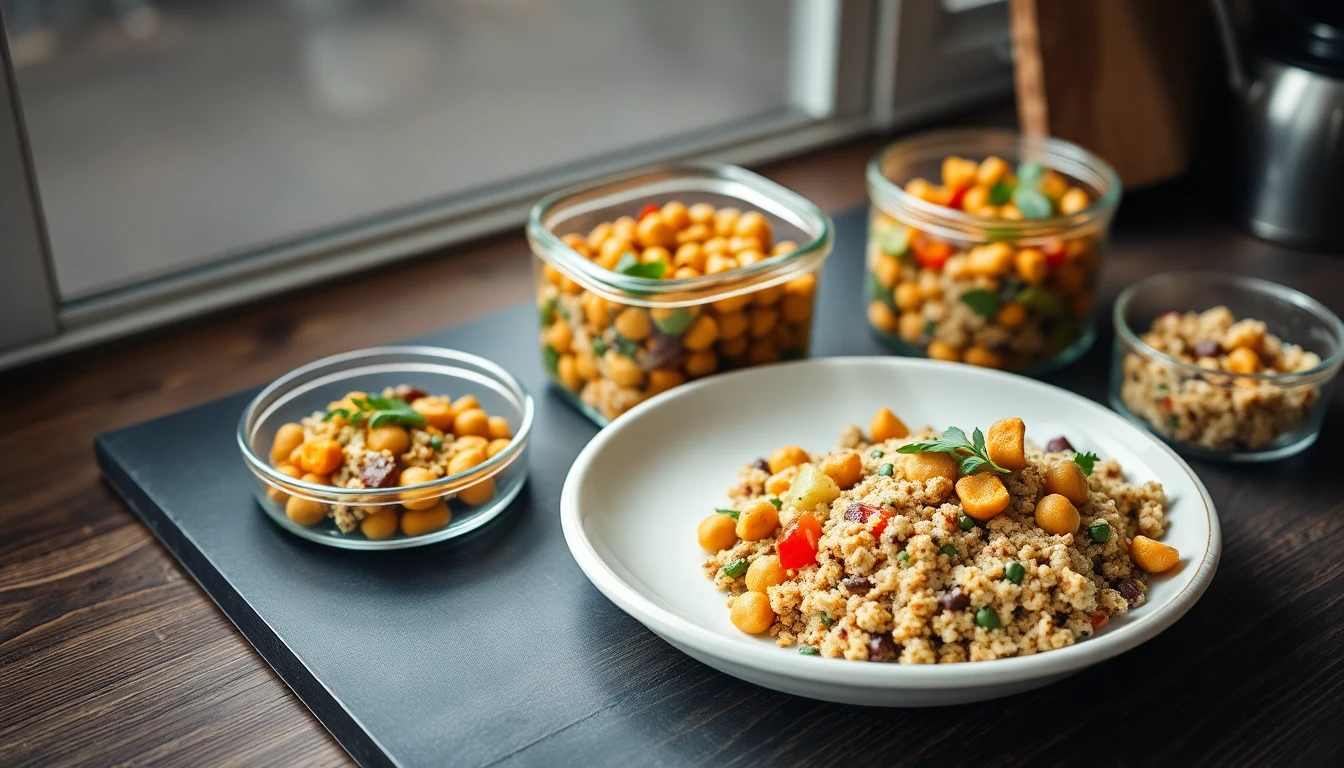
Brown 500g diced lamb leg, then slow-cook with tinned tomatoes, chickpeas, onions, garlic, ginger, turmeric and cinnamon for about 2 hours until tender. This makes four generous portions. Prepare wholegrain couscous to serve alongside.
- Macros per portion — 37g protein, 44g carbs, 15g fat, 465 calories
- Make-ahead advantage — Flavours deepen over 2-3 days in the fridge
- Plant protein bonus — Chickpeas add both protein and fibre
Friday: Turkish-Style Chicken Wraps with Tabbouleh
Marinate 600g chicken thigh fillets in yoghurt, lemon, paprika and garlic. Grill until charred and cooked through, then slice thinly. Prepare tabbouleh with bulgur wheat, parsley, tomatoes and lemon. Pack with wholemeal wraps, hummus and pickled vegetables.
- Macros per portion — 34g protein, 46g carbs, 13g fat, 445 calories
- Assembly tip — Pack components separately and assemble just before eating
- Texture preservation — Store tabbouleh and chicken in separate containers
Weekend Meals: Protein-Packed Egg Muffins and Cottage Cheese Bowls
For Saturday, bake savoury egg muffins using beaten eggs, diced halal turkey rashers, spinach and feta in a muffin tin (180°C, 160°C fan, for 18-20 minutes). For Sunday, assemble Mediterranean cottage cheese bowls with halal-suitable cottage cheese, cucumber, cherry tomatoes, olives and wholegrain crackers.
- Saturday macros — 32g protein, 38g carbs, 16g fat, 425 calories
- Sunday macros — 30g protein, 42g carbs, 14g fat, 410 calories
- Flexibility — These lighter options balance the week's heavier meals
Shopping List and Prep Timeline
Efficient prep starts with one organised shop and a logical cooking order. This list serves four portions of each meal; adjust for your household.
Cook the longest items first. Start the lamb tagine, then roast vegetables and proteins while it simmers, cook all grains in separate pots at the same time, and finish with cold components such as tabbouleh and salads.
- Proteins — 1.2kg chicken breast, 600g chicken thighs, 500g beef mince, 500g lamb leg, 4 salmon fillets (150g each), 12 eggs, 400g halal turkey rashers, 500g cottage cheese
- Grains and carbs — 280g quinoa, 400g bulgur wheat, 300g couscous, 600g sweet potatoes, 4 wholemeal wraps, wholegrain crackers
- Vegetables — 800g mixed peppers and courgettes, 400g green beans, 600g cherry tomatoes, 4 cucumbers, 2 large red onions, large bunch of fresh parsley, fresh coriander, spinach
- Tinned and dried goods — 2 tins chickpeas, 2 tins chopped tomatoes, dried apricots, almonds, olives
- Dairy and condiments — 500g Greek yoghurt, 200g feta, tahini, hummus, harissa paste, za'atar, cumin, coriander, cinnamon, turmeric
- Fresh aromatics — 2 bulbs garlic, fresh ginger, 6 lemons
Time-Saving Prep Strategies
These techniques can shave 30-40 minutes off your total prep time:
- Batch roast vegetables — Use two large trays and roast several vegetable mixes at once
- Cook grains together — Use separate pots on adjacent rings so everything finishes together
- Marinate first — Season proteins at the start and let them rest while you chop
- Invest in containers — Compartment containers keep components separate and fresh
How Long Does Meal Prep Last in the Fridge?
Cooked meal prep lasts 3-4 days in the fridge at 5°C or below; anything for later in the week should be frozen straight after cooling.
The Food Standards Agency advises cooling cooked food within two hours and keeping the fridge at 5°C or below. Eat Monday to Wednesday's lunches from the fridge and freeze Thursday and Friday's portions once cool. Frozen portions keep their quality for up to three months. Cooked rice needs particular care: cool it quickly and refrigerate within an hour if you can.
- Label everything — Mark containers with the meal name and date prepared
- Cool before sealing — Use shallow containers so food cools quickly, then refrigerate
- Separate wet from dry — Store sauces apart from grains to prevent sogginess
- Thaw safely — Move frozen meals to the fridge the night before, or use the defrost function and eat straight away
- Reheat thoroughly — Heat until steaming hot throughout (at least 70°C for 2 minutes, or 75°C instantly), especially poultry
- Refresh after reheating — Add fresh herbs, lemon juice or a drizzle of olive oil to revive flavour
Understanding Macronutrient Balance
Each meal follows a balanced plate approach, with roughly 40% of calories from carbohydrate, 30% from protein and 30% from fat. This supports steady energy, muscle maintenance and fullness.
The British Nutrition Foundation notes that active people and older adults can benefit from protein at the higher end of recommendations. If you train intensively or are recovering from illness, add about 50g chicken breast or 100g Greek yoghurt to a meal to lift protein to 40-45g per portion.
How FreshPlate Simplifies Halal Meal Planning
FreshPlate asks about your cultural and religious food preferences when you first set it up, so you spend less time cross-checking ingredients.
When you choose halal during onboarding, the recipes respect it. Each recipe also has a For you tab, which shows what was actually checked, including your diet and religious rules, and why the recipe suits your goal. Anything the app cannot verify is only ever noted, never ticked, so it is still worth checking the label on your meat.
Recipes you keep go onto a shopping list. If you batch-cook something of your own, such as a pot of lentil curry, Cook on the Meals tab can measure it from your ingredient lines, keep it in your kitchen with a photo and log a portion in one tap. FreshPlate's free food–medication interaction checker on the website lets you type a medication or its brand name and see the foods to watch. Always confirm medication advice with your pharmacist or GP.
Frequently asked questions
What are the meal prepping basics?
+
The meal prepping basics are to plan 3-5 meals, shop once, cook everything in one 2-3 hour session, cool food within two hours, and portion it into single-serve containers. Keep 3-4 days' meals in the fridge at 5°C or below and freeze the rest. Pack sauces separately so grains and wraps stay fresh.
How do I start meal prep for beginners?
+
Start by prepping just three or four weekday lunches in one 2-3 hour session, using one protein, one grain and two vegetables per container. Aim for about 150g cooked protein, 150g cooked carbohydrate and two handfuls of vegetables per portion. Add more days once the routine feels easy.
Can I meal prep halal food for a full week?
+
Yes, by refrigerating the first three days' meals and freezing the rest. Cooked halal proteins and grains stay safe for 3-4 days at 5°C or below. Freeze later portions as soon as they have cooled, and thaw them in the fridge overnight.
What are the best halal protein sources for muscle building?
+
Zabiha chicken breast, lean beef, eggs and Greek yoghurt are among the best, as they provide all essential amino acids. Many people building muscle aim for roughly 1.6-2.2g protein per kilogram of body weight daily, spread over 3-4 meals. Speak to a registered dietitian if you have kidney problems before raising protein intake.
How much protein should each meal contain for weight loss?
+
Aim for roughly 25-40g of protein per meal when losing weight, as this helps keep you full and supports muscle maintenance. The meals in this plan provide 30-38g per portion, which suits most adults. Individual needs vary, so check with a GP or dietitian if you have a health condition.
Is it safe to reheat chicken?
+
Yes, but reheat cooked chicken only once, and make sure it is steaming hot all the way through. Portion it into single-serve containers, chill or freeze it quickly, and reheat only what you will eat. Do not reheat food that has already been reheated.
Can I freeze meals with dairy products like yoghurt?
+
Cooked dishes containing dairy generally freeze well, but yoghurt-based sauces may separate when thawed. Store yoghurt sauces separately and add them fresh when serving. Halloumi and feta can be frozen when cooked into a dish.
Sources
Did this answer your question?
Reece reads every reply. Questions we have not covered become new guides.
Enjoyed these? There’s more where they came from.
Get fresh halal recipes and meal ideas by email — practical, healthy, and built for real weeknights. One genuinely useful email a week — no spam, unsubscribe anytime.
Free forever. You'll also be first in line for the FreshPlate app — with a free trial at launch.