High Protein Breakfast UK: 15 Quick Ideas (30g+ Each)
Discover 15 high-protein breakfast ideas with 30g+ protein, ready in under 15 minutes. UK-friendly recipes including vegetarian options for busy mornings.

By Reece Douglas · Founder, FreshPlate
Listen to this article
High Protein Breakfast UK: 15 Quick Ideas (30g+ Each)
Most UK breakfast staples—toast with jam, a bowl of cereal, a croissant with coffee—fall short on protein, often delivering less than 10 grams per serving. Yet research consistently shows that consuming adequate protein at breakfast, particularly 25-30 grams or more, can improve satiety throughout the day, support muscle protein synthesis, and help maintain stable blood glucose levels.
Whether you're managing diabetes, taking medications that affect appetite or metabolism, or simply trying to build healthier eating habits, a high-protein breakfast creates a solid foundation for your day. The good news? You don't need an hour in the kitchen or expensive supplements. These 15 high-protein breakfast ideas use readily available UK ingredients, take 15 minutes or less to prepare, and deliver at least 30 grams of protein per serving. We've included vegetarian options alongside traditional choices, so everyone can find something that works for their dietary needs and preferences.
Why 30 Grams of Protein at Breakfast Matters
The amount of protein you consume at breakfast can significantly influence your hunger levels, energy, and metabolic health throughout the day. While UK dietary guidelines recommend around 50-55 grams of protein daily for adults, recent research suggests that distributing protein evenly across meals—rather than concentrating it at dinner—offers greater benefits for muscle maintenance and metabolic function.
A 30-gram protein threshold at breakfast appears particularly important for stimulating muscle protein synthesis. Studies show that this level effectively 'switches on' the body's muscle-building processes, especially relevant as we age or if we're managing conditions that affect muscle mass, such as diabetes or taking corticosteroids long-term.
- Improved satiety — Higher protein breakfasts increase feelings of fullness and reduce mid-morning snacking compared to carbohydrate-heavy alternatives
- Better blood sugar control — Protein slows carbohydrate absorption, preventing the sharp glucose spikes that follow high-sugar breakfast cereals
- Preserved muscle mass — Particularly important for older adults or those on medications like statins or corticosteroids that can affect muscle health
- Enhanced thermogenesis — Protein requires more energy to digest than carbohydrates or fats, slightly increasing calorie expenditure
- Reduced evening cravings — Research indicates that high-protein breakfasts can reduce cravings for high-fat, high-sugar foods later in the day
Quick High-Protein Breakfast Ideas: Egg-Based Options
Eggs remain one of the most versatile and affordable protein sources in the UK, delivering approximately 6-7 grams of protein per large egg. These options combine eggs with other protein-rich ingredients to easily hit the 30-gram target.
Three-Egg Scramble with Smoked Salmon and Cottage Cheese
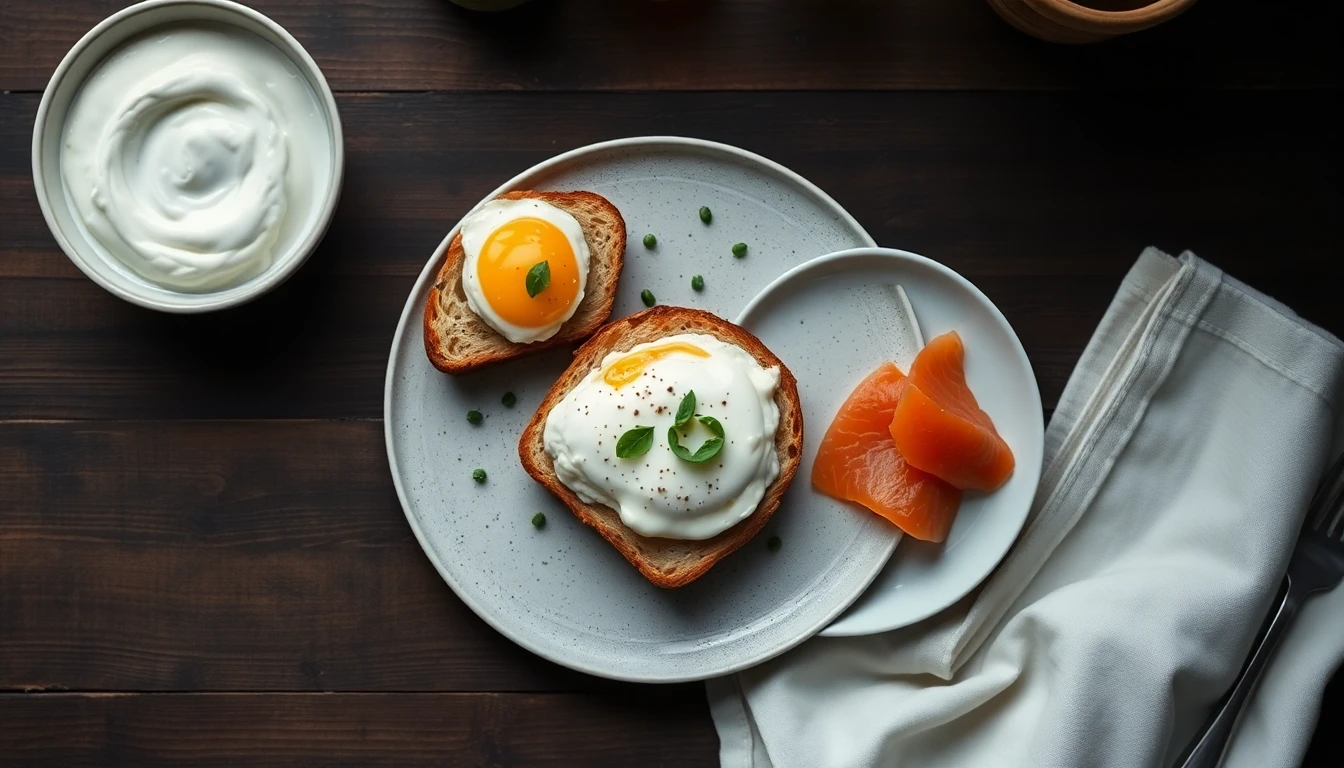
Scramble three large eggs with 50g cottage cheese for extra creaminess, then top with 50g smoked salmon. Serve on a slice of wholegrain toast. Total protein: approximately 35g. Prep time: 8 minutes.
Spanish-Style Omelette with Chorizo and Beans
Make a three-egg omelette filled with 30g diced chorizo and 100g tinned cannellini beans (drained and rinsed). The combination delivers around 32g protein plus fibre for sustained energy. Prep time: 12 minutes.
Egg and Greek Yoghurt Breakfast Bowl
Soft-boil three eggs (6 minutes in boiling water), then serve over 150g full-fat Greek yoghurt with cherry tomatoes, cucumber, and a drizzle of olive oil. Season with za'atar or dukkah. Total protein: approximately 31g. Prep time: 10 minutes.
Shakshuka with Feta
Poach three eggs in a quick tomato sauce (use a jar of passata with garlic, cumin, and paprika). Top with 30g crumbled feta cheese. Serve with a small wholemeal pitta. Total protein: around 30g. Prep time: 15 minutes.
High-Protein Vegetarian Breakfast Ideas
Meeting the 30-gram protein threshold without meat or fish requires combining complementary protein sources. These vegetarian options prove it's entirely achievable with common UK supermarket ingredients.
Greek Yoghurt Power Bowl
Combine 200g full-fat Greek yoghurt (20g protein) with 30g mixed nuts (6g protein), 2 tablespoons hemp seeds (6g protein), and a handful of berries. This delivers approximately 32g protein and healthy fats that support medication absorption for fat-soluble vitamins. Prep time: 5 minutes.
Peanut Butter Protein Pancakes
Blend 80g oats, 2 eggs, 1 banana, and 2 tablespoons peanut butter. Cook as small pancakes and top with an extra tablespoon of peanut butter and 100g Greek yoghurt. Total protein: approximately 33g. Prep time: 12 minutes.
Tofu Scramble with Nutritional Yeast
Crumble 200g firm tofu and fry with turmeric, black salt (for eggy flavour), cherry tomatoes, and spinach. Stir through 2 tablespoons nutritional yeast for a cheesy taste and B-vitamin boost. Serve on wholegrain toast. Total protein: around 30g. Prep time: 10 minutes.
Cottage Cheese Breakfast Bruschetta
Toast two slices of wholegrain bread, spread with 200g cottage cheese, and top with sliced tomatoes, basil, and balsamic glaze. Add 30g toasted pumpkin seeds on top. Total protein: approximately 34g. Prep time: 7 minutes.
High-Protein Porridge
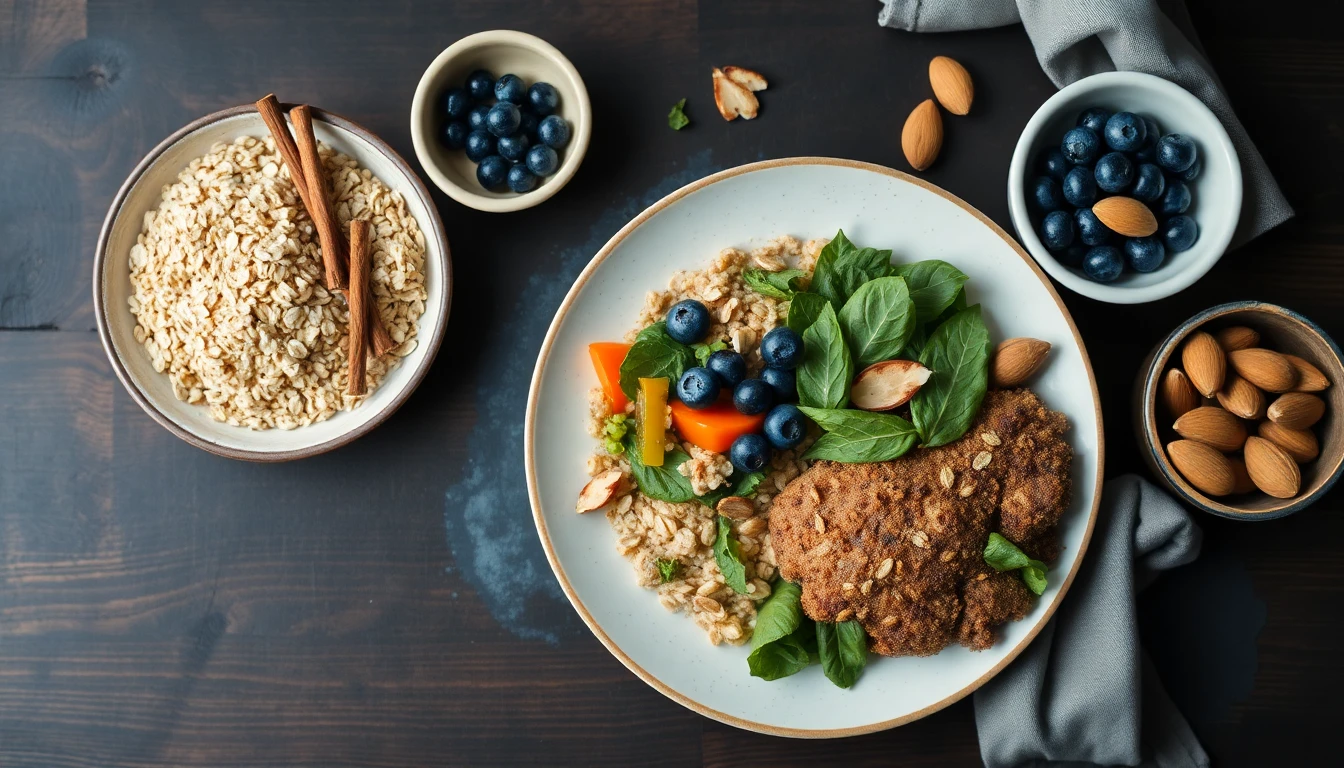
Cook 60g oats with 300ml milk (dairy or soy for best protein content). Stir in 30g vanilla protein powder and top with 2 tablespoons almond butter. This combination delivers around 35g protein. Prep time: 8 minutes.
Meat and Fish High-Protein Breakfast Options
For those who enjoy animal proteins, these ideas incorporate readily available UK ingredients for substantial, satisfying breakfasts.
Smoked Mackerel and Egg Plate
Serve one smoked mackerel fillet (approximately 20g protein) with two boiled eggs and half an avocado. Add cucumber and radish slices. Total protein: around 34g. Prep time: 8 minutes (while eggs boil).
Turkey and Cheese Breakfast Wrap
Fill a large wholemeal tortilla with 80g sliced turkey breast, 30g grated cheddar, scrambled egg (1 egg), and baby spinach. Warm in a dry pan until the cheese melts. Total protein: approximately 35g. Prep time: 10 minutes.
Full English Protein Plate
Grill two lean pork sausages (look for high-meat-content versions), serve with two poached eggs, 100g baked beans, and grilled tomatoes. Skip the toast to focus on protein. Total protein: around 32g. Prep time: 15 minutes.
Smoked Salmon and Cream Cheese Bagel
Toast a protein-enriched bagel, spread with 50g cream cheese, and top with 80g smoked salmon and rocket. Add capers and red onion for flavour. Total protein: approximately 30g. Prep time: 5 minutes.
Chicken Sausage and Bean Hash
Slice two chicken sausages and fry with diced peppers and 150g cannellini beans. Top with a fried egg. This quick hash delivers around 33g protein. Prep time: 12 minutes.
Kipper and Egg Breakfast
Grill or microwave one kipper fillet (following packet instructions), serve with two poached eggs and wilted spinach. A traditional UK breakfast delivering approximately 35g protein. Prep time: 10 minutes.
Practical Tips for High-Protein Breakfast Success
Making high-protein breakfasts a consistent habit requires some strategy, especially on busy weekday mornings. These practical approaches can help streamline your routine without compromising on nutrition.
- Prep protein components ahead — Hard-boil a batch of eggs on Sunday, pre-portion Greek yoghurt into containers, or cook extra chicken sausages that can be reheated
- Stock the right staples — Keep tins of beans, cottage cheese, Greek yoghurt, eggs, and frozen smoked fish in your regular shopping rotation
- Consider timing with medications — Some medications work best on an empty stomach, others with food. Check with your pharmacist whether your morning medicines should be taken before or after your high-protein breakfast
- Watch portion sizes with certain conditions — If you're managing kidney disease or taking medications that affect kidney function, discuss protein intake targets with your healthcare team, as very high protein diets may not be appropriate
- Balance protein with fibre — Include vegetables, wholegrains, or fruit alongside protein to support digestive health and provide essential micronutrients
- Stay hydrated — Higher protein intake increases your body's water requirements, so ensure you're drinking adequate fluids throughout the day
Protein and Medication Interactions
Certain medications interact with specific proteins or nutrients commonly found in high-protein foods. For instance, if you're taking warfarin, consistency in vitamin K intake matters—so if you regularly include spinach or other leafy greens in your breakfast, maintain similar amounts daily rather than having them sporadically. Those on levothyroxine should leave a gap between taking their medication and consuming high-calcium foods like yoghurt or cheese, as calcium can reduce absorption.
Making It Work on a Budget
High-protein breakfasts needn't be expensive. Eggs remain one of the most affordable protein sources in the UK. Tinned fish like mackerel or sardines cost less than fresh and have a long shelf life. Own-brand Greek yoghurt and cottage cheese offer excellent value, and buying larger tubs works out cheaper per serving. Dried beans and lentils, while requiring advance cooking, cost pennies per portion and freeze brilliantly in meal-sized containers.
How FreshPlate Can Help You Plan High-Protein Breakfasts
Working out which high-protein breakfast fits your medications, health conditions and dietary preferences can feel like a lot. FreshPlate is built to take some of that weight, starting with a few questions when you set up.
Every recipe the app generates is built around your own medication list. You add each medicine by brand or generic name from the NHS's own medicines list, and the app reads it by its active ingredient, so a brand such as Lipitor gets the atorvastatin rules. On the For you tab of every recipe, your medicines are listed. For those where the free interaction checker has quoted the NHS or US FDA words on food, you can open that advice word for word, with a link to the checker page. For the rest, it tells you there is no advice on file yet and points you to your pharmacist. A few interactions are hard blocks, such as grapefruit with certain statins, and everything else is advisory.
Beyond medications, FreshPlate steers towards what public UK guidance (NHS, BDA) says suits your health conditions, though it never claims to treat, prevent or cure anything. It treats fatal allergens with zero tolerance, and onboarding asks about cultural and religious food preferences, such as halal, kosher, Caribbean or South Asian, so recipes respect them. The For you tab also shows what was actually checked for each recipe, why it suits your goal and conditions, and whether it fits what is left of your day. You can then keep the breakfasts you like and they go onto a shopping list.
Frequently asked questions
How much protein should I eat for breakfast?
+
Aiming for 25-30 grams of protein at breakfast supports muscle protein synthesis and helps maintain satiety until lunch. This amount appears to be a threshold for optimally stimulating the body's muscle-building processes, though individual needs vary based on age, activity level, and health conditions.
What is a good high-protein breakfast for vegetarians?
+
Vegetarian high-protein breakfasts can include Greek yoghurt with nuts and seeds, tofu scramble, cottage cheese with wholegrain toast, or protein-enriched porridge with nut butter. Combining different plant protein sources (like oats with nuts, or beans with seeds) provides a complete amino acid profile.
Is 30g of protein too much for breakfast?
+
For most healthy adults, 30 grams of protein at breakfast is safe and beneficial. However, those with kidney disease or certain other conditions should discuss protein intake with their healthcare provider, as their requirements may differ.
Can I eat high-protein breakfast if I take medication?
+
Yes, though some medications have specific timing or dietary considerations. For example, levothyroxine should be taken separately from high-calcium foods, and warfarin requires consistent vitamin K intake. Check with your pharmacist about your specific medications.
What is the quickest high-protein breakfast?
+
Greek yoghurt with nuts and seeds takes under 5 minutes and delivers 30g+ protein. Other quick options include boiled eggs prepared in advance, smoked fish with cream cheese on toast, or a protein smoothie with Greek yoghurt, milk, nut butter, and oats.
Sources
Did this answer your question?
Reece reads every reply. Questions we have not covered become new guides.
Enjoyed these? There’s more where they came from.
Get fresh high protein recipes and meal ideas by email — practical, healthy, and built for real weeknights. One genuinely useful email a week — no spam, unsubscribe anytime.
Free forever. You'll also be first in line for the FreshPlate app — with a free trial at launch.