Hypothyroidism Diet Foods: What to Eat and What to Avoid
Learn which foods support thyroid function and which may interfere with your hypothyroidism treatment. Evidence-based guidance on iodine, selenium, and goitrogens.

By Reece Douglas · Founder, FreshPlate
Listen to this article
Hypothyroidism Diet Foods: What to Eat and What to Avoid
If you've been diagnosed with hypothyroidism, you've likely been prescribed levothyroxine to replace the thyroid hormone your body isn't producing in sufficient quantities. But you may be wondering whether your diet can support your thyroid health or potentially interfere with your treatment. The relationship between food and thyroid function is more nuanced than many headlines suggest, but understanding a few key principles can make a genuine difference.
This guide cuts through the confusion around hypothyroidism diet foods. We'll explore which nutrients your thyroid needs to function optimally, which foods may interfere with medication absorption, and what the evidence actually says about controversial topics like soy and goitrogens. Whether you're newly diagnosed or have been managing hypothyroidism for years, these evidence-based insights will help you make informed choices at every meal.
Essential Nutrients for Thyroid Function
Your thyroid gland requires specific nutrients to produce hormones effectively. Even when you're taking thyroid hormone replacement medication, ensuring adequate intake of these nutrients supports overall thyroid health and helps your body utilise the medication properly.
Iodine: The Building Block
Iodine is an essential component of thyroid hormones. Without sufficient iodine, your thyroid cannot produce the hormones T3 and T4. However, the relationship between iodine and hypothyroidism is complex. In the UK, most people obtain adequate iodine through dairy products, fish, and iodised salt, but deficiency can still occur, particularly in those following plant-based diets or avoiding dairy.
That said, excessive iodine supplementation can actually worsen some types of hypothyroidism, particularly autoimmune thyroid disease. Unless you've been diagnosed with iodine deficiency by your doctor, aim to meet your needs through food rather than high-dose supplements.
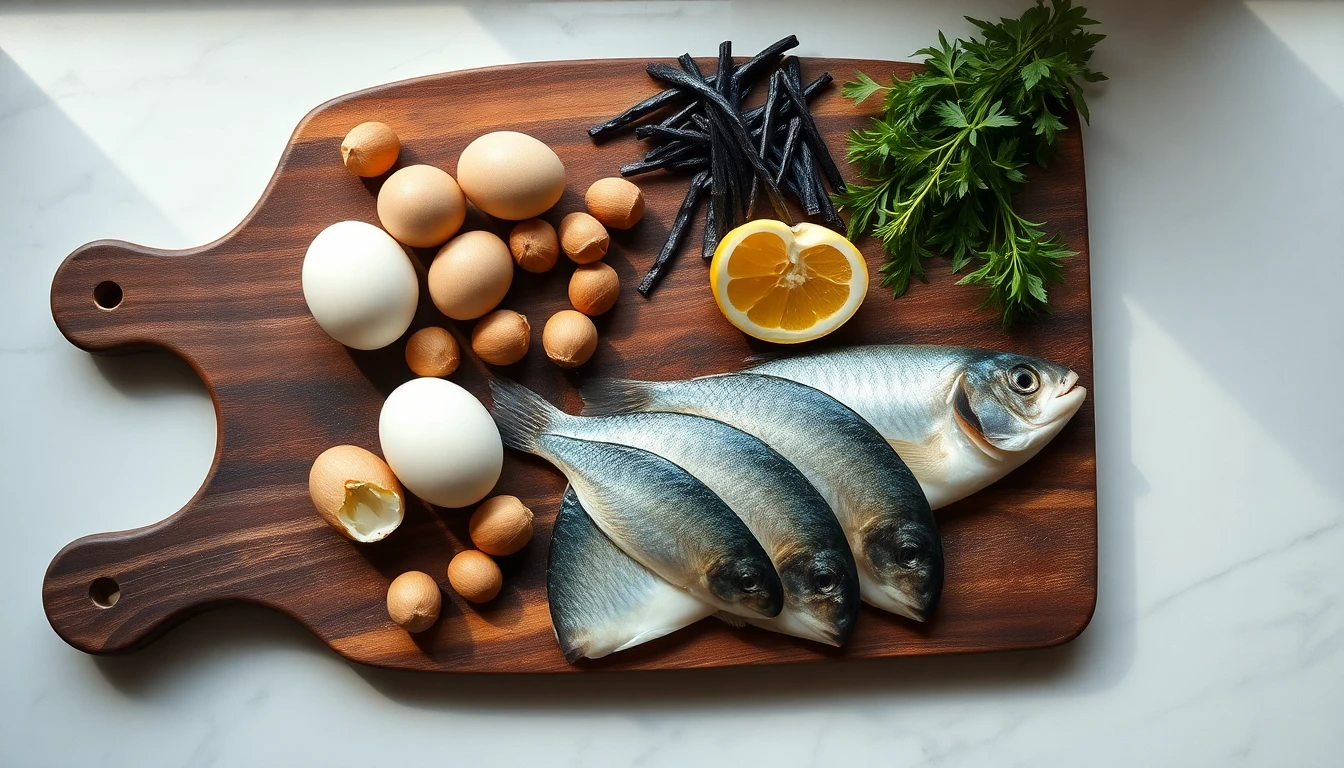
- White fish — cod, haddock, and pollack provide 90-115 mcg per 100g serving
- Dairy products — milk, yoghurt, and cheese offer 50-80 mcg per serving
- Eggs — one large egg contains approximately 24 mcg of iodine
- Seaweed — use cautiously as iodine content varies wildly; nori and wakame are more moderate choices than kelp
Selenium: The Conversion Catalyst
Selenium is crucial for converting the inactive thyroid hormone T4 into its active form T3. This mineral also protects the thyroid gland from oxidative stress. Research has shown that selenium deficiency is associated with thyroid disorders, and adequate intake supports thyroid function.
The good news is that just two Brazil nuts daily typically provide all the selenium you need. However, selenium content in foods varies depending on soil conditions where they're grown, so varying your sources is wise.
- Brazil nuts — just 2-3 nuts provide your daily requirement (but don't overdo it)
- Fish and seafood — particularly tuna, sardines, and prawns
- Meat and poultry — beef, turkey, and chicken are reliable sources
- Eggs — another reason to include them regularly
Other Supportive Nutrients
Several other nutrients play supporting roles in thyroid health. Zinc and vitamin D are involved in thyroid hormone production and metabolism, whilst iron is necessary for the enzyme that produces thyroid hormones. B vitamins, particularly B12, support energy metabolism which is often compromised in hypothyroidism.
The Goitrogen Question: Raw Versus Cooked
Goitrogens are naturally occurring compounds in certain foods that can interfere with thyroid function by blocking iodine uptake. This has led to widespread concern about foods like broccoli, kale, and cabbage in people with hypothyroidism. However, the reality is far more reassuring than the restrictions you might have read about online.
The key factor is preparation. Cooking significantly reduces goitrogenic compounds, rendering them virtually harmless in normal dietary amounts. You would need to consume these vegetables in extraordinarily large quantities, whilst raw, to cause any thyroid interference. For most people with hypothyroidism taking thyroid medication, cooked cruciferous vegetables pose no risk whatsoever.
Goitrogenic Foods and How to Enjoy Them
Rather than avoiding these highly nutritious vegetables, simply ensure they're cooked. Steaming, roasting, sautéing, or boiling all substantially reduce goitrogenic activity.
- Cruciferous vegetables — broccoli, cauliflower, Brussels sprouts, cabbage, and kale are all fine when cooked
- Soy products — more on this below, but cooking also reduces goitrogenic effects
- Root vegetables — turnips, swede, and cassava; again, cooking is key
- Millet — this grain contains goitrogens, but standard cooking makes it safe in moderate amounts
When Goitrogens Might Matter
There are specific situations where goitrogen intake deserves more attention. If you have iodine deficiency alongside hypothyroidism, the combination of low iodine and high goitrogen intake could be problematic. Similarly, if you're drinking large amounts of raw vegetable juices or consuming raw cruciferous vegetables in significant quantities daily, you might want to reconsider. For everyone else with well-managed hypothyroidism on medication, there's no need to restrict these valuable vegetables from your diet.
The Soy Controversy: What the Evidence Actually Shows
Few topics generate more confusion than soy and thyroid health. You'll find dire warnings online claiming soy will worsen hypothyroidism, alongside other sources insisting it's perfectly safe. What does the science actually tell us?
Soy contains isoflavones, which are goitrogenic compounds. Early research suggested that soy might interfere with thyroid function, but more recent and rigorous studies paint a different picture. In people with adequate iodine intake and properly managed hypothyroidism on medication, moderate soy consumption does not adversely affect thyroid function or hormone levels.
The primary concern with soy relates to thyroid medication absorption rather than thyroid function itself. Soy products can reduce the absorption of levothyroxine if consumed at the same time. This is why timing matters more than avoidance.
Practical Guidance on Soy Foods
If you enjoy soy products or follow a plant-based diet, you don't need to eliminate them. Instead, focus on consistency and timing. Take your levothyroxine on an empty stomach, and wait at least 30-60 minutes before consuming soy products. If you eat soy regularly, your doctor can monitor your thyroid levels and adjust your medication dose accordingly.
- Soy milk — use it in your coffee, just not within an hour of taking thyroid medication
- Tofu and tempeh — excellent protein sources that won't harm your thyroid when eaten as part of balanced meals
- Edamame — enjoy these protein-rich beans without worry
- Soy sauce — the small amounts used in cooking are not a concern
Foods and Supplements That Interfere With Medication
Whilst most foods can be enjoyed by people with hypothyroidism, certain foods and supplements can interfere with levothyroxine absorption. This doesn't mean you need to avoid them entirely, but you do need to time them properly in relation to your medication.
The golden rule for levothyroxine is to take it on an empty stomach with water, ideally 30-60 minutes before breakfast. This maximises absorption and minimises interference from food and other substances.
- Calcium supplements and calcium-rich foods — wait at least four hours after taking levothyroxine before consuming calcium supplements or large amounts of dairy
- Iron supplements — these significantly reduce levothyroxine absorption; separate by at least four hours
- Coffee — even black coffee can reduce absorption by up to 30%; wait at least 30-60 minutes
- High-fibre foods — whilst healthy, consuming large amounts of fibre immediately with medication can reduce absorption
- Grapefruit juice — may affect medication metabolism; best avoided or consumed well away from medication timing
- Walnuts — contain compounds that may reduce absorption; enjoy them at lunch or dinner rather than breakfast
Why Timing Matters More Than Restriction
Understanding medication timing empowers you to include nutritious foods without compromising your treatment. The interference these foods cause is about absorption, not a fundamental incompatibility. By spacing your medication and meals appropriately, you maintain the effectiveness of your levothyroxine whilst enjoying a varied, nutrient-rich diet.
Building Your Hypothyroidism-Friendly Diet
Rather than focusing on restrictions, think about building a diet that supports your overall health whilst respecting the few timing considerations your medication requires. A balanced approach includes plenty of nutrient-dense whole foods, adequate protein, healthy fats, and abundant vegetables.
Daily Eating Patterns That Work
Structure your day around your medication schedule. Take levothyroxine first thing in the morning with water, then use the waiting time to shower, dress, or prepare breakfast. By the time you're ready to eat, sufficient time has passed for optimal absorption.
- Breakfast — eggs with cooked vegetables, porridge with berries and seeds, or yoghurt with fruit
- Lunch and dinner — include a palm-sized portion of protein (fish, poultry, meat, or plant-based alternatives), plenty of cooked vegetables including cruciferous varieties, and wholegrains or starchy vegetables
- Snacks — a small handful of nuts (including those Brazil nuts), fruit, or vegetable sticks with hummus
Foods to Emphasise
Focus on foods that provide the nutrients your thyroid needs whilst supporting your overall wellbeing. Many people with hypothyroidism struggle with fatigue, weight management, and digestive issues, so choosing foods that address these concerns makes sense.
- Fatty fish — salmon, mackerel, and sardines provide iodine, selenium, and anti-inflammatory omega-3 fats
- Eggs — an excellent source of iodine, selenium, and protein
- Colourful vegetables — cooked cruciferous vegetables, leafy greens, peppers, and squash provide fibre and antioxidants
- Wholegrains — oats, brown rice, and quinoa offer B vitamins and sustained energy
- Legumes — beans and lentils provide protein, iron, and fibre (just separate pulses from iron supplements)
How FreshPlate Can Help You Eat Well with Hypothyroidism
Managing hypothyroidism involves keeping an eye on medication, nutrients and food. When you tell FreshPlate about your condition, the app steers rather than prescribes: recipes lean towards what public UK guidance (NHS, BDA) says suits the condition, and the app never claims to treat, prevent or cure anything.
Every recipe has a For you tab that shows what was actually checked for you, such as allergens, diet and religious rules, and a food the app cannot verify is only ever noted, never ticked. It also gives a line on why the recipe suits your goal and conditions, and whether it fits what is left of your day. The Progress tab then reads like your story: it shows how the day is going, why, and what to do next, with a "How we worked this out" tap behind every number, and guidance named by body (NHS, WHO, UK RNI).
If you take levothyroxine or any other medicine, there is no specific rule in FreshPlate for it, so please talk to your pharmacist or GP about timing and about foods and supplements. You can also look up any medication by name in our free food–medication interaction checker at /website/tools/food-medication-checker/, and see how the app works at /website/#how-it-works.
Frequently asked questions
Can I eat broccoli and kale if I have hypothyroidism?
+
Yes, you can safely eat cooked broccoli, kale, and other cruciferous vegetables. Cooking significantly reduces their goitrogenic compounds, making them harmless in normal dietary amounts. These vegetables are highly nutritious and should be included in a balanced hypothyroidism diet.
Should I avoid soy if I have an underactive thyroid?
+
No, you don't need to avoid soy products. While soy can reduce levothyroxine absorption if consumed at the same time, moderate soy intake doesn't harm thyroid function when you have adequate iodine and take medication properly. Simply wait 30-60 minutes after taking thyroid medication before consuming soy.
What is the best breakfast for hypothyroidism?
+
The best breakfast is one eaten 30-60 minutes after taking your levothyroxine. Good options include eggs with cooked vegetables, porridge with berries and seeds, or Greek yoghurt with fruit. Avoid taking calcium supplements, iron supplements, or drinking coffee until sufficient time has passed after your medication.
Do I need iodine supplements for hypothyroidism?
+
Most people in the UK obtain adequate iodine through food without supplementation. Unless your doctor has diagnosed iodine deficiency, focus on iodine-rich foods like fish, dairy, and eggs rather than high-dose supplements, which can actually worsen some types of hypothyroidism.
How long should I wait to eat after taking levothyroxine?
+
Wait at least 30-60 minutes after taking levothyroxine before eating breakfast. This allows optimal absorption of your medication. You should also wait at least four hours before taking calcium or iron supplements, as these significantly interfere with thyroid medication absorption.
Sources
Did this answer your question?
Reece reads every reply. Questions we have not covered become new guides.
The right foods make living with hypothyroidism easier.
Get our free hypothyroidism food guide by email — what to eat more of, what to limit, and simple meals that support you day to day. One genuinely useful email a week — no spam, unsubscribe anytime.
Free forever. You'll also be first in line for the FreshPlate app — with a free trial at launch.