Iron Absorption Foods: What Helps & What Hinders
Discover which foods boost iron absorption and which block it. Learn about vitamin C, tannins, calcium, phytates, and optimal meal combinations for better iron intake.

By Reece Douglas · Founder, FreshPlate
Listen to this article
Iron Absorption Foods: What Helps & What Hinders
You might be eating plenty of iron-rich foods yet still feeling fatigued, short of breath, or dealing with persistent anaemia. The problem often isn't how much iron you're consuming—it's how much your body actually absorbs. Iron absorption is remarkably sensitive to the company it keeps at mealtimes, with some foods amplifying uptake by several hundred percent and others blocking it almost entirely.
Understanding iron absorption foods—both enhancers and inhibitors—transforms how you plan meals, particularly if you're managing iron-deficiency anaemia, following a plant-based diet, or taking iron supplements. This guide explores the science behind iron absorption and provides practical strategies for optimising your iron status through informed food combinations.
How Iron Absorption Actually Works
Your small intestine absorbs iron through two distinct pathways, each responding differently to dietary factors. Haem iron, found in meat, poultry, and fish, enters intestinal cells relatively easily and maintains absorption rates of 15-35% regardless of what else you eat. Non-haem iron, present in plant foods, fortified products, and supplements, faces far more obstacles and typically achieves absorption rates of just 2-20%.
The difference matters enormously. Non-haem iron exists as ferric iron (Fe³⁺) in food and must be converted to ferrous iron (Fe²⁺) before your intestinal cells can absorb it. This conversion happens in your stomach's acidic environment and continues in the small intestine—but numerous dietary compounds interfere with this delicate process.
Your body also regulates iron absorption based on current needs. When iron stores run low, absorption efficiency increases. When stores are adequate, a hormone called hepcidin reduces absorption to prevent overload. This intelligent system means that strategic food pairing becomes even more important when you're iron deficient, as your body is primed to make the most of dietary iron.
Iron Absorption Enhancers: Foods That Boost Uptake
Certain nutrients and food compounds act as powerful enhancers of non-haem iron absorption, sometimes increasing uptake by 300% or more. Building meals around these combinations is one of the most effective dietary strategies for improving iron status.
Vitamin C: The Most Powerful Enhancer
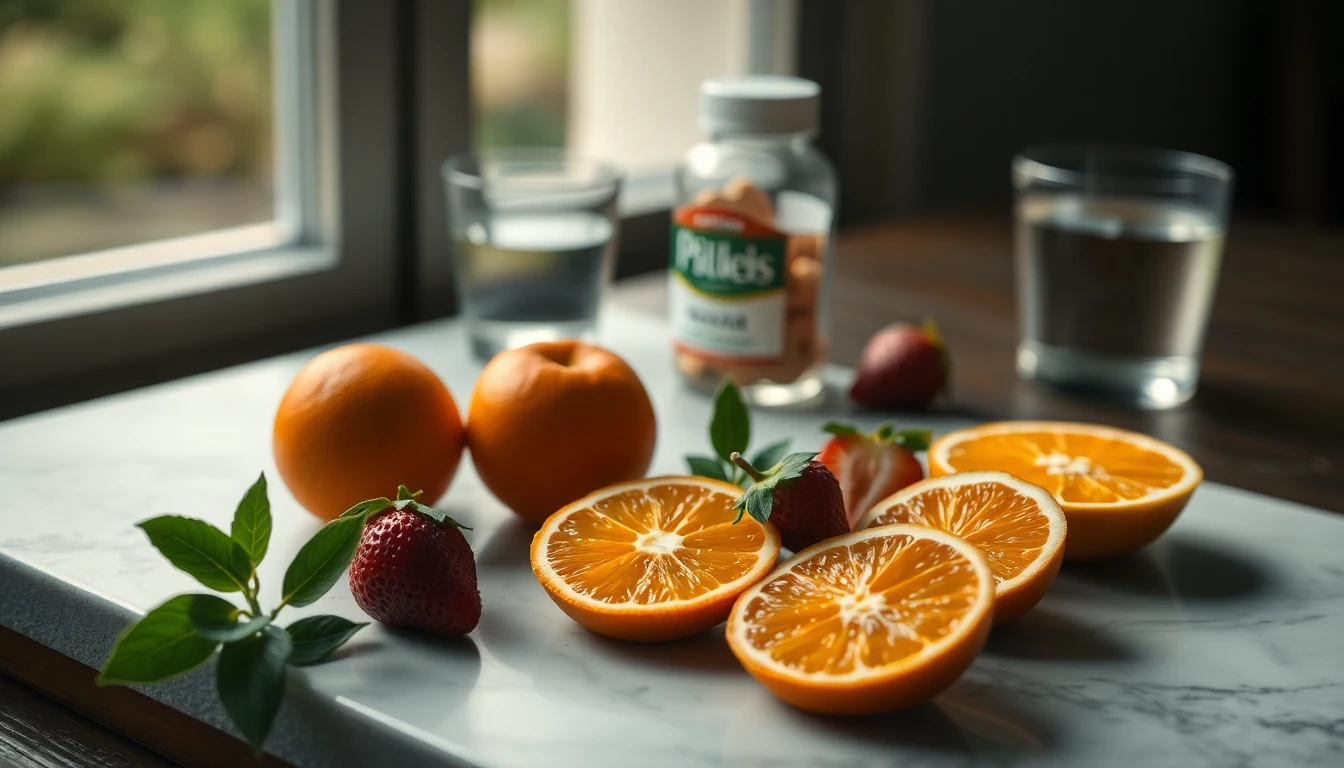
Ascorbic acid (vitamin C) is the champion of iron enhancers, forming soluble complexes with iron that remain available for absorption even in the presence of inhibitors. Research shows that just 25mg of vitamin C can increase iron absorption from a meal by up to 300%, whilst 100mg or more can overcome the inhibitory effects of phytates and tannins.
- Citrus fruits — oranges, grapefruit, lemons, and limes provide 50-70mg vitamin C per serving
- Bell peppers — red peppers contain more vitamin C than oranges, with 190mg per large pepper
- Strawberries — eight medium strawberries deliver about 100mg vitamin C
- Kiwi fruit — one medium kiwi provides 70mg vitamin C
- Tomatoes — fresh or tinned, tomatoes add both vitamin C and citric acid
- Broccoli and Brussels sprouts — 80mg vitamin C per cooked serving
Other Organic Acids
Beyond vitamin C, other organic acids also enhance iron absorption, though less dramatically. Citric acid, malic acid, and lactic acid all help keep iron in a soluble, absorbable form.
- Fermented foods — sauerkraut, kimchi, and pickled vegetables provide lactic acid
- Vinegar-based dressings — acetic acid in vinegar supports iron solubility
- Apple and other fruit acids — malic acid provides modest enhancement
- Sourdough bread — fermentation reduces phytates whilst adding beneficial acids
Animal Proteins and the 'Meat Factor'
Meat, poultry, and fish contain what researchers call the 'meat factor'—a not-fully-understood mechanism that enhances non-haem iron absorption from plant foods eaten at the same meal. This effect occurs even with small amounts of animal protein, making mixed meals particularly effective for iron absorption.
- Red meat — beef, lamb, and pork provide haem iron plus enhancement of plant iron
- Poultry — chicken and turkey offer the meat factor with lower fat content
- Fish and shellfish — particularly effective enhancers, with added omega-3 benefits
- Even small portions help — as little as 50-75g of meat enhances iron from the entire meal
Iron Absorption Inhibitors: What Blocks Uptake
Several plant compounds and minerals significantly reduce iron absorption when consumed alongside iron-rich foods. Understanding these inhibitors doesn't mean avoiding nutritious foods—it means timing them strategically.
Tannins in Tea, Coffee, and Wine
Polyphenols called tannins bind to non-haem iron in the digestive tract, forming insoluble complexes that your body cannot absorb. A single cup of tea with a meal can reduce iron absorption by 60-70%, whilst coffee may reduce it by up to 40%. The inhibitory effect depends on the strength of the brew and timing relative to meals.
- Black tea — the most potent inhibitor, particularly strong breakfast teas
- Coffee — both regular and decaffeinated varieties inhibit absorption
- Red wine — tannins in red wine reduce iron uptake, white wine less so
- Timing matters — drinking tea or coffee one hour before or two hours after meals minimises interference
- Herbal alternatives — rooibos, peppermint, and chamomile teas contain negligible tannins
Calcium: The Double-Edged Mineral
Calcium competes with iron for absorption pathways in the intestine. Consuming more than 300-600mg of calcium with an iron-rich meal can reduce iron absorption by 30-50%. This presents a particular challenge since both minerals are essential nutrients, and many people need to boost intake of both.
- Dairy products — milk, yoghurt, and cheese are calcium-rich iron inhibitors
- Calcium-fortified alternatives — fortified plant milks have the same inhibitory effect
- Calcium supplements — particularly problematic if taken with iron supplements or iron-rich meals
- Strategic timing — separate calcium-rich foods from iron-rich meals by 2-3 hours when possible
- Individual needs vary — if you need both nutrients, prioritise whichever you're more deficient in
Phytates: The Plant Compound Paradox
Phytic acid (phytates) binds minerals including iron, zinc, and calcium, reducing their absorption. Found in wholegrains, legumes, nuts, and seeds—all nutritious foods—phytates present a genuine dilemma. However, food preparation methods can significantly reduce phytate content whilst preserving nutritional value.
- Wholegrains — wheat bran, brown rice, and oats contain substantial phytates
- Legumes — beans, lentils, and chickpeas are both iron-rich and phytate-rich
- Nuts and seeds — particularly Brazil nuts, almonds, and sesame seeds
- Soaking — soaking beans, grains, and nuts for 12-24 hours reduces phytates by 30-50%
- Sprouting — germinating grains and legumes dramatically reduces phytate content
- Fermentation — sourdough preparation, tempeh, and miso reduce phytates significantly
- Cooking — pressure cooking and long simmering times decrease phytate levels
Other Inhibitors Worth Noting
Several other compounds can interfere with iron absorption, though usually less dramatically than tannins, calcium, or phytates.
- Oxalates — found in spinach, rhubarb, and Swiss chard, they bind iron in the food itself
- Egg proteins — both egg whites and yolks contain proteins that inhibit iron absorption
- Soy protein — the protein component of soy products (not just phytates) reduces absorption
- Zinc supplements — high-dose zinc competes with iron for absorption pathways
Practical Meal Combinations for Optimal Iron Absorption
Understanding individual enhancers and inhibitors is useful, but real meals contain multiple foods interacting simultaneously. Here's how to build iron-friendly meals that actually work in daily life.
- Breakfast boost — iron-fortified cereal with strawberries and kiwi (not with milk—try fortified oat milk separately)
- Lentil soup pairing — red lentil soup with tomatoes and red peppers, served with sourdough bread, tea served an hour later
- Spinach salad strategy — raw spinach (oxalates reduced) with orange segments, strawberries, and grilled chicken
- Bean chilli winner — kidney beans with tinned tomatoes, peppers, and a small amount of lean beef mince
- Tofu stir-fry solution — firm tofu with broccoli, peppers, and a squeeze of lemon juice, avoiding calcium-set tofu if iron is the priority
- Timing your supplements — take iron supplements with orange juice in the evening, at least two hours after dinner and your calcium supplement
- The compromise breakfast — if you can't give up morning tea, have porridge with dried apricots and wait 30 minutes before your cuppa
Special Considerations for Different Needs
Certain groups face particular challenges with iron absorption and may need tailored strategies.
Plant-Based Diets
Vegetarians and vegans rely entirely on non-haem iron, which is more susceptible to inhibitors. The key is combining multiple enhancement strategies: vitamin C with every iron-rich meal, reducing phytates through preparation methods, and carefully timing tea and coffee consumption. Iron requirements may be 1.8 times higher for those following plant-based diets.
Iron Deficiency Anaemia
When actively treating anaemia with supplements or dietary changes, maximising absorption becomes critical. Take iron supplements with vitamin C-rich juice on an empty stomach if tolerated, or with a small vitamin C-rich snack if gastric side effects are problematic. Avoid all major inhibitors within two hours of iron intake.
Medication Interactions
Several medications affect iron absorption or are affected by iron. Proton pump inhibitors and H2-receptor antagonists reduce stomach acid, impairing iron absorption. Thyroid hormones, some antibiotics, and bisphosphonates should be taken at least two hours away from iron supplements. Always consult your pharmacist about timing.
How FreshPlate Helps You Keep Track of Iron and Your Medicines
Juggling iron enhancers, inhibitors, medicines and personal preferences whilst planning three meals a day can quickly feel overwhelming. FreshPlate gives you a few tools that take some of the weight off.
Every recipe the app generates is built around your own medication list. You add each medicine by brand or generic name from the NHS's own medicines list, and the app reads it by its active ingredient. The For you tab on every recipe and meal lists your medicines; for about 170 of them, it opens the words about food from their own NHS page or US FDA label, quoted word for word, with a link to the checker page. The rest say there is no advice on file yet and point you to your pharmacist. You can also try the free food–medication interaction checker on the website: type a medication or its brand name and see the foods to watch in seconds.
Meanwhile, the Progress tab shows how your day is going, why, and what to do next, with a minerals-and-vitamins panel measured against targets set for your body. Behind every number, a "How we worked this out" tap names the guidance used, such as the NHS, WHO or UK RNI. FreshPlate doesn't treat or prevent anything, so if you have low iron, anaemia or take iron supplements, talk to your GP or pharmacist about what is right for you.
Frequently asked questions
Should I avoid tea and coffee completely if I have low iron?
+
No need to eliminate them entirely. Simply time your tea and coffee at least one hour before or two hours after iron-rich meals. This spacing prevents the tannins from interfering with iron absorption whilst still allowing you to enjoy these beverages.
Can I take calcium and iron supplements together?
+
It's best to separate them by at least two hours. Calcium significantly reduces iron absorption when taken simultaneously. Many people take iron in the evening and calcium in the morning, or vice versa, to maximise absorption of both minerals.
Does cooking spinach improve its iron absorption?
+
Yes and no. Cooking reduces oxalates that bind iron, but spinach remains a poor iron source compared to legumes or meat. The iron in spinach is better absorbed when cooked and paired with vitamin C-rich foods like tomatoes or peppers.
How much vitamin C do I need to enhance iron absorption?
+
Research shows that 25-100mg of vitamin C consumed with a meal significantly enhances iron absorption. This is roughly equivalent to half an orange, one kiwi fruit, or 100g of strawberries—easily achievable in everyday meals.
Are cast iron pans really a good source of iron?
+
Cooking acidic foods like tomato sauce in cast iron cookware does increase the iron content of food, sometimes substantially. However, this shouldn't replace dietary iron sources or supplements if you're iron deficient. Consider it a helpful bonus rather than a primary strategy.
Sources
Did this answer your question?
Reece reads every reply. Questions we have not covered become new guides.
Make iron one less thing to worry about.
Get our free iron guide by email — the best food sources, what helps and hinders absorption, and a week of meal ideas. One genuinely useful email a week — no spam, unsubscribe anytime.
Free forever. You'll also be first in line for the FreshPlate app — with a free trial at launch.