Iron Deficiency Anaemia Foods: What to Eat to Boost Levels
Discover the best foods for iron deficiency anaemia, including haem and non-haem sources, plus what helps or blocks absorption to optimise your iron intake.

By Reece Douglas · Founder, FreshPlate
Listen to this article
Iron Deficiency Anaemia Foods: What to Eat to Boost Levels
Iron deficiency anaemia affects roughly one in 20 men and postmenopausal women in the UK, and even more menstruating women. Feeling constantly tired, breathless, or noticing your skin looking paler than usual are all hallmark signs that your body isn't producing enough healthy red blood cells—often because it simply doesn't have enough iron to work with.
Whilst iron supplements prescribed by your GP play an important role in treating anaemia, what you eat matters enormously too. The right foods not only provide iron itself, but also help your body absorb it more effectively. This guide explains which iron-rich foods to prioritise, how to enhance absorption, and what to avoid at mealtimes if you're working to rebuild your iron stores.
Understanding Haem and Non-Haem Iron in Foods
Not all dietary iron is created equal. Iron comes in two forms—haem and non-haem—and your body handles them very differently. Understanding this distinction is the first step to building a diet that actually works for iron deficiency anaemia.
Haem iron is found exclusively in animal tissues, particularly in red meat, poultry, and fish. It's bound to proteins like haemoglobin and myoglobin, which is why it's called 'haem'. Your body absorbs haem iron efficiently—roughly 15 to 35 per cent of what you consume—and absorption isn't significantly affected by other foods you eat at the same meal.
Non-haem iron, on the other hand, comes from plant sources, fortified foods, and even the small amounts in eggs and dairy. Your body absorbs non-haem iron far less efficiently—typically only 2 to 20 per cent—and absorption is heavily influenced by what else is on your plate. This is why vegetarians and vegans need to be more strategic about iron intake, even though plenty of plant foods contain iron.
Best Haem Iron Food Sources
If you eat meat and fish, these foods offer the most bioavailable iron and should feature regularly in your meals:
- Liver and organ meats — chicken liver and lamb's liver are exceptionally rich in iron, providing over 10mg per 100g. They're also high in vitamin A, so limit intake if pregnant
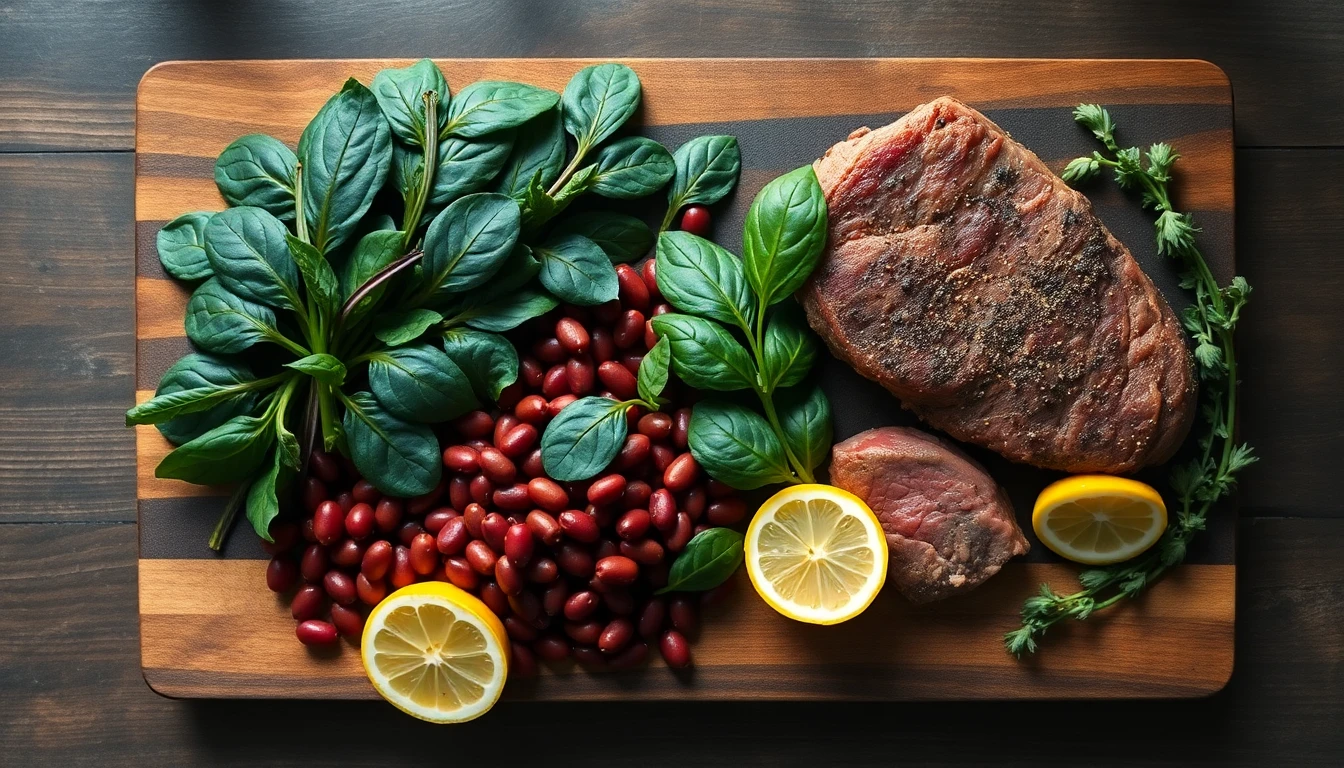
- Red meat — beef, lamb, and venison provide around 2–3mg of iron per 100g. Lean cuts work just as well as fattier options
- Shellfish — clams, mussels, and oysters are outstanding sources, with some varieties offering more than 20mg per 100g
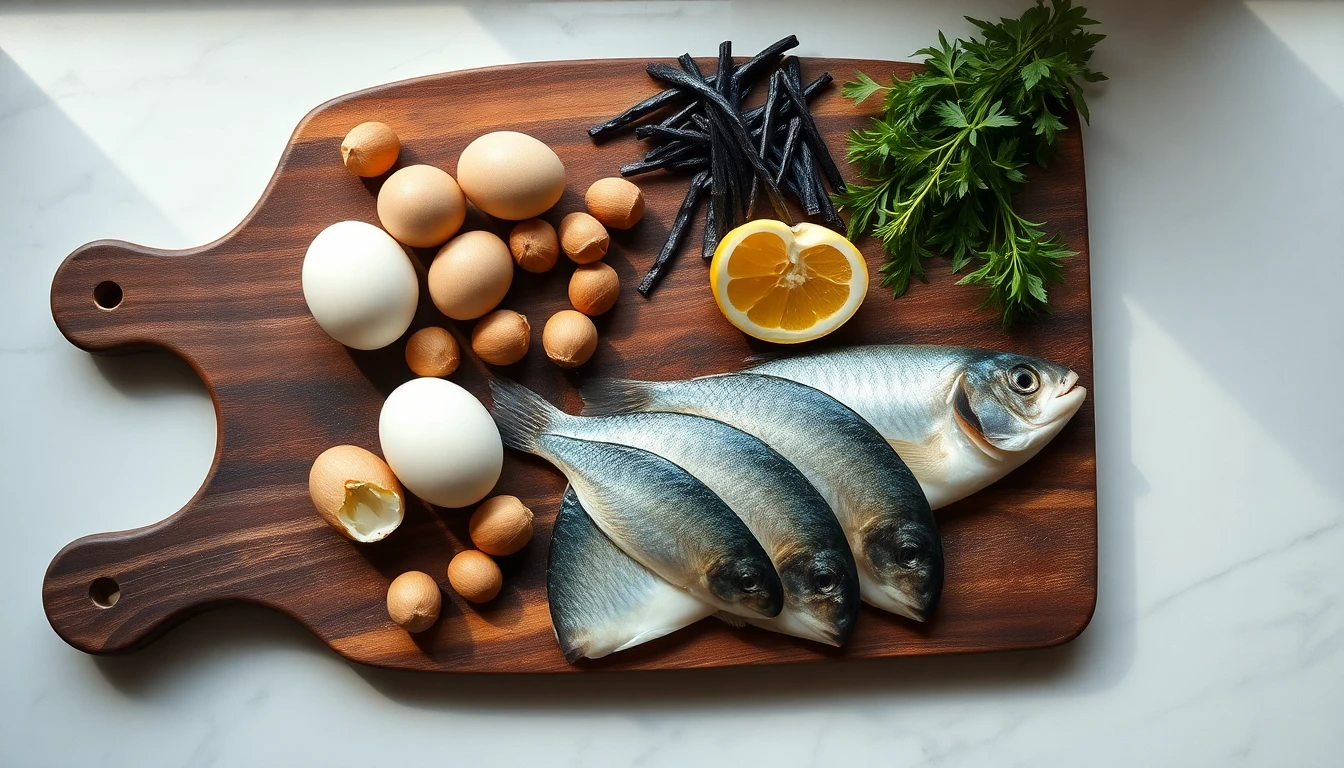
- Sardines and anchovies — tinned oily fish provide roughly 2–3mg per 100g, plus the convenience of long shelf life
- Poultry — chicken and turkey, especially darker meat like thighs, deliver around 1–2mg per 100g
Best Non-Haem Iron Food Sources
Plant-based and vegetarian sources of iron include:
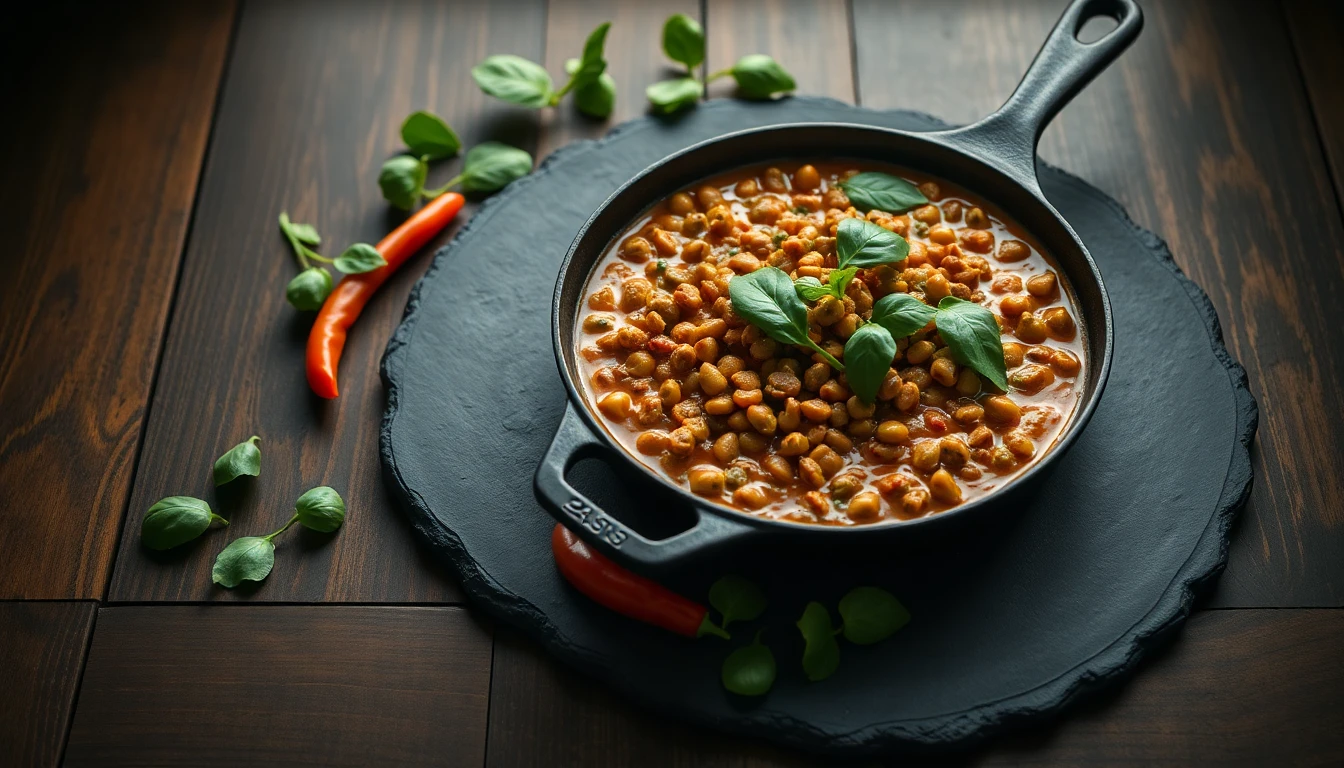
- Pulses and legumes — lentils, chickpeas, black beans, and kidney beans offer 2–4mg per cooked 100g serving. They're also rich in fibre and protein
- Tofu and tempeh — soya-based proteins provide around 2–3mg per 100g and absorb flavours beautifully in stir-fries and curries
- Dark leafy greens — spinach, kale, and Swiss chard contain 2–4mg per cooked 100g, though oxalates can reduce absorption slightly
- Quinoa — this pseudo-grain offers roughly 1.5mg per cooked 100g, plus all nine essential amino acids
- Fortified breakfast cereals — many contain added iron, sometimes providing 100 per cent of your daily requirement in a single serving. Check labels carefully
- Dried fruit — apricots, figs, and prunes supply around 2–3mg per 100g and make convenient snacks
- Nuts and seeds — pumpkin seeds, cashews, and pine nuts contain 3–4mg per 100g. Sprinkle them on salads or porridge
- Blackstrap molasses — a tablespoon provides roughly 3mg of iron, useful as a natural sweetener in baking
Iron Absorption Enhancers: What Helps Your Body Use Iron
Eating iron-rich foods is only half the battle. To manage iron deficiency anaemia effectively, you need to maximise how much iron your body actually absorbs. Several nutrients and food components act as powerful enhancers, particularly for non-haem iron.
Vitamin C: The Most Powerful Enhancer
Vitamin C is your best ally when it comes to iron absorption. It converts iron into a form that's easier for your intestines to take up, and can increase absorption of non-haem iron by up to four times. Pairing vitamin C-rich foods with iron-rich meals is one of the simplest and most effective dietary strategies for anaemia.
Excellent vitamin C sources to include at mealtimes include:
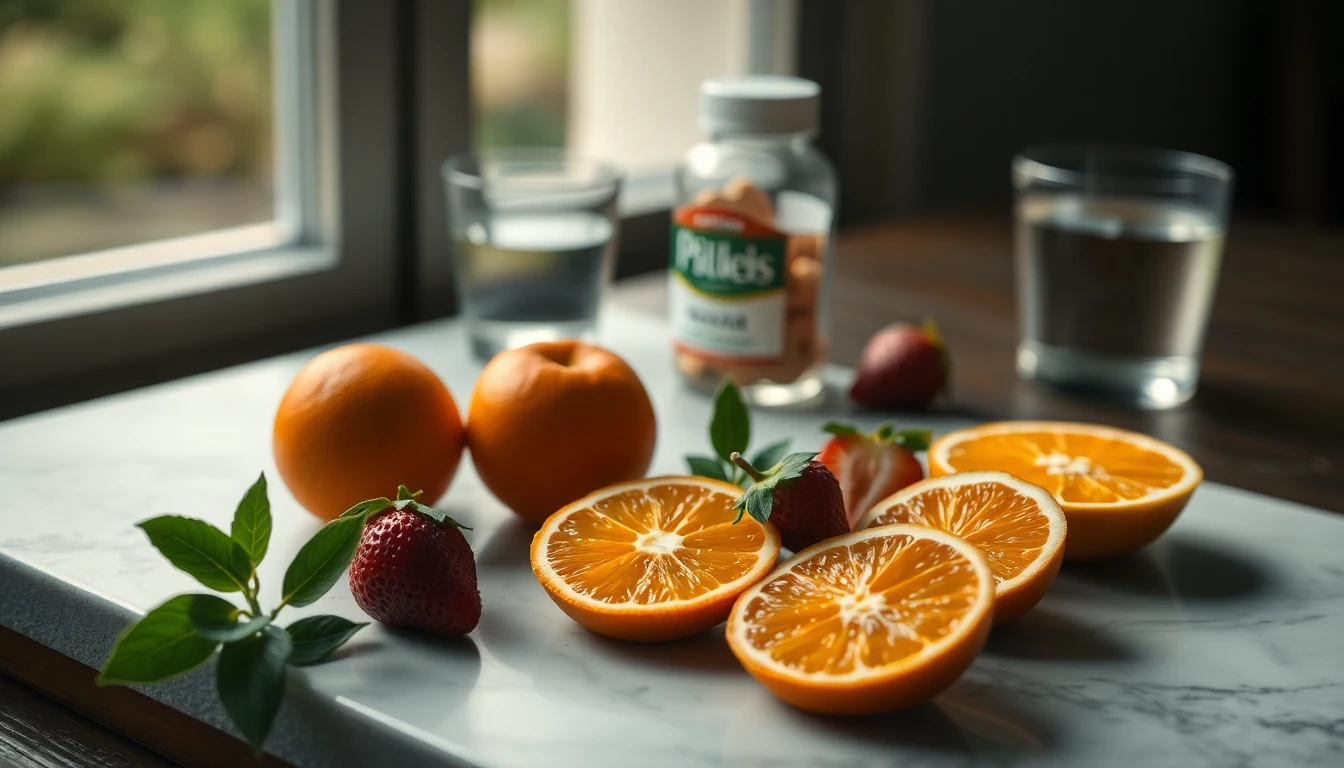
- Citrus fruits — oranges, grapefruit, and tangerines are classics. A glass of fresh orange juice with breakfast can significantly boost absorption from fortified cereals
- Berries — strawberries, blackcurrants, and kiwi fruit are all rich in vitamin C and pair well with yoghurt or porridge
- Peppers — red, yellow, and green peppers contain more vitamin C than oranges. Add them to stir-fries, salads, or omelettes
- Tomatoes — fresh or tinned, tomatoes provide vitamin C and work beautifully in pasta sauces, stews, and curries alongside iron-rich beans or lentils
- Broccoli and Brussels sprouts — these cruciferous vegetables offer vitamin C and can be roasted or steamed as side dishes
Other Absorption Enhancers
Whilst vitamin C takes centre stage, a few other dietary factors can help:
- Meat, fish, and poultry — even small amounts of animal protein can enhance absorption of non-haem iron from plant sources eaten at the same meal
- Fermented foods — sauerkraut, kimchi, and miso contain organic acids that may improve iron bioavailability, though research is still emerging
Iron Absorption Blockers: What to Avoid at Mealtimes
Just as some foods help absorption, others actively hinder it. This doesn't mean you need to eliminate these foods entirely—they often have their own nutritional benefits—but timing matters. Try to separate these items from your main iron-rich meals by at least an hour or two.
- Tea and coffee — tannins and polyphenols in both black and green tea, as well as coffee, can reduce non-haem iron absorption by up to 60 per cent. Drinking tea with your meal is one of the most common mistakes people make when trying to improve iron levels
- Calcium-rich foods and supplements — calcium competes with iron for absorption. Whilst dairy products are nutritious, avoid having milk, cheese, or yoghurt at the same time as your most iron-rich meal. The same applies to calcium supplements
- Phytates — found in wholegrains, bran, nuts, and seeds, phytates bind to iron and reduce absorption. Soaking, sprouting, or fermenting these foods can reduce phytate content
- Oxalates — present in spinach, rhubarb, and beetroot, oxalates can inhibit iron absorption. Cooking these vegetables and pairing them with vitamin C helps counteract this effect
- Eggs — a compound called phosvitin in egg yolk can reduce iron absorption. Eggs are still nutritious, but perhaps save them for meals that aren't your primary iron source
Practical Timing Tips
To work around absorption blockers without sacrificing foods you enjoy, try these strategies:
- Drink your morning coffee or tea an hour before or after breakfast, rather than with your fortified cereal
- Have your calcium supplement or glass of milk as an evening snack, separate from your iron-rich dinner
- If you love a cup of tea, switch to herbal varieties like peppermint or chamomile with meals—they don't contain the same iron-blocking compounds
Building Iron-Rich Meals: Practical Menu Ideas
When planning meals, aim to include at least one good iron source, one vitamin C-rich food, and avoid the main absorption blockers within the same hour. It quickly becomes second nature once you get into the habit.
- Breakfast — fortified wholegrain cereal with strawberries and a small glass of orange juice; or scrambled tofu with spinach, tomatoes, and red pepper, served with wholemeal toast
- Lunch — lentil and vegetable soup with a squeeze of lemon juice, served with a side salad of rocket and peppers; or a chicken and quinoa salad with cherry tomatoes, cucumber, and a citrus dressing
- Dinner — beef stir-fry with broccoli, peppers, and brown rice; or a chickpea and spinach curry with tomatoes, served with wholemeal naan. Wait an hour after eating before having tea
- Snacks — a handful of dried apricots with cashew nuts; or oatcakes with hummus and cherry tomatoes
Special Considerations for Vegetarians and Vegans
If you follow a plant-based diet, you'll need to consume roughly 1.8 times more iron than someone who eats meat, because non-haem iron is absorbed less efficiently. This doesn't mean it's impossible to meet your needs—plenty of vegetarians and vegans maintain healthy iron levels—but it does require more attention to food choices and meal composition.
Focus on eating a wide variety of iron-rich plant foods every day, rather than relying on just one or two sources. Fortified foods like breakfast cereals, plant-based milks, and nutritional yeast can help bridge the gap. Make vitamin C a non-negotiable part of every iron-rich meal. A glass of orange juice, a handful of berries, or a side of roasted peppers can make a substantial difference.
If you're struggling to maintain adequate iron levels despite careful dietary planning, speak to your GP. You may need supplementation, particularly if you're menstruating, pregnant, or have increased requirements for other reasons. Blood tests can confirm whether your diet alone is sufficient.
How FreshPlate Helps Take the Guesswork Out of Iron-Rich Eating
Balancing iron-rich foods with absorption enhancers, avoiding blockers at the wrong times, and accommodating other dietary needs or medications can feel overwhelming. That's where FreshPlate can help.
When you tell FreshPlate about a medical condition, the app steers rather than prescribes: recipes lean towards what public UK guidance (NHS, BDA) says suits the condition, and the app never claims to treat, prevent or cure anything. Every recipe also has a For you tab, which shows what was actually checked (allergens, diet, religious rules), a line on why the recipe suits your goal and conditions, and whether it fits what is left of your day. A food the app cannot verify is only ever noted, never ticked.
Your food preferences and your medicines are part of the picture too. Onboarding asks about cultural and religious food preferences, such as halal, kosher, Caribbean and South Asian, and recipes respect them. Every recipe is built around your own medication list, with medicines added by brand or generic name from the NHS's own medicines list. Fatal allergens are treated with zero tolerance, and a keyword filter checks every recipe title and ingredient again after generation. You can log meals by photo, barcode or search, and the Progress tab shows how your day is going, why, and what to do next, with a minerals-and-vitamins panel against targets set for your body. Eating well for iron deficiency anaemia doesn't have to mean endless meal planning and label reading, so let FreshPlate help with the details while you focus on feeling better.
Frequently asked questions
What foods are highest in iron for anaemia?
+
Liver and organ meats, red meat, shellfish like clams and mussels, and fortified breakfast cereals are among the richest sources. For plant-based options, lentils, chickpeas, tofu, spinach, and pumpkin seeds provide substantial amounts of iron.
Can you treat iron deficiency anaemia with diet alone?
+
Mild iron deficiency can sometimes be corrected through diet, but moderate to severe anaemia typically requires iron supplements prescribed by your GP. Diet plays a crucial supporting role in rebuilding and maintaining iron stores alongside supplementation.
Why should you avoid tea and coffee with iron-rich meals?
+
Tannins and polyphenols in tea and coffee bind to iron in your digestive system, reducing absorption by up to 60 per cent. It's best to drink these beverages at least an hour before or after iron-rich meals.
How does vitamin C help with iron absorption?
+
Vitamin C converts non-haem iron into a form that's easier for your intestines to absorb. Including vitamin C-rich foods like oranges, peppers, or tomatoes with plant-based iron sources can increase absorption by up to four times.
Do vegetarians need more iron than meat eaters?
+
Yes, vegetarians and vegans need roughly 1.8 times more dietary iron than those who eat meat, because non-haem iron from plant sources is absorbed less efficiently than haem iron from animal products.
Sources
Did this answer your question?
Reece reads every reply. Questions we have not covered become new guides.
The right foods make living with iron deficiency easier.
Get our free iron deficiency food guide by email — what to eat more of, what to limit, and simple meals that support you day to day. One genuinely useful email a week — no spam, unsubscribe anytime.
Free forever. You'll also be first in line for the FreshPlate app — with a free trial at launch.