Kosher Mediterranean Diet: Recipes That Actually Work
Discover how to adapt Mediterranean diet principles to kosher rules. Practical recipes and meal ideas that respect dairy-meat separation.

By Reece Douglas · Founder, FreshPlate
Listen to this article
Kosher Mediterranean Diet: Recipes That Actually Work
The Mediterranean diet consistently ranks among the world's healthiest eating patterns, with robust evidence linking it to reduced cardiovascular disease, better cognitive function, and improved longevity. But if you keep kosher, you might wonder whether the dairy-rich Greek salads and seafood-heavy Italian pastas fit within kashrut guidelines—particularly the prohibition against mixing meat and dairy.
The good news is that the Mediterranean diet's foundational principles align remarkably well with kosher eating. Both dietary frameworks emphasise whole foods, abundant vegetables, healthy fats, and mindful eating. With some thoughtful adaptations around timing and ingredient combinations, you can enjoy the full health benefits of Mediterranean cuisine whilst maintaining strict observance of Jewish dietary laws. This guide provides practical recipes and strategies that honour both traditions without compromise.
Understanding the Kosher Mediterranean Diet Framework
Before diving into specific recipes, it helps to understand where Mediterranean and kosher dietary principles naturally overlap—and where they require adaptation. The Mediterranean diet emphasises plant foods, olive oil, fish, moderate amounts of dairy and poultry, and minimal red meat. Kosher laws (kashrut) govern which foods are permissible and how they must be prepared, with particular attention to separating meat and dairy products.
The most significant adaptation involves managing the three-to-six-hour waiting period required between consuming meat and dairy (the exact time varies by tradition). Traditional Mediterranean meals often combine these categories—think moussaka with its meat and béchamel layers, or chicken served with tzatziki. A kosher Mediterranean approach requires reimagining these dishes or planning your day strategically.
- Pareve as your foundation — Pareve foods (neither meat nor dairy) include all fruits, vegetables, grains, legumes, fish, and eggs. These form the backbone of Mediterranean cuisine and require no timing restrictions
- Planned meal separation — Designate meals as either meat or dairy, allowing you to enjoy rich dairy breakfasts and lunches, then fish or meat-based evening meals (or vice versa)
- Fish fills the gap — Kosher fish (those with fins and scales) can be eaten with dairy or shortly before meat meals, offering tremendous flexibility for protein-rich Mediterranean dishes
- Embrace olive oil generously — As a pareve fat, extra virgin olive oil can enhance every meal without restriction, providing the heart-healthy monounsaturated fats central to Mediterranean eating
Pareve Mediterranean Recipes for Maximum Flexibility
Pareve meals offer the greatest scheduling flexibility since they can precede either meat or dairy courses without waiting periods (beyond ensuring dishes don't mix directly). These recipes form your most versatile repertoire, perfect for situations where you're uncertain about the rest of your day's meals or feeding guests with varied observance levels.
Mediterranean Fish with Roasted Vegetables
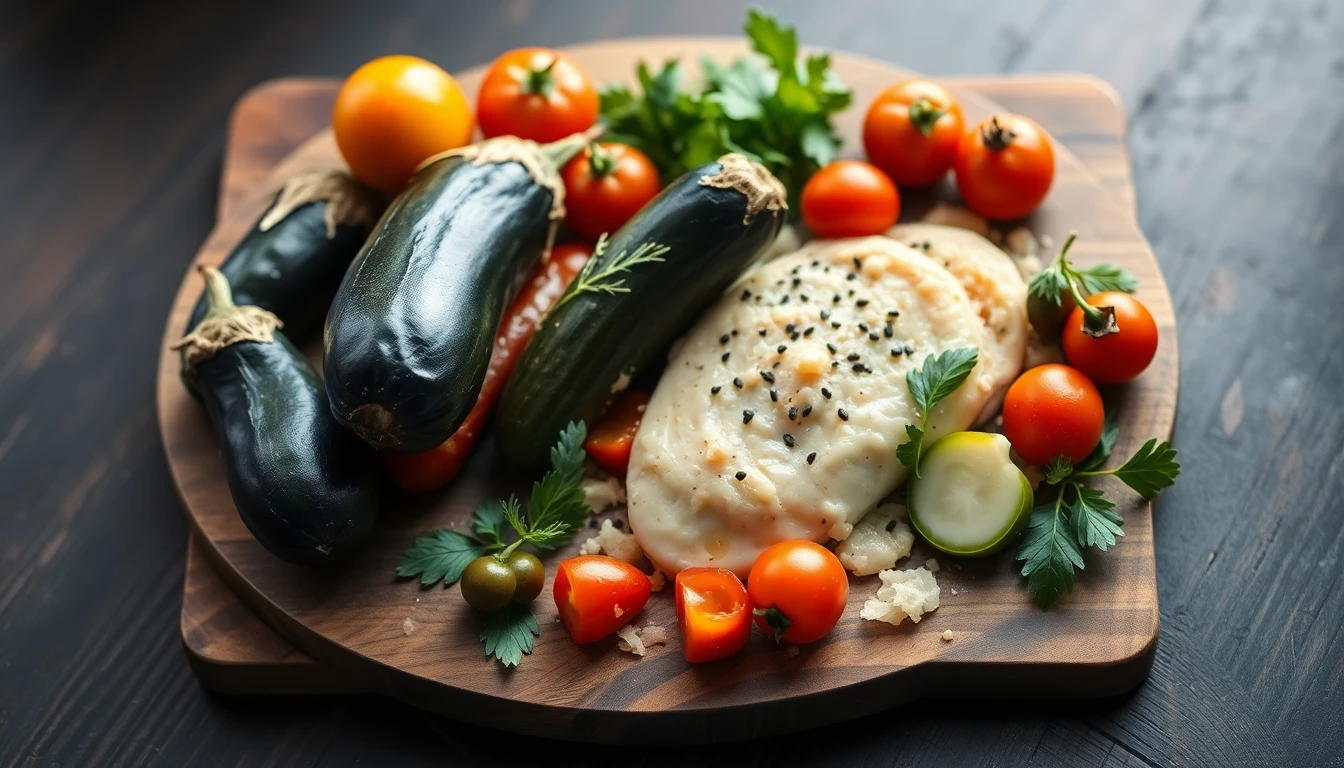
This one-tray meal showcases sea bass or salmon alongside aubergine, courgettes, cherry tomatoes, and red onions. Toss vegetables in olive oil, garlic, oregano, and lemon zest, then nestle seasoned fish fillets amongst them. Roast at 200°C for 20-25 minutes until the fish flakes easily. The natural juices create a flavourful pan sauce when you deglaze with a splash of white wine or vegetable stock. Serve with bulgur wheat or crusty bread to soak up every drop.
Shakshuka with White Beans
Whilst shakshuka traditionally appears at breakfast, this pareve version works brilliantly for any meal. Sauté onions and peppers in olive oil, add tinned tomatoes, smoked paprika, cumin, and cannellini beans, then create wells for eggs to poach directly in the sauce. The beans add Mediterranean protein and fibre whilst keeping the dish pareve. Finish with fresh parsley and serve with warm pitta.
Lentil and Vegetable Tagine
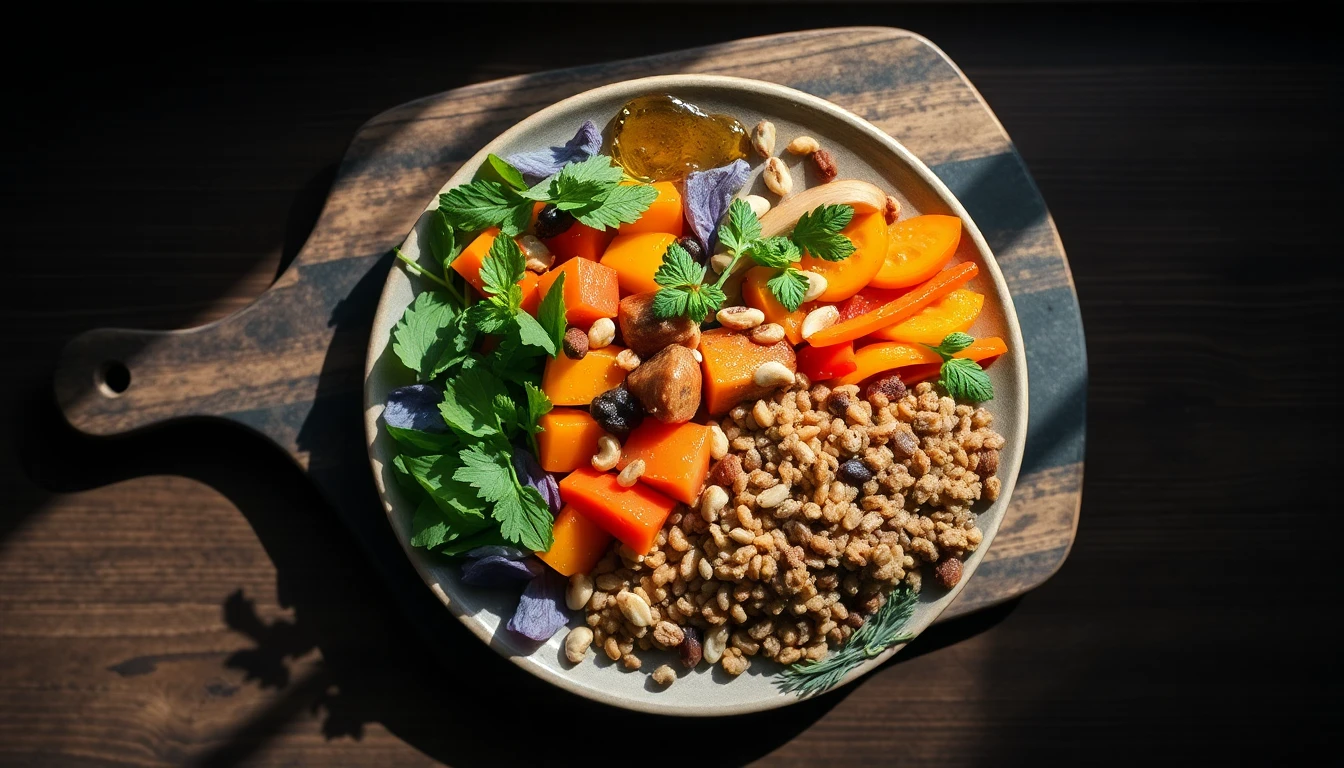
This Moroccan-inspired stew combines green or Puy lentils with carrots, butternut squash, chickpeas, and dried apricots in a fragrant broth seasoned with cumin, coriander, cinnamon, and preserved lemon. The complex spicing delivers deep satisfaction without any meat or dairy. Serve over couscous with a scatter of toasted almonds and fresh coriander.
Dairy-Forward Mediterranean Meals
Many Mediterranean breakfast and lunch traditions centre on dairy products—Greek yoghurt, feta cheese, labneh, and mild cheeses feature prominently. These meals work beautifully for daytime eating when you can allow sufficient time before an evening meat meal, or as complete dairy days paired with fish for dinner.
Greek-Style Breakfast Bowl
Layer thick Greek yoghurt with honey, toasted walnuts, fresh figs or pomegranate seeds, and a drizzle of tahini. Add a side of wholemeal toast with labneh, sliced cucumber, tomatoes, and za'atar. This protein-rich breakfast provides sustained energy and captures authentic Levantine flavours whilst remaining completely dairy-based.
Spanakopita-Inspired Frittata
Adapt the classic Greek spinach pie into a simpler frittata format. Sauté fresh spinach with spring onions and dill, whisk with eggs and crumbled feta, then bake in an ovenproof pan until just set. The eggs provide structure without needing phyllo pastry, making this accessible for weeknight cooking. Serve warm or at room temperature with a simple salad dressed in lemon and olive oil.
Mediterranean Grain Bowl with Halloumi
Build a substantial lunch bowl on a base of freekeh or pearl barley, topped with griddled halloumi, roasted red peppers, cucumber, Kalamata olives, and chickpeas. Dress with a preserved lemon vinaigrette and scatter with fresh mint. The squeaky, salty halloumi provides satisfying protein whilst the grains and legumes offer complex carbohydrates and fibre.
- Timing note — If planning a meat dinner, enjoy this lunch by 1pm to comfortably observe a six-hour separation before an evening meal at 7pm
- Fish alternative — Replace halloumi with grilled sardines or mackerel to create a pareve version that doesn't restrict your evening options
Meat-Based Mediterranean Dinners
Mediterranean cuisines feature meat more sparingly than Northern European or American diets, often treating it as a flavourful component rather than the centrepiece. This approach aligns well with both health recommendations and kosher principles. These recipes work best as evening meals, leaving daytime hours free for dairy-rich breakfast and lunch options.
- Moroccan Lamb Tagine — Slow-cook lamb shoulder with prunes, almonds, honey, and warm spices until fork-tender. The natural sweetness balances the rich meat without any dairy additions. Serve over couscous with harissa on the side
- Chicken Souvlaki with Herb Salad — Marinate chicken thigh pieces in olive oil, lemon, oregano, and garlic, then grill on skewers. Serve alongside a generous herb salad (parsley, mint, dill with tomatoes and cucumber) and roasted aubergine. Skip the traditional tzatziki to keep the meal meat-based
- Italian-Style Chicken Cacciatore — Braise chicken pieces with tomatoes, peppers, onions, olives, and capers. The robust tomato sauce delivers Mediterranean satisfaction without requiring any dairy enrichment. Serve with polenta or pasta
- Beef Kofta with Tahini Sauce — Season minced beef with cumin, coriander, garlic, and fresh herbs, shape into patties or meatballs, then grill or bake. Serve with tahini-lemon sauce (pareve), roasted vegetables, and bulgur wheat
Practical Meal Planning for Kosher Mediterranean Eating
Success with a kosher Mediterranean diet relies less on individual recipes than on strategic weekly planning that accommodates kashrut timing requirements whilst maintaining nutritional balance and culinary satisfaction. The Mediterranean diet's proven health benefits—including reduced risk of cardiovascular disease and type 2 diabetes—remain fully accessible when adapted thoughtfully to kosher practice.
Consider structuring your week around designated dairy days and meat days rather than mixing categories daily. For instance, Monday, Wednesday, and Friday might feature dairy-rich breakfasts and lunches with pareve or fish dinners, whilst Tuesday, Thursday, and Sunday could be pareve breakfasts followed by meat-based evening meals. This rhythm provides variety whilst simplifying daily decision-making.
- Batch-cook pareve staples — Prepare large quantities of roasted vegetables, cooked grains, and legume dishes that can accompany either meat or dairy meals throughout the week
- Stock two sets of Mediterranean flavour bases — Keep separate meat and pareve versions of tomato sauce, vegetable stock, and herb pastes to streamline cooking
- Plan fish for transition meals — Schedule fish-based lunches when you want flexibility to add dairy breakfast remnants or potentially have an early meat dinner
- Embrace breakfast for dinner — Mediterranean breakfast foods (eggs with vegetables, cheese plates with olives and bread) make perfectly legitimate evening meals and solve the dairy-timing puzzle elegantly
Shopping List Essentials
A well-stocked kitchen makes kosher Mediterranean cooking effortless. Focus on high-quality olive oil as your primary fat, an array of herbs and spices for layered flavours without relying on cheese or cream, and versatile proteins that work across kashrut categories.
- Pantry foundations — Extra virgin olive oil, tahini, canned tomatoes, chickpeas and white beans, bulgur and freekeh, dried lentils, Kalamata olives, preserved lemons
- Fresh produce (replenish weekly) — Aubergines, courgettes, peppers, tomatoes, cucumbers, fresh herbs (parsley, mint, dill, oregano), lemons, garlic, onions
- Protein options — Kosher fish (salmon, sea bass, sardines, mackerel), free-range eggs, kosher chicken and lamb, Greek yoghurt and feta (dairy meals), canned fish
- Flavour enhancers — Za'atar, sumac, cumin, coriander, smoked paprika, dried oregano, red wine vinegar, pomegranate molasses
How FreshPlate Handles Kosher Mediterranean Meal Planning
Juggling kashrut requirements alongside health goals, medication interactions, and personal taste preferences creates genuine complexity. FreshPlate's personalised nutrition platform automatically accounts for kosher dietary laws when building your meal plans, suggesting appropriate timing for dairy and meat meals based on your tradition's waiting period.
The app recognises when medications require food intake at specific times and adjusts your kosher Mediterranean recipes accordingly—perhaps suggesting a pareve breakfast if your medication schedule would conflict with dairy-meat separation later in the day. Recipe suggestions adapt to both your kashrut observance level and the Mediterranean diet's evidence-based health principles, ensuring you never have to choose between religious practice and optimal nutrition.
Whether you're managing blood pressure, blood sugar, or simply pursuing preventative health, FreshPlate builds Mediterranean-style meal plans that respect every aspect of how you eat, creating a sustainable approach that honours both tradition and wellbeing.
Frequently asked questions
Can you follow a Mediterranean diet and keep kosher?
+
Yes, absolutely. The Mediterranean diet adapts beautifully to kosher laws by emphasising pareve (neutral) foods like vegetables, fish, grains, and legumes as the foundation, then strategically timing dairy and meat meals to respect kashrut separation requirements. The diet's plant-forward nature aligns naturally with kosher principles.
How do you handle dairy and meat separation on a Mediterranean diet?
+
Plan your day around designated meal types—for example, dairy-rich breakfasts and lunches, followed by fish or pareve dinners. Alternatively, dedicate entire days to either dairy or meat categories. Focus heavily on pareve Mediterranean staples (vegetables, grains, legumes, fish, olive oil) that work with any meal without timing restrictions.
What fish are kosher in Mediterranean cooking?
+
Common Mediterranean fish that are kosher (having fins and scales) include salmon, sea bass, sea bream, sardines, mackerel, and tuna. These work perfectly in Mediterranean recipes. Shellfish like prawns, mussels, and squid are not kosher and must be avoided, but plenty of delicious kosher alternatives exist.
Are traditional Mediterranean recipes naturally kosher?
+
Many are, but not all. Dishes combining meat and dairy (like moussaka with its meat and béchamel layers, or chicken with cream sauces) require adaptation. However, the majority of Mediterranean vegetable dishes, fish preparations, and grain-based meals are either already kosher or easily adapted by using kosher-certified ingredients and observing separation rules.
What are the best pareve Mediterranean meals?
+
Roasted fish with vegetables, shakshuka (made without cheese), lentil and vegetable stews, grain bowls with tahini dressing, pasta with tomato and olive sauce, and bean-based soups all provide satisfying, nutritious Mediterranean meals that are completely pareve. These dishes can accompany either dairy or meat meals without restriction.
Sources
Did this answer your question?
Reece reads every reply. Questions we have not covered become new guides.
Enjoyed these? There’s more where they came from.
Get fresh kosher recipes and meal ideas by email — practical, healthy, and built for real weeknights. One genuinely useful email a week — no spam, unsubscribe anytime.
Free forever. You'll also be first in line for the FreshPlate app — with a free trial at launch.