Low Histamine Meals: Simple Recipe Ideas & Meal Planning
Discover practical low histamine meal ideas using fresh ingredients. Simple recipes, meal planning tips, and guidance for managing histamine intolerance.

By Reece Douglas · Founder, FreshPlate
Listen to this article
Low Histamine Meals: Simple Recipe Ideas & Meal Planning
Managing histamine intolerance means rethinking your approach to meals, but it needn't be complicated or restrictive. The key lies in choosing fresh ingredients and preparing them simply, avoiding the aged, fermented, and leftover foods that accumulate histamine over time. Whether you've been diagnosed with histamine intolerance or suspect you're reacting to high-histamine foods, having a repertoire of safe, satisfying meals makes daily eating far less stressful.
This guide offers practical low histamine meal ideas across breakfast, lunch, and dinner, alongside strategies for meal planning that work with your lifestyle. You'll find that eating low histamine doesn't mean sacrificing flavour or nutrition—it simply means being thoughtful about ingredient selection and freshness. Let's explore how to build delicious meals that support your wellbeing whilst keeping histamine levels in check.
Understanding Low Histamine Meals
Histamine is a naturally occurring compound in the body and in many foods. Whilst most people can break down dietary histamine effectively using the enzyme diamine oxidase (DAO), those with histamine intolerance experience symptoms when histamine levels exceed their body's capacity to process it. Common reactions include headaches, skin flushing, digestive discomfort, nasal congestion, and fatigue.
Low histamine meals prioritise ingredients that are naturally low in histamine and are prepared and consumed whilst fresh. Histamine levels increase in foods as they age, ferment, or undergo certain preservation processes. This means the freshness of your ingredients matters just as much as which foods you choose.
Foods to Emphasise in Low Histamine Meals
Building your meals around these generally well-tolerated ingredients creates a solid foundation for managing histamine intolerance:
- Fresh meat and poultry — chicken, turkey, lamb prepared and cooked the same day
- Fresh fish — cod, haddock, plaice, and other white fish bought fresh and cooked immediately
- Most fresh vegetables — courgettes, carrots, broccoli, cauliflower, butternut squash, sweet potato, cucumber, lettuce
- Low-histamine fruits — apples, pears, peaches, mango, blueberries, cherries
- Fresh dairy alternatives — rice milk, coconut milk, oat milk (if tolerated)
- Grains and starches — white or brown rice, quinoa, oats, fresh bread
- Certain fresh herbs — coriander, parsley, basil (though individual tolerance varies)
- Cooking oils — olive oil, coconut oil, rapeseed oil
Foods to Avoid or Limit
These high-histamine or histamine-releasing foods typically trigger symptoms and should be avoided during an elimination phase:
- Aged, cured, or processed meats — salami, bacon, ham, tinned meats
- Smoked or tinned fish — mackerel, tuna, sardines, anchovies
- Fermented foods — sauerkraut, kimchi, kefir, kombucha, yoghurt, aged cheese
- Leftover proteins — meat or fish stored beyond immediate consumption
- Certain vegetables — tomatoes, spinach, aubergine, mushrooms
- Citrus fruits — oranges, lemons, grapefruit
- Alcohol — wine, beer, champagne
- Vinegar and fermented condiments — soy sauce, fish sauce, pickles
Breakfast Ideas for Low Histamine Meals
Starting your day with a low histamine breakfast sets a positive tone and helps stabilise energy levels. The challenge often lies in replacing common breakfast staples like yoghurt, citrus juice, and cured meats with equally convenient alternatives.
Quick Morning Options
- Porridge with fresh fruit — oats cooked with rice milk, topped with sliced apple, pear, or blueberries and a drizzle of maple syrup
- Scrambled eggs with herbs — fresh eggs (if tolerated individually) cooked with fresh parsley or chives, served with fresh white toast
- Rice cakes with butter — spread with pure butter and a small amount of honey, alongside a glass of rice milk
- Quinoa breakfast bowl — cooked quinoa with coconut milk, topped with mango chunks and a sprinkle of pumpkin seeds
- Fresh bread with olive oil — good quality fresh bread with extra virgin olive oil for dipping, plus fresh cucumber slices
Meal-Prep Breakfast Ideas
Whilst leftovers are generally problematic for histamine intolerance, some preparations can be made fresh the evening before for next-morning consumption:
- Overnight oats — prepared with rice milk the night before and kept refrigerated, topped with fresh fruit in the morning
- Fresh smoothie ingredients — pre-portion fresh fruits and vegetables in freezer bags, blend fresh each morning with rice or coconut milk
- Homemade muffins — bake fresh muffins using low-histamine ingredients like rice flour, apple, and coconut oil, consume within 24 hours
Lunch and Dinner Low Histamine Meal Ideas
Main meals offer the greatest variety for low histamine eating, provided you focus on fresh preparation and simple cooking methods. Grilling, baking, steaming, and gentle sautéing work beautifully whilst preserving both nutrients and flavour.
Protein-Centred Main Meals
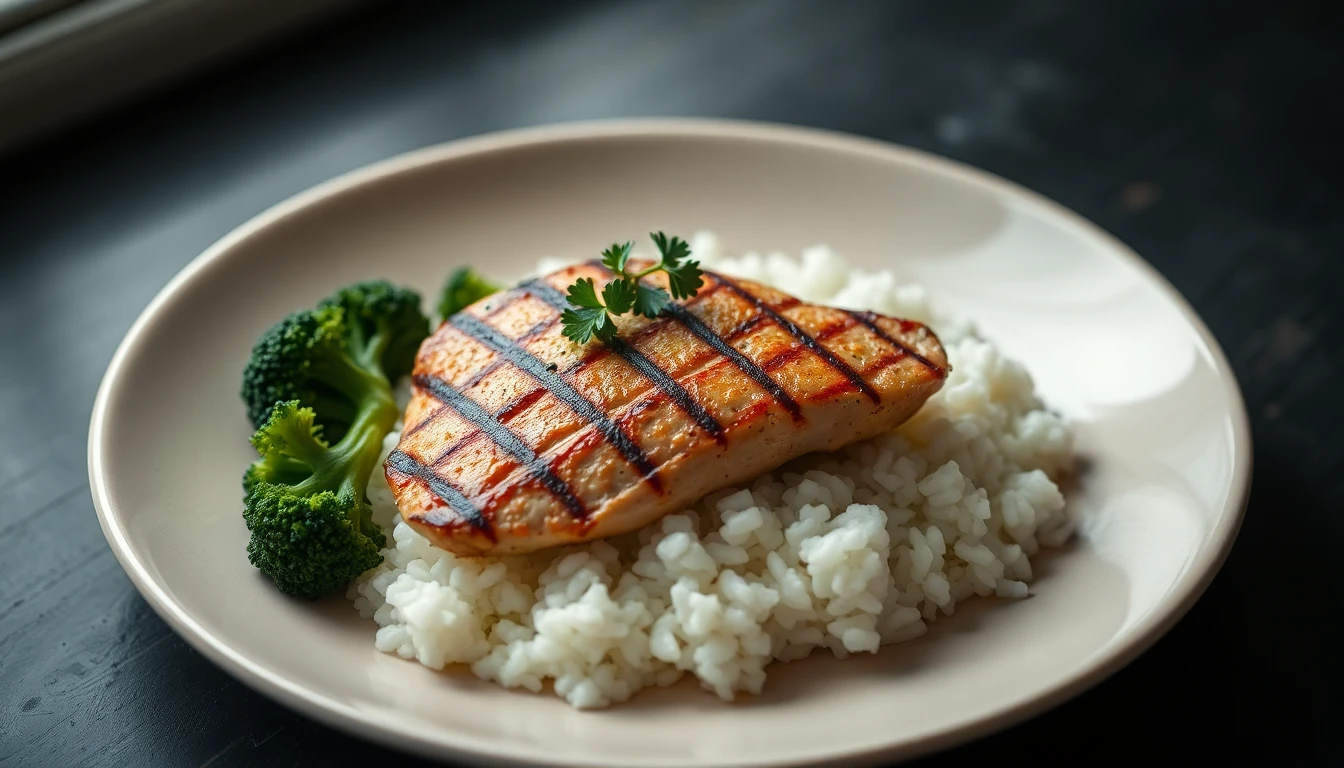
- Grilled chicken with roasted vegetables — fresh chicken breast seasoned with salt, pepper, and fresh herbs, served with roasted courgette, carrots, and butternut squash
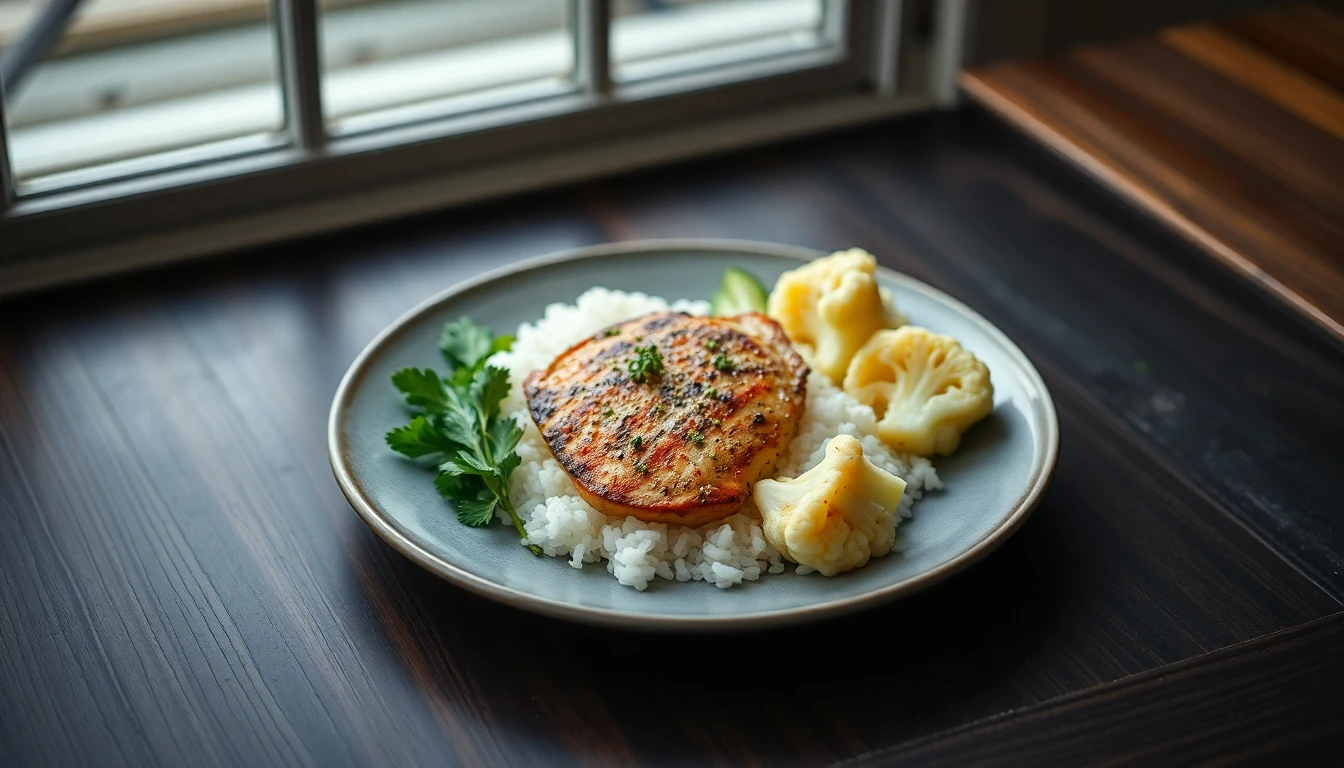
- Fresh fish with rice and greens — cod or haddock bought fresh that day, pan-fried in olive oil, served with white rice and steamed broccoli
- Turkey mince stir-fry — fresh turkey mince cooked with bell peppers, courgette, and fresh ginger (if tolerated), served over rice noodles or rice
- Roast lamb with root vegetables — fresh lamb leg or shoulder roasted with sweet potato, parsnips, and carrots
- Chicken soup from scratch — fresh chicken simmered with carrots, celery, courgette, and rice, seasoned with fresh parsley and salt
Vegetarian Low Histamine Meals
Plant-based low histamine meals require careful planning to ensure adequate protein whilst avoiding high-histamine legumes and soy products:
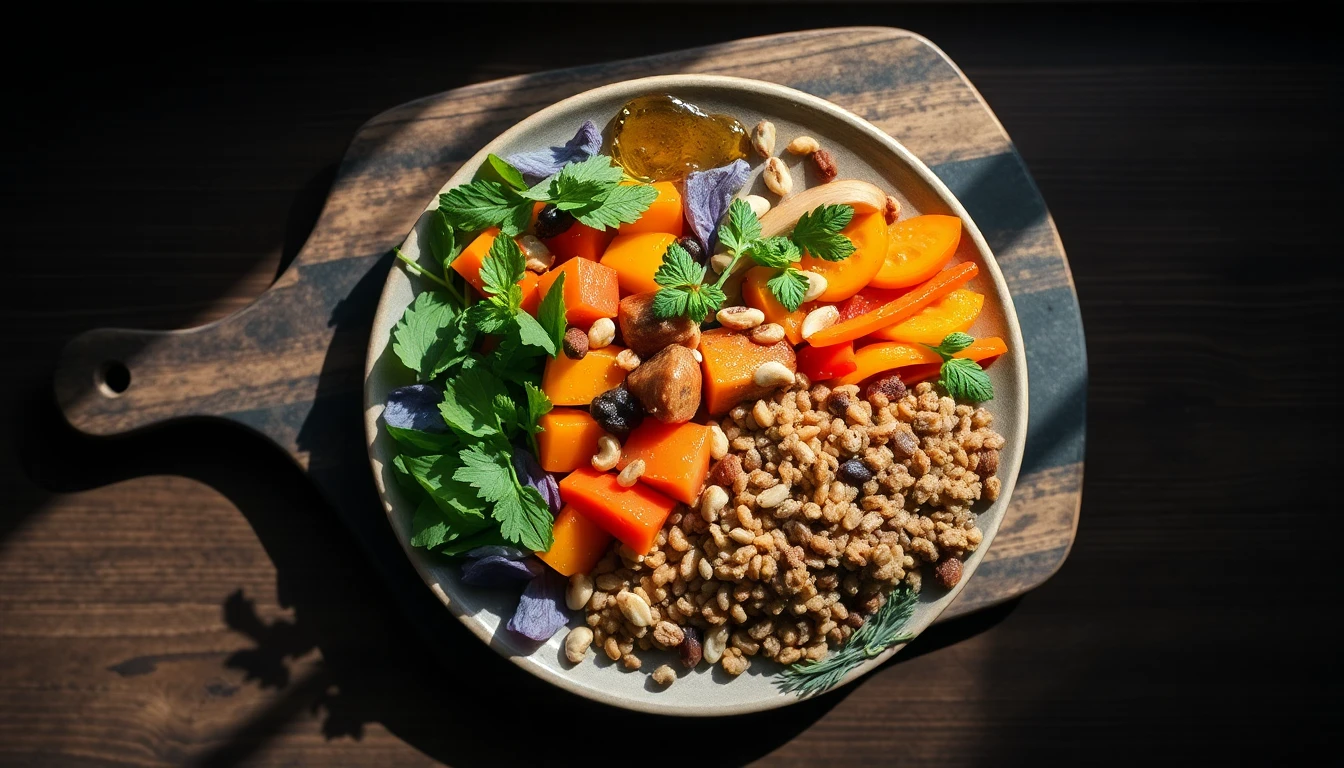
- Quinoa and roasted vegetable bowl — quinoa base topped with roasted butternut squash, courgette, and bell peppers, drizzled with olive oil
- Rice and lentil dahl — red lentils (often better tolerated than other pulses) cooked fresh with turmeric, fresh ginger, coconut milk, and served with fresh rice
- Vegetable rice paper rolls — fresh rice paper filled with cucumber, carrot ribbons, lettuce, and fresh herbs, served with a simple olive oil dip
- Baked sweet potato with toppings — large sweet potato baked until tender, topped with olive oil, fresh parsley, and pumpkin seeds
- Fresh pasta with courgette — fresh pasta (histamine content varies by individual tolerance) with spiralised courgette, olive oil, garlic (if tolerated), and fresh basil
Simple Side Dishes
- Cauliflower rice — freshly grated or processed cauliflower sautéed briefly in olive oil
- Steamed green beans — served with a knob of butter and fresh parsley
- Mashed sweet potato — made with coconut milk and a pinch of salt
- Simple green salad — butter lettuce, cucumber, and fresh herbs with olive oil dressing
- Roasted root vegetables — carrots, parsnips, and swede tossed in olive oil and roasted until caramelised
Low Histamine Meal Planning Strategies
The fresh-food requirement of a low histamine diet means meal planning takes on particular importance. Strategic shopping and preparation help ensure you always have safe ingredients to hand without the stress of daily shopping trips.
Shopping and Storage Tips
- Shop more frequently for proteins — buy fresh meat and fish in smaller quantities, ideally every 2-3 days, and cook immediately or freeze promptly
- Freeze proteins in single portions — divide fresh meat or fish into meal-sized portions and freeze immediately, thawing only what you need for that day's meal
- Choose vegetables with longer shelf life — root vegetables, squashes, and cruciferous vegetables remain fresh longer than leafy greens
- Prep vegetables daily — wash and chop vegetables on the day you'll use them rather than storing cut produce
- Check 'use by' dates carefully — always choose the freshest options available, even if it means a shorter shelf life
Weekly Planning Approach
A structured weekly approach balances freshness requirements with practical meal preparation:
- Plan 3-4 core recipes — choose simple meals you can prepare from fresh ingredients throughout the week
- Schedule two protein shopping trips — mid-week and weekend purchases keep meat and fish at peak freshness
- Double up on vegetables — when chopping vegetables for dinner, prepare extra for the next day's lunch
- Cook grains in batches — rice and quinoa can be cooked in larger quantities and refrigerated for 1-2 days, reheating thoroughly
- Keep emergency options — frozen vegetables and vacuum-sealed fresh fish in the freezer provide backup when fresh shopping isn't possible
Batch Cooking Considerations
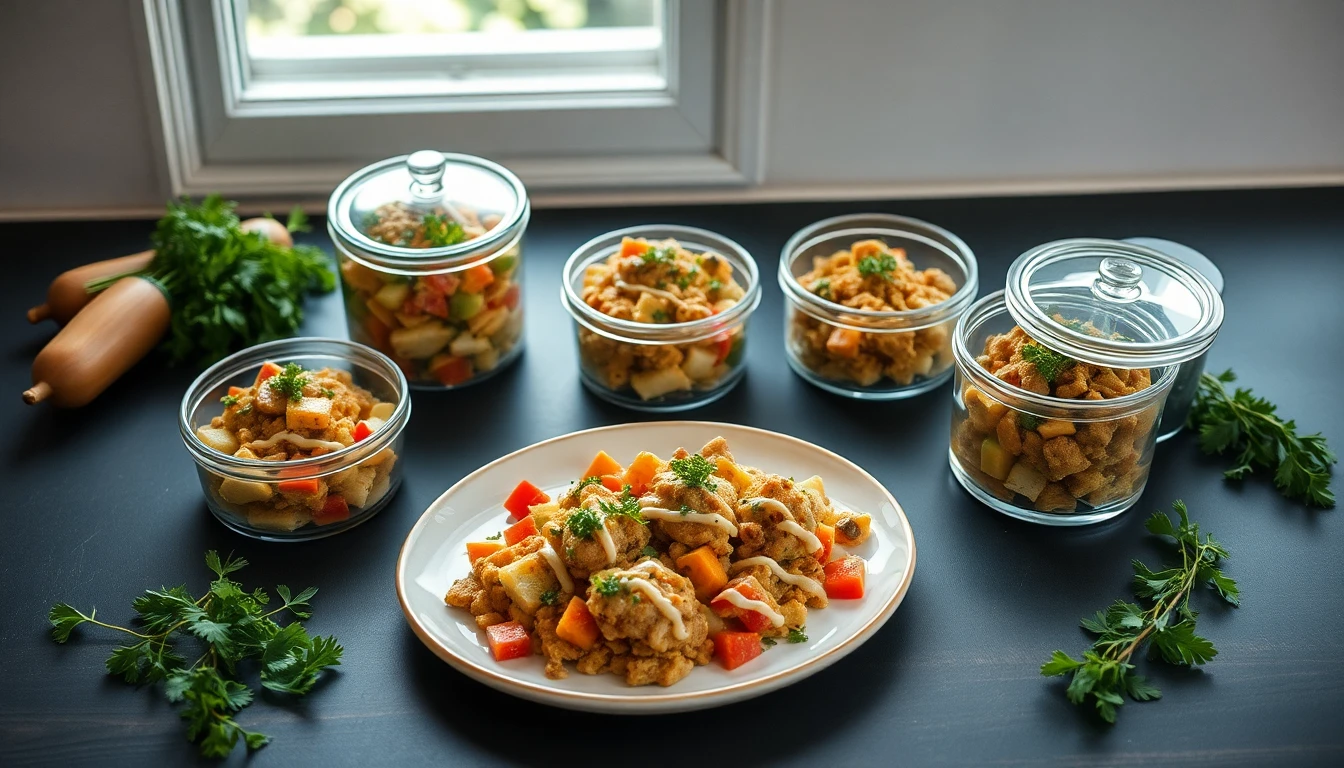
Traditional batch cooking and leftovers pose challenges for histamine intolerance, but some modified approaches work well. The key is immediate freezing rather than refrigeration, as freezing halts histamine production:
- Cook and freeze immediately — if batch cooking, portion meals and freeze within 30 minutes of cooking, rather than refrigerating as leftovers
- Use vacuum sealing — reduces air exposure and helps maintain freshness during frozen storage
- Label with dates clearly — consume frozen meals within 2-3 months for optimal freshness
- Reheat once only — thaw frozen meals directly before eating and reheat thoroughly, never refreeze
Flavouring Low Histamine Meals Without High-Histamine Ingredients
Building flavour through cooking technique also helps—caramelising vegetables through roasting, browning meat properly before simmering, and layering ingredients thoughtfully all enhance taste without relying on high-histamine ingredients.
- Fresh herbs — parsley, coriander, basil, and chives add brightness without histamine (though individual tolerance varies)
- Salt and pepper — high-quality sea salt and freshly ground black pepper remain fundamental flavour builders
- Garlic and onion — whilst some people with histamine intolerance react to these, many tolerate them well when used fresh
- Fresh ginger — adds warmth and complexity to both savoury and sweet dishes
- Olive oil — good quality extra virgin olive oil contributes flavour as well as healthy fats
- Maple syrup and honey — natural sweeteners that work in both cooking and dressings
- Coconut milk — creates richness and mild sweetness in curries, soups, and porridge
- Fresh lemon alternatives — apple cider (not vinegar) or fresh apple juice can provide acidity where needed
How FreshPlate Can Help With Low Histamine Meal Planning
Managing histamine intolerance whilst keeping your meals varied and nourishing takes a lot of knowledge and daily attention. FreshPlate can take some of the legwork out of it, though it helps to be clear about what it does and doesn't do.
FreshPlate doesn't have a specific histamine setting, so it won't filter recipes by histamine content for you. What it does do is build every recipe around your own medication list, treat fatal allergens with zero tolerance, and respect the cultural and religious food preferences you set during onboarding. Each recipe also has a For you tab, which shows what was actually checked (allergens, diet and religious rules), explains why the recipe suits your goal and conditions, and tells you whether it fits what is left of your day. For histamine itself, you'll still want to read the ingredients with your own list in mind.
Recipes you keep go onto a shopping list, so your plan and your basket stay together. If you make a regular dish yourself, such as a loaf, a tray bake or a pot of something simple, Cook on the Meals tab can measure it once from its ingredient lines, keep it in your kitchen with a photo, and log a portion in one tap from then on. That leaves you more room to enjoy your meals rather than keeping track of every detail.
Frequently asked questions
Can I eat leftovers on a low histamine diet?
+
Leftovers are generally problematic for histamine intolerance as histamine levels increase in foods during storage, even when refrigerated. It's best to cook fresh meals daily and consume proteins the same day. If you must store food, freeze portions immediately after cooking rather than refrigerating, and reheat only once.
What can I eat for breakfast with histamine intolerance?
+
Good low histamine breakfast options include porridge made with rice milk and fresh fruit, scrambled eggs with fresh herbs, rice cakes with butter and honey, or quinoa bowls with coconut milk and mango. Focus on fresh ingredients and avoid fermented foods like yoghurt or aged cheese.
Are eggs high in histamine?
+
Fresh eggs are generally low in histamine, though individual tolerance varies. Some people with histamine intolerance find they react to egg whites specifically. If you're uncertain, introduce eggs carefully and monitor your response, always using the freshest eggs possible.
How long does it take to see improvement on a low histamine diet?
+
Many people notice symptom improvement within 2-4 weeks of following a strict low histamine diet, though individual response times vary. It typically takes at least two weeks for histamine levels to reduce sufficiently to assess whether the diet is helpful for your symptoms. Always work with a healthcare professional when implementing elimination diets.
Can I eat rice on a low histamine diet?
+
Yes, both white and brown rice are considered low in histamine and are well-tolerated by most people with histamine intolerance. Rice makes an excellent base for low histamine meals and can be cooked in slightly larger batches and refrigerated for 1-2 days, unlike proteins which should be consumed fresh.
Sources
Did this answer your question?
Reece reads every reply. Questions we have not covered become new guides.
Enjoyed these? There’s more where they came from.
Get fresh low histamine recipes and meal ideas by email — practical, healthy, and built for real weeknights. One genuinely useful email a week — no spam, unsubscribe anytime.
Free forever. You'll also be first in line for the FreshPlate app — with a free trial at launch.