Menstrual Cycle Nutrition: Eating for Every Phase
Learn how to align your diet with your menstrual cycle. Evidence-based nutrition strategies for each phase, managing PMS symptoms, and optimising iron intake.

By Reece Douglas · Founder, FreshPlate
Listen to this article
Menstrual Cycle Nutrition: Eating for Every Phase
Your menstrual cycle is far more than the few days of your period. It's a roughly 28-day hormonal rhythm that affects everything from energy levels and appetite to mood and inflammation. Yet most nutrition advice treats every day of the month identically, missing an opportunity to work with your body's natural fluctuations rather than against them.
The emerging field of menstrual cycle nutrition recognises that oestrogen, progesterone, and other hormones create distinct nutritional needs across the four phases of your cycle. Strategic eating during each phase can help manage uncomfortable symptoms, support stable energy, and ensure you're getting critical nutrients like iron exactly when your body needs them most. This isn't about restrictive eating or complicated rules—it's about understanding your body's changing requirements and responding with informed food choices that make you feel your best all month long.
Understanding the Four Phases of Your Menstrual Cycle
Before diving into specific nutritional strategies, it's helpful to understand the hormonal landscape of your cycle. The menstrual cycle divides into four distinct phases, each characterised by different hormone levels that influence metabolism, appetite, inflammation, and nutrient requirements.
Day one of your cycle is the first day of menstrual bleeding. From there, your body moves through menstruation, the follicular phase, ovulation, and the luteal phase before beginning again. Hormone levels fluctuate dramatically across these phases, and research suggests these changes can affect everything from insulin sensitivity to nutrient absorption.
Menstrual Phase (Days 1-5)
During menstruation, both oestrogen and progesterone are at their lowest levels. You're losing blood, which means losing iron, and many women experience fatigue, cramps, and inflammation during this phase.
Follicular Phase (Days 6-14)
After your period ends, oestrogen begins rising steadily. This phase is often associated with increased energy, better mood, and improved insulin sensitivity. Your body tends to metabolise carbohydrates more efficiently during this time.
Ovulation (Days 14-16)
Oestrogen peaks just before ovulation, triggering a surge in luteinising hormone. This is typically when energy and mood are at their highest point in the cycle.
Luteal Phase (Days 17-28)
After ovulation, progesterone rises whilst oestrogen fluctuates. This phase often brings PMS symptoms including bloating, mood changes, food cravings, and increased appetite. Insulin sensitivity decreases, and your basal metabolic rate may increase slightly, meaning you naturally need more calories.
Iron Timing and Menstrual Cycle Nutrition
Iron deficiency is one of the most common nutritional deficiencies globally, and menstruating women are at particular risk. During menstruation, you lose approximately 30-40 millilitres of blood, which translates to roughly 15-20 milligrams of iron over the course of your period.
The NHS recommends 14.8 milligrams of iron daily for women of reproductive age—significantly higher than the 8.7 milligrams recommended for men. However, many women fall short of this target, leading to fatigue, poor concentration, and eventually iron-deficiency anaemia if left unaddressed.
- Haem iron sources — Found in animal products like red meat, poultry, and fish. This form is more readily absorbed, with absorption rates of 15-35%.
- Non-haem iron sources — Found in plant foods including lentils, chickpeas, spinach, fortified cereals, and dried apricots. Absorption is lower (2-20%) but can be enhanced significantly.
- Vitamin C pairing — Consuming vitamin C-rich foods alongside iron sources can double or triple absorption. Try lemon juice on spinach or tomatoes with beans.
- Timing considerations — Prioritise iron-rich foods during and immediately after menstruation when stores are depleted. Continue throughout the month but pay extra attention during days 1-7.
- Avoid inhibitors — Tea, coffee, and calcium supplements can reduce iron absorption by 50-60% when consumed with meals. Time these at least an hour away from iron-rich foods.
Strategic Iron-Rich Meal Ideas
Building iron into your daily routine doesn't require complex meal planning. A serving of lean red meat provides 2-3 milligrams of highly absorbable haem iron. A large portion of cooked lentils or chickpeas offers similar amounts of non-haem iron, which becomes much more bioavailable when paired with vitamin C.
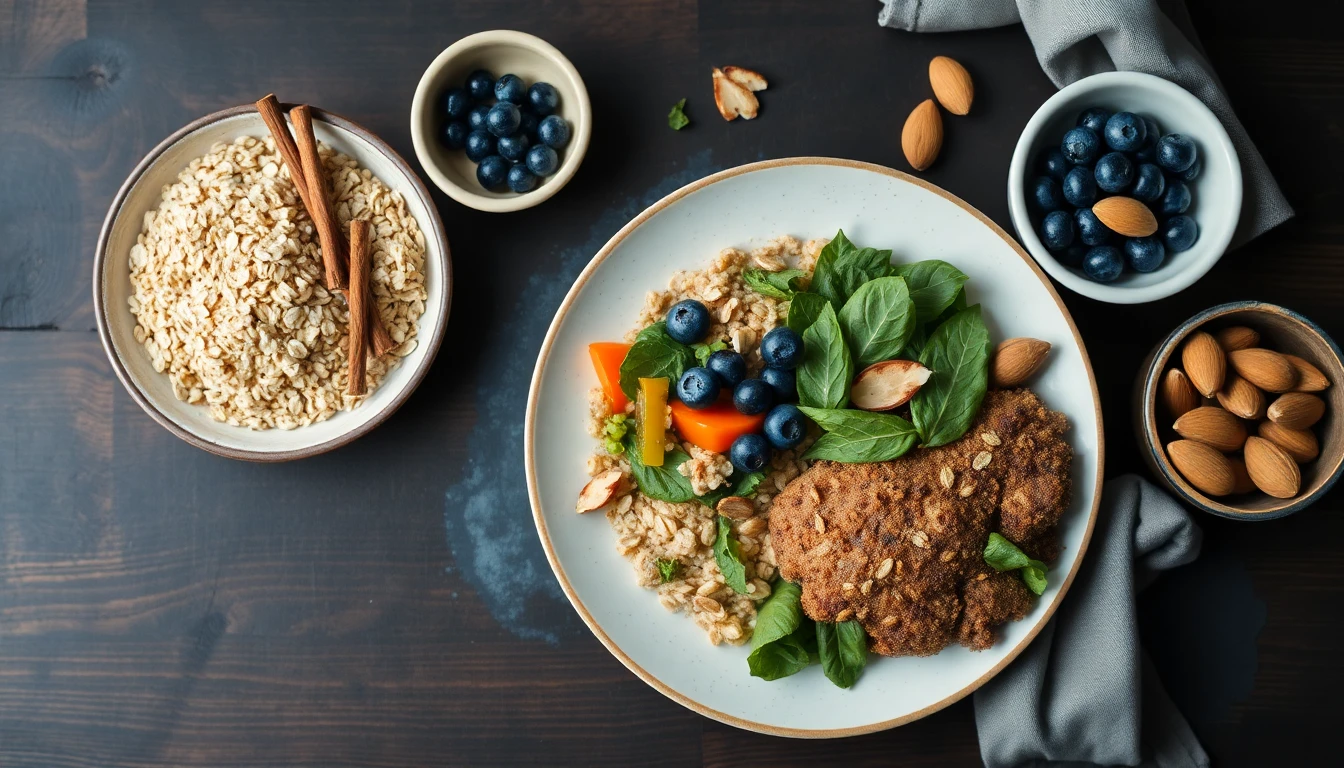
- Breakfast — Fortified porridge with berries and pumpkin seeds
- Lunch — Spinach salad with grilled chicken, tomatoes, and lemon dressing
- Dinner — Beef and bean chilli with peppers and tomatoes
- Snacks — Dried apricots with orange slices, or hummus with red pepper strips
Nutrition for PMS Symptom Management
Premenstrual syndrome affects approximately 75% of menstruating women to some degree, with symptoms ranging from mild bloating and irritability to severe mood disturbances and physical discomfort. Whilst the exact causes of PMS remain debated, nutrition plays a significant role in symptom severity.
The luteal phase, particularly the week before menstruation, is when targeted nutritional strategies can make the most difference. Research suggests that certain nutrients and eating patterns can help moderate the hormonal and inflammatory processes underlying common PMS symptoms.
Key Nutrients for PMS Relief
- Magnesium — Involved in over 300 enzymatic reactions, including those regulating mood and muscle function. Studies suggest magnesium supplementation may reduce bloating, mood symptoms, and breast tenderness. Food sources include dark leafy greens, nuts, seeds, whole grains, and dark chocolate.
- Vitamin B6 — Helps with neurotransmitter synthesis and may ease mood-related PMS symptoms. Found in chickpeas, fish, poultry, potatoes, and bananas.
- Calcium — Research indicates women with higher calcium intake experience less severe PMS symptoms. Aim for three servings daily from dairy, fortified plant milks, leafy greens, or tinned fish with bones.
- Omega-3 fatty acids — Their anti-inflammatory properties may help reduce period pain and mood symptoms. Prioritise oily fish like salmon, mackerel, and sardines, or plant sources like flaxseeds, chia seeds, and walnuts.
- Complex carbohydrates — Help stabilise blood sugar and support serotonin production. Choose whole grains, legumes, and starchy vegetables over refined options.
Managing Cravings and Appetite Changes
Increased appetite during the luteal phase isn't a failure of willpower—it's a physiological response to rising progesterone and a slight increase in metabolic rate. Research suggests women may need an additional 100-300 calories daily during this phase.
Rather than fighting cravings entirely, work with them strategically. If you're craving chocolate, choose dark chocolate with 70% cocoa or higher, which provides magnesium alongside satisfaction. Craving carbohydrates? Opt for complex sources like sweet potato, quinoa, or sourdough that provide sustained energy rather than blood sugar spikes and crashes.
Eating regular, balanced meals every 3-4 hours during the luteal phase helps maintain stable blood sugar, which in turn supports more stable mood and energy. Include protein, healthy fats, and fibre at each meal to promote satiety.
Phase-Specific Eating Strategies
Whilst nutritional fundamentals like adequate protein, plenty of vegetables, and whole food sources matter throughout your cycle, fine-tuning your approach to match each phase can optimise how you feel.
Menstrual Phase Nutrition Priorities
- Focus on iron restoration — Prioritise iron-rich foods with vitamin C enhancers
- Anti-inflammatory foods — Omega-3 fatty fish, turmeric, ginger, berries, and leafy greens may help reduce cramping
- Warming, comfort foods — Soups, stews, and cooked vegetables are often more appealing and easier to digest
- Hydration — Maintain good fluid intake to support blood volume and reduce fatigue
- Gentle on digestion — If experiencing digestive upset, choose easily digestible proteins and cooked rather than raw vegetables
Follicular Phase Nutrition Priorities
- Lean proteins — Support the tissue building that occurs as the uterine lining thickens
- Fermented foods — Sauerkraut, kimchi, kefir, and yoghurt support gut health and may influence oestrogen metabolism
- Fresh vegetables and fruits — Take advantage of typically improved digestion during this phase
- Complex carbohydrates — Your body handles carbohydrates efficiently now, making this a good time for grains and starchy vegetables
Ovulation Phase Nutrition Priorities
- Fibre-rich foods — Help eliminate excess oestrogen as levels peak then decline
- Antioxidant-rich produce — Berries, colourful vegetables, and dark leafy greens
- Continue balanced eating — Maintain the patterns that are working as energy remains high
Luteal Phase Nutrition Priorities
- Increase healthy fats — Avocados, nuts, seeds, and olive oil support hormone production and satiety
- Magnesium-rich foods — Dark chocolate, pumpkin seeds, almonds, and spinach
- B-vitamin sources — Whole grains, legumes, and leafy greens support energy and mood
- Cruciferous vegetables — Broccoli, cauliflower, Brussels sprouts, and cabbage support healthy oestrogen metabolism
- Slightly larger portions — Honour increased caloric needs rather than restricting
- Reduce sodium — May help minimise bloating, though individual responses vary
Foods to Limit Throughout Your Cycle
Remember that moderation matters more than perfection. An occasional coffee or piece of cake won't derail your cycle-supportive nutrition—it's the overall pattern that makes the difference.
- Excess caffeine — May worsen breast tenderness, anxiety, and sleep disruption, particularly during the luteal phase. Consider reducing to one cup daily or switching to decaf after noon.
- Alcohol — Can disrupt hormone metabolism, affect blood sugar stability, and worsen PMS mood symptoms. The liver prioritises alcohol metabolism over hormone processing.
- High-sodium processed foods — May increase water retention and bloating, especially premenstrually.
- Refined sugars and simple carbohydrates — Create blood sugar spikes and crashes that can amplify mood swings and cravings.
- Trans fats — Found in some processed foods and associated with increased inflammation and worse period pain.
How FreshPlate Can Help You Eat Through Your Cycle
Keeping track of your cycle whilst planning meals that suit each phase, fit any medications or health conditions, and match your food preferences can feel like a lot. FreshPlate is there to take some of the guesswork out of the food side of it.
The app doesn't track your cycle or change what it suggests by phase, so you stay in charge of what each part of the month calls for. What it does is make it easy to see what you're actually eating. You can log meals by photo, barcode or search, and if a pack isn't in any database, the app reads it off its own label on your phone: the nutrition table fills in the numbers and the ingredients are checked against your allergens and food rules. The Progress tab then shows how your day is going, why, and what to do next, with a minerals-and-vitamins panel against targets set for your body, so you can see for yourself how iron-rich or magnesium-rich a day has been. Behind every number, a "How we worked this out" tap shows the guidance it comes from, named by body (NHS, WHO, UK RNI).
If you take medicines, you can add them by brand or generic name, and the For you tab on every recipe and meal lists them. For about 170 of them, it opens the NHS or US FDA words about food, quoted word for word, with a link to the checker page; for the rest, it tells you there is no advice on file yet and points you to your pharmacist. A few interactions are hard blocks, and everything else is advisory. Warfarin is handled as "keep vitamin K steady", not "avoid greens". You can also look up any medication or brand name on the website with the free food–medication interaction checker and see the foods to watch in seconds.
So rather than following generic advice, you get recipes built around your own medication list, allergens, goals and food preferences, and a clear picture of how each day is going. How you shape that around your cycle is up to you, and the app is there to make it easier.
Frequently asked questions
Does eating certain foods really affect your menstrual cycle symptoms?
+
Yes, research supports that nutrition influences menstrual symptoms. Adequate iron prevents fatigue, magnesium may reduce cramping and mood symptoms, and omega-3 fatty acids can decrease inflammation and pain. Whilst food isn't a cure for severe symptoms, strategic nutrition often provides meaningful relief for mild to moderate PMS and period discomfort.
How much extra iron do I need during my period?
+
You lose approximately 15-20 milligrams of iron during menstruation. The NHS recommends 14.8 milligrams of iron daily for menstruating women. Focus particularly on iron-rich foods during and immediately after your period to replenish stores, using vitamin C-rich foods to enhance absorption.
Why do I crave chocolate before my period?
+
Premenstrual chocolate cravings may be your body's way of seeking magnesium, which drops during the luteal phase and is involved in mood regulation and muscle function. Dark chocolate provides magnesium alongside satisfaction. These cravings are also influenced by hormonal effects on serotonin and dopamine.
Can diet help with period pain and cramps?
+
Diet can help reduce period pain for many women. Anti-inflammatory foods like omega-3 fatty fish, ginger, and turmeric may decrease prostaglandin production that causes cramping. Magnesium helps relax uterine muscles, whilst adequate hydration and avoiding inflammatory foods like excess sugar can also provide relief.
Should I eat more calories during certain phases of my cycle?
+
Your basal metabolic rate increases slightly during the luteal phase (the two weeks before your period), and appetite naturally increases due to rising progesterone. Research suggests women may need an additional 100-300 calories daily during this time. Honouring this need with nutritious foods rather than restricting can improve energy and reduce cravings.
Sources
Did this answer your question?
Reece reads every reply. Questions we have not covered become new guides.
Small food changes. Big difference.
Get practical menstrual health tips by email — simple, evidence-based changes you can make this week. One genuinely useful email a week — no spam, unsubscribe anytime.
Free forever. You'll also be first in line for the FreshPlate app — with a free trial at launch.