Methotrexate Folate Foods: What to Eat During Treatment
Learn which folate-rich foods support methotrexate treatment, when to take folic acid supplements, and foods to avoid for better tolerance and fewer side effects.

By Reece Douglas · Founder, FreshPlate
Listen to this article
Methotrexate Folate Foods: What to Eat During Treatment
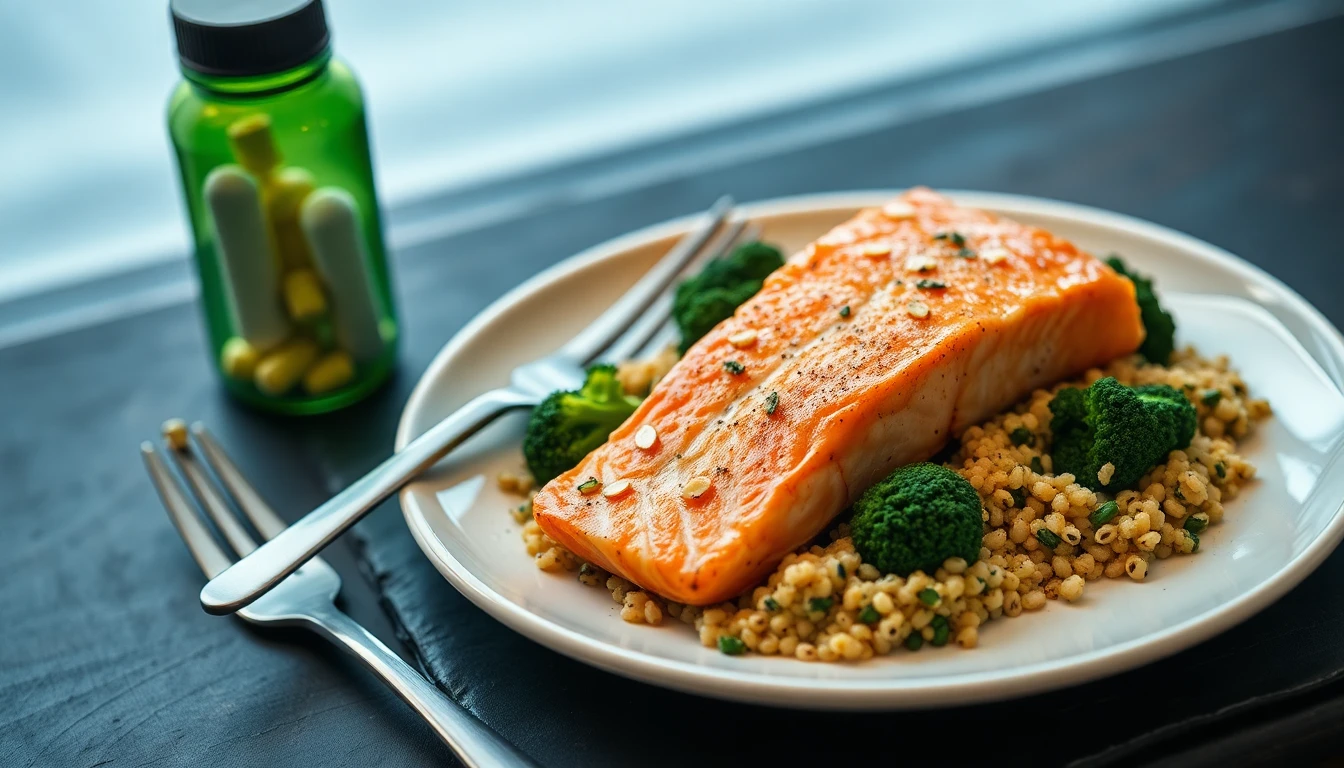
Methotrexate is a cornerstone treatment for rheumatoid arthritis, psoriatic arthritis, Crohn's disease, and several other inflammatory conditions. It's effective, affordable, and well-studied — but it comes with a nutritional catch. The medication works by interfering with folate metabolism, which is precisely why you'll nearly always be prescribed folic acid alongside it.
Understanding which foods contain folate, when to take your supplements, and what to avoid can make a significant difference in how well you tolerate treatment. Many patients find that side effects like mouth ulcers, nausea, and fatigue improve dramatically once they get their folate intake and timing right. This guide explains the science behind methotrexate and folate, and gives you practical advice on building a diet that supports your treatment rather than working against it.
Why Methotrexate Depletes Folate
Methotrexate belongs to a class of medicines called antifolates. It works by blocking an enzyme called dihydrofolate reductase, which your body needs to convert folate (vitamin B9) into its active forms. These active forms are essential for making DNA, producing new cells, and keeping your immune system functioning properly.
When methotrexate blocks this enzyme in rapidly dividing immune cells, it reduces inflammation — which is exactly what we want for conditions like rheumatoid arthritis. The problem is that the medication doesn't only affect immune cells. It also impacts other fast-growing tissues like the lining of your mouth, digestive tract, and blood-forming cells in your bone marrow.
This is why common methotrexate side effects include mouth ulcers, nausea, diarrhoea, and occasionally reduced blood counts. All of these are linked to folate depletion. The good news is that folic acid supplementation dramatically reduces these side effects without significantly reducing the drug's effectiveness for most inflammatory conditions.
Folic Acid vs Folate: Understanding the Difference
You'll often hear the terms folate and folic acid used interchangeably, but there's an important distinction when you're taking methotrexate.
- Folate — The natural form of vitamin B9 found in foods like leafy greens, pulses, and fortified grains. Your body must convert dietary folate through several steps before it can be used
- Folic acid — The synthetic form found in supplements and fortified foods. It's more stable and better absorbed than natural folate, which is why it's the standard prescription alongside methotrexate
- Folinic acid (leucovorin) — A 'rescue' form occasionally prescribed instead of folic acid for patients with severe side effects. It bypasses the enzyme that methotrexate blocks, so it may be more effective but is also more expensive
Which Form Should You Take?
Most patients in the UK are prescribed 5mg folic acid tablets to take once weekly, though some rheumatologists prefer smaller daily doses (1mg, six days per week). Both approaches work well. The key is timing: you should take your folic acid at least 24 hours after your methotrexate dose, never on the same day.
Some patients worry that eating folate-rich foods might interfere with methotrexate's effectiveness. The evidence doesn't support this concern. Natural dietary folate doesn't seem to reduce methotrexate's anti-inflammatory effects, and maintaining good folate status through food actually helps you tolerate the medication better. It's high-dose folic acid supplementation taken at the wrong time that could theoretically be problematic.
Best Folate-Rich Foods to Include on Methotrexate
Eating folate-rich foods throughout the week provides a gentle, sustained source of this essential vitamin. Unlike high-dose supplements, dietary folate is unlikely to interfere with your medication when eaten on methotrexate day, though some patients prefer to save their highest-folate meals for other days of the week.
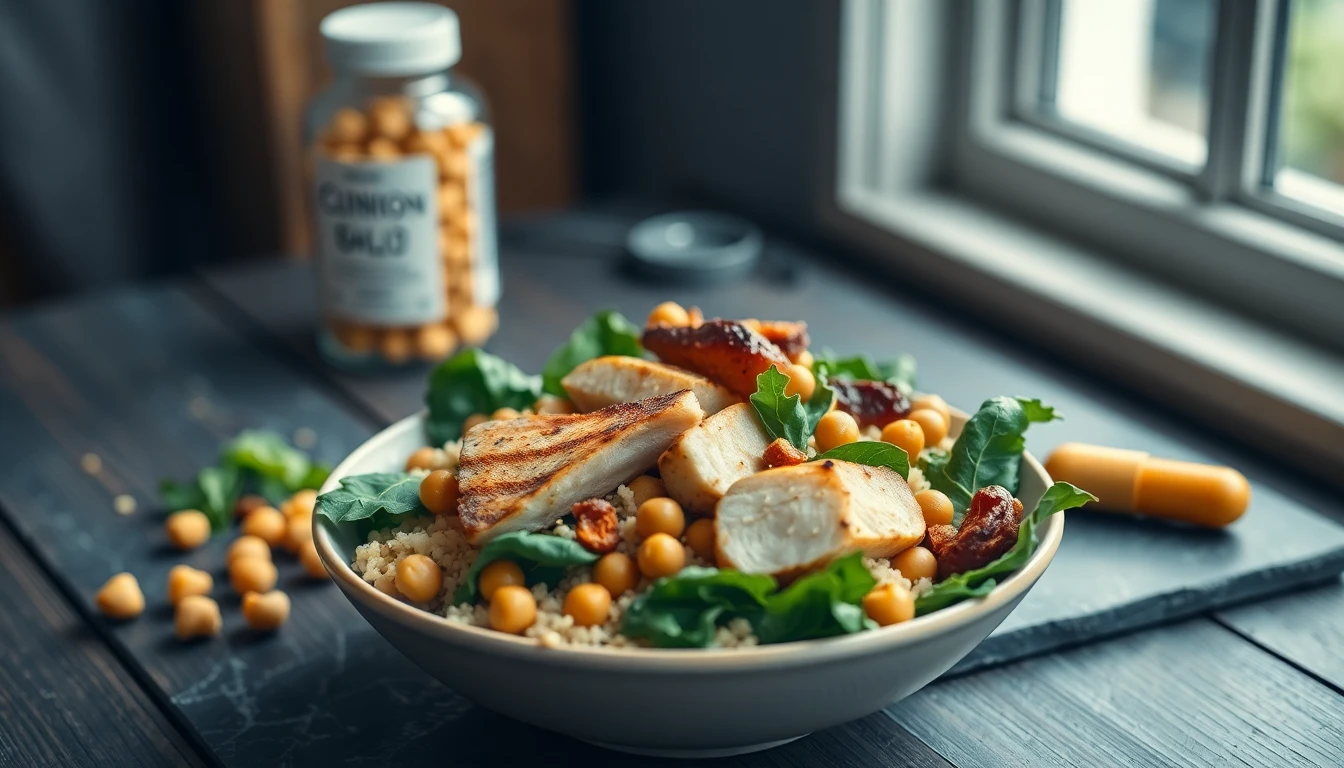
The following foods are excellent natural sources of folate and can be incorporated into your regular diet:
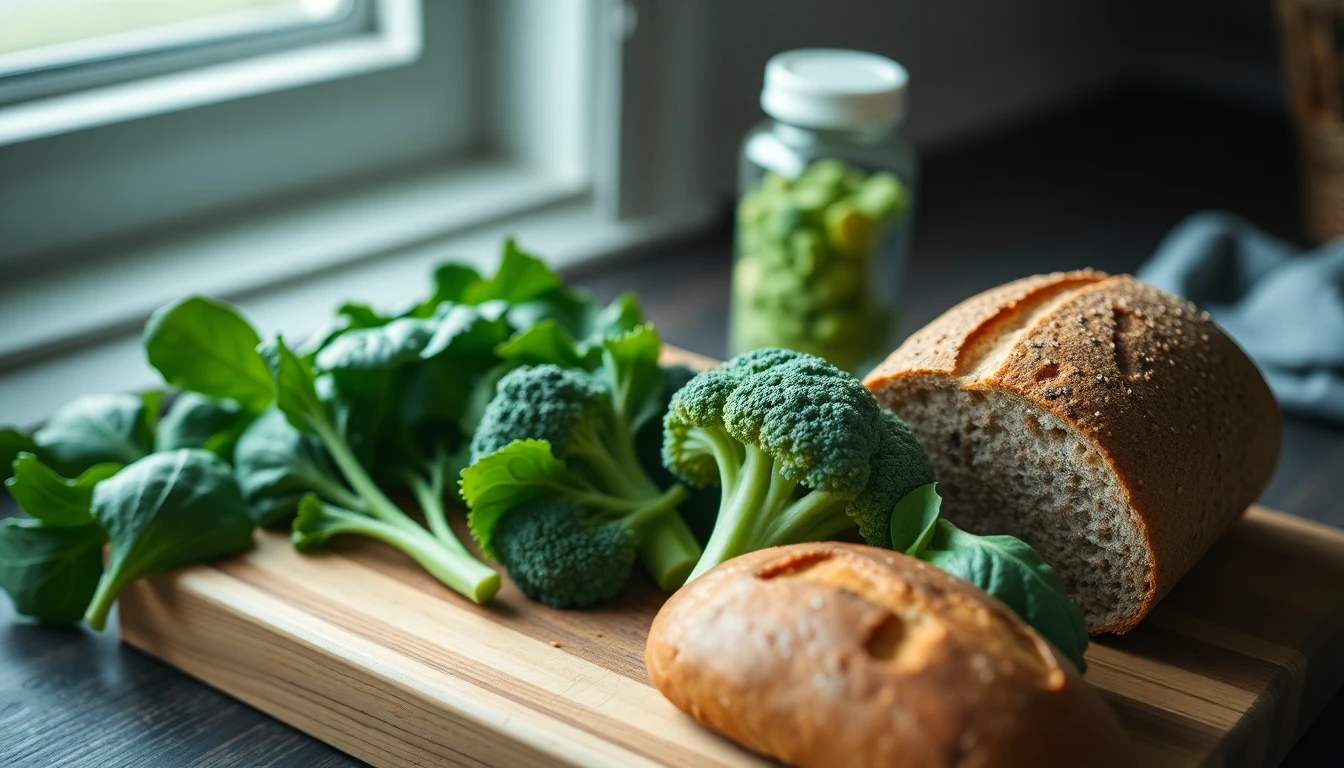
- Dark leafy greens — Spinach, kale, spring greens, and rocket are among the richest sources. A 100g serving of cooked spinach provides around 150mcg of folate
- Pulses and legumes — Lentils, chickpeas, black beans, and kidney beans. A 200g tin of chickpeas contains roughly 170mcg of folate
- Broccoli and Brussels sprouts — Both provide significant folate along with other beneficial nutrients. Six Brussels sprouts offer about 100mcg
- Asparagus — Just six spears contain approximately 130mcg of folate
- Avocado — Half an avocado provides around 60mcg, plus healthy fats that support overall nutrition
- Fortified breakfast cereals — Many UK cereals are fortified with folic acid. Check labels, as amounts vary widely
- Citrus fruits — Oranges and grapefruits contain modest amounts of folate, though be mindful of grapefruit interactions with other medications
- Eggs — One large egg contains about 25mcg, and they're a versatile protein source
- Nuts and seeds — Particularly sunflower seeds, peanuts, and flaxseeds
Folate and Cooking
Folate is water-soluble and heat-sensitive, which means cooking methods matter. Boiling vegetables in large amounts of water can leach away up to 50% of their folate content. Steaming, microwaving, or eating vegetables raw preserves more of this valuable vitamin. If you do boil vegetables, consider using the cooking water in soups or sauces to recapture some of the lost nutrients.
Timing Your Folic Acid Supplement Around Methotrexate
The standard advice in the UK is to take your folic acid supplement at least 24 hours after your methotrexate dose. If you take methotrexate on a Monday, you might take folic acid on Tuesday through Sunday, or simply once weekly on Tuesday.
The reason for this timing gap is theoretical: if you flood your system with folic acid at the same time as methotrexate, you might reduce the drug's effectiveness by providing an alternative folate pathway that bypasses the blocked enzyme. However, it's worth noting that research evidence on this point is mixed, and some patients do take both on the same day without apparent loss of benefit.
What's clear from the evidence is that folic acid supplementation significantly reduces methotrexate side effects. A Cochrane review found that folic acid reduced the risk of liver problems, nausea, vomiting, and mouth ulcers in people taking methotrexate for rheumatoid arthritis. The same review found no significant reduction in methotrexate's disease-controlling benefits when folic acid was used.
- Standard weekly dosing — 5mg once weekly, taken the day after methotrexate
- Daily low-dose regimen — 1mg daily, six days per week (skipping methotrexate day)
- Higher doses — Some patients with persistent side effects may be prescribed 5mg twice weekly or folinic acid instead. Never adjust your dose without consulting your rheumatologist
Foods and Drinks to Avoid on Methotrexate
Whilst eating folate-rich foods is encouraged, there are some important dietary restrictions when taking methotrexate — particularly regarding alcohol.
Alcohol: The Most Important Restriction
Both methotrexate and alcohol are processed by your liver, and both can cause liver damage. When combined, the risk of liver toxicity increases significantly. UK rheumatology guidelines typically recommend avoiding alcohol entirely whilst on methotrexate, though some clinicians allow very occasional small amounts in patients with normal liver function tests.
The British Society for Rheumatology states that patients on methotrexate should drink no more than 14 units per week (the general population guideline) and ideally should abstain completely. Many rheumatologists are stricter and advise complete avoidance, particularly if you have other risk factors for liver disease such as obesity, diabetes, or hepatitis.
If you do drink alcohol, never do so on the day you take methotrexate or the day after. Your liver is already working to process the medication, and adding alcohol creates unnecessary strain. Regular blood tests monitoring your liver function are essential when taking methotrexate, and elevated results may mean you need to stop drinking entirely.
Other Considerations
Beyond alcohol, there are a few other dietary factors to be aware of:
- Excessive caffeine — Whilst moderate tea and coffee consumption is fine, very high caffeine intake may worsen nausea. Some patients find switching to decaf on methotrexate day helps
- Raw or undercooked foods — Methotrexate can occasionally lower your white blood cell count, slightly increasing infection risk. Practice good food safety, particularly with raw meat, eggs, and unpasteurised dairy
- Grapefruit — Though not a direct interaction with methotrexate itself, if you take other medications, grapefruit can interfere with numerous drugs. It's generally fine with methotrexate alone
- Very high-dose folate supplements — Don't take additional folic acid beyond what's prescribed without discussing it with your doctor. More is not necessarily better
Managing Side Effects Through Diet
Even with folic acid supplementation, some patients experience nausea, fatigue, or digestive upset — particularly in the day or two after taking methotrexate. Strategic eating patterns can help.
- Take methotrexate with food — Having it with a meal or substantial snack can reduce nausea. Some patients find taking it in the evening before bed helps them sleep through any queasiness
- Stay hydrated — Methotrexate is eliminated through your kidneys, and good hydration helps this process. Aim for 6-8 glasses of water daily
- Eat small, frequent meals — If nausea is an issue, grazing on smaller portions throughout the day may be easier than three large meals
- Ginger and peppermint — Both have natural anti-nausea properties. Ginger tea or peppermint tea may provide relief
- Bland, easy-to-digest foods — On methotrexate day and the day after, some patients prefer toast, rice, bananas, and other gentle foods if they feel unwell
- Prioritise protein — Adequate protein supports your immune system and helps maintain muscle mass if you're dealing with inflammatory arthritis
When to Speak to Your Doctor
Contact your rheumatology team if you develop persistent mouth ulcers, unexplained bruising or bleeding, severe fatigue, or signs of infection such as fever or sore throat. These could indicate that your blood counts have dropped too low. Never stop methotrexate abruptly without medical advice, but do seek guidance if side effects become troublesome. Often a simple adjustment to your folic acid dose or timing can make a significant difference.
How FreshPlate Supports Your Methotrexate Journey
Managing medication-food interactions whilst dealing with treatment side effects can feel overwhelming. FreshPlate builds every recipe around your own medication list, so methotrexate is taken into account from the start.
When you add methotrexate to your medication list in the app, FreshPlate keeps alcohol out of every recipe, including wine or spirits used in cooking, because alcohol with methotrexate is one of the app's hard blocks. The For you tab on each recipe lists your medicines. Where the checker has quoted food advice from the NHS or the US FDA label, you can open those words about food, word for word, with a link to the checker page. If there is no advice on file yet for one of your medicines, the tab says so and points you to your pharmacist. You can also look up any medication or brand name in the free food–medication interaction checker on the website, and see the foods to watch in seconds. For tips on timing your supplements, see our supplement timing guide.
Whether you're newly starting methotrexate or have been taking it for years, having recipes that are built around your medication list takes one worry off your plate, leaving you free to focus on managing your condition and feeling your best.
Frequently asked questions
Can I eat folate-rich foods on the same day I take methotrexate?
+
Yes, eating folate-rich foods on methotrexate day is generally considered safe and beneficial. It's high-dose folic acid supplements that should be timed at least 24 hours after your methotrexate dose. Dietary folate from foods like spinach, lentils, and broccoli supports your overall nutrition without interfering with the medication.
Why can't I drink alcohol on methotrexate?
+
Both methotrexate and alcohol are processed by your liver and can cause liver damage. Combined use significantly increases the risk of liver toxicity. UK guidelines recommend avoiding alcohol entirely or limiting intake to no more than 14 units weekly, with many rheumatologists advising complete abstinence whilst on methotrexate.
Should I take folic acid or folinic acid with methotrexate?
+
Most patients take standard folic acid (5mg weekly or 1mg daily). Folinic acid is a more active form sometimes prescribed for patients with severe side effects, as it bypasses the enzyme methotrexate blocks. Your rheumatologist will determine which is appropriate for you based on your response to treatment and any side effects.
Will taking more folic acid reduce methotrexate side effects further?
+
Not necessarily. There's a balance to strike — adequate folic acid prevents side effects, but very high doses taken at the wrong time could theoretically reduce methotrexate's effectiveness. Stick to the dose prescribed by your doctor, which is carefully calculated to protect you from side effects whilst maintaining the drug's anti-inflammatory benefits.
What should I eat if I feel sick after taking methotrexate?
+
Choose bland, easy-to-digest foods like toast, rice, bananas, and crackers. Small, frequent meals work better than large portions. Ginger or peppermint tea may help with nausea. Stay well hydrated with water or diluted fruit juice. If nausea persists or worsens, speak to your rheumatology team about adjusting your folic acid dose or taking anti-sickness medication.
A reader asked: can I eat honey while taking methotrexate?
+
Honey is not on the list of things to avoid with methotrexate. The NHS says: "There are no specific foods that you need to avoid while taking methotrexate. However, methotrexate may reduce your ability to fight infection, so it's best to avoid unpasteurised milk and soft cheeses." Its page does not mention honey (checked 2 October 2026). Honey does count as sugar, so if you have been asked to watch your sugar for another reason, it counts towards that. Your pharmacist knows your dose and your other medicines and can confirm it for you.
Sources
- Cochrane Review — Folic acid and folinic acid for reducing side effects in patients receiving methotrexate for rheumatoid arthritis
- British Society for Rheumatology — Methotrexate Patient Information
- NHS — Methotrexate
- NHS — Common questions about methotrexate
- National Institutes of Health — Folate Fact Sheet for Health Professionals
Did this answer your question?
Reece reads every reply. Questions we have not covered become new guides.
Eating around methotrexate shouldn’t be guesswork.
Get our free methotrexate food guide by email — the foods to watch, safe swaps, and meal ideas that work with your medication. One genuinely useful email a week — no spam, unsubscribe anytime.
Free forever. You'll also be first in line for the FreshPlate app — with a free trial at launch.