Plane Travel Nutrition: Beat Jet Lag & Bloating
Smart plane travel nutrition strategies to reduce jet lag, bloating and fatigue. Expert hydration, meal timing and airport food tips for healthier flying.

By Reece Douglas · Founder, FreshPlate
Listen to this article
Plane Travel Nutrition: Beat Jet Lag & Bloating
Air travel can wreak havoc on your digestive system and circadian rhythm. Between cabin pressure changes, dehydration, irregular meal times and limited food choices, it's no wonder so many of us arrive at our destination feeling bloated, exhausted and out of sorts. The good news? With strategic plane travel nutrition choices, you can significantly reduce these uncomfortable symptoms.
Whether you're crossing time zones for business or heading off on holiday, understanding how nutrition impacts your body during flight can transform your travel experience. From hydration tactics to meal timing strategies, this guide will help you arrive feeling refreshed rather than drained.
Why Flying Affects Your Digestion and Energy
Before diving into solutions, it's worth understanding what actually happens to your body at 35,000 feet. Cabin pressure is typically equivalent to being at 1,800 to 2,400 metres altitude, which creates several physiological changes that impact how you feel.
The low humidity environment in aircraft cabins (typically around 10-20%) accelerates fluid loss through breathing and skin evaporation. You lose approximately 1.5 litres of water during a three-hour flight without even noticing you're sweating or breathing more heavily.
Additionally, reduced cabin pressure causes gases in your digestive tract to expand by up to 25%. This is why you often feel bloated during and after flights, even if you haven't eaten much. The combination of dehydration, gas expansion and sitting still for extended periods slows down your entire digestive system.
How Jet Lag Disrupts Your Metabolism
Crossing time zones doesn't just make you tired—it temporarily disrupts your body's entire metabolic rhythm. Your circadian clock regulates not only sleep-wake cycles but also when your body releases digestive enzymes, hormones and when it expects to process food.
Research published in the journal Cell Metabolism has shown that jet lag can alter gut bacteria composition and temporarily impair glucose metabolism. This is why you might experience unusual hunger patterns, digestive upset or fatigue for several days after arrival.
Strategic Hydration for Plane Travel
Proper hydration is the single most important factor in reducing jet lag symptoms and maintaining digestive comfort during flights. The dry cabin air and pressurised environment create a perfect storm for dehydration, which amplifies fatigue, headaches and constipation.
- Start hydrating early — Begin increasing your water intake 24 hours before your flight. Aim for an additional 500ml beyond your usual intake to build a hydration buffer
- Drink 250ml per hour in-flight — Set a phone reminder to sip water regularly throughout the flight, rather than gulping large amounts infrequently
- Avoid alcohol and caffeine — Both are diuretics that increase fluid loss. If you do indulge, match each alcoholic or caffeinated drink with an equal amount of water
- Choose electrolyte-enhanced water — For flights longer than four hours, consider bringing electrolyte tablets or coconut water to help your body retain hydration more effectively
- Monitor urine colour — Pale yellow indicates adequate hydration; dark yellow means you need more fluids
What About Herbal Tea?
Herbal teas like chamomile, peppermint or ginger can be excellent hydration choices during flights. They count towards your fluid intake whilst offering additional benefits—peppermint aids digestion, ginger can reduce nausea, and chamomile may help you relax. Just ensure they're caffeine-free and avoid adding excessive sugar.
Meal Timing Strategies to Minimise Jet Lag
When you eat may be just as important as what you eat when it comes to adjusting to new time zones. Your body uses meal times as powerful cues to reset its internal clock, a process scientists call 'food-entrained circadian rhythms'.
The most effective strategy is to begin eating according to your destination time zone as soon as you board the aircraft. If it's breakfast time where you're heading, eat a breakfast-style meal regardless of what your body thinks the time is. This gives your circadian system a head start on adjustment.
- Flying east — Eat lighter, earlier meals in the days before departure. On the plane, stick to the destination meal schedule even if it feels odd
- Flying west — You can afford slightly later, larger meals before departure. West-bound jet lag is typically less severe as you're extending your day
- Overnight flights — Eat a light meal after takeoff, then fast until a breakfast-appropriate time at your destination. This 12-14 hour fast can help reset your clock
- Protein for breakfast — Breaking your fast with protein rather than carbohydrates promotes alertness and helps signal 'daytime' to your body
- Avoid heavy meals before landing — A large meal right before arrival can worsen bloating and sluggishness
The 16:8 Travel Fasting Window
Some travellers find success with a modified fasting approach: eat only during an eight-hour window that aligns with normal eating hours at your destination. For example, if you're flying from London to New York and land at 2pm local time, you might fast from midnight GMT until 1pm EST, then eat normally until 9pm EST. This concentrated eating window can accelerate circadian adjustment.
Smart Airport and In-Flight Food Choices
Airport food has a reputation for being expensive and unhealthy, but with careful selection, you can find options that support rather than sabotage your travel wellness. The key is choosing foods that are anti-inflammatory, easy to digest and won't cause gas or bloating.
- Opt for grilled over fried — Grilled chicken, fish or tofu are widely available and won't sit heavily in your stomach
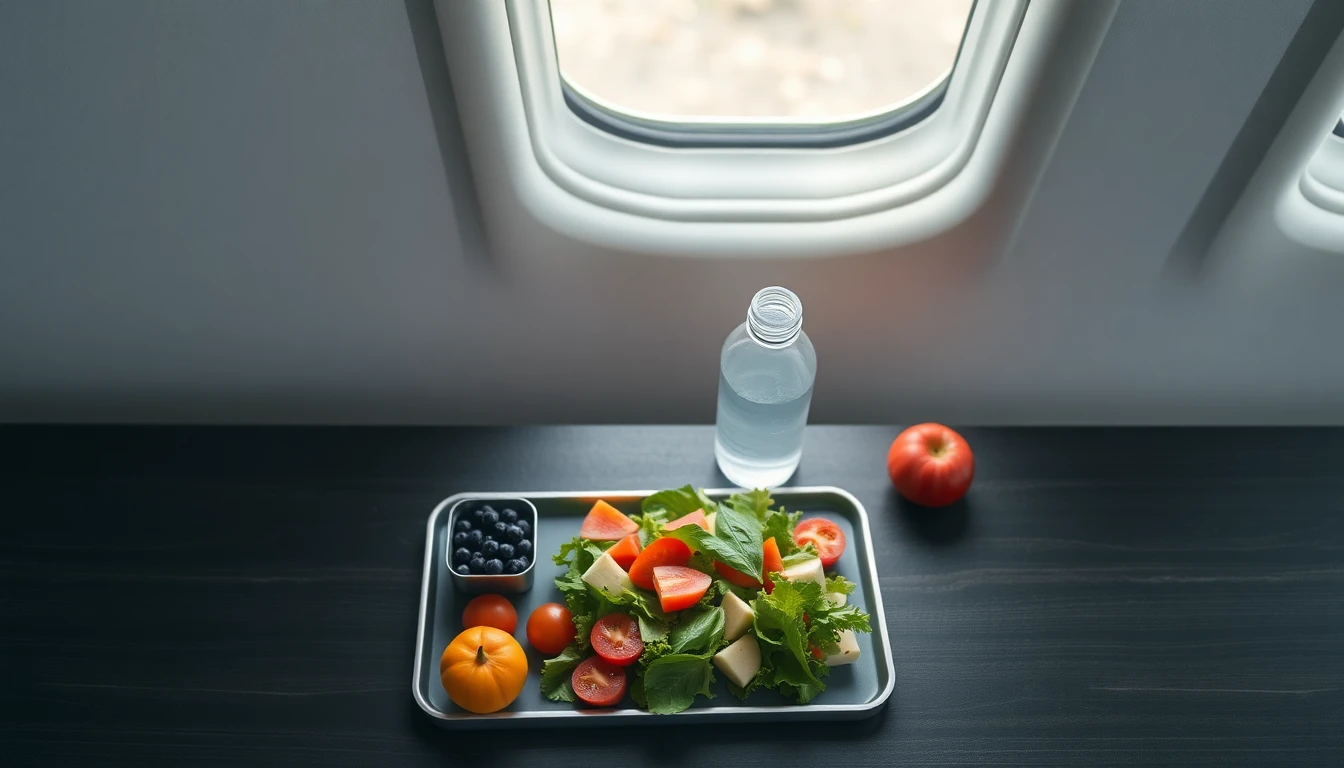
- Choose fresh over processed — Salad boxes, fresh fruit pots and vegetable sticks with hummus are gentler on your digestive system than crisps, pastries or fast food
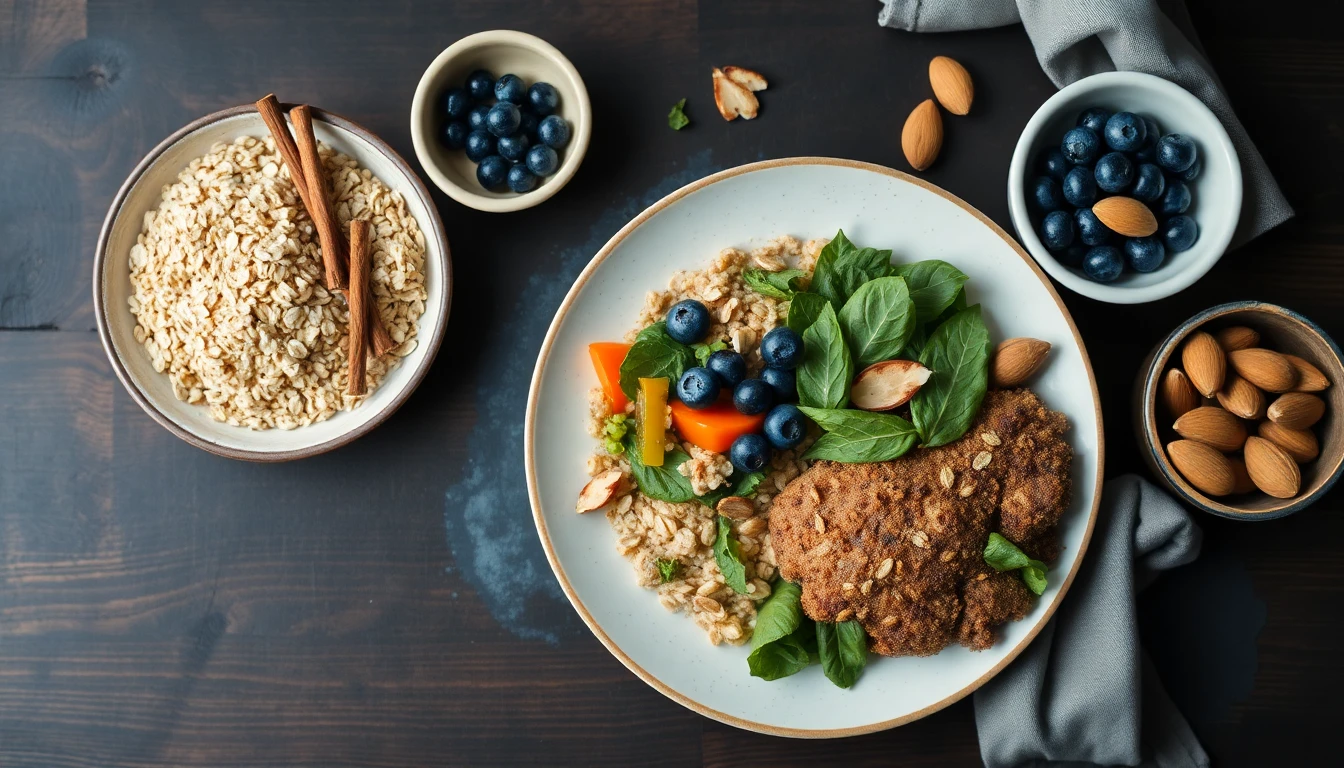
- Select low-FODMAP options — Foods low in fermentable carbohydrates reduce gas production. Good choices include rice, oats, bananas, blueberries, carrots, cucumber and lactose-free dairy
- Avoid cruciferous vegetables — Whilst healthy, broccoli, cauliflower and Brussels sprouts are gas-producing and can worsen bloating at altitude
- Pack portable protein — Nuts, seeds, hard-boiled eggs or protein bars provide sustained energy without blood sugar spikes
- Bring ginger products — Crystallised ginger, ginger tea or ginger biscuits can soothe nausea and aid digestion
- Read sodium levels — Many airport foods are extremely high in salt, which causes water retention and worsens dehydration. Aim for options under 400mg sodium per serving
Decoding In-Flight Meal Options
If you're on a long-haul flight with meal service, you often have more choice than the standard offering. Most airlines allow you to pre-order special meals including vegetarian, vegan, low-sodium, diabetic or gluten-free options. These alternatives are frequently fresher and lower in salt than standard meals.
When choosing from the in-flight menu, opt for meals with visible vegetables, lean proteins and whole grains. Avoid cream-based sauces, heavily processed meats and fried items. Don't feel obliged to eat everything on the tray—it's perfectly fine to skip the refined white roll or sugary dessert if you're not hungry.
Reducing Bloating and Digestive Discomfort
Beyond food and drink choices, several practical strategies can help minimise the uncomfortable bloating that plagues many travellers. Gas expansion at altitude is inevitable, but you can reduce its severity.
- Move regularly — Stand up and walk the aisle every 60-90 minutes. Movement stimulates intestinal motility and prevents gas from becoming trapped
- Practice abdominal breathing — Deep belly breathing can help relieve gas pressure and reduce stress-related digestive issues
- Wear loose clothing — Tight waistbands restrict your abdomen and worsen bloating sensations. Choose comfortable, stretchy fabrics
- Consider digestive enzymes — Some people benefit from taking digestive enzyme supplements with meals to aid breakdown and reduce gas. Consult your pharmacist first
- Chew thoroughly — Eating quickly causes you to swallow air, increasing intestinal gas. Take time to chew each bite properly
- Limit carbonated drinks — Fizzy beverages introduce additional gas into your system, exactly what you don't need at altitude
Probiotics for Travel
Research suggests that taking probiotics in the week before and during travel may help maintain digestive comfort and support immune function. Strains like Lactobacillus rhamnosus GG and Bifidobacterium lactis have shown particular promise for travellers. Probiotic-rich foods like natural yoghurt, kefir or fermented vegetables can also be beneficial if consumed regularly before your trip.
How FreshPlate Supports Your Travel Nutrition
Managing plane travel nutrition becomes even more important if you're taking medications or managing health conditions. Certain medications can increase dehydration risk, interact with alcohol or require consistent timing that gets disrupted by time zone changes.
Every recipe FreshPlate generates is built around your own medication list, and the For you tab on each recipe shows why it suits your goal and conditions and whether it fits what is left of your day. When you're away from home, you can log what you eat by photo, barcode or search, and if a packet isn't in any database, the app reads it off its own label: the nutrition table fills in the numbers and the ingredients are checked against your allergens and food rules. The app doesn't offer airline menu advice, meal timing for your destination or medication reminders, so for those, plan ahead with your pharmacist or the airline.
Whether you're managing diabetes and want to keep an eye on what you eat while travelling, taking medications that need thought around food, or simply want to arrive feeling your best, the Progress tab can show you how your day is going, why, and what to do next, with three dials chosen from your goal, conditions and medications. It's built around your own profile rather than generic advice, and for medical conditions it steers rather than prescribes, so it never claims to treat, prevent or cure anything.
Frequently asked questions
Should I eat before or after a long-haul flight?
+
Eat a light, balanced meal 2-3 hours before your flight to avoid both hunger and feeling overly full during boarding. Then align your eating schedule with meal times at your destination to help reset your body clock more quickly.
What is the best thing to drink on a plane to avoid jet lag?
+
Water is the best choice, aiming for 250ml per hour throughout your flight. Herbal teas like chamomile or peppermint also hydrate whilst offering digestive benefits. Avoid alcohol and caffeine as they worsen dehydration and disrupt sleep patterns.
Why do I get so bloated when I fly?
+
Cabin pressure at altitude causes gases in your digestive tract to expand by up to 25%. Combined with dehydration, lack of movement and often eating salty or gas-producing foods, this creates the uncomfortable bloating many people experience during flights.
What foods should I avoid before flying?
+
Avoid cruciferous vegetables (broccoli, cauliflower), beans, carbonated drinks, fried foods and high-sodium meals in the 24 hours before flying. These foods increase gas production, cause water retention or sit heavily in your stomach.
How long does it take to recover from jet lag?
+
Generally, it takes about one day per time zone crossed to fully adjust. However, strategic meal timing, light exposure and proper hydration can reduce this recovery time by 30-50% according to circadian rhythm research.
Sources
Did this answer your question?
Reece reads every reply. Questions we have not covered become new guides.
Small food changes. Big difference.
Get practical travel nutrition tips by email — simple, evidence-based changes you can make this week. One genuinely useful email a week — no spam, unsubscribe anytime.
Free forever. You'll also be first in line for the FreshPlate app — with a free trial at launch.