Selenium Rich Foods UK: Complete Guide for Thyroid Health
Discover the best selenium rich foods available in the UK, from Brazil nuts dosage to fish and grains. Learn how selenium supports thyroid function.

By Reece Douglas · Founder, FreshPlate
Listen to this article
Selenium Rich Foods UK: Complete Guide for Thyroid Health
Selenium might not grab headlines like vitamin D or omega-3s, but this trace mineral plays a crucial role in keeping your thyroid healthy and your immune system functioning properly. The challenge for those of us in the UK? Our soils contain some of the lowest selenium levels in Europe, which means the foods grown here often don't provide as much selenium as the same foods grown elsewhere.
If you have a thyroid condition such as hypothyroidism or Hashimoto's thyroiditis, you've likely heard about selenium's importance. But getting the right amount without overdoing it requires a bit of knowledge. This guide will walk you through the best selenium rich foods available in the UK, how much you actually need, and why Brazil nuts deserve their reputation as selenium superstars—with an important caveat about portion size.
Why Selenium Matters for Thyroid Health
Selenium is an essential trace mineral that your body cannot make itself, so you must obtain it through diet. It's a key component of selenoproteins, a group of proteins that have several critical functions in your body, particularly in thyroid hormone metabolism and antioxidant defence.
Your thyroid gland contains more selenium per gram of tissue than any other organ in your body. This concentration isn't coincidental—selenium is required for the enzymes that convert the thyroid hormone T4 into its active form, T3. Without adequate selenium, your thyroid simply cannot function optimally, even if you have sufficient iodine.
Selenium's Role in Thyroid Function
The thyroid relies on selenium-dependent enzymes called deiodinases to regulate hormone production and conversion. These enzymes control how much active thyroid hormone circulates in your bloodstream, affecting everything from metabolism and body temperature to mood and energy levels.
- Hormone conversion — selenium-containing enzymes convert T4 to active T3 hormone
- Antioxidant protection — glutathione peroxidases protect the thyroid from oxidative damage during hormone production
- Inflammation regulation — adequate selenium may help reduce thyroid antibodies in autoimmune conditions
- Immune function — supports normal immune response, important for autoimmune thyroid conditions
The UK Selenium Challenge
Unlike countries such as the United States and Canada, where selenium-rich soils ensure adequate dietary intake, the UK faces a geological disadvantage. British soils are naturally low in selenium due to the country's glacial history and high rainfall, which leaches selenium from the soil.
Studies have shown that UK selenium intake has declined by approximately 50% since the 1970s, when we imported more selenium-rich North American wheat. Now that we source more grain from Europe—where soils are also selenium-poor—average UK intakes have fallen below recommended levels. The British Dietetic Association estimates that many people in the UK consume only 30-40 micrograms daily, well below the recommended 60-75 micrograms.
Best Selenium Rich Foods Available in the UK
The good news is that whilst UK-grown plant foods may be lower in selenium, several excellent dietary sources remain readily available. Animal products and imported foods can help you meet your selenium needs without resorting to supplements.
Brazil Nuts: The Selenium Powerhouse
Brazil nuts are extraordinary when it comes to selenium content. A single nut can contain anywhere from 50 to 95 micrograms of selenium—nearly your entire daily requirement. However, this variability is important to understand: selenium content depends on the soil where the tree grew, so levels can differ dramatically between batches.
- Recommended portion — just 1-2 Brazil nuts daily provides adequate selenium for most adults
- Storage matters — keep them in the fridge or freezer to prevent rancidity of their high oil content
- Upper limit awareness — eating more than 4-5 daily can push you towards the upper safe limit of 400 micrograms
- Consistency — eating a small amount regularly is better than consuming large quantities sporadically
Fish and Seafood
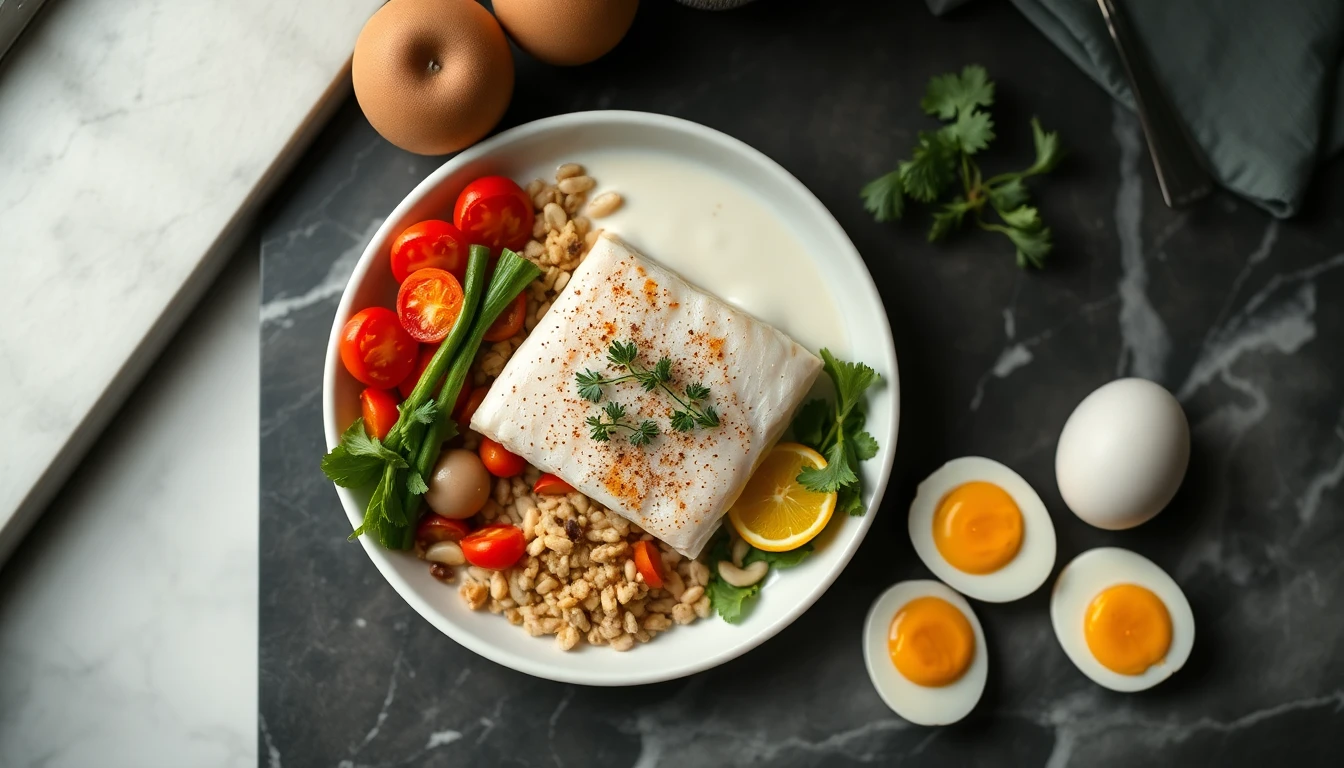
Fish is an excellent selenium source and offers the bonus of omega-3 fatty acids. Marine fish accumulate selenium from their diet, making them reliable sources regardless of UK soil conditions.
- Tuna — 80-90 micrograms per 100g serving, whether tinned or fresh
- Salmon — 40-50 micrograms per 100g, plus beneficial omega-3s
- Sardines — 45-55 micrograms per 100g, also rich in calcium from edible bones
- Cod and haddock — 30-40 micrograms per 100g, lean protein options
- Prawns and shellfish — 30-45 micrograms per 100g serving
Meat, Poultry, and Eggs
Animal products provide moderate amounts of selenium because animals concentrate the mineral from their feed, even when pasture selenium is low.
- Chicken breast — 25-30 micrograms per 100g
- Turkey — 30-35 micrograms per 100g
- Beef — 20-25 micrograms per 100g
- Pork — 25-30 micrograms per 100g
- Eggs — 15-20 micrograms per large egg, concentrated in the yolk
Grains and Plant Sources
Whilst UK-grown grains contain less selenium than those from selenium-rich regions, they still contribute to your daily intake, especially when consumed regularly.
- Wholemeal bread — 10-15 micrograms per two slices, varies by grain source
- Brown rice — 10-15 micrograms per cooked cup
- Oats — 10-13 micrograms per 40g serving
- Sunflower seeds — 25-30 micrograms per 30g serving
- Mushrooms — 5-12 micrograms per 100g, varies by type and growing conditions
How Much Selenium Do You Actually Need?
The NHS recommends 60 micrograms of selenium daily for women and 75 micrograms for men. During pregnancy and breastfeeding, requirements increase slightly to support both mother and baby. These figures represent the amount needed to maintain optimal selenoprotein function and prevent deficiency.
Selenium has a relatively narrow window between adequate intake and excessive consumption. The safe upper limit is set at 400 micrograms per day for adults. Going above this threshold regularly can lead to selenosis, a condition characterised by hair loss, nail brittleness, digestive upset, fatigue, and in severe cases, neurological symptoms.
- Adult women — 60 micrograms daily
- Adult men — 75 micrograms daily
- Pregnancy — 60 micrograms daily
- Breastfeeding — 75 micrograms daily
- Children 1-10 years — 15-30 micrograms daily, depending on age
- Adolescents 11-18 years — 45-70 micrograms daily
Signs You Might Need More Selenium
Selenium deficiency is uncommon in the UK but can occur in people with digestive disorders that impair mineral absorption, those following very restricted diets, or individuals with certain health conditions. If you're concerned, a blood test can measure selenium status.
- Fatigue and brain fog — low selenium may affect thyroid function and energy levels
- Weakened immunity — frequent infections can indicate inadequate selenium
- Thyroid issues — unexplained changes in thyroid function warrant checking selenium status
- Fertility concerns — selenium plays a role in reproductive health for both men and women
- Muscle weakness — severe deficiency can affect muscle function
Building a Selenium-Rich Meal Plan
As you can see, this sample day exceeds requirements but remains well below the 400 microgram upper limit. The key is not to combine multiple high-selenium foods in large quantities on the same day repeatedly. If you've had Brazil nuts at breakfast, you don't need a large tuna steak for dinner.
For those who don't eat fish or meat, achieving adequate selenium requires more planning. Two Brazil nuts daily would meet needs, but diversifying sources with sunflower seeds, mushrooms, and wholegrains alongside those nuts provides a better nutritional balance.
- Breakfast — porridge made with oats (12 mcg) topped with one Brazil nut, crushed (70 mcg)
- Lunch — wholemeal bread sandwich (12 mcg) with tinned tuna (40 mcg) and salad
- Dinner — grilled chicken breast (28 mcg) with brown rice (12 mcg) and vegetables
- Daily total — approximately 174 micrograms, comfortably within safe limits
Selenium Supplements: When Are They Needed?
For most people eating a reasonably varied diet, selenium supplements aren't necessary. However, certain groups may benefit from supplementation under medical guidance, particularly those with digestive conditions affecting mineral absorption, such as Crohn's disease or coeliac disease, or individuals with autoimmune thyroid conditions.
Research into selenium supplementation for Hashimoto's thyroiditis has shown mixed results. Some studies suggest that 200 micrograms of selenium daily may help reduce thyroid antibodies and improve wellbeing in people with this condition, but results aren't universal. The British Thyroid Foundation advises discussing supplementation with your GP or endocrinologist rather than self-prescribing.
- Typical supplement dose — 50-200 micrograms daily, well below the upper limit
- Form matters — selenomethionine and selenium-enriched yeast are well absorbed
- Timing — selenium is best absorbed with food
- Interactions — high-dose vitamin C may reduce selenium absorption if taken simultaneously
- Medical oversight — always inform your doctor about supplements, especially if you take thyroid medication
The Brazil Nut Alternative to Supplements
Before reaching for a supplement bottle, consider whether 1-2 Brazil nuts daily might serve you better. They provide selenium in a food matrix alongside healthy fats, fibre, magnesium, and other minerals. Research suggests that selenium from food may be utilised more effectively than isolated supplements, though more studies are needed to confirm this.
How FreshPlate Works Around Your Health Conditions and Medicines
Keeping an eye on your food whilst juggling health conditions, medications, and personal preferences can feel overwhelming. That's why FreshPlate builds your details into every recipe it creates for you.
When you tell us about your thyroid condition, the app steers rather than prescribes: recipes lean towards what public UK guidance (NHS, BDA) says suits the condition, and the app never claims to treat, prevent or cure anything. Your allergens are taken seriously too: fatal allergens are treated with zero tolerance, and your food and cultural preferences shape what you're offered.
If you add a medicine such as levothyroxine, FreshPlate reads it by its active ingredient and builds your recipes around your medication list. The For you tab on every recipe lists your medicines. Where the interaction checker has quoted the NHS or FDA on food, those words open up for you, quoted word for word; where there's no advice on file yet, it says so and points you to your pharmacist. The Progress tab also shows a minerals-and-vitamins panel against targets set for your body, with a "How we worked this out" tap behind every number, so you can see where the guidance comes from.
Frequently asked questions
How many Brazil nuts should I eat per day for selenium?
+
One to two Brazil nuts daily provides sufficient selenium for most adults, delivering approximately 70-150 micrograms. Eating more than four to five daily can exceed the safe upper limit of 400 micrograms, so moderation is important.
Can you get enough selenium from diet alone in the UK?
+
Yes, despite low UK soil selenium levels, you can meet requirements through Brazil nuts, fish, seafood, meat, eggs, and wholegrains. One or two Brazil nuts plus regular fish or meat consumption typically provides adequate selenium without supplements.
What are the symptoms of too much selenium?
+
Excessive selenium intake can cause hair loss, brittle nails, digestive upset, garlic breath odour, fatigue, and skin rashes. Severe toxicity may lead to neurological symptoms. The safe upper limit is 400 micrograms daily for adults.
Is selenium good for underactive thyroid?
+
Selenium is essential for thyroid hormone conversion and antioxidant protection of thyroid tissue. Whilst selenium won't cure hypothyroidism, adequate intake supports optimal thyroid function. Some research suggests it may help reduce antibodies in Hashimoto's thyroiditis, though more evidence is needed.
Do I need to take selenium supplements if I have thyroid problems?
+
Most people can meet selenium needs through diet, particularly with Brazil nuts and fish. Supplementation may benefit those with absorption issues or confirmed deficiency, but should only be taken under medical supervision, especially if you take thyroid medication. Discuss with your GP before supplementing.
Sources
Did this answer your question?
Reece reads every reply. Questions we have not covered become new guides.
Make selenium one less thing to worry about.
Get our free selenium guide by email — the best food sources, what helps and hinders absorption, and a week of meal ideas. One genuinely useful email a week — no spam, unsubscribe anytime.
Free forever. You'll also be first in line for the FreshPlate app — with a free trial at launch.