Student Nutrition UK: Eating Well on £25/Week in 2026
Practical student nutrition guide for UK halls and tight budgets. Learn how to fuel exam performance, batch cook with minimal equipment, and eat well for £25/week.

By Reece Douglas · Founder, FreshPlate
Listen to this article
Student Nutrition UK: Eating Well on £25/Week in 2026
University life in the UK brings exciting independence, but it also means navigating tight budgets, minimal cooking facilities, and the challenge of fuelling both your brain and body through demanding academic schedules. Many students assume that healthy eating requires expensive superfoods or elaborate meal preparation, but the reality is far more accessible.
Good student nutrition in the UK centres on understanding which affordable foods deliver the most nutritional value, how to work within the constraints of shared halls kitchens, and which simple cooking methods maximise both nutrition and your limited time. Whether you're facing exam season, managing lectures and part-time work, or simply trying to avoid the costly cycle of takeaways, this guide will show you how to eat well on approximately £25 per week whilst supporting your energy, concentration, and overall wellbeing.
The £25 Weekly Shopping List: Nutritional Foundations
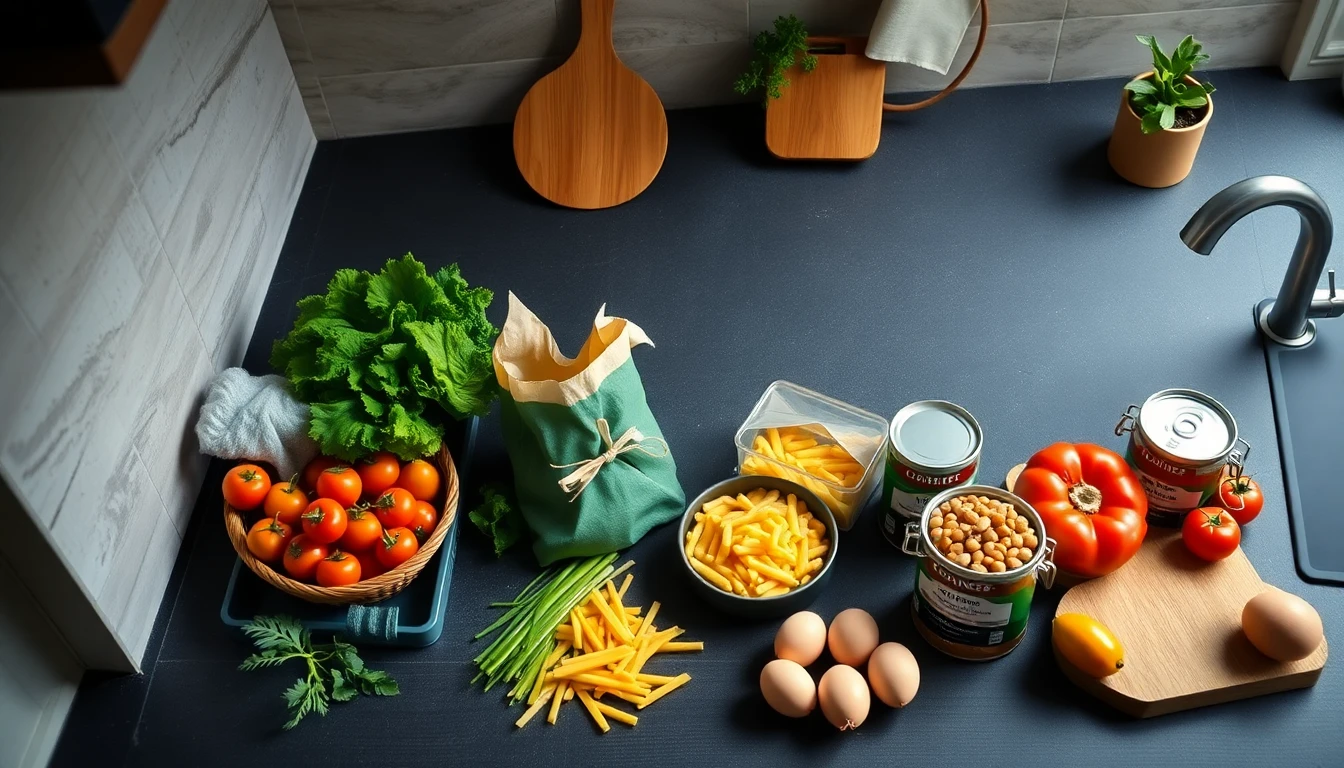
Strategic shopping forms the backbone of successful student nutrition on a budget. The key is selecting versatile staples that provide complete nutrition across multiple meals throughout the week. Your £25 budget should prioritise foods with high nutrient density relative to cost, focusing on protein sources, complex carbohydrates, and vegetables that store well in limited fridge space.
A typical weekly shop might allocate roughly £8 for proteins, £6 for carbohydrate staples, £7 for vegetables and fruit, and £4 for essentials like cooking oil, seasonings, and dairy or alternatives. This framework ensures you're covering all macronutrient needs without overspending on any single category.
- Eggs — exceptionally cost-effective complete protein at roughly £2 for a dozen, providing vitamin D, B vitamins, and choline for brain function
- Dried pasta and rice — around £1-2 for a kilogram that lasts multiple meals, offering sustained energy release from complex carbohydrates
- Tinned beans and lentils — approximately 50-70p per tin, delivering protein, fibre, and iron without refrigeration requirements
- Frozen vegetables — typically £1 per bag, nutritionally equivalent to fresh but with zero waste and longer storage
- Porridge oats — about £1 for a kilogram providing numerous breakfasts with sustained energy release and soluble fibre
- Peanut butter — roughly £2 for a jar offering protein, healthy fats, and versatility across meals and snacks
- Bananas and seasonal apples — budget-friendly fruit options at £1-2 weekly providing quick energy and essential vitamins
- Own-brand tinned tomatoes — 30-40p per tin forming the base for numerous nutritious meals
- Milk or fortified plant alternative — £1-1.50 weekly for calcium, vitamin D, and protein
Shopping Strategy for Maximum Value
Timing your shopping trips and knowing which retailers offer best value can extend your budget significantly. Most UK supermarkets reduce fresh items after 6pm, and shopping on Sunday evenings or Monday mornings often reveals the best yellow-sticker discounts. Own-brand products typically offer identical nutritional profiles to branded versions at 30-50% lower cost.
Consider splitting bulk purchases with flatmates for items like cooking oil, spices, or rice. A shared pantry approach for staples can reduce individual costs whilst minimising waste in small halls kitchens.
Exam Energy: Foods That Support Concentration and Performance
During revision and exam periods, your brain requires consistent glucose supply alongside specific nutrients that support cognitive function. Contrary to popular student habits, sugary snacks and energy drinks create blood sugar spikes followed by crashes that impair concentration and increase fatigue. Sustainable exam energy comes from balanced meals that combine complex carbohydrates, protein, and healthy fats.
Research published in the British Journal of Nutrition demonstrates that breakfast consumption, particularly including whole grains and protein, correlates with improved cognitive performance in young adults. The brain uses approximately 20% of your daily energy intake, making consistent, quality nutrition essential during demanding academic periods.
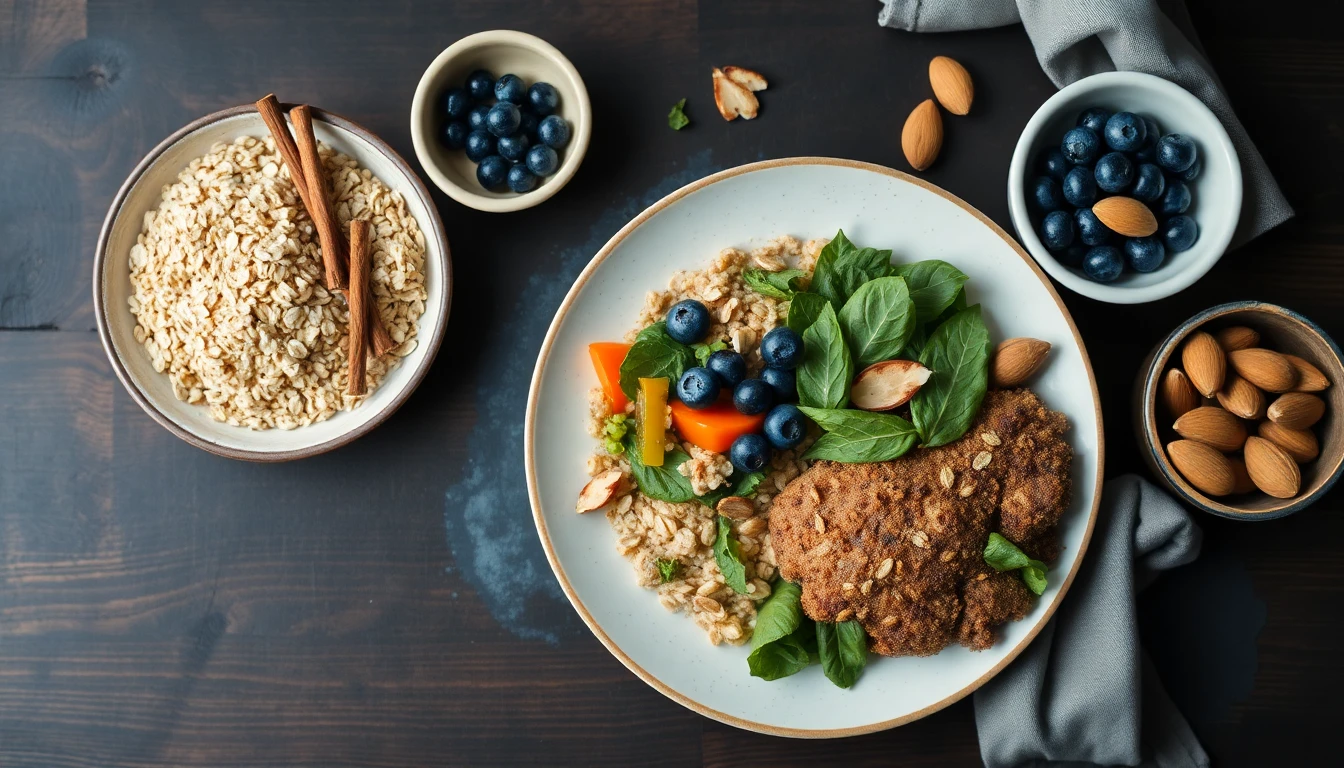
- Porridge with peanut butter — slow-release carbohydrates with protein stabilise blood sugar for sustained morning concentration
- Egg and beans on wholemeal toast — complete protein, B vitamins, and complex carbs support neurotransmitter production
- Pasta with tinned fish and frozen vegetables — omega-3 fatty acids, protein, and vitamins support brain function without breaking budget
- Hummus with vegetable sticks — easy snack providing protein, healthy fats, and micronutrients between study sessions
- Banana and peanut butter — quick energy with protein to prevent blood sugar crashes during long library sessions
Hydration and Cognitive Function
Dehydration of just 1-2% of body weight impairs concentration, memory, and cognitive performance. Students often mistake thirst for hunger or rely on caffeinated drinks without adequate water intake. Keep a reusable bottle at your desk and aim for roughly 1.5-2 litres of water daily, increasing during exam stress when you may forget to drink regularly.
Herbal teas offer hydration variety without cost, whilst limiting coffee to 1-2 cups daily prevents the anxiety and sleep disruption that excessive caffeine can cause during stressful periods.
Minimal Equipment Cooking for Halls Kitchens
Most university halls provide basic shared kitchen facilities, but you'll need a personal toolkit of essentials. Priority purchases should include a decent knife (£5-8), chopping board, one medium saucepan, one frying pan, a wooden spoon, and basic storage containers. These items, totalling roughly £25-30, enable you to prepare the vast majority of nutritious meals without requiring specialist equipment.
One-pot cooking methods become invaluable when working with limited hobs, minimal storage space, and potentially unreliable access to ovens in busy shared kitchens. These approaches also reduce washing-up, which matters when you're competing for limited sink space with multiple flatmates.
Essential One-Pot Meal Formulas
Master these basic formulas and you can create dozens of variations using whatever ingredients you have available or whatever's reduced at the supermarket.
- Pasta pot — cook pasta in minimal water, drain but reserve some liquid, return to pot with tinned tomatoes, frozen vegetables, and protein source, use pasta water to create sauce consistency
- Rice bowl — cook rice, push to sides of pan, scramble eggs in centre, stir through with frozen vegetables and soy sauce or other seasonings
- Bean chilli — fry onion if available, add tinned tomatoes, beans, frozen peppers, and basic spices, serve with rice or in wraps
- Vegetable soup — any combination of fresh or frozen vegetables, water or stock cube, tinned beans or lentils, blend partially for texture if you have access to a blender
Microwave-Friendly Nutrition
When hobs are occupied or you're working with just a microwave in your room, focus on combinations that heat safely and effectively. Jacket potatoes (8-10 minutes) topped with beans, tinned fish, or egg provide complete meals. Porridge, scrambled eggs, and steamed frozen vegetables all cook successfully in a microwave with appropriate containers.
Invest in one or two microwave-safe containers with lids for roughly £3-5. These enable steam-cooking vegetables and reheating batch-cooked meals safely.
Batch Cooking and Meal Prep on a Student Schedule
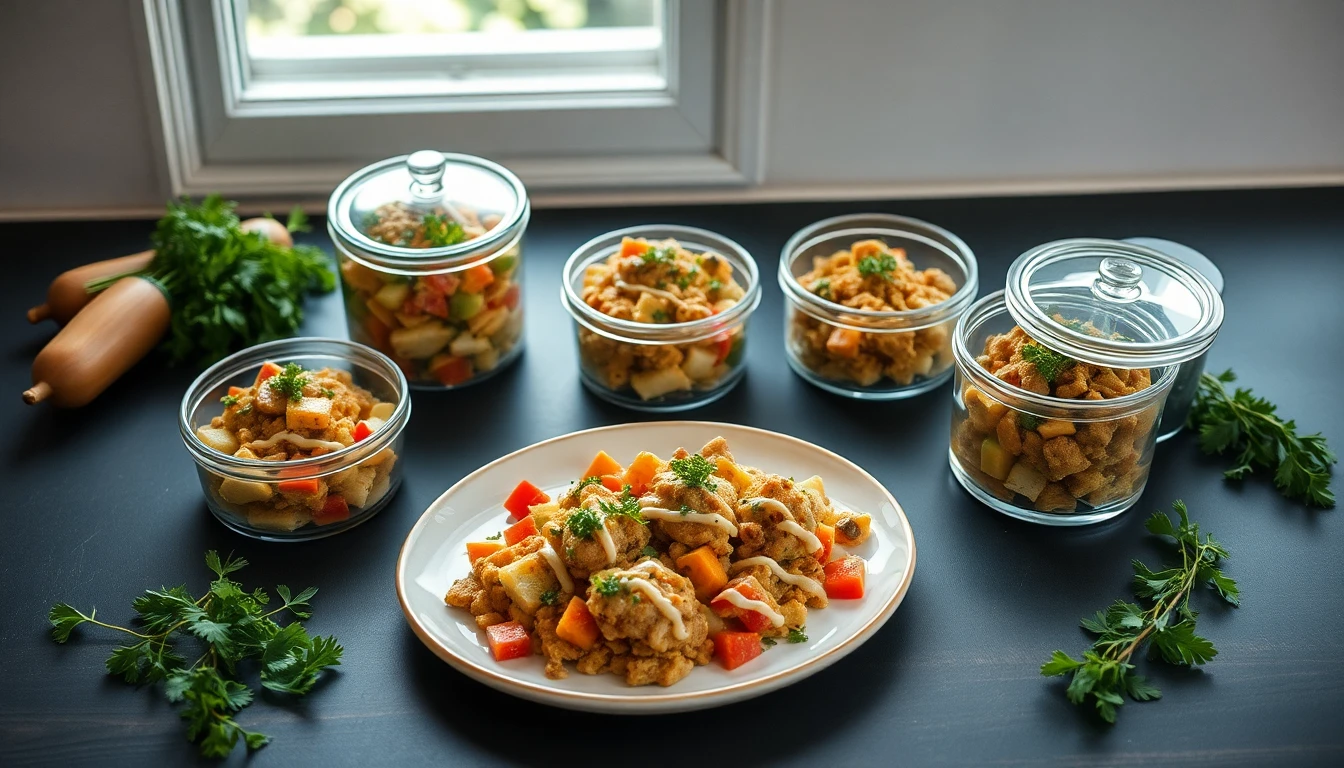
Dedicating 1-2 hours once or twice weekly to batch cooking transforms your nutrition, budget, and time management. Preparing multiple portions when you have kitchen access means you're not dependent on expensive meal deals or takeaways when the kitchen is busy or you're rushing between lectures.
Focus on recipes that freeze or refrigerate well for 3-5 days. Curries, chilli, pasta sauces, and rice-based dishes all improve in flavour over time and provide quick lunches or dinners throughout the week. Label containers with contents and dates, crucial in shared fridge environments where food can easily be confused or forgotten.
- Sunday batch cook — prepare 2-3 recipes in larger quantities, divide into portions, refrigerate for upcoming days or freeze for later weeks
- Breakfast prep — overnight oats in jars provide grab-and-go breakfast for 3-4 days, just requiring refrigeration and optional toppings
- Snack portions — divide bulk purchases like nuts, dried fruit, or homemade flapjacks into single portions to control costs and prevent overconsumption
- Cooked grains storage — cook larger quantities of rice or pasta, refrigerate in portions, reheat with different sauces throughout the week
Food Safety in Shared Spaces
Shared halls kitchens present particular food safety challenges. Always store raw and cooked foods separately, use sealed containers to prevent cross-contamination, and be vigilant about refrigerator temperatures. Most food poisoning in student accommodation results from inadequate storage or reheating practices.
Cool batch-cooked food quickly by dividing into smaller portions before refrigerating. Reheat thoroughly until steaming hot throughout, particularly important for rice-based dishes. Use refrigerated cooked food within 3 days, or freeze immediately after cooling for longer storage up to 3 months.
Managing Specific Dietary Requirements on a Tight Budget
Students managing conditions like coeliac disease, diabetes, food allergies, or following prescribed dietary patterns face additional challenges when working within halls constraints and limited budgets. However, whole food-based approaches often prove both more affordable and nutritionally superior to processed 'free-from' alternatives.
For gluten-free needs, focus on naturally gluten-free staples like rice, potatoes, eggs, and pulses rather than expensive replacement breads and pastas. For vegetarian or vegan students, combining different plant proteins throughout the day ensures complete amino acid profiles without requiring expensive mock meats. Those managing blood sugar should prioritise the budget-friendly combination of protein and fibre at each meal.
- Lactose intolerance — fortified own-brand plant milks often cost the same as dairy milk and provide equivalent calcium and vitamin D
- Iron needs — combine budget-friendly iron sources like lentils and beans with vitamin C from frozen vegetables or citrus fruit to enhance absorption
- Gluten-free — jacket potatoes, rice bowls, and egg-based meals provide filling options without premium-priced alternatives
- High protein requirements — eggs, tinned fish, Greek yoghurt, and peanut butter deliver affordable complete proteins
When to Seek Additional Support
If you're managing a health condition that requires specific dietary modifications, check whether you're eligible for Disabled Students' Allowance, which can help cover additional food costs for medical diets. University student services often provide emergency food support or hardship funds if financial circumstances make adequate nutrition difficult.
Register with a GP practice near your university accommodation and request referral to an NHS dietitian if you're struggling to manage medical dietary requirements. This service is free and provides evidence-based guidance tailored to both your health needs and practical circumstances.
How FreshPlate Supports Student Nutrition
Managing nutrition alongside academic demands, limited budgets, and minimal cooking facilities creates genuine challenges for students. FreshPlate helps with the everyday side of it: it keeps the recipes you choose on a shopping list, and when you make something yourself, it works out the numbers once so you don't have to keep guessing.
If you cook a big pot of something or a tray bake in halls, the Cook feature on the Meals tab measures it from its ingredient lines in one go, per 100 g and with a real serving size. It keeps the food in your kitchen with a photo, and from then on you can log a slice or a portion in one tap. When a food is on the day's plan, it scores against what is left of your day. For packs from the shop, you can log by photo, barcode or search, and if a pack isn't in any database, the app reads it off its own label on your phone.
If you take regular medications, the app builds every recipe around your own medication list, and the For you tab on each recipe lists your medicines. About 170 of them open the NHS or US FDA words about food, quoted word for word, with a link to the interaction checker page. The rest say there is no advice on file yet and point you to your pharmacist. That tab also shows what was checked for your allergens, diet and religious food rules, why a recipe suits your goal, and whether it fits what is left of your day. It is a helpful starting point, but your pharmacist or GP is still the person to ask about food and your medicines.
Frequently asked questions
What is the cheapest way to eat healthy as a student in the UK?
+
Focus on nutrient-dense staples like eggs, dried pasta, tinned beans, frozen vegetables, and porridge oats, which typically cost £20-25 weekly. Batch cook 2-3 recipes on Sundays, shop own-brand products, and time supermarket visits for evening reductions. This approach provides complete nutrition whilst minimising both cost and cooking time in shared halls kitchens.
What should students eat during exam revision for energy?
+
Prioritise meals combining complex carbohydrates, protein, and healthy fats for sustained energy and concentration. Porridge with peanut butter, eggs with wholegrain toast, and pasta with tinned fish provide stable blood sugar levels that support cognitive function. Avoid relying on sugary snacks or excessive caffeine, which create energy crashes that impair exam performance.
Can you eat healthily in university halls with minimal cooking equipment?
+
Yes, with one saucepan, a frying pan, and access to a microwave or hob, you can prepare nutritious meals using one-pot methods. Focus on simple formulas like pasta pots, rice bowls, bean chilli, and jacket potatoes with protein toppings. These require minimal equipment, create little washing up, and provide complete nutrition from affordable ingredients.
How can students get enough protein on a tight budget?
+
Eggs, tinned beans, lentils, peanut butter, and Greek yoghurt offer the most cost-effective protein sources, typically providing 15-20g protein per portion for under £1. Tinned fish like mackerel or sardines provide affordable omega-3 alongside protein. These staples enable students to meet daily protein requirements of roughly 50-60g without expensive meat or supplements.
What are the best batch cooking recipes for students?
+
Bean chilli, vegetable curry, pasta with tomato-based sauces, and rice-based dishes freeze well and reheat safely throughout the week. Cook larger quantities on Sunday, divide into portions using basic containers, and refrigerate for 3-4 days or freeze for up to 3 months. This approach provides quick meals during busy academic periods whilst maximising your limited kitchen access and budget.
Sources
Did this answer your question?
Reece reads every reply. Questions we have not covered become new guides.
Small food changes. Big difference.
Get practical student nutrition tips by email — simple, evidence-based changes you can make this week. One genuinely useful email a week — no spam, unsubscribe anytime.
Free forever. You'll also be first in line for the FreshPlate app — with a free trial at launch.