Bisoprolol: Foods to Avoid & Safe Meal Timing
Taking bisoprolol? Discover which foods to avoid, whether grapefruit interacts, if you can take it on an empty stomach, plus alcohol guidance.

By Reece Douglas · Founder, FreshPlate
Listen to this article
Bisoprolol: Foods to Avoid & Safe Meal Timing
Bisoprolol is one of the most commonly prescribed beta-blockers in the UK, used to manage high blood pressure, heart failure, and certain heart rhythm conditions. It's effective, well-tolerated by most people, and has a once-daily dosing schedule that makes it convenient. But like many cardiovascular medications, bisoprolol can interact with certain foods and drinks in ways that affect how well it works—or how you feel whilst taking it.
Understanding these interactions doesn't mean you need to overhaul your entire diet. Most people taking bisoprolol can eat normally with just a few mindful adjustments. This guide explains which foods and beverages deserve attention, why timing matters, and how to build eating patterns that support both your medication and your overall health.
How Bisoprolol Works and Why Food Matters
Bisoprolol belongs to a class of medications called selective beta-1 blockers. It works by blocking beta-adrenergic receptors in the heart, which slows your heart rate and reduces the force of contractions. This lowers blood pressure and reduces the heart's workload—particularly helpful if you have heart failure or have experienced a heart attack.
Unlike some medications that require strict food avoidance, bisoprolol is relatively forgiving. It can be taken with or without food, and its absorption isn't dramatically affected by most meals. However, certain beverages can influence how much of the drug enters your bloodstream, and other dietary factors can amplify or reduce side effects you might experience. Understanding these drug-food interactions helps optimise your treatment.
Bioavailability and Consistent Absorption
Bioavailability refers to how much of a drug actually reaches your bloodstream to produce its effect. Bisoprolol has roughly 80% bioavailability when taken orally, which is quite good. Food has minimal impact on this, but consistency is key: if you always take it with breakfast, continue doing so. If you prefer taking it on an empty stomach, stick with that routine. This consistency helps maintain steady blood levels and predictable effects.
Foods to Avoid When Taking Bisoprolol
The most important foods and drinks to consider when taking bisoprolol are those that can reduce how much medication your body absorbs or amplify unwanted side effects. Unlike some other cardiovascular medications, bisoprolol doesn't have an extensive list of forbidden foods, but a few key interactions deserve your attention.
Orange juice tops the list of dietary considerations. It contains compounds that can significantly interfere with drug absorption, potentially reducing bisoprolol's effectiveness. Meanwhile, alcohol and excessive sodium work against your treatment goals in different ways.
Orange Juice: The Primary Concern
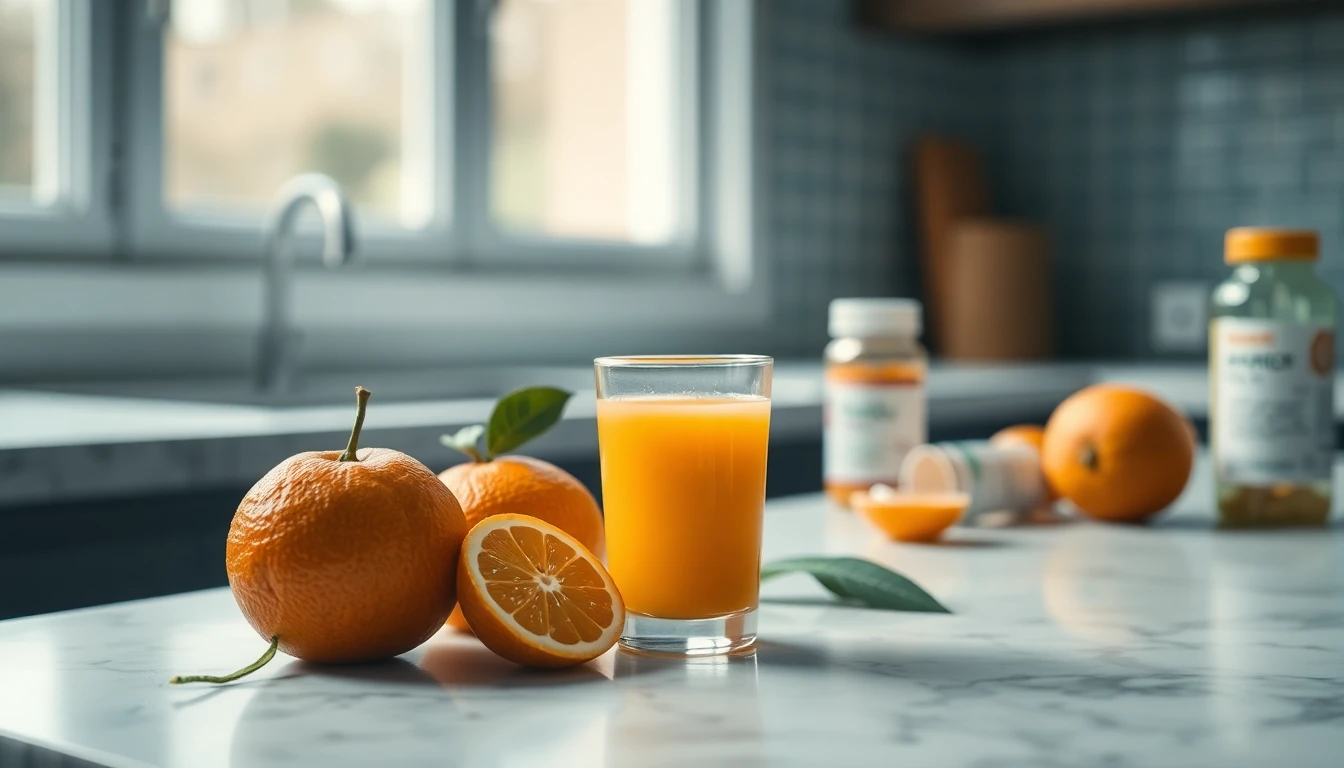
Orange juice, especially varieties fortified or made from concentrate, contains compounds that inhibit organic anion transporting polypeptides (OATPs). These transport proteins help drugs move from your gut into your bloodstream. When they're blocked, less medication gets absorbed, potentially reducing bisoprolol's effectiveness by up to 50%.
A study published in Clinical Pharmacology & Therapeutics found that orange juice reduced the bioavailability of certain beta-blockers, including atenolol (a close cousin to bisoprolol), by approximately 40-50%. Whilst bisoprolol hasn't been as extensively studied in this context, pharmacologists advise caution given the similar drug structures and absorption pathways.
Practical Orange Juice Guidelines
If you enjoy orange juice, consume it at least two hours before or four hours after taking bisoprolol to minimise interaction. A small glass (150ml) occasionally is unlikely to cause problems, but a large glass with your tablet every morning might significantly reduce absorption. Whole oranges provide fibre and lower concentrations of the interfering compounds, making them a safer choice than juice.
If you've been taking bisoprolol with orange juice for months and your blood pressure is well-controlled, don't panic. Your doctor has likely dosed you appropriately based on your response. But if your blood pressure readings have been inconsistent, or you're not seeing the expected benefits, consider whether your morning juice might be part of the puzzle.
Bisoprolol and Grapefruit: What You Need to Know
Many people ask whether grapefruit interacts with bisoprolol, since grapefruit juice famously interferes with numerous medications. The good news: bisoprolol is not primarily metabolised by the CYP3A4 enzyme that grapefruit affects, making this interaction less concerning than with calcium channel blockers or statins.
Grapefruit juice's main mechanism of interference involves blocking CYP3A4 enzymes in your liver and intestines, which can dramatically increase blood levels of susceptible drugs. Because bisoprolol is eliminated largely unchanged by the kidneys and doesn't rely heavily on CYP3A4 metabolism, grapefruit presents minimal direct risk.
- Different pathway — Bisoprolol's metabolism doesn't depend significantly on the enzyme grapefruit inhibits
- Still use caution — Some doctors recommend avoiding grapefruit as a general precaution with cardiovascular medications
- Orange juice more relevant — For bisoprolol specifically, orange juice presents a greater absorption concern than grapefruit
- Individual variation — If you're taking multiple heart medications, grapefruit restrictions may apply to your other drugs
Can You Eat Grapefruit with Bisoprolol?
Current evidence suggests you can consume grapefruit whilst taking bisoprolol alone, but always confirm with your pharmacist or doctor, especially if you take other cardiovascular medications. Many people on beta-blockers also take statins, ACE inhibitors, or other drugs that do interact significantly with grapefruit. Your individual medication regimen determines whether grapefruit avoidance is necessary.
Alcohol and Bisoprolol: Understanding the Risks
Alcohol doesn't directly interfere with bisoprolol absorption, but it can significantly amplify side effects and work against your cardiovascular health goals. Both alcohol and beta-blockers lower blood pressure—combining them can lead to excessive drops that cause dizziness, lightheadedness, or even fainting.
Beta-blockers also mask some of the body's natural responses to low blood sugar, which can be particularly problematic if you drink alcohol without eating. Alcohol itself lowers blood sugar, and without the usual warning signs (rapid heartbeat, shakiness), you might not recognise hypoglycaemia until it becomes severe.
- Blood pressure effects — Both substances cause vasodilation; together they can drop blood pressure to uncomfortable or unsafe levels, especially when standing up quickly
- Dizziness and falls — Older adults are particularly vulnerable to falls when combining alcohol with beta-blockers
- Heart rhythm considerations — Heavy drinking can trigger arrhythmias, potentially counteracting bisoprolol's protective effects on heart rhythm
- Liver processing — Both bisoprolol and alcohol are processed by your liver; excessive alcohol may affect drug metabolism, though this is rarely clinically significant at moderate drinking levels
Sensible Drinking Guidelines
If you choose to drink alcohol whilst taking bisoprolol, moderation is essential. UK Chief Medical Officers recommend no more than 14 units per week, spread over three or more days. That's roughly six pints of average-strength beer or ten small glasses of wine per week—and that's a maximum, not a target.
More importantly, pay attention to how you feel. Some people on beta-blockers find they become lightheaded after just one drink. If you're new to bisoprolol, test your response cautiously—perhaps with a single drink at home before drinking in social situations. Always eat something when drinking, and stay well-hydrated with water.
Can Bisoprolol Be Taken on an Empty Stomach?
Yes, bisoprolol can safely be taken on an empty stomach. Unlike some medications that require food to prevent stomach upset or enhance absorption, bisoprolol is absorbed well regardless of whether you've eaten. This flexibility makes it convenient for different routines and preferences.
The most important factor isn't whether you take it with food, but rather consistency. Taking bisoprolol the same way each day—always with breakfast or always before breakfast—helps maintain steady drug levels in your bloodstream, leading to more predictable blood pressure control and fewer side effects.
- Either approach works — Food doesn't significantly affect bisoprolol absorption, so choose what suits your routine
- Consistency matters most — Take it the same way daily, whether with food or without, preferably at the same time each morning
- Stomach comfort — If you experience any mild nausea, taking it with food may help, but this isn't necessary for most people
- Morning dosing preferred — Most doctors recommend taking bisoprolol in the morning to align with natural blood pressure patterns
Optimal Timing for Best Results
Many people take bisoprolol in the morning with breakfast. This approach has several advantages: it's easy to remember as part of a morning routine, it provides cardiovascular protection during active daytime hours when blood pressure naturally rises, and taking it with food may reduce any mild stomach upset some people experience initially.
Set a daily alarm or tie it to a habitual activity—brushing teeth, making coffee, or having breakfast—to maintain steady drug levels. Avoid taking beta-blockers at bedtime, as this can potentially interfere with melatonin production and sleep quality in some individuals, though responses vary.
What If You Miss a Dose?
If you forget your morning dose and remember within a few hours, take it as soon as you remember. If it's nearly time for your next dose (say, late afternoon or evening), skip the missed dose entirely—never double up. Bisoprolol has a long half-life (10-12 hours), meaning one missed dose won't leave you unprotected, but try to minimise this by using reminders.
If you're frequently forgetting doses, speak with your pharmacist about strategies. Pill organisers, smartphone apps, or pairing medication with a daily habit can all improve adherence—which is crucial for cardiovascular medications to work effectively.
Other Dietary Considerations with Bisoprolol
Beyond orange juice, grapefruit, and alcohol, a few other dietary factors deserve mention. These aren't strict avoidances but rather considerations that can help you feel better and get the most from your medication.
Potassium-Rich Foods
Unlike ACE inhibitors or certain diuretics, beta-blockers don't typically cause potassium retention. You don't need to avoid high-potassium foods like bananas, potatoes, or spinach. In fact, a potassium-rich diet supports healthy blood pressure. Just maintain balance and avoid suddenly increasing potassium intake dramatically without discussing it with your doctor, especially if you take other heart medications.
Caffeine Sensitivity
Beta-blockers can sometimes make people more sensitive to caffeine's effects. If you notice jitteriness, palpitations, or sleep disturbances after your usual coffee intake, consider reducing your caffeine consumption or switching to decaf for some of your daily cups. This isn't a universal problem, but it's worth monitoring.
High-Sodium Foods
Whilst not a direct drug interaction, excessive sodium works against bisoprolol's blood-pressure-lowering effects. The NHS recommends no more than 6g of salt daily (about one teaspoon). Reducing processed foods, checking labels, and cooking from fresh ingredients supports your cardiovascular health and allows bisoprolol to work optimally.
Natural Liquorice
Real liquorice (not just liquorice-flavoured sweets, which usually contain no actual liquorice) contains glycyrrhizin, which can raise blood pressure and cause potassium loss. If you regularly consume liquorice tea, herbal supplements, or traditional liquorice confectionery, mention this to your doctor. Occasional consumption is unlikely to be problematic, but regular intake could counteract your medication.
How FreshPlate Helps You Navigate Medication and Food
Managing food-drug interactions doesn't mean you need a pharmacy degree or hours of research. FreshPlate was built specifically to handle this complexity automatically, creating personalised recipes and meal plans that account for your medications, including bisoprolol and other cardiovascular drugs.
When you add bisoprolol to your medication list in FreshPlate, the app automatically adjusts recipe suggestions to minimise potential interactions. It will flag high-sodium recipes, suggest alternatives to large servings of orange juice at breakfast, and provide meal timing guidance that aligns with your medication schedule. You'll receive recipes that support heart health without requiring you to manually cross-reference every ingredient.
Beyond specific drug interactions, FreshPlate considers the broader picture of cardiovascular nutrition—emphasising whole grains, omega-3 fatty acids, fibre-rich foods, and plenty of vegetables. These aren't just good for your heart; they work synergistically with bisoprolol to support healthy blood pressure and reduce cardiovascular risk. The app essentially serves as your personal nutrition pharmacist, letting you focus on enjoying food whilst it handles the technical details in the background.
Frequently asked questions
What foods should I avoid when taking bisoprolol?
+
The main food to avoid when taking bisoprolol is large amounts of orange juice within two hours of your dose, as it can reduce absorption by up to 50%. Also limit alcohol, which can amplify dizziness and blood pressure drops. Excessive sodium and natural liquorice should be limited as they work against blood pressure control, though they don't directly interact with the drug.
Does bisoprolol interact with grapefruit?
+
Bisoprolol has minimal interaction with grapefruit because it's not primarily metabolised by the CYP3A4 enzyme that grapefruit affects. Unlike some cardiovascular medications, grapefruit is less of a concern with bisoprolol specifically. However, if you take other heart medications alongside bisoprolol, grapefruit restrictions may still apply—always check with your pharmacist about your complete medication list.
Can I take bisoprolol on an empty stomach?
+
Yes, you can safely take bisoprolol on an empty stomach. Food doesn't significantly affect its absorption, so you can take it with or without breakfast based on your preference. The most important factor is consistency—take it the same way each day, preferably at the same time each morning, to maintain steady drug levels and predictable blood pressure control.
Can I drink alcohol whilst taking bisoprolol?
+
You can drink alcohol in moderation whilst taking bisoprolol, but both substances lower blood pressure, which can cause excessive dizziness or lightheadedness when combined. Stick to UK guidelines of no more than 14 units weekly, always eat when drinking, and pay close attention to how you feel. Some people find they tolerate alcohol poorly on beta-blockers.
Can you eat grapefruit with bisoprolol?
+
Current evidence suggests grapefruit has minimal direct interaction with bisoprolol alone, as bisoprolol isn't significantly metabolised by the enzyme grapefruit inhibits. However, many people taking bisoprolol also take other cardiovascular medications that do interact with grapefruit. Always confirm with your pharmacist whether grapefruit is safe based on your complete medication regimen.
Why can't you drink orange juice with bisoprolol?
+
Orange juice contains compounds that inhibit drug transporters in your gut, potentially reducing bisoprolol absorption by up to 50%. This can make your medication less effective at controlling blood pressure. If you enjoy orange juice, consume it at least two hours before or four hours after taking your medication to avoid this interaction.
Sources
Did this answer your question?
Reece reads every reply. Questions we have not covered become new guides.
Eating around bisoprolol shouldn’t be guesswork.
Get our free bisoprolol food guide by email — the foods to watch, safe swaps, and meal ideas that work with your medication. One genuinely useful email a week — no spam, unsubscribe anytime.
Free forever. You'll also be first in line for the FreshPlate app — with a free trial at launch.