Hidden Gluten Foods Coeliac: 15 Surprising Sources
Living with coeliac disease? These 15 everyday foods contain hidden gluten that may be triggering your symptoms. Learn where gluten hides and how to stay safe.

By Reece Douglas · Founder, FreshPlate
Listen to this article
Hidden Gluten Foods Coeliac: 15 Surprising Sources
When you're first diagnosed with coeliac disease, the obvious sources of gluten become second nature to avoid. No bread, pasta, or biscuits. But it's the hidden gluten foods that often catch people out—the condiments, processed foods, and medications you'd never suspect contain wheat, barley, or rye.
Research shows that even tiny amounts of gluten (as little as 10 milligrams per day) can damage the small intestine in people with coeliac disease, causing symptoms and long-term complications. That's roughly one-eighth of a crouton. Understanding where gluten hides isn't about being overly cautious—it's about protecting your health and achieving proper healing. This guide will walk you through 15 surprising places where gluten lurks, helping you navigate daily food choices with confidence.
Condiments and Sauces: The Biggest Hidden Gluten Culprits
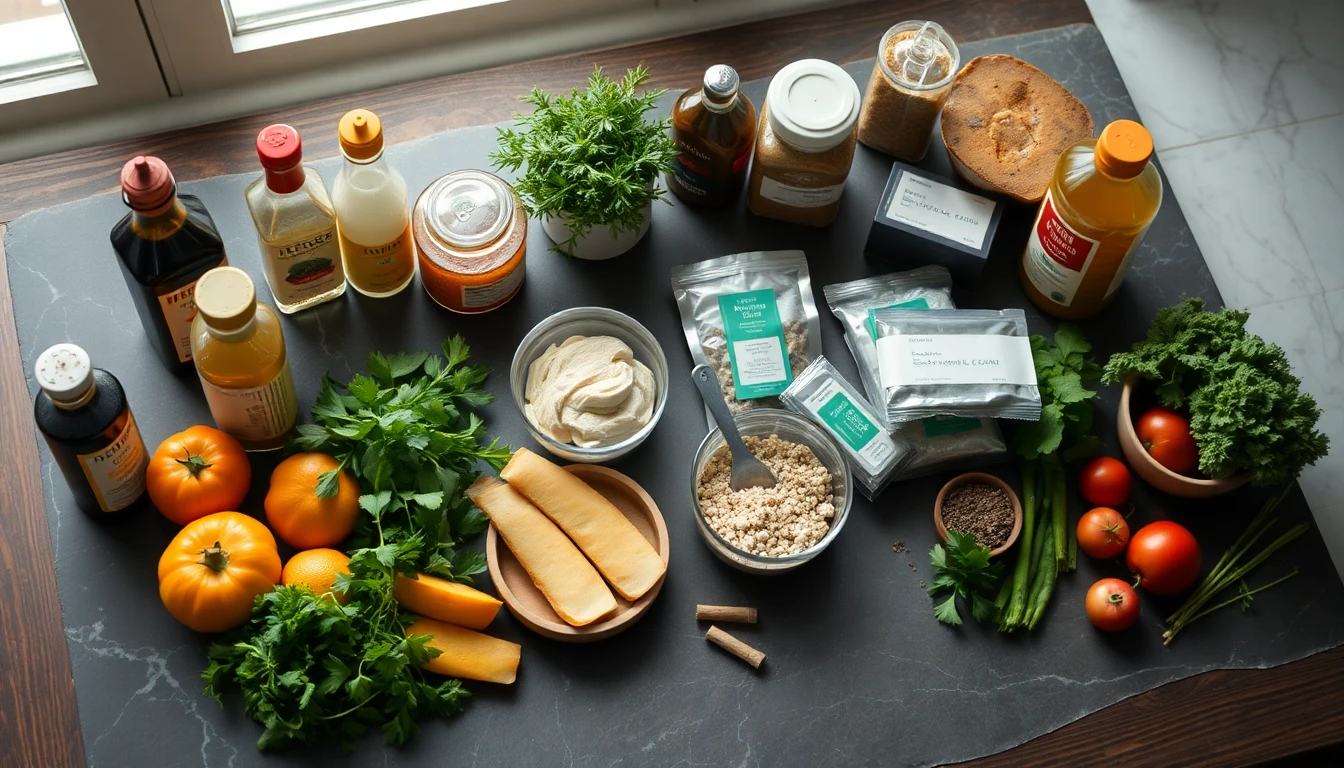
Condiments are perhaps the most commonly overlooked sources of hidden gluten. Many use wheat flour as a thickener or contain barley malt vinegar, making them unsafe for those with coeliac disease. Even a small splash can be enough to trigger symptoms.
- Soy sauce — Traditional soy sauce is brewed with wheat as a primary ingredient. Always choose tamari labelled 'gluten free', as some tamari varieties still contain wheat
- Malt vinegar — Made from barley, making it unsafe. White, wine, and cider vinegars are generally safe alternatives
- Ready-made gravy — Most granules and liquid gravies contain wheat flour as a thickener. Look for specifically certified gluten-free varieties
- Salad dressings — Many contain wheat flour, malt vinegar, or soy sauce. Creamy dressings often use wheat as a stabiliser
- Worcestershire sauce — Traditional recipes contain malt vinegar, though gluten-free versions are now widely available
- BBQ and brown sauces — Frequently contain malt vinegar or wheat-based thickeners
What to Check on Labels
Always look for the Crossed Grain symbol (licensed by Coeliac UK) or explicit 'gluten free' labelling. In the UK, foods labelled gluten free must contain less than 20 parts per million of gluten. Be wary of 'wheat free' labels—these may still contain barley or rye.
Stock Cubes, Seasonings, and Flavour Enhancers
These kitchen staples are frequent sources of hidden gluten, often used daily without a second thought. Wheat flour and wheat starch are cheap bulking agents, whilst barley malt extract is used for colour and flavour.
- Stock cubes and bouillon powder — Most conventional brands contain wheat flour or wheat starch. Kallo, Knorr Gluten Free, and OXO Gluten Free ranges are safe options
- Dried mixed herbs and spices — Pure single herbs and spices are safe, but blends may contain wheat flour as an anti-caking agent or wheat starch as a filler
- Spice mixes — Curry powder, fajita seasoning, and other blends often contain wheat
- Mustard powder — Some brands use wheat flour to prevent clumping, though many are naturally gluten free
- Ready-made seasoning packets — Taco seasoning, pasta sauce mixes, and similar products frequently contain wheat
Safe Alternatives
Making your own stock from bones, vegetables, and pure herbs gives you complete control. For convenience, several supermarket own-brands now offer certified gluten-free stock cubes. When buying spice mixes, Schwartz lists gluten-containing products clearly on their website, and most single spices from any brand are safe.
Oats and Cross-Contamination Issues
Oats deserve special attention in any discussion of hidden gluten foods. Whilst oats don't naturally contain gluten, they contain a similar protein called avenin that some people with coeliac disease react to. More commonly, standard oats are contaminated with wheat, barley, or rye during growing, harvesting, transport, or processing.
Coeliac UK advises that most people with coeliac disease can safely eat oats, but only those specifically labelled gluten free. Even then, it's recommended to introduce them gradually and only once you're established on a gluten-free diet and your symptoms have settled.
- Standard porridge oats — Almost always contaminated with wheat or barley. Never safe for coeliac disease
- Muesli and granola — Usually made with standard oats and often contain malt or wheat flakes
- Flapjacks and cereal bars — Most use regular oats and may contain wheat flour or barley malt syrup
- Oat milk — Check labels carefully. Many brands use regular oats; only those made with gluten-free oats are safe
Understanding Avenin Sensitivity
Research suggests that approximately 5% of people with coeliac disease react to avenin, the protein in oats. If you experience symptoms after introducing gluten-free oats, even certified ones, speak to your GP or dietitian. You may need to avoid oats entirely, even the pure varieties.
Processed Foods and Surprising Sources
Gluten appears in numerous processed foods where you'd least expect it, often as a cheap filler, thickener, or coating agent.
- Chips from chip shops — Usually cooked in the same oil as battered fish or other gluten-containing foods, causing cross-contamination. Some chip shops use wheat flour as a releasing agent
- Crisps and snacks — Many flavoured crisps contain wheat flour or barley malt vinegar. Ready salted varieties are usually safe, but always check
- Processed meats — Sausages, burgers, and deli meats often contain rusk (wheat breadcrumbs) as a binder or filler
- Imitation seafood — Crab sticks and similar products typically contain wheat starch
- Liquorice — Most varieties contain wheat flour as a binder
- Communion wafers — Standard wafers are made from wheat. Speak to your place of worship about gluten-free alternatives
Cross-Contamination in Food Preparation
Even naturally gluten-free foods can become contaminated during preparation. This is particularly problematic when eating out or buying takeaways. Shared fryers, toasters, chopping boards, and utensils can all transfer enough gluten to cause symptoms.
When ordering chips, ask whether they're cooked in dedicated gluten-free oil. At home, if you share a kitchen with gluten-eating family members, consider separate toasters, butter dishes, and wooden spoons. Wipe down surfaces thoroughly, and always use clean oil or a clean grill pan when preparing your food.
Medications and Supplements
This is one of the most overlooked sources of hidden gluten, yet it's crucial for people with coeliac disease. Wheat starch is commonly used as a binding agent in tablets and capsules, and whilst highly processed, it may still contain enough gluten to cause problems for sensitive individuals.
In the UK, manufacturers must list wheat starch in the ingredients of medications. However, they're not required to state whether it's gluten free. Most wheat starch in UK medicines is processed to remove gluten, but not all.
- Prescription medications — Check with your pharmacist. Many pharmacies can access databases showing which products are gluten free
- Over-the-counter medicines — Pain relievers, cold remedies, and supplements may contain wheat starch or other gluten sources
- Vitamin and mineral supplements — Particularly multivitamins and B-complex supplements often use wheat as a filler
- Herbal remedies — These are less regulated and may contain hidden gluten
Getting Gluten-Free Prescriptions
You can request gluten-free versions of essential medications. If your regular prescription contains gluten, speak to your GP about alternatives. Many—though not all—medications have gluten-free equivalents. For over-the-counter purchases, Coeliac UK maintains a food and drink directory that includes some medication information, and pharmacists can usually check specific products for you.
How FreshPlate Helps You Avoid Hidden Gluten
Tracking down hidden gluten in every meal can feel overwhelming, especially when you're newly diagnosed or trying to meal plan for the week ahead. This is where FreshPlate takes the guesswork out of managing coeliac disease.
When you set up your FreshPlate profile and indicate that you have coeliac disease, our algorithm automatically filters out any recipes containing gluten—including those hidden sources that often get missed. We flag ingredients like soy sauce, stock cubes, oats, and processed items that commonly contain gluten, offering safe alternatives within each recipe.
More than just filtering recipes, FreshPlate builds your meal plans around naturally gluten-free whole foods whilst ensuring you're getting adequate nutrition—particularly important since coeliac disease can affect absorption of nutrients like iron, calcium, folate, and B vitamins during active disease. Our shopping lists separate items you'll need to check labels for, highlighting where certified gluten-free versions are essential.
Whether you're cooking for yourself or managing a household where some members eat gluten and others don't, FreshPlate adapts to your needs, helping you stay safe without sacrificing variety or flavour in your meals.
Frequently asked questions
How much gluten causes damage in coeliac disease?
+
As little as 10 milligrams of gluten per day (roughly one-eighth of a crouton) can cause intestinal damage in people with coeliac disease. This is why even hidden sources and cross-contamination matter significantly for long-term health.
Are regular oats safe for coeliac disease?
+
No, regular oats are almost always contaminated with wheat or barley during processing. Only oats specifically labelled gluten free are safe, and even then, about 5% of people with coeliac disease react to the avenin protein in oats. Introduce them gradually only after your symptoms have settled.
Can I eat chips from a chip shop if I have coeliac disease?
+
Most chip shop chips are not safe for coeliac disease because they're cooked in shared oil with battered fish and other gluten-containing foods. Some chip shops now offer dedicated gluten-free fryers—always ask before ordering.
Do all soy sauce brands contain gluten?
+
Traditional soy sauce is brewed with wheat and is not safe for coeliac disease. Tamari is often gluten free, but not always—check labels carefully. Only buy tamari that's explicitly labelled gluten free.
How do I know if my medication contains gluten?
+
Ask your pharmacist to check for you. In the UK, wheat starch must be listed in medication ingredients, but manufacturers aren't required to state if it's gluten free. Most wheat starch in UK medicines is processed to remove gluten, but if you're concerned, your pharmacist can help find alternatives.
Sources
Did this answer your question?
Reece reads every reply. Questions we have not covered become new guides.
The right foods make living with coeliac disease easier.
Get our free coeliac disease food guide by email — what to eat more of, what to limit, and simple meals that support you day to day. One genuinely useful email a week — no spam, unsubscribe anytime.
Free forever. You'll also be first in line for the FreshPlate app — with a free trial at launch.