Fatty Liver Diet: What to Eat for Recovery & Reversal
Evidence-based fatty liver diet plan for NAFLD. Learn which foods support liver recovery, meal timing strategies, and sustainable weight loss approaches.

By Reece Douglas · Founder, FreshPlate
Listen to this article
Fatty Liver Diet: What to Eat for Recovery & Reversal
Non-alcoholic fatty liver disease (NAFLD) affects roughly one in three adults in the UK, often silently developing alongside metabolic conditions like type 2 diabetes and obesity. The encouraging news? Diet changes can genuinely reverse early-stage fatty liver, sometimes within months. Unlike many chronic conditions, NAFLD responds remarkably well to nutritional intervention—no medication required in most cases.
This guide walks through the evidence-based dietary approach to managing and reversing fatty liver disease. We'll cover which foods actively support liver recovery, how meal timing matters, and the weight loss strategy that works without crash dieting. Whether you've just been diagnosed or you're supporting liver health long-term, understanding what lands on your plate is the most powerful tool you have.
Understanding NAFLD and Why Diet Matters
Non-alcoholic fatty liver disease occurs when excess fat accumulates in liver cells without significant alcohol consumption being the cause. It exists on a spectrum: simple steatosis (fat accumulation) can progress to non-alcoholic steatohepatitis (NASH), where inflammation and cell damage occur, potentially leading to fibrosis and cirrhosis.
The primary drivers are insulin resistance, excess calorie intake (particularly from refined carbohydrates and sugars), and metabolic dysfunction. Your liver processes everything you eat, converting excess glucose and fructose into fat. When this overwhelms the liver's capacity, fat deposits build up.
Diet intervention works because it addresses root causes. Studies show that losing just 5-10% of body weight can significantly reduce liver fat, whilst 10% or more weight loss can reverse NASH-related inflammation and even early fibrosis. The quality of what you eat matters as much as quantity—certain foods actively support liver function whilst others accelerate fat accumulation.
Foods That Support Fatty Liver Recovery
Building your fatty liver diet around specific protective foods gives your liver the nutrients it needs to metabolise fat, reduce inflammation, and repair cellular damage. These aren't exotic superfoods—they're everyday ingredients with solid research behind them.
Omega-3 Rich Foods
Omega-3 fatty acids reduce liver fat content and inflammation. Research consistently shows benefits for NAFLD patients who increase omega-3 intake.
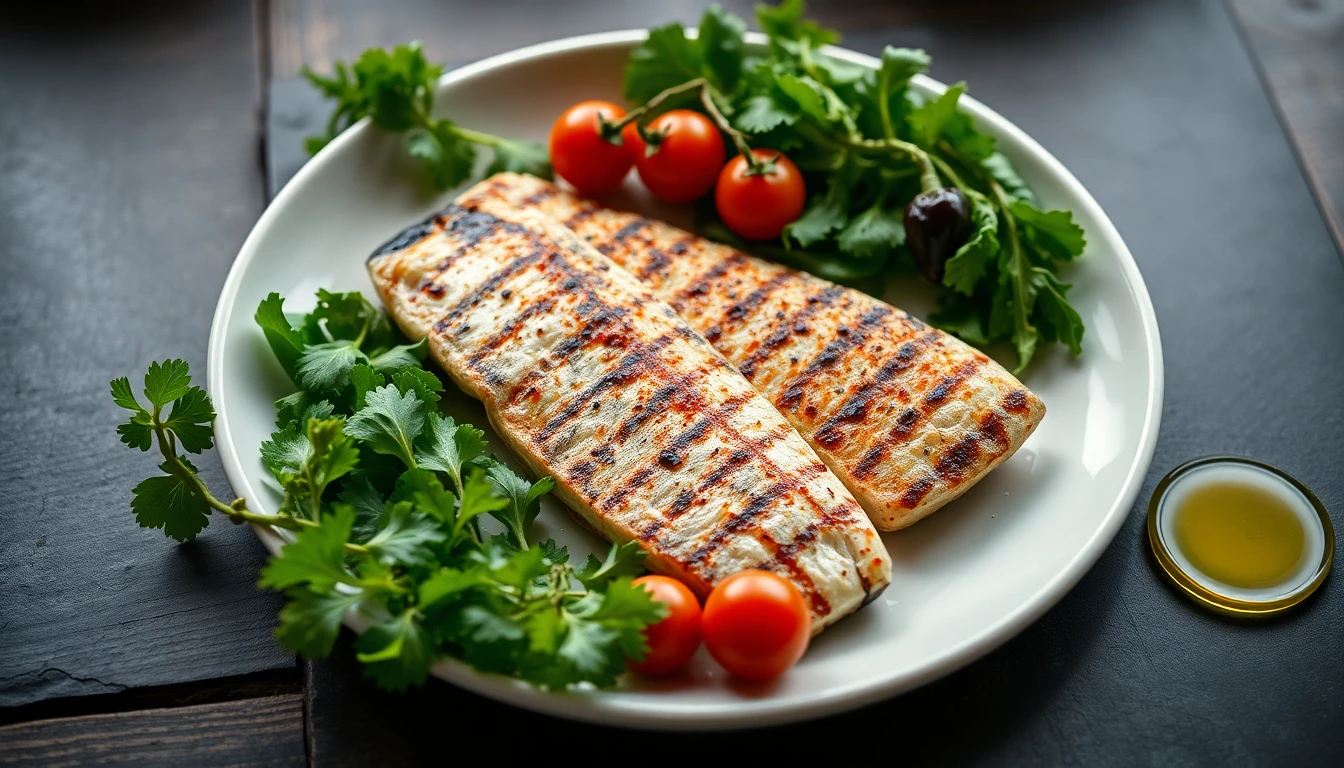
- Oily fish — salmon, mackerel, sardines, and herring provide EPA and DHA. Aim for two portions weekly
- Walnuts — the only nut significantly high in plant-based omega-3 (ALA), useful for those avoiding fish
- Chia and flax seeds — ground flaxseed offers better absorption; sprinkle on porridge or yoghurt
- Algae-based supplements — a direct EPA/DHA source for vegans, though whole food sources are preferable
Fibre-Rich Whole Foods
Dietary fibre improves insulin sensitivity, supports healthy gut bacteria, and helps regulate blood sugar—all crucial for reversing fatty liver. Soluble fibre is particularly beneficial.
- Oats — beta-glucan fibre specifically helps reduce liver fat; steel-cut or rolled oats are ideal
- Legumes — lentils, chickpeas, and beans provide protein, fibre, and resistant starch
- Vegetables — broccoli, Brussels sprouts, and artichokes contain compounds that support liver detoxification
- Berries — blueberries and raspberries offer antioxidants alongside fibre with minimal sugar impact
Antioxidant and Anti-Inflammatory Foods
Oxidative stress and inflammation drive NAFLD progression. Polyphenol-rich foods counter both processes.
- Green tea — catechins may reduce liver fat accumulation; 3-4 cups daily show benefits in studies
- Extra virgin olive oil — monounsaturated fats and polyphenols support liver health; use as primary cooking fat
- Leafy greens — spinach, kale, and rocket provide folate, vitamin E, and protective plant compounds
- Coffee — regular coffee consumption (2-3 cups daily) is associated with lower rates of liver fibrosis
- Turmeric — curcumin shows anti-inflammatory properties; absorption improves when combined with black pepper
Foods to Limit or Avoid on a Fatty Liver Diet
Certain foods directly worsen liver fat accumulation and metabolic dysfunction. Reducing these is as important as adding protective foods.
- Added sugars and fructose — the liver converts fructose directly to fat. Limit fizzy drinks, fruit juice, sweets, and foods with added syrups. Whole fruit is fine in moderation due to fibre content
- Refined carbohydrates — white bread, white pasta, and pastries spike blood sugar and promote fat storage. Choose whole grain alternatives
- Saturated and trans fats — processed meats, deep-fried foods, and commercially baked goods increase inflammation. Small amounts of saturated fat from whole foods (dairy, unprocessed meat) are acceptable
- Alcohol — even modest amounts can accelerate liver damage in NAFLD. Best avoided entirely or limited to special occasions
- Ultra-processed foods — ready meals, crisps, and heavily processed snacks combine problematic fats, sugars, and additives. The processing itself may impact liver metabolism beyond individual ingredients
Meal Timing and Eating Patterns for Liver Health
When you eat influences how your body processes nutrients and stores fat. Emerging research suggests meal timing strategies can complement a fatty liver diet.
Time-restricted eating—consuming all meals within a 10-12 hour window—may improve insulin sensitivity and reduce liver fat. This isn't about skipping meals but rather establishing a consistent overnight fast of 12-14 hours. For example, eating between 8am and 7pm naturally creates this pattern.
Regular meal spacing prevents constant insulin elevation. Three balanced meals often work better than grazing throughout the day, as it allows insulin levels to fall between meals, facilitating fat metabolism. Some people find two larger meals suits them; the key is consistency and avoiding prolonged snacking.
Front-loading calories earlier in the day aligns with natural circadian rhythms. Studies suggest eating your largest meal at breakfast or lunch, rather than dinner, may improve metabolic markers. Your body processes carbohydrates more efficiently in daylight hours.
The Right Approach to Weight Loss with Fatty Liver
Weight loss is the most effective intervention for NAFLD, but the approach matters enormously. Rapid weight loss can actually worsen liver inflammation temporarily, whilst sustainable gradual loss allows the liver to adapt and heal.
Aim for 0.5-1 kg (1-2 pounds) weekly. This pace—achieved through a modest 500-750 calorie daily deficit—reduces liver fat without triggering metabolic stress. Even 5% total body weight loss shows measurable benefits; 10% or more can reverse inflammatory changes.
Focus on food quality over severe restriction. A diet rich in the protective foods mentioned earlier, combined with portion awareness, naturally creates a moderate deficit without constant hunger. Protein at each meal (lean meats, fish, eggs, legumes) supports satiety and preserves muscle mass during weight loss.
Movement amplifies dietary changes. You don't need intense exercise—150 minutes of moderate activity weekly (brisk walking, swimming, cycling) improves insulin sensitivity and accelerates liver fat reduction. Resistance training twice weekly helps maintain metabolic rate as you lose weight.
Avoiding the Crash Diet Trap
Very low-calorie diets, juice cleanses, and detox programmes are counterproductive for NAFLD. They can trigger rapid fat mobilisation that temporarily increases liver fat and inflammation. Moreover, they're impossible to maintain long-term, leading to weight regain that often exceeds initial loss.
The liver doesn't need 'detoxing'—that's literally its job. What it needs is consistent, sustained nutritional support and gradual fat reduction that allows hepatocytes (liver cells) to release stored fat safely whilst repairing cellular machinery.
Building Your Fatty Liver Meal Plan
Translating nutritional principles into actual meals needn't be complicated. A practical fatty liver diet centres on simple patterns you can repeat with variation.
Daily Framework
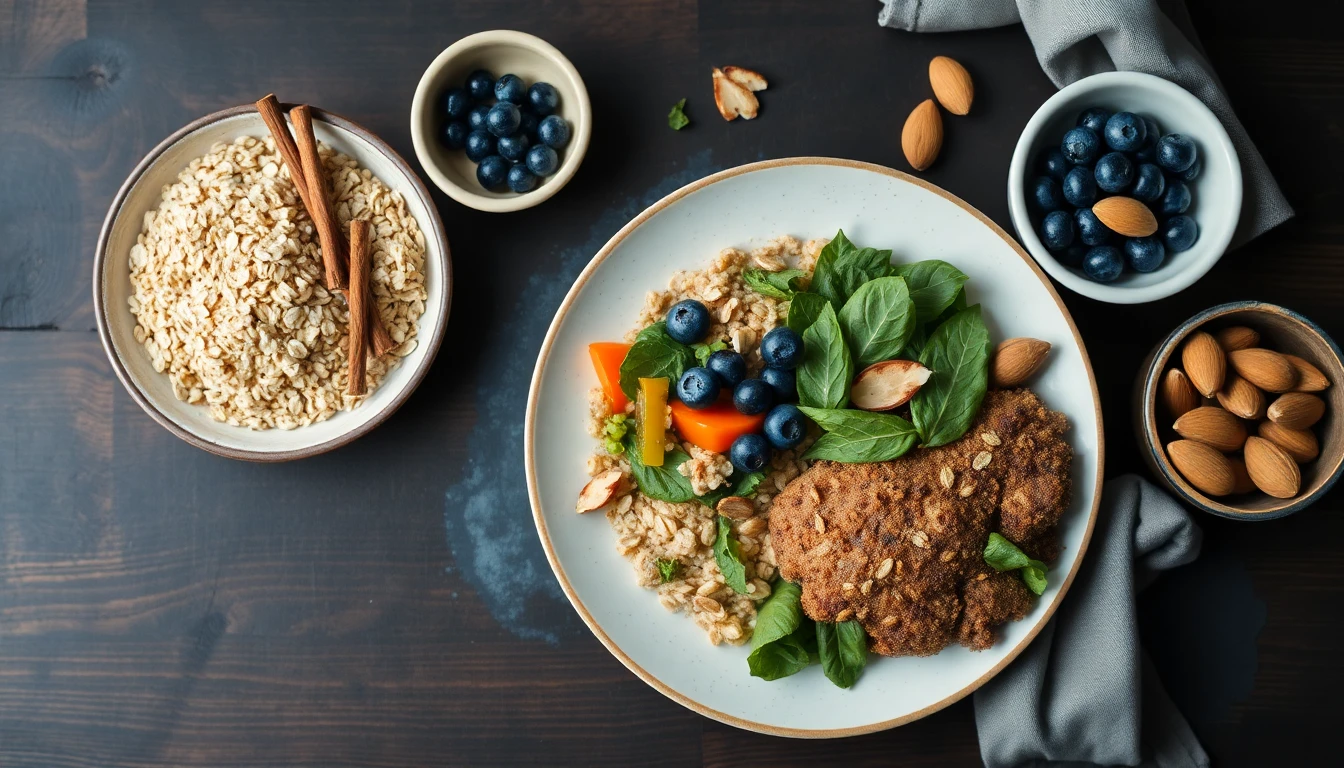
- Breakfast — protein + fibre foundation: porridge with ground flaxseed and berries; scrambled eggs with wholegrain toast and tomatoes; Greek yoghurt with walnuts and apple
- Lunch — balanced plate method: half vegetables, quarter protein, quarter whole grains. Grilled chicken salad with quinoa; lentil soup with wholemeal bread; salmon with roasted vegetables and brown rice
- Dinner — similar balance, lighter on grains: stir-fried tofu with abundant vegetables; Mediterranean fish with leafy greens and chickpeas; lean beef with steamed broccoli and sweet potato
- Snacks (if needed) — whole fruit, raw vegetables with hummus, small handful of unsalted nuts, oatcakes with nut butter
Practical Tips
Batch cook portions of whole grains and legumes at the weekend. Pre-chop vegetables for quick weeknight meals. Keep frozen vegetables and oily fish on hand—they're nutritionally equivalent to fresh. Use herbs, spices, lemon, and vinegar for flavour instead of relying on salt, sugar, or heavy sauces.
Hydration matters too. Water supports all liver functions. Herbal teas and coffee (without added sugar) count towards fluid intake. Aim for 6-8 glasses daily, more if you're active.
How FreshPlate Supports Your Fatty Liver Diet
Managing NAFLD through diet takes consistency, and planning meals around your other health conditions, medications and preferences takes real effort. FreshPlate is built to take some of that weight off.
When you add fatty liver disease to your profile, the app steers rather than prescribes: recipes lean towards what public UK guidance (NHS, BDA) says suits the condition, and the app never claims to treat, prevent or cure anything. Every recipe also explains itself. The For you tab shows what was actually checked for you (allergens, diet, religious rules), a line on why the recipe suits your goal and conditions, and whether it fits what is left of your day.
Logging helps you see how your eating looks in practice. You can log meals by photo, barcode or search, and a pack no database knows is read off its own label on your phone, with the ingredients checked against your allergens and food rules. Every food is stored per 100 g or ml with real measures, so a portion is only called a "serving" when the source declared one. You focus on cooking and eating; FreshPlate helps with the planning and the number-crunching.
Frequently asked questions
Can you reverse fatty liver disease with diet alone?
+
Yes, in many cases. Studies show that dietary changes combined with weight loss can reverse simple fatty liver and even early-stage NASH. A 5-10% weight reduction through improved diet typically reduces liver fat significantly, whilst 10% or more can reverse inflammation and early fibrosis. Advanced fibrosis may require additional medical management.
What is the best breakfast for fatty liver?
+
The best breakfast combines protein, fibre, and healthy fats whilst avoiding added sugars and refined carbs. Good options include porridge with ground flaxseed and berries, scrambled eggs with vegetables and wholegrain toast, or Greek yoghurt with walnuts and apple. These stabilise blood sugar and provide liver-protective nutrients.
How long does it take to reverse fatty liver through diet?
+
Measurable improvements in liver fat can occur within 2-3 months of dietary changes and modest weight loss. Complete reversal of simple steatosis may take 6-12 months depending on severity and adherence. NASH-related inflammation and fibrosis require longer—often 12-24 months of sustained lifestyle modification. Regular monitoring through blood tests or imaging helps track progress.
Are eggs bad for fatty liver disease?
+
No, eggs are not bad for fatty liver. Previous concerns about dietary cholesterol have been largely debunked. Eggs provide high-quality protein, B vitamins, and choline—a nutrient important for liver fat metabolism. They can be part of a healthy fatty liver diet when prepared without excessive added fats.
Should I avoid fruit if I have fatty liver?
+
Whole fruit is fine in moderate amounts (2-3 portions daily). The fibre in whole fruit slows sugar absorption and provides beneficial nutrients. However, fruit juice and dried fruit should be limited as they concentrate sugars without the protective fibre. The primary concern is added fructose in processed foods and sweetened drinks, not fruit in its natural form.
Sources
Did this answer your question?
Reece reads every reply. Questions we have not covered become new guides.
The right foods make living with fatty liver easier.
Get our free fatty liver food guide by email — what to eat more of, what to limit, and simple meals that support you day to day. One genuinely useful email a week — no spam, unsubscribe anytime.
Free forever. You'll also be first in line for the FreshPlate app — with a free trial at launch.