FODMAP Stacking: Why Safe Foods Still Trigger Your IBS
Eating only green-light foods but still getting symptoms? FODMAP stacking means safe portions add up across a meal. Learn how to track cumulative FODMAPs.

By Reece Douglas · Founder, FreshPlate
Listen to this article
FODMAP Stacking: Why Safe Foods Still Trigger Your IBS
You've been diligent about following the low FODMAP diet. You've checked the Monash app, stayed within serving sizes, and avoided red-light foods entirely. Yet halfway through a perfectly planned meal, those familiar symptoms return: bloating, cramping, and discomfort. Sound familiar?
The culprit might be FODMAP stacking—a phenomenon where individually safe portions of low-FODMAP foods combine to overwhelm your digestive system's capacity to absorb these fermentable carbohydrates. It's one of the most frustrating and overlooked aspects of managing IBS through diet, and it catches even experienced low-FODMAP followers off guard. Understanding how FODMAPs accumulate across a meal or day is crucial for maintaining symptom control whilst enjoying variety in your diet.
What Is FODMAP Stacking?
FODMAP stacking refers to the cumulative effect of consuming multiple foods that contain FODMAPs within a single meal or short time period. Even when each food is within its individual 'green light' serving size, the total FODMAP load can exceed your personal tolerance threshold.
FODMAPs—fermentable oligosaccharides, disaccharides, monosaccharides, and polyols—are poorly absorbed in the small intestine. When they reach the large intestine, gut bacteria rapidly ferment them, producing gas and drawing water into the bowel. Your digestive system has a finite capacity to handle this fermentation. Once you exceed that threshold, symptoms appear regardless of whether individual foods were technically 'safe'.
The challenge is that FODMAP content isn't binary. Most foods contain some level of FODMAPs, and the Monash University traffic light system indicates safe portions where FODMAP levels remain low enough not to trigger symptoms in most people. But 'low' doesn't mean 'zero', and these small amounts add up.
How FODMAPs Accumulate
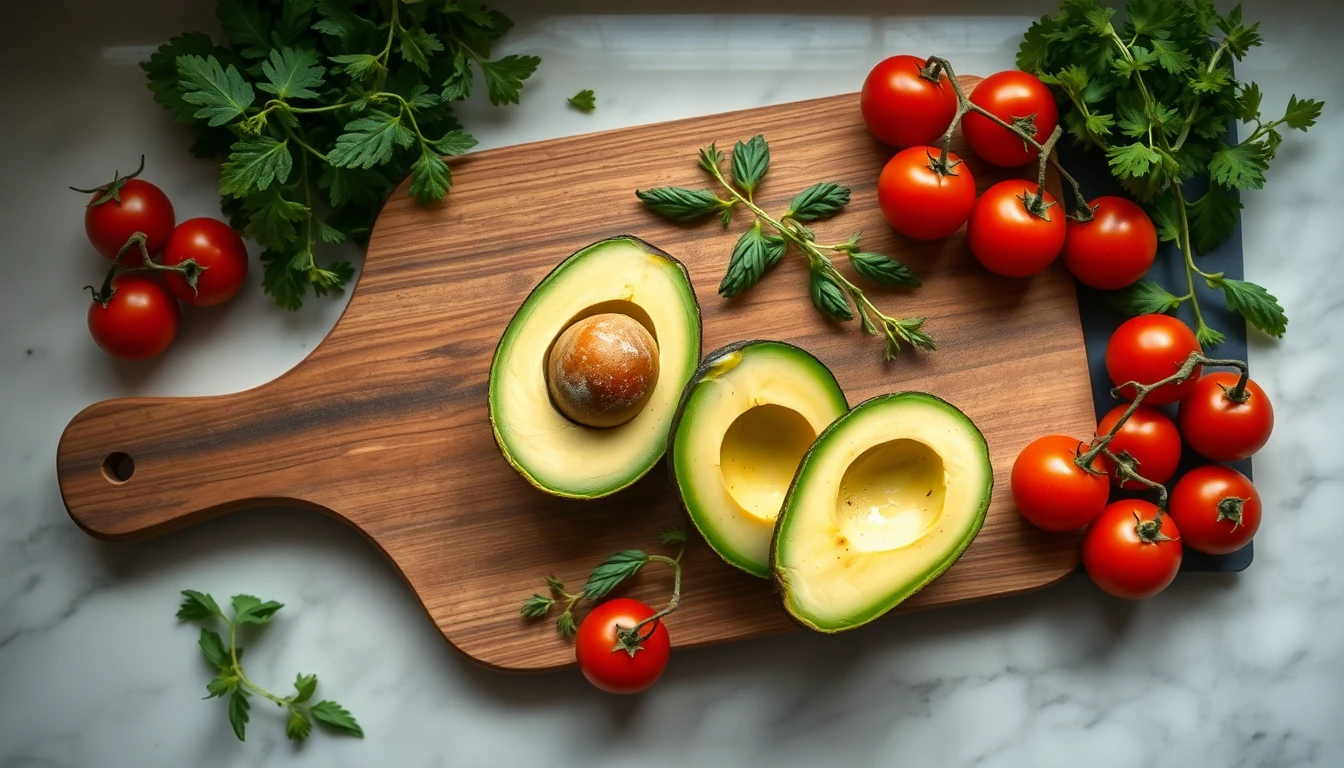
Consider a breakfast that includes a slice of sourdough spelt bread (low FODMAP at 2 slices), half an avocado (low FODMAP at 1/8 of an avocado per serving), a handful of almonds (low FODMAP at 10 nuts), and a glass of lactose-free milk with a teaspoon of honey. Individually, you might think you're within limits—but you've actually combined fructans from the bread, sorbitol from the avocado, oligosaccharides from the almonds, and fructose from the honey.
Each FODMAP type contributes to the total fermentable load. Research suggests that different FODMAPs can have additive effects, meaning a meal moderate in several FODMAP types may cause more symptoms than a meal high in just one type, depending on your individual sensitivities.
Individual Tolerance Thresholds
Everyone's FODMAP threshold differs. Some people with IBS can handle a moderate FODMAP load across a day, whilst others react to smaller amounts. Factors influencing your threshold include gut transit time, the composition of your gut microbiome, visceral hypersensitivity, and even stress levels.
This is why the reintroduction phase of the low FODMAP diet is so important—it helps you identify not just which FODMAPs trigger your symptoms, but also how much you can tolerate before experiencing issues.
Common FODMAP Stacking Scenarios
FODMAP stacking typically happens in three situations: building complex meals with multiple ingredients, snacking throughout the day without tracking totals, or consuming larger portions of foods that are only low-FODMAP in small amounts.
The 'Healthy Bowl' Trap
Grain bowls, Buddha bowls, and salad plates are nutritious choices but prime candidates for FODMAP stacking. A typical bowl might include:
Quinoa (low FODMAP at 155g cooked), roasted butternut squash (low FODMAP at 1/4 cup), beetroot (low FODMAP at 2 slices), avocado (low FODMAP at 1/8 fruit), chickpeas (low FODMAP at 1/4 tin drained), and a tahini dressing. Each component contributes oligos, fructans, or GOS, and together they can easily trigger symptoms even though no single ingredient exceeds its threshold.
Grazing Throughout the Day
Frequent small meals or snacks can lead to continuous FODMAP intake without adequate digestive 'rest' periods. If you have a banana at breakfast (low FODMAP when firm), cashews mid-morning (low FODMAP at 10 nuts), a slice of sourdough with peanut butter at lunch, and some blueberries in the afternoon, you're maintaining a steady FODMAP load that may never fully clear your system.
Your gut needs time to process and absorb nutrients. Constant grazing means FODMAPs accumulate faster than they're cleared, potentially keeping you in a symptomatic state all day.
Restaurant Meals and Hidden FODMAPs
Dining out presents unique stacking challenges because you can't control portion sizes or hidden ingredients. Sauces often contain garlic and onion, marinades may include honey or apple juice, and side dishes come in generous portions. A seemingly safe chicken and vegetable dish might stack FODMAPs from onion powder in the seasoning, mangetout in the veg mix, and a honey-garlic glaze—none listed prominently on the menu.
Portion Limits and Safe Serving Sizes
The Monash University FODMAP Diet app provides specific serving sizes for thousands of foods, but these aren't arbitrary numbers—they're based on laboratory testing that measures FODMAP content and establishes thresholds below which most people with IBS won't experience symptoms.
Understanding how to use these portion limits effectively is key to preventing FODMAP stacking.
- Green serves are not unlimited — A green rating means low FODMAP at that specific portion. Doubling a green serve doesn't guarantee it remains low; many foods turn amber or red at larger quantities.
- Amber serves require caution — Amber ratings indicate moderate FODMAP content. One amber food per meal is generally safe, but combining multiple amber serves almost certainly leads to stacking.
- Timing matters — FODMAPs typically clear your system within 6-8 hours. Spacing FODMAP-containing meals at least 3-4 hours apart helps prevent accumulation.
- Measure accurately — Estimating portions by eye often leads to oversized serves. Use measuring cups, a kitchen scale, or the specific descriptors in the Monash app (e.g. '1/8 avocado' not 'a bit of avocado').
- Consider total meal FODMAP load — Aim for no more than 2-3 foods containing moderate FODMAPs in a single meal, and ensure the rest of your plate is genuinely low-FODMAP or FODMAP-free.
The 'One Per Meal' Rule
Many dietitians specialising in IBS recommend limiting yourself to one concentrated FODMAP source per meal during the elimination phase. For example, if you're having sweet potato (moderate in fructans at larger serves), skip the avocado and cashew toppings. This conservative approach helps you identify your baseline tolerance without the confounding effect of stacking.
Once you've completed reintroduction and understand your specific triggers, you can experiment more freely—but the principle of being mindful about cumulative load remains valuable.
Tracking Tools and Strategies to Prevent Stacking
Managing FODMAP stacking requires awareness and planning. Fortunately, several practical strategies can help you maintain variety whilst keeping cumulative FODMAPs in check.
- Keep a detailed food and symptom diary — Record not just what you eat but when you eat it, portion sizes, and any symptoms that follow. Patterns often emerge showing which meal combinations or eating schedules trigger issues.
- Use the Monash app traffic light system strategically — Plan meals by 'spending' your FODMAP budget wisely. If breakfast includes a moderate FODMAP food, keep lunch and dinner simpler.
- Build meals around FODMAP-free foods — Base your plate on proteins (plain meat, fish, eggs, firm tofu), low-FODMAP grains (rice, oats, quinoa in safe amounts), and truly low-FODMAP vegetables (carrots, courgette, cucumber, lettuce, spinach). Add variety with small amounts of FODMAP-containing flavourings.
- Front-load your FODMAP intake earlier in the day — Many people find their gut tolerates FODMAPs better in the morning when digestive processes are most active. Consider having FODMAP-containing foods at breakfast and lunch, then keeping dinner very simple.
- Create go-to meal templates — Develop 5-7 meal formulas you know work for your gut. This reduces decision fatigue and the risk of accidental stacking when you're tired or rushed.
- Read recipes critically — When using low-FODMAP recipes, check that they don't combine multiple amber-rated foods. Some recipes that claim to be 'low FODMAP' actually stack several moderate FODMAP ingredients.
Calculating Cumulative FODMAP Load
Whilst there's no universal formula for calculating total FODMAP load (different FODMAP types affect people differently), you can develop a rough personal system. Assign a value to green (0.5), amber (1), and red (2) serves based on the Monash ratings. Aim to keep your meal 'score' below 3-4, adjusting based on your individual tolerance.
This isn't scientifically precise, but it provides a practical framework for decision-making when building meals, particularly helpful when cooking for the first time on the low FODMAP diet.
Special Considerations: FODMAPs Beyond Food
FODMAP stacking can occur from sources beyond your main meals. Being aware of these hidden contributors helps you manage your total daily load more effectively.
- Medications and supplements — Some medications contain lactose or sorbitol as fillers. Check with your pharmacist about FODMAP-free alternatives if you're taking multiple daily medications.
- Beverages throughout the day — That morning coffee (high FODMAP in large amounts), afternoon herbal tea sweetened with honey, and evening hot chocolate can all contribute to your FODMAP load, especially if you're also consuming FODMAP-containing foods.
- Condiments and sauces — A tablespoon of sauce here, a dollop of relish there—these 'extras' often contain garlic, onion, honey, or other high-FODMAP ingredients. Used liberally across a day, they can push you over your threshold.
- Protein powders and meal replacements — Many contain inulin (a fructan), fructose, or milk-derived ingredients. If you're having a protein shake for breakfast and another post-workout, you might be stacking FODMAPs before you even consider solid food.
How FreshPlate Supports You When Stacking Is a Worry
Managing FODMAP stacking by hand takes constant vigilance, careful tracking and a good deal of nutritional knowledge, which is a lot to carry when you're already dealing with a chronic condition. FreshPlate can take some of the load, but it's worth being clear about what it does and doesn't do.
FreshPlate doesn't calculate a running FODMAP total across your day, and it doesn't track the spacing of FODMAP-containing foods. For a medical condition such as IBS, it steers rather than prescribes: recipes lean towards what public UK guidance (NHS, BDA) says suits the condition, and the app never claims to treat, prevent or cure anything. Working out your own triggers and portions is still best done with a dietitian.
What it can do is show its working and help you keep a record. Every recipe has a For you tab that tells you what was actually checked (allergens, diet and religious rules, with anything the app can't verify only ever noted), gives a line on why the recipe suits your goal and conditions, and says whether it fits what is left of your day. You can log meals by photo, barcode or search, and if you make something yourself, such as a loaf or a pot of something, Cook measures it once from its ingredient lines so you can log a slice or portion in one tap from then on.
So rather than relying on the app to do the stacking sums, use it as a tidy place to see what you've eaten and why a recipe was suggested, and keep your Monash app or your dietitian's advice alongside it for the FODMAP detail.
Frequently asked questions
Can you eat unlimited amounts of green-rated low FODMAP foods?
+
No. Green ratings apply to specific portion sizes. Most foods contain some level of FODMAPs, and doubling a green serving may push it into amber or red territory. Additionally, even multiple green foods can stack if consumed together in one meal.
How long should I wait between FODMAP-containing meals?
+
Aim for 3-4 hours between meals containing moderate FODMAPs. This gives your digestive system time to process and clear fermentable carbohydrates before adding more, reducing the risk of cumulative overload.
Does FODMAP stacking affect everyone with IBS?
+
Most people following a low FODMAP diet can experience stacking effects if they consume too many FODMAP-containing foods in a short period. However, individual thresholds vary significantly—some people are more sensitive than others.
Is it better to have one high FODMAP food or several low FODMAP foods in a meal?
+
During the elimination phase, it's better to avoid high FODMAP foods entirely and be mindful of combining multiple low-FODMAP foods. After reintroduction, the answer depends on your specific tolerances, which you'll have identified through systematic testing.
Can stress or lack of sleep make FODMAP stacking worse?
+
Yes. Stress and poor sleep can lower your overall gut tolerance threshold, making you more susceptible to symptoms from FODMAP loads you might normally handle. The gut-brain connection means managing stress is an important part of IBS management alongside diet.
Sources
Did this answer your question?
Reece reads every reply. Questions we have not covered become new guides.
The right foods make living with IBS easier.
Get our free IBS food guide by email — what to eat more of, what to limit, and simple meals that support you day to day. One genuinely useful email a week — no spam, unsubscribe anytime.
Free forever. You'll also be first in line for the FreshPlate app — with a free trial at launch.