Gestational Diabetes Meal Plan: What to Eat Every Trimester
A comprehensive gestational diabetes meal plan covering blood sugar targets, carb distribution, and trimester-specific nutrition from diagnosis to postpartum.

By Reece Douglas · Founder, FreshPlate

Listen to this article
Gestational Diabetes Meal Plan: What to Eat Every Trimester
A gestational diabetes diagnosis can feel overwhelming, especially when you're already navigating pregnancy changes. But here's the reassuring part: most women successfully manage gestational diabetes through dietary adjustments alone, without medication. The key lies in understanding how different foods affect your blood sugar and structuring your meals to keep glucose levels stable throughout the day.
This guide walks you through creating a gestational diabetes meal plan that supports both your health and your baby's development, with practical advice for each trimester and beyond. Whether you've just been diagnosed or you're refining your approach, you'll find evidence-based strategies that fit into real life—not rigid rules that ignore the realities of pregnancy cravings, morning sickness, and exhaustion.
Understanding Blood Sugar Targets in Gestational Diabetes
Before building your meal plan, it's essential to understand the blood glucose targets you're aiming for. These differ from targets for Type 1 or Type 2 diabetes because pregnancy changes how your body processes insulin.
The NHS recommends the following blood glucose targets for women with gestational diabetes:
- Fasting (before breakfast) — below 5.3 mmol/L
- One hour after meals — below 7.8 mmol/L
- Two hours after meals — below 6.4 mmol/L
Carbohydrate Distribution: The Foundation of Your Gestational Diabetes Meal Plan
The cornerstone of managing gestational diabetes isn't eliminating carbohydrates—it's distributing them strategically throughout the day. Your body needs carbohydrates for energy and your baby's development, but consuming too many at once can overwhelm your insulin response.
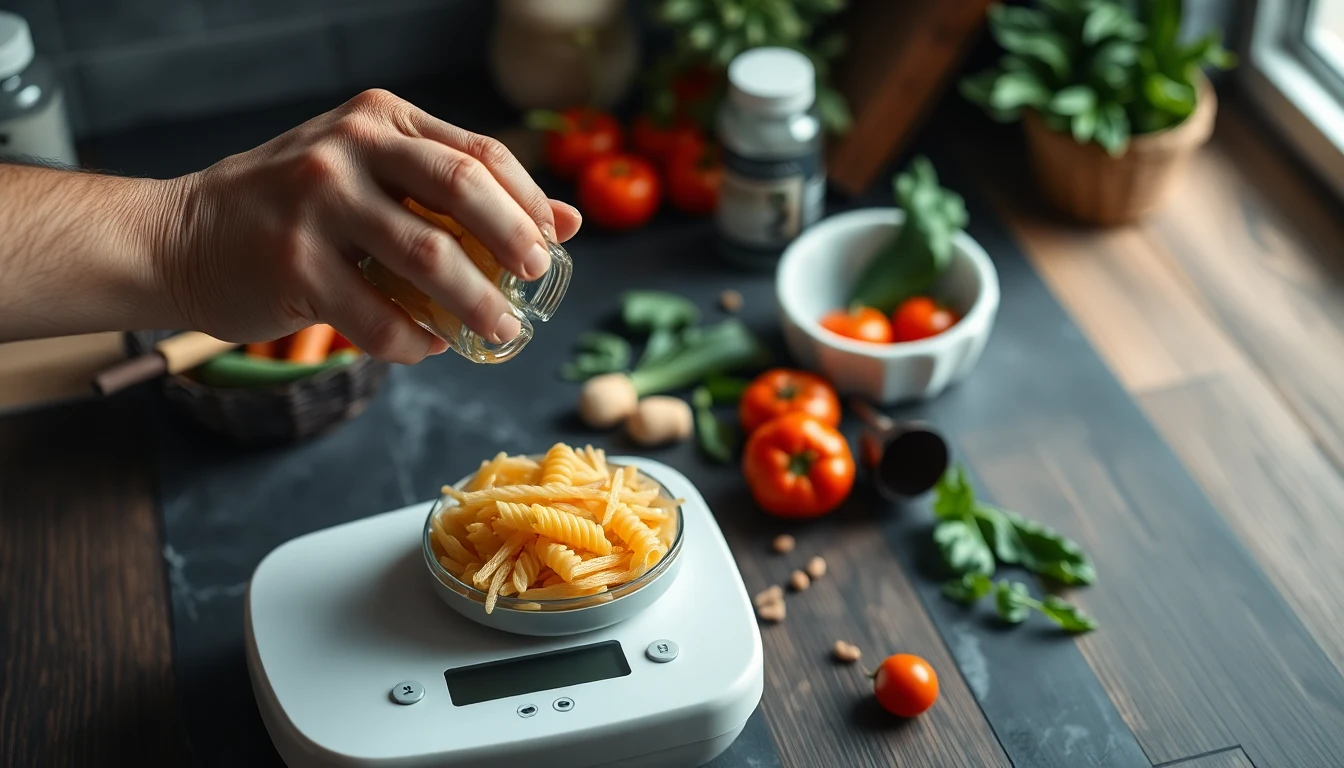
The general recommendation is to spread 150-175g of carbohydrates across three meals and two to three snacks. However, individual needs vary based on your weight, activity level, and how your body responds to different foods.
Morning Carbohydrate Sensitivity
Many women with gestational diabetes notice they're most carbohydrate-sensitive at breakfast. This happens because cortisol levels peak in the morning, increasing insulin resistance. For this reason, breakfast typically contains the smallest carbohydrate portion of the day—often 15-30g compared to 30-45g at lunch and dinner.
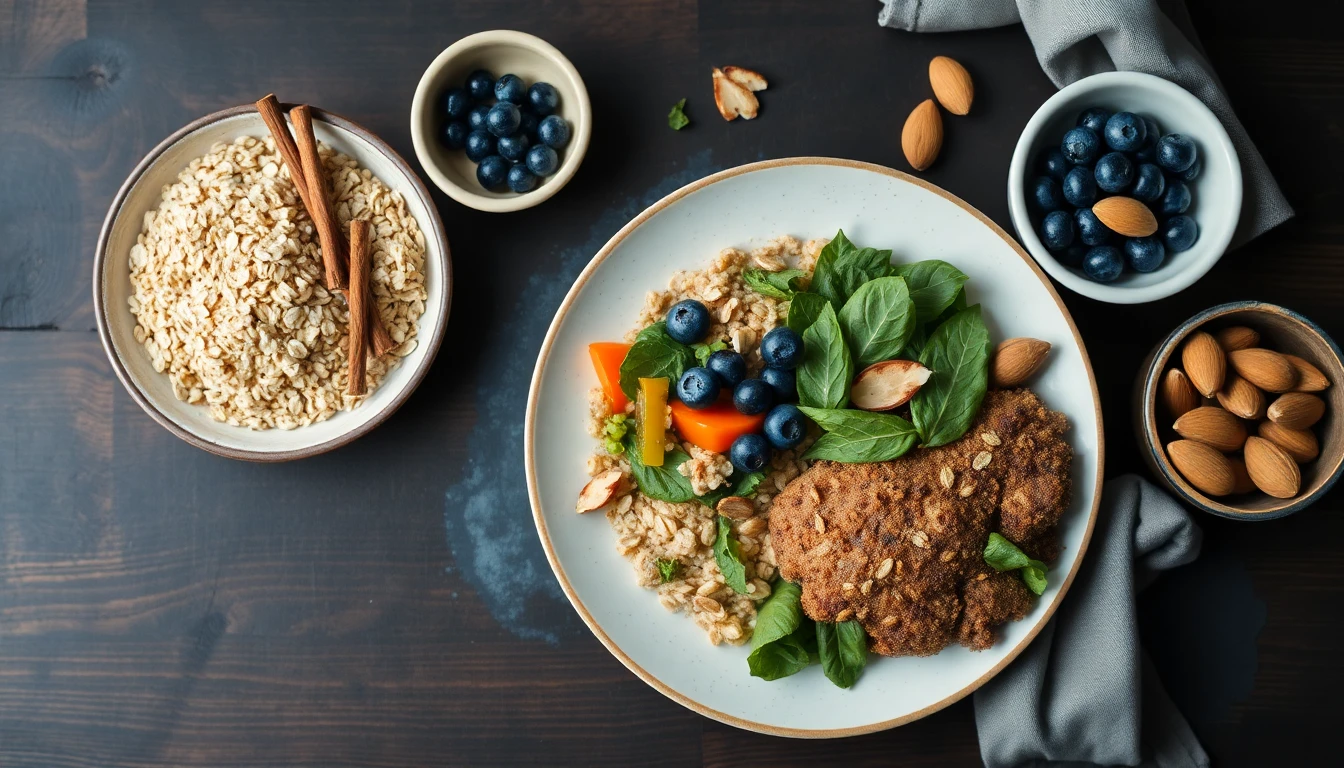
Instead of toast with jam or a bowl of cereal, consider protein-rich breakfasts with a small carbohydrate portion. Think two eggs with one slice of wholegrain toast, Greek yoghurt with berries and nuts, or porridge made with half the usual oats and fortified with ground almonds.
The Plate Method for Main Meals
A simple visual approach to meal planning is the diabetes plate method, adapted for pregnancy nutrition:
- Half your plate — non-starchy vegetables like broccoli, spinach, peppers, courgettes, cauliflower, green beans
- Quarter of your plate — lean protein such as chicken, fish, eggs, tofu, lentils, beans
- Quarter of your plate — carbohydrates including wholegrains, starchy vegetables, or legumes
- Add healthy fats — olive oil, avocado, nuts, seeds in moderate portions
Gestational Diabetes Meal Plan Ideas for Each Trimester
Your nutritional needs and tolerance for different foods shift throughout pregnancy. Here's how to adapt your gestational diabetes meal plan as you progress through each trimester.
First Trimester: Managing Nausea While Controlling Blood Sugar
If you're diagnosed early or have risk factors requiring early screening, you might face the challenge of managing blood sugar while dealing with morning sickness. Frequent, small meals become even more important when nausea makes large meals impossible.
Bland, protein-rich foods often sit better than fatty or heavily spiced options. Cold foods may be more tolerable than hot meals. Try to include protein with every snack to stabilise blood sugar and reduce nausea.
- Breakfast ideas — Scrambled eggs on one slice of toast, plain Greek yoghurt with a small apple, porridge with cinnamon and walnuts
- Lunch ideas — Chicken and vegetable soup with a small wholemeal roll, tuna salad with chickpeas and olive oil, turkey and cheese wrap with plenty of salad
- Dinner ideas — Grilled salmon with roasted vegetables and quinoa, chicken stir-fry with brown rice, lentil bolognese with courgette noodles
- Snack ideas — Cheese and oatcakes, hummus with vegetable sticks, small handful of almonds with a few grapes
Second Trimester: Establishing Your Routine
Most women feel better in the second trimester, with reduced nausea and more energy. This is the ideal time to establish your meal routine and experiment with foods to see how they affect your readings. Keep a food and blood sugar diary during this period—patterns will emerge quickly.
Your baby is growing rapidly now, so ensure adequate protein intake (around 70-75g daily) and continue taking your prenatal vitamins, especially those containing iron, folate, and vitamin D.
- Focus on variety — Different coloured vegetables provide different nutrients your baby needs
- Include oily fish twice weekly — Salmon, mackerel, or sardines provide omega-3 fatty acids for brain development
- Don't fear fat — Healthy fats from avocado, nuts, seeds, and olive oil don't raise blood sugar and help absorb fat-soluble vitamins
- Stay hydrated — Dehydration can affect blood sugar readings; aim for 8-10 glasses of water daily
Third Trimester: Navigating Increased Insulin Resistance
Placental hormones peak in the third trimester, making insulin resistance more pronounced. You may notice foods that worked well earlier now cause higher readings. This doesn't mean you're doing anything wrong—it's a normal physiological change.
Some women need to reduce carbohydrate portions slightly or add an extra snack to prevent long gaps between eating. Others require medication alongside diet if blood sugar levels become difficult to control despite dietary efforts. Your healthcare team will guide these decisions.
As your baby grows and your stomach has less space, smaller, more frequent meals often feel more comfortable. An evening snack before bed helps prevent overnight lows and morning ketones, which can occur when you go too long without eating.
Smart Snack Ideas for Blood Sugar Control
Snacks aren't treats in a gestational diabetes meal plan—they're essential tools for maintaining stable blood sugar between meals. The right snacks prevent the dips that trigger cravings and the subsequent overeating that spikes glucose levels.
Aim for snacks that combine a small amount of carbohydrate with protein or healthy fat. This pairing slows digestion and provides sustained energy without dramatic blood sugar fluctuations.
- Apple slices with almond butter — Natural sweetness with protein and healthy fats
- Greek yoghurt with berries — High protein, lower sugar than standard yoghurt
- Oatcakes with cheese — Wholegrain carbs balanced with protein and calcium
- Boiled egg with cherry tomatoes — Portable protein with minimal carbohydrates
- Small handful of nuts with a few dried apricots — Satisfying combination of textures
- Hummus with carrot and pepper sticks — Fibre-rich vegetables with plant protein
- Wholegrain crackers with cottage cheese — Low-GI carbs with high-protein topping
- Edamame beans — Complete plant protein that's naturally low in carbohydrates
After Birth: What Happens to Your Gestational Diabetes Meal Plan
The excellent news is that gestational diabetes typically resolves immediately after birth once the placenta is delivered and those interfering hormones disappear. You'll have a blood glucose test during your postnatal check-up to confirm your levels have returned to normal, and most women can resume a regular balanced diet without the strict meal timing of pregnancy.
However, having had gestational diabetes significantly increases your risk of developing Type 2 diabetes later in life—research suggests around 50% of women will develop it within 10 years. This makes the postpartum period crucial for establishing long-term healthy habits rather than abandoning everything you learned during pregnancy.
Postpartum Nutrition and Diabetes Prevention
The dietary principles that helped manage your gestational diabetes—balanced meals, regular eating patterns, choosing whole foods over refined carbohydrates—remain beneficial for long-term health. Many women find they feel better continuing with a modified version of their pregnancy meal plan.
If you're breastfeeding, your calorie and nutrient needs remain elevated, but you no longer need the same careful carbohydrate distribution. Focus on nutrient-dense foods that support milk production and your recovery: lean proteins, whole grains, plenty of vegetables, and adequate healthy fats.
- Schedule your glucose tolerance test — NHS guidelines recommend testing at 6-13 weeks postpartum
- Aim for gradual weight loss — If needed, losing excess pregnancy weight reduces diabetes risk
- Stay active — Regular movement improves insulin sensitivity; aim for 150 minutes weekly
- Continue monitoring your diet — You don't need to test blood sugar, but maintaining awareness helps
- Request annual diabetes screening — Catch any changes early when lifestyle interventions are most effective
How FreshPlate Supports You with Gestational Diabetes
Managing gestational diabetes involves juggling multiple considerations: carbohydrate counting, meal timing, getting enough nutrition for pregnancy, personal food preferences, and often other dietary requirements. FreshPlate is there to take some of that load off.
When you add gestational diabetes as a condition, the app steers rather than prescribes: recipes lean towards what public UK guidance (NHS, BDA) says suits the condition, and the app never claims to treat, prevent or cure anything. Onboarding also asks about cultural and religious food preferences, such as halal, kosher, Caribbean or South Asian, and recipes respect them. If you have a fatal allergen, it is treated with zero tolerance: the recipe brief forbids it, including related names (pork also means chorizo, bacon and ham), and a keyword filter checks every title and ingredient again after the recipe is generated.
Each recipe has a For you tab that shows what was actually checked (allergens, diet, religious rules), explains why the recipe suits your goal and conditions, and tells you whether it fits what is left of your day. You can log meals by photo, barcode or search, and the Progress tab shows how your day is going, why, and what to do next, with a "How we worked this out" tap behind every number. Recipes you keep go onto a shopping list. Always follow the advice of your midwife, diabetes team or dietitian.
Frequently asked questions
Can I eat fruit with gestational diabetes?
+
Yes, fruit is part of a healthy gestational diabetes meal plan, but portion size and pairing matter. Choose whole fruits over juice, pair with protein or fat to slow absorption, and spread servings throughout the day. Berries, apples, and pears typically cause smaller blood sugar rises than tropical fruits and bananas.
How many carbs should I eat per meal with gestational diabetes?
+
Most women aim for 15-30g carbohydrates at breakfast and 30-45g at lunch and dinner, with 15-20g snacks between meals. However, individual needs vary—your blood glucose readings will show you what portions work for your body. Always pair carbohydrates with protein and healthy fats.
Will gestational diabetes go away after pregnancy?
+
Gestational diabetes typically resolves immediately after birth once the placenta is delivered. However, having had it increases your risk of developing Type 2 diabetes later, so you'll need blood glucose testing postpartum and annually thereafter. Maintaining healthy eating habits and regular activity significantly reduces this risk.
What is the best breakfast for gestational diabetes?
+
The best breakfast combines protein with a small portion of low-GI carbohydrates. Try eggs with one slice of wholegrain toast, Greek yoghurt with berries and nuts, or porridge made with reduced oats and added protein from nut butter or seeds. Many women find savoury breakfasts easier to manage than sweet options.
Can I eat potatoes with gestational diabetes?
+
Yes, but preparation method and portion size matter. Boiled new potatoes or sweet potatoes have less impact on blood sugar than mashed or baked potatoes. Keep portions moderate (about the size of your fist), eat them with plenty of non-starchy vegetables and protein, and monitor your blood glucose response to find what works for you.
Sources
Did this answer your question?
Reece reads every reply. Questions we have not covered become new guides.
The right foods make living with gestational diabetes easier.
Get our free gestational diabetes food guide by email — what to eat more of, what to limit, and simple meals that support you day to day. One genuinely useful email a week — no spam, unsubscribe anytime.
Free forever. You'll also be first in line for the FreshPlate app — with a free trial at launch.