Hashimoto's Diet: Foods to Support Thyroid Health
Discover which foods support thyroid function with Hashimoto's disease. Learn about selenium, iodine balance, gluten considerations, and anti-inflammatory eating.

By Reece Douglas · Founder, FreshPlate
Listen to this article
Hashimoto's Diet: Foods to Support Thyroid Health
Hashimoto's thyroiditis is the most common cause of hypothyroidism in the UK, affecting around 1 in 70 people. This autoimmune condition occurs when your immune system mistakenly attacks the thyroid gland, gradually reducing its ability to produce the hormones that regulate your metabolism, energy levels, and countless other body functions.
Whilst medication remains the cornerstone of treatment, the foods you choose can genuinely support thyroid function, reduce inflammation, and help manage symptoms. A well-planned Hashimoto's diet isn't about restriction or faddy rules—it's about understanding which nutrients your thyroid needs to work optimally, and which dietary patterns may be triggering unwanted immune responses. Let's explore the evidence-based nutritional strategies that can make a real difference.
Understanding Hashimoto's and Why Diet Matters
Hashimoto's disease is characterised by chronic inflammation of the thyroid gland. Over time, this inflammation damages thyroid tissue, often leading to an underactive thyroid (hypothyroidism). You might experience fatigue, weight gain, cold sensitivity, brain fog, or hair thinning—all stemming from insufficient thyroid hormone production.
Diet influences Hashimoto's through several mechanisms: providing essential nutrients for thyroid hormone synthesis, modulating inflammation levels, supporting gut health (which affects immune function), and potentially reducing antibody production. Whilst food alone cannot cure Hashimoto's, strategic nutritional choices work alongside your medication to optimise thyroid function and overall wellbeing.
The autoimmune component is particularly important. Because Hashimoto's involves your immune system attacking your own tissue, anti-inflammatory dietary approaches that calm immune overactivity may help reduce disease progression and symptom severity.
Selenium: The Thyroid's Essential Mineral
Selenium is arguably the most important nutrient in a Hashimoto's diet. This trace mineral is crucial for converting the inactive thyroid hormone (T4) into its active form (T3), and the thyroid gland contains more selenium per gram of tissue than any other organ in your body.
Research has shown that selenium supplementation may reduce thyroid antibody levels in people with Hashimoto's. A systematic review found that selenium supplementation (typically 200 micrograms daily) led to significant reductions in thyroid peroxidase antibodies, though effects on actual thyroid function were more modest.
- Brazil nuts — Just 2-3 nuts daily provide your entire selenium requirement; the most concentrated food source available
- Fish and seafood — Tuna, sardines, halibut, and prawns offer excellent selenium alongside omega-3 fats
- Eggs — One egg provides about 15-20 micrograms of selenium, plus protein and other nutrients
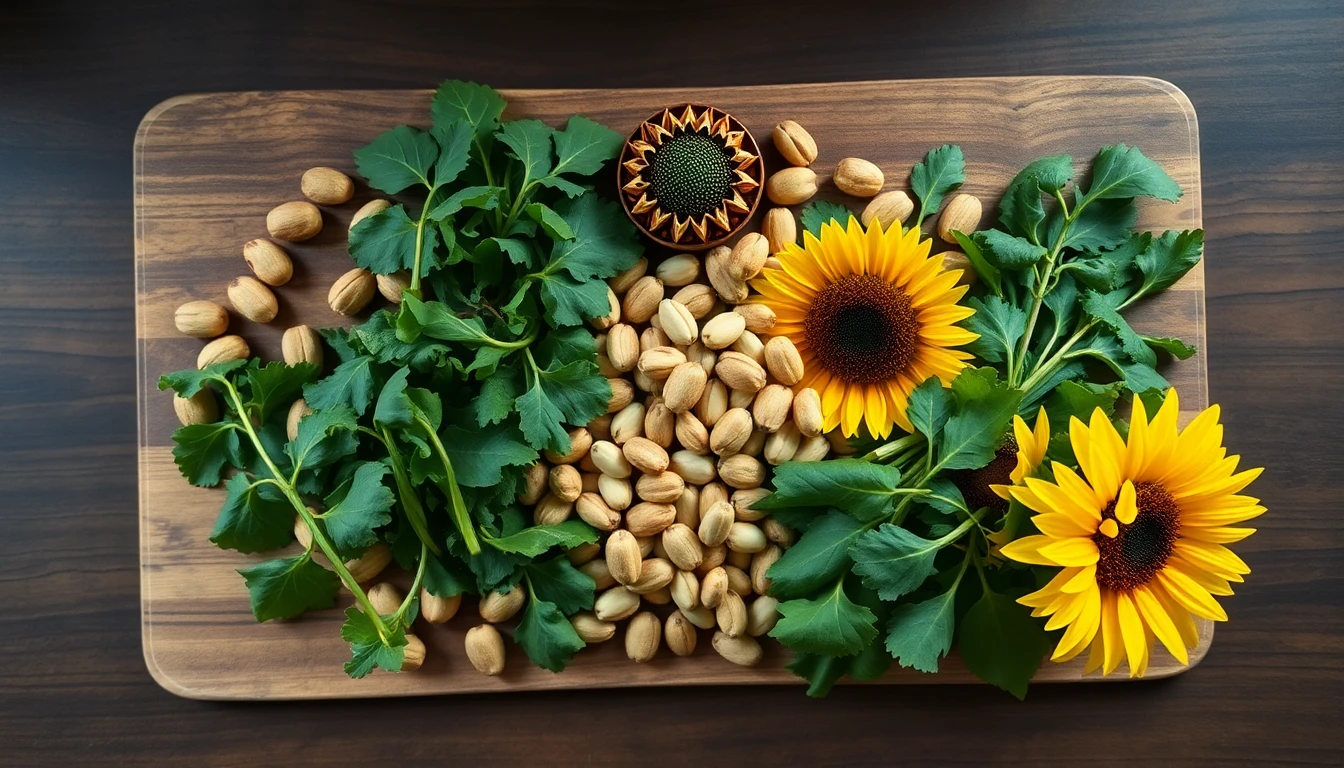
- Sunflower seeds — A plant-based option providing selenium along with vitamin E
- Chicken and turkey — Lean poultry offers moderate selenium in commonly eaten portions
Getting Selenium Right
The UK recommended intake is 75 micrograms daily for men and 60 micrograms for women, but many Hashimoto's specialists suggest aiming for closer to 200 micrograms. However, more isn't better—selenium becomes toxic above 400 micrograms daily, causing hair loss, brittle nails, and digestive upset.
If you're eating 2-3 Brazil nuts daily, be cautious about additional selenium supplements unless recommended by your doctor. The selenium content in Brazil nuts varies dramatically depending on soil quality, so occasional rotation with other selenium sources provides more consistent intake.
The Iodine Balancing Act in Hashimoto's Diet
Iodine presents a genuine paradox with Hashimoto's. This mineral is absolutely essential for thyroid hormone production—your thyroid cannot make hormones without it. However, excessive iodine intake may actually worsen Hashimoto's by increasing thyroid inflammation and antibody production.
Most people in the UK get adequate iodine from dairy products, fish, and iodised salt, but deficiency is becoming more common, particularly among those following plant-based diets or avoiding dairy. Conversely, high-dose iodine supplements and seaweed products can deliver excessive amounts that trigger thyroid dysfunction.
The goal with Hashimoto's is to meet—but not dramatically exceed—the recommended intake of 140 micrograms daily. This means being mindful of both deficiency and excess.
- White fish — Cod and haddock provide moderate, safe amounts of iodine
- Eggs — One egg contains roughly 25 micrograms of iodine
- Dairy products — Milk, yoghurt, and cheese offer iodine, though amounts vary by season and farming practices
- Moderate seaweed use — Small amounts in sushi or as seasoning are generally fine; avoid kelp supplements or daily seaweed snacks
When to Be Cautious with Iodine
Avoid high-dose iodine supplements unless you have confirmed deficiency and are working with a healthcare provider. Kelp and spirulina supplements can contain wildly variable and sometimes dangerous amounts of iodine.
If you're taking levothyroxine, your medication provides the thyroid hormone your body needs regardless of iodine intake, but maintaining adequate (not excessive) iodine still supports overall thyroid health and any remaining thyroid function.
The Gluten Connection: Should You Go Gluten-Free?
The relationship between Hashimoto's and gluten is one of the most discussed—and debated—aspects of thyroid nutrition. Research shows that people with Hashimoto's have significantly higher rates of coeliac disease (around 4-5% compared to 1% in the general population), and both conditions involve similar autoimmune mechanisms.
Some evidence suggests that gluten may trigger immune responses in susceptible individuals even without coeliac disease, potentially through a mechanism called molecular mimicry—where gluten proteins resemble thyroid tissue, causing confused immune attacks. However, the research remains mixed, and not everyone with Hashimoto's responds to gluten removal.
A pragmatic approach: if you have diagnosed coeliac disease alongside Hashimoto's, strict gluten avoidance is essential. If you haven't been tested for coeliac disease, ask your GP for screening before removing gluten, as the tests become unreliable once you've already stopped eating it.
Trying a Gluten-Free Trial
If coeliac testing is negative but you suspect gluten sensitivity, consider a structured 3-month elimination trial. Remove all gluten-containing foods completely, then reintroduce and monitor your symptoms, energy levels, and if possible, antibody levels with your doctor.
Many people report improvements in fatigue, brain fog, and digestive symptoms when removing gluten, though it's difficult to separate placebo effects from genuine responses. Keep a detailed symptom diary and make this decision based on your individual response rather than blanket rules.
- Focus on naturally gluten-free whole foods — Rather than processed gluten-free alternatives packed with refined starches
- Ensure adequate fibre — Replace wheat-based fibre with oats (if tolerated), quinoa, buckwheat, beans, and vegetables
- Watch for nutrient gaps — Fortified wheat products provide B vitamins and iron; ensure alternative sources if eliminating gluten long-term
Anti-Inflammatory Foods for Autoimmune Support
Because Hashimoto's is fundamentally an autoimmune inflammatory condition, adopting an anti-inflammatory dietary pattern makes excellent theoretical and practical sense. This doesn't mean following restrictive 'anti-inflammatory diets' that eliminate entire food groups unnecessarily, but rather emphasising foods with proven anti-inflammatory properties.
Omega-3 fatty acids, found in oily fish, have well-documented anti-inflammatory effects and may help modulate immune function. Polyphenols from colourful fruits and vegetables, herbs, and spices provide antioxidants that combat oxidative stress. Fibre supports gut health, which is intimately connected to immune regulation.
- Oily fish — Salmon, mackerel, sardines, and anchovies provide omega-3s EPA and DHA; aim for 2-3 portions weekly
- Colourful vegetables — Dark leafy greens, peppers, beetroot, and purple cabbage deliver diverse antioxidants
- Berries — Blueberries, strawberries, and blackberries are rich in anti-inflammatory polyphenols
- Extra virgin olive oil — Contains oleocanthal, a compound with anti-inflammatory properties similar to ibuprofen
- Turmeric and ginger — Contain curcumin and gingerols respectively, both studied for anti-inflammatory effects
- Green tea — Provides EGCG, a powerful antioxidant polyphenol
- Nuts and seeds — Walnuts, flaxseeds, and chia seeds offer plant-based omega-3s and fibre
The Gut-Thyroid Connection
Emerging research highlights the importance of gut health in autoimmune conditions. Around 70% of your immune system resides in your gut, and gut barrier dysfunction ('leaky gut') may contribute to autoimmune activation.
Supporting gut health through probiotic-rich foods (yoghurt, kefir, sauerkraut, kimchi), prebiotic fibres (onions, garlic, leeks, asparagus, oats), and diverse plant foods may help modulate immune responses. Whilst direct evidence in Hashimoto's is still developing, the broader autoimmune and gut health research supports this approach.
Foods to Limit or Avoid with Hashimoto's
Whilst the emphasis should be on what to include rather than exclude, certain foods warrant consideration in a Hashimoto's diet. The evidence varies, and individual responses differ significantly.
- Excessive soy in processed forms — Large amounts of soy isoflavones may interfere with thyroid hormone absorption when consumed close to medication; moderate amounts of whole soy foods (tofu, tempeh, edamame) are generally fine, just separate from levothyroxine by several hours
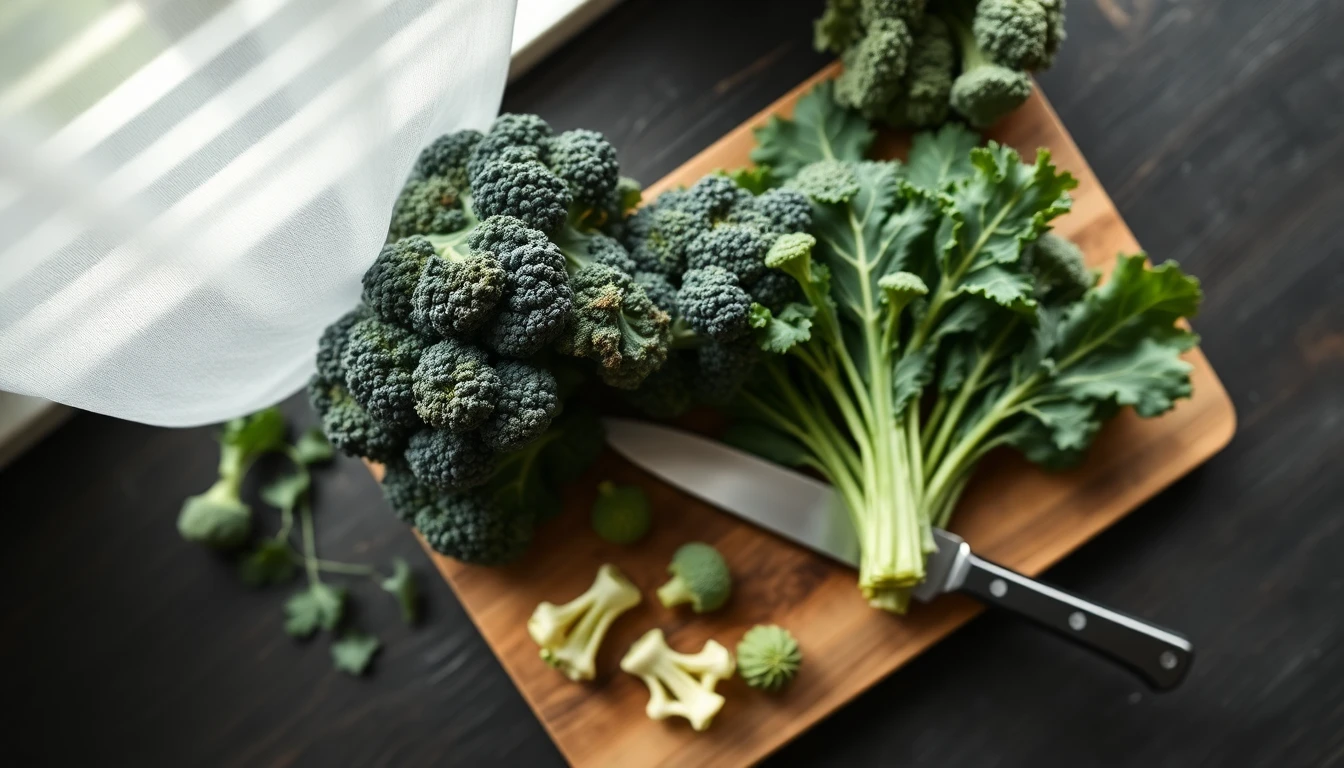
- Raw cruciferous vegetables in very large amounts — Kale, cabbage, Brussels sprouts contain goitrogens that can interfere with iodine uptake when eaten raw in massive quantities; normal cooked portions pose no problem
- Highly processed foods — Ultra-processed foods promote inflammation and displace nutrient-dense options; prioritise whole foods
- Excess sugar and refined carbohydrates — These drive inflammation and blood sugar swings that worsen fatigue; choose complex carbohydrates instead
A Balanced Perspective on Food Fears
Many Hashimoto's resources create unnecessary fear around specific foods. Unless you're eating several pounds of raw kale daily or taking concentrated soy supplements, goitrogens and soy are unlikely to significantly impact your thyroid function, especially if you're on medication and have adequate iodine intake.
The psychological stress of overly restrictive eating can actually worsen autoimmune conditions and quality of life. Focus on adding beneficial foods rather than creating an ever-growing list of 'forbidden' items.
How FreshPlate Supports Your Hashimoto's Diet
Eating well with Hashimoto's doesn't mean working it all out alone. Every recipe FreshPlate generates is built around your own medication list, and you add your medicines by brand or generic name from the NHS's own medicines list. The For you tab on each recipe lists your medicines, and where the NHS or US FDA has said something about food, it shows those words word for word with a link to the interaction checker page. If there's no advice on file yet for one of your medicines, the app says so and points you to your pharmacist.
When you add Hashimoto's to your profile, FreshPlate steers rather than prescribes: recipes lean towards what public UK guidance (NHS, BDA) says suits the condition, and the app never claims to treat, prevent or cure anything. If you have allergens, they are treated with zero tolerance, and the app also respects any cultural or religious food preferences you set during onboarding.
Each recipe explains itself too. The For you tab shows what was actually checked for you (allergens, diet, religious rules), a line on why the recipe suits your goal and conditions, and whether it fits what is left of your day. A food the app cannot verify is only ever noted, never ticked. It takes some of the guesswork out of your choices, and your pharmacist or GP is still the right person for anything about your thyroid medication.
Frequently asked questions
Can diet cure Hashimoto's disease?
+
No, diet cannot cure Hashimoto's, which is an autoimmune condition requiring medical management, typically with levothyroxine. However, a well-planned diet can support thyroid function, reduce inflammation, help manage symptoms, and potentially slow disease progression when used alongside medication.
Should everyone with Hashimoto's avoid gluten?
+
Not necessarily. People with coeliac disease (which is more common in Hashimoto's patients) must avoid gluten completely. Others may benefit from a trial elimination period to assess individual response, but gluten avoidance isn't universally necessary for all Hashimoto's patients unless you have confirmed sensitivity.
How much selenium should I take for Hashimoto's?
+
Most research suggests 200 micrograms daily of selenium may help reduce thyroid antibodies, though you should discuss supplementation with your doctor. Food sources like 2-3 Brazil nuts daily can provide this amount naturally, but be careful not to exceed 400 micrograms daily, which is the upper safe limit.
Can I eat soy if I have Hashimoto's?
+
Yes, moderate amounts of whole soy foods (tofu, tempeh, edamame) are generally safe with Hashimoto's. Simply avoid taking soy within 3-4 hours of your thyroid medication, as it can interfere with absorption. Avoid concentrated soy supplements, but normal dietary amounts pose no significant concern.
What foods are best for thyroid health?
+
The best foods for thyroid health include selenium-rich options (Brazil nuts, fish, eggs), iodine sources in moderation (fish, dairy, eggs), anti-inflammatory foods (oily fish, berries, leafy greens), and foods supporting gut health (yoghurt, fermented vegetables, high-fibre foods).
Sources
Did this answer your question?
Reece reads every reply. Questions we have not covered become new guides.
The right foods make living with Hashimoto’s easier.
Get our free Hashimoto’s food guide by email — what to eat more of, what to limit, and simple meals that support you day to day. One genuinely useful email a week — no spam, unsubscribe anytime.
Free forever. You'll also be first in line for the FreshPlate app — with a free trial at launch.