Histamine Intolerance Foods: What to Eat and Avoid
Managing histamine intolerance starts with your diet. Discover which foods are high or low in histamine, why freshness matters, and how the DAO enzyme plays a role.

By Reece Douglas · Founder, FreshPlate
Listen to this article
Histamine Intolerance Foods: What to Eat and Avoid
If you've ever experienced unexplained headaches, skin flushing, or digestive problems after eating certain foods, histamine intolerance might be the culprit. Unlike a true food allergy, histamine intolerance occurs when your body struggles to break down histamine—a naturally occurring compound found in many foods and produced by your own immune cells.
The good news is that understanding which histamine intolerance foods to embrace and which to avoid can significantly reduce your symptoms. In this guide, we'll walk through the science behind histamine intolerance, provide comprehensive food lists, and explain why freshness matters just as much as food choice. Whether you're newly diagnosed or simply trying to understand persistent symptoms, this practical guide will help you navigate your diet with confidence.
Understanding Histamine Intolerance and the DAO Enzyme
Histamine is a chemical messenger that plays essential roles in your immune system, digestion, and brain function. Whilst your body produces histamine naturally in response to allergens or injury, you also consume it through food. In healthy individuals, the enzyme diamine oxidase (DAO) breaks down excess histamine in the digestive tract before it can cause problems.
Histamine intolerance develops when there's an imbalance between histamine accumulation and your body's ability to degrade it. This can happen if you have reduced DAO enzyme activity—either from genetic factors, certain medications, or gut health issues—or if you're consuming more histamine than your system can handle.
The result is a build-up of histamine that triggers symptoms resembling an allergic reaction, even though it's not a true allergy. Common symptoms include headaches or migraines, nasal congestion, skin reactions like hives or flushing, digestive upset, and in some cases, anxiety or irregular heartbeat. These symptoms typically appear 30 minutes to several hours after eating high-histamine foods.
Factors That Affect DAO Enzyme Activity
Several factors can compromise your body's ability to produce or utilise DAO effectively:
- Gut health conditions — Inflammatory bowel disease, SIBO, or leaky gut can damage the intestinal cells that produce DAO
- Certain medications — Some antibiotics, NSAIDs, and antidepressants can block DAO activity
- Nutrient deficiencies — DAO requires vitamin B6, vitamin C, copper, and zinc to function properly
- Alcohol consumption — Alcohol inhibits DAO whilst also being high in histamine itself
- Genetic variations — Some people naturally produce less DAO due to genetic polymorphisms
High Histamine Foods to Avoid or Limit
When managing histamine intolerance, the most important step is identifying and reducing foods that are naturally high in histamine or trigger histamine release in your body. Generally speaking, histamine levels increase as food ages, ferments, or is stored for extended periods. This is why freshness becomes a crucial factor in a low-histamine diet.
Here are the main categories of high-histamine foods that commonly trigger symptoms:
Fermented and Aged Foods
Fermentation is a natural process that produces histamine, making these foods particularly problematic:
- Aged cheeses — Parmesan, cheddar, gouda, blue cheese, and other hard or matured varieties
- Fermented vegetables — Sauerkraut, kimchi, pickles, and other preserved vegetables
- Cured and processed meats — Salami, chorizo, bacon, ham, and other preserved meats
- Fermented soy products — Soy sauce, miso, tempeh, and natto
- Alcoholic beverages — Particularly red wine, champagne, and beer
- Vinegar — Including balsamic, wine vinegar, and foods prepared with vinegar
Fish and Seafood
Fish can develop very high histamine levels quickly after being caught, especially if not properly refrigerated:
- Tinned fish — Tuna, sardines, anchovies, and mackerel
- Smoked fish — Salmon, mackerel, and other preserved varieties
- Shellfish — Prawns, crab, lobster, and mussels can be problematic for some people
- Any fish that isn't fresh — Even fresh fish varieties become high in histamine within hours if not stored at very cold temperatures
Other High-Histamine Foods
- Spinach and aubergine — Two vegetables unusually high in histamine
- Tomatoes — Including sauces, ketchup, and tomato-based products
- Citrus fruits — Particularly oranges, grapefruit, and lemon (though some people tolerate small amounts)
- Strawberries, bananas, and papaya — Fruits that can trigger histamine release
- Chocolate and cocoa — Contains histamine and can trigger release of more
- Leftover foods — Histamine increases in cooked food stored in the fridge for more than 24 hours
Low Histamine Foods to Enjoy
Building a satisfying diet around low-histamine foods is entirely possible with the right knowledge. The key principle is freshness—choosing foods that are as fresh as possible and consuming or freezing them quickly. Fresh foods generally contain minimal histamine, whilst freezing preserves food without increasing histamine levels.
Fresh Proteins
Protein is essential, and you have several excellent low-histamine options:
- Fresh chicken and turkey — Prepared and consumed soon after purchase
- Fresh lamb and beef — Cooked within a day or two of purchase or immediately after defrosting
- Fresh white fish — Such as cod, haddock, or plaice, purchased from a reputable fishmonger and consumed the same day
- Eggs — Generally well tolerated and a versatile protein source
- Fresh fish alternatives — If sourced ultra-fresh and consumed immediately, salmon and other varieties may be tolerated
Vegetables
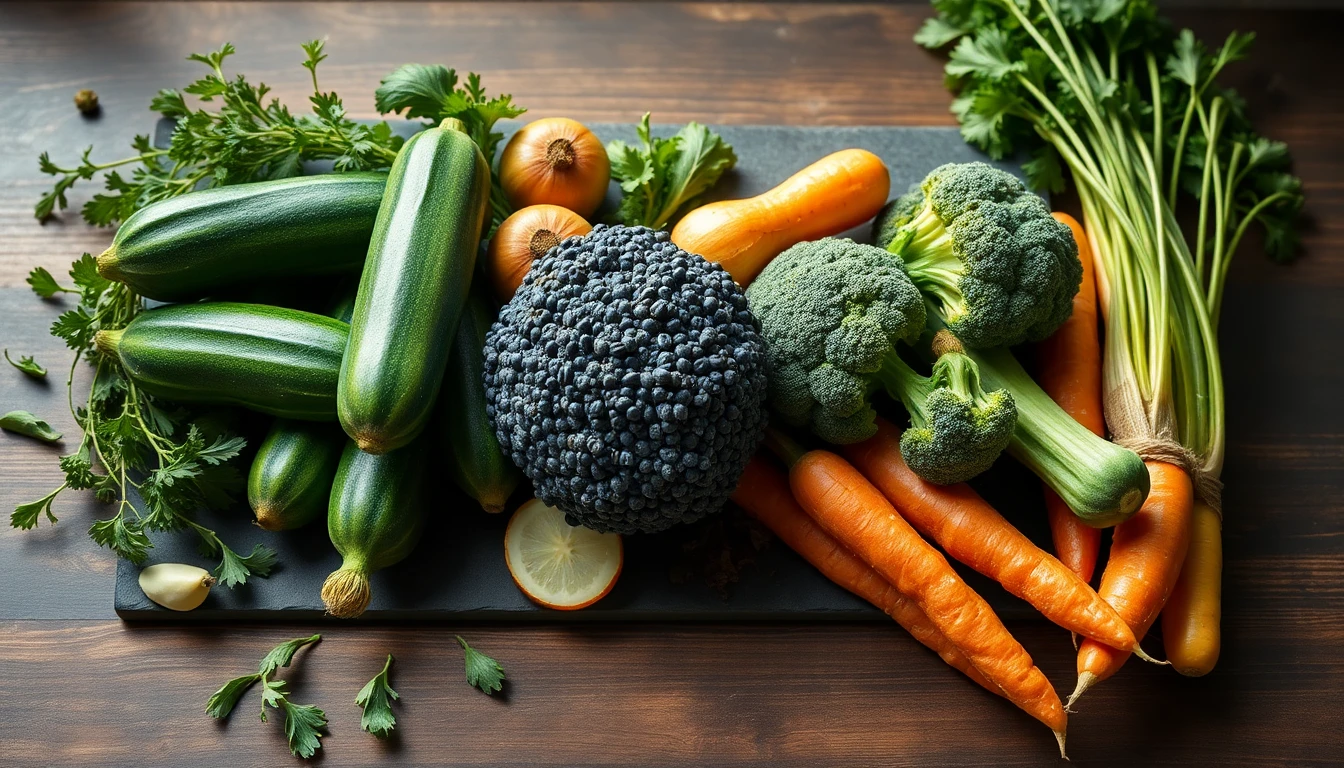
Most fresh vegetables are naturally low in histamine and form the foundation of a healthy diet:
- Cruciferous vegetables — Broccoli, cauliflower, Brussels sprouts, and cabbage
- Courgettes and cucumbers — Mild, versatile vegetables
- Leafy greens — Lettuce, rocket, and other salad leaves (avoid spinach)
- Root vegetables — Carrots, parsnips, sweet potatoes, and beetroot
- Peppers — Bell peppers of all colours
- Onions and leeks — Useful flavour bases for cooking
- Asparagus, green beans, and peas — Fresh or frozen varieties
Fruits
Whilst some fruits are high in histamine, many are well tolerated:
- Apples and pears — Usually very well tolerated
- Blueberries and blackberries — Lower in histamine than strawberries
- Melon — Watermelon, cantaloupe, and honeydew
- Mango and peach — Fresh varieties
- Cherries and grapes — When fresh
- Rhubarb — A tangy option for cooking
Grains, Dairy, and Other Staples
- Fresh dairy products — Fresh milk, cream, butter, cream cheese, and cottage cheese (avoid aged varieties)
- Rice — White, brown, or wild varieties
- Oats and quinoa — Wholesome grain alternatives
- Gluten-containing grains — Fresh bread, pasta, and other wheat products if you don't have coeliac disease
- Most cooking oils — Olive oil, rapeseed oil, and coconut oil
- Herbal teas — Chamomile, peppermint, and rooibos (avoid black or green tea for some people)
Why Freshness Matters for Histamine Intolerance Foods
This focus on freshness means that a low-histamine diet requires more planning and frequent cooking than some other dietary approaches. However, many people find that the reduction in symptoms makes the extra effort worthwhile.
- Shop frequently — Purchase fresh ingredients every few days rather than doing one large weekly shop
- Cook and eat immediately — Prepare meals from fresh ingredients and consume them straight away
- Freeze promptly — If you can't use food immediately, freeze it as soon as possible after purchase—freezing halts histamine production
- Avoid leftovers — Histamine develops rapidly in cooked food, even when refrigerated; if you must save leftovers, freeze them immediately after cooling
- Check fish freshness carefully — Only purchase fish from reputable sources that maintain proper cold chains; fish should smell fresh, not fishy
- Use frozen vegetables — Vegetables frozen immediately after harvest often contain less histamine than 'fresh' produce that's been transported and stored for days
Creating a Balanced Low-Histamine Diet
Following a low-histamine diet doesn't mean sacrificing nutrition or flavour. The key is building varied, colourful meals around fresh, whole foods whilst avoiding the specific triggers that affect you personally. Individual tolerance varies considerably—some people react to certain foods that others tolerate well.
A sustainable low-histamine diet should include adequate protein from fresh sources, plenty of vegetables for fibre and micronutrients, healthy fats from oils and fresh dairy, and carbohydrates from grains or starchy vegetables. Many people find they can reintroduce some higher-histamine foods in small amounts once symptoms are controlled, making the diet less restrictive over time.
Sample Daily Meal Pattern
- Breakfast — Fresh scrambled eggs with sautéed courgettes and a slice of fresh bread with butter
- Lunch — Fresh chicken breast with roasted root vegetables and a green salad dressed with olive oil
- Dinner — Fresh white fish with steamed broccoli, new potatoes, and a butter sauce
- Snacks — Apple slices with fresh cream cheese, rice cakes with butter, or fresh berries with cream
Supporting Your DAO Enzyme
Alongside choosing the right histamine intolerance foods, supporting your body's natural DAO production can help improve tolerance:
- Ensure adequate B6 intake — Found in fresh poultry, fish, and potatoes
- Get enough vitamin C — Present in peppers, broccoli, and tolerated fruits
- Include copper sources — Such as meat and certain vegetables
- Consider zinc status — Important for DAO function and found in meat and eggs
- Address gut health — Work with a healthcare professional if you suspect underlying gut issues
- Review medications — Discuss with your GP whether any current medications might be interfering with DAO
How FreshPlate Helps You Eat with Histamine Intolerance
Navigating histamine intolerance can feel overwhelming, especially when you're trying to remember which foods to watch, plan meals day after day, and make sure you're meeting your nutritional needs. FreshPlate is designed to take some of that load off you.
When you set up your FreshPlate profile and add histamine intolerance as one of your conditions, the app steers rather than prescribes. Recipes lean towards what public UK guidance (NHS, BDA) says suits the condition, and the app never claims to treat, prevent or cure anything. Histamine intolerance doesn't have a dedicated rule of its own in the app, so keep using the food lists in this guide alongside it, and talk to your GP or a dietitian about what works for you.
FreshPlate also builds every recipe around the rest of your profile: your allergens, your medications, and any cultural or religious food preferences you tell us about. Each recipe has a For you tab that shows what was actually checked, a line on why it suits your goal and conditions, and whether it fits what is left of your day. Recipes you keep go onto a shopping list, so planning your next shop takes a little less effort.
Frequently asked questions
What are the worst foods for histamine intolerance?
+
The highest histamine foods include aged cheeses, fermented products like sauerkraut and soy sauce, cured meats, tinned or smoked fish, alcohol (especially red wine), and leftover cooked foods. Avoiding these typically provides the most symptom relief.
Can you eat eggs with histamine intolerance?
+
Yes, fresh eggs are generally well tolerated and considered low in histamine. They're an excellent protein source for people with histamine intolerance, though individual tolerance can vary.
Does cooking reduce histamine in food?
+
No, cooking does not reduce histamine levels—in fact, histamine is heat-stable. However, cooking and then storing food increases histamine through bacterial activity, which is why fresh preparation is crucial.
How long does it take to see improvement on a low-histamine diet?
+
Many people notice symptom improvement within 2-4 weeks of following a strict low-histamine diet, though individual response times vary. It's important to work with a healthcare professional to ensure proper diagnosis and monitoring.
Is coffee allowed on a low-histamine diet?
+
Coffee is somewhat controversial—it doesn't contain high histamine but may trigger histamine release in some people. Individual tolerance varies, so it's best tested carefully after an elimination period. Herbal teas are generally safer alternatives.
Sources
Did this answer your question?
Reece reads every reply. Questions we have not covered become new guides.
The right foods make living with histamine intolerance easier.
Get our free histamine intolerance food guide by email — what to eat more of, what to limit, and simple meals that support you day to day. One genuinely useful email a week — no spam, unsubscribe anytime.
Free forever. You'll also be first in line for the FreshPlate app — with a free trial at launch.