Magnesium Rich Foods for Sleep and Anxiety Relief
Discover which magnesium rich foods improve sleep quality and reduce anxiety. Evidence-based guide to food sources, UK RDA, and bioavailable forms.

By Reece Douglas · Founder, FreshPlate
Listen to this article
Magnesium Rich Foods for Sleep and Anxiety Relief
If you've been lying awake at night with racing thoughts or feeling persistently on edge, you're not alone—and the answer might be hiding in your kitchen cupboard. Magnesium, often called nature's relaxation mineral, plays a crucial role in both sleep regulation and anxiety management, yet studies suggest nearly 50% of UK adults don't meet the recommended daily intake.
Unlike quick-fix supplements, magnesium-rich foods deliver this essential mineral alongside other nutrients that work synergistically to support your nervous system. In this guide, we'll explore the science behind magnesium's calming effects, identify the best food sources for bioavailability, and help you understand exactly how much you need for better sleep and reduced anxiety.
Why Magnesium Matters for Sleep and Anxiety
Magnesium is involved in over 300 enzymatic reactions in your body, but its influence on the nervous system is particularly relevant for sleep and mood regulation. This mineral acts as a natural regulator of the stress response, helping to calm neural activity and prepare your body for rest.
Research published in the Journal of Research in Medical Sciences found that magnesium supplementation significantly improved insomnia symptoms, sleep efficiency, and sleep time in elderly participants. The mineral works by regulating neurotransmitters that send signals throughout the brain and nervous system, particularly GABA (gamma-aminobutyric acid), which promotes relaxation.
For anxiety, magnesium's role is equally compelling. It modulates the hypothalamic-pituitary-adrenal (HPA) axis—your body's central stress response system—and helps regulate cortisol levels. Low magnesium status has been associated with increased anxiety symptoms, whilst adequate intake appears to support emotional resilience.
How Magnesium Promotes Sleep
Magnesium influences sleep through several biological pathways. It binds to GABA receptors, the same receptors targeted by many sleep medications, producing a calming effect on the nervous system. It also helps regulate melatonin, the hormone responsible for guiding your sleep-wake cycles.
- GABA activation — enhances the activity of this calming neurotransmitter, reducing neural excitability
- Melatonin regulation — supports healthy production and timing of this sleep hormone
- Muscle relaxation — blocks calcium at nerve cells, preventing excessive muscle tension that can interfere with sleep
- Circadian rhythm support — helps maintain consistent sleep-wake patterns by regulating internal biological clocks
The Magnesium-Anxiety Connection
The relationship between magnesium and anxiety is bidirectional: chronic stress depletes magnesium stores, whilst low magnesium can make you more vulnerable to stress. This creates a cycle that can be difficult to break without dietary intervention.
- Stress hormone regulation — moderates cortisol and adrenaline release during stressful events
- Neurotransmitter balance — supports production of serotonin and dopamine, key mood regulators
- Inflammation reduction — lowers inflammatory markers associated with anxiety disorders
- Blood sugar stability — helps prevent the mood swings and irritability linked to glucose fluctuations
Understanding Magnesium Forms and Bioavailability
Not all magnesium is created equal. The form of magnesium in food—and how your body absorbs it—matters considerably for therapeutic effects. Unlike supplements, which typically contain isolated forms like magnesium citrate or glycinate, whole foods provide magnesium in complex matrices alongside co-factors that enhance absorption.
The bioavailability of magnesium from food depends on several factors, including the presence of other nutrients, your gut health, and preparation methods. Certain dietary components can either enhance or inhibit absorption.
Magnesium Forms in Foods
Whole foods contain magnesium bound to organic compounds that influence how well it's absorbed and utilised.
- Chlorophyll-bound magnesium — found in green leafy vegetables, the magnesium atom sits at the centre of the chlorophyll molecule, making it highly bioavailable
- Magnesium citrate — naturally occurring in citrus fruits, this organic acid salt is well-absorbed
- Magnesium malate — present in apples and stone fruits, often well-tolerated and easily absorbed
- Magnesium taurate — formed when magnesium combines with the amino acid taurine in protein-rich foods, beneficial for cardiovascular and nervous system support
Factors Affecting Absorption
Several dietary and lifestyle factors influence how much magnesium your body actually absorbs from food. Understanding these can help you maximise the benefit of magnesium-rich meals.
- Vitamin D status — adequate vitamin D improves magnesium absorption and utilisation
- Phytic acid — found in grains and legumes, can bind magnesium and reduce absorption; soaking and sprouting helps
- Alcohol consumption — excessive intake increases magnesium excretion through urine
- Digestive health — conditions like Crohn's disease, coeliac disease, or chronic diarrhoea impair absorption
- Cooking methods — boiling can leach magnesium into water; steaming and roasting preserve more
Best Magnesium Rich Foods for Sleep and Anxiety
Meeting your magnesium needs through food is more effective and sustainable than relying on supplements alone. The UK recommended nutrient intake (RNI) is 300mg daily for men and 270mg for women, though individual needs may vary based on age, activity level, and health status.
Here are the most potent food sources, organised by category, with realistic portion sizes and magnesium content.
Nuts and Seeds
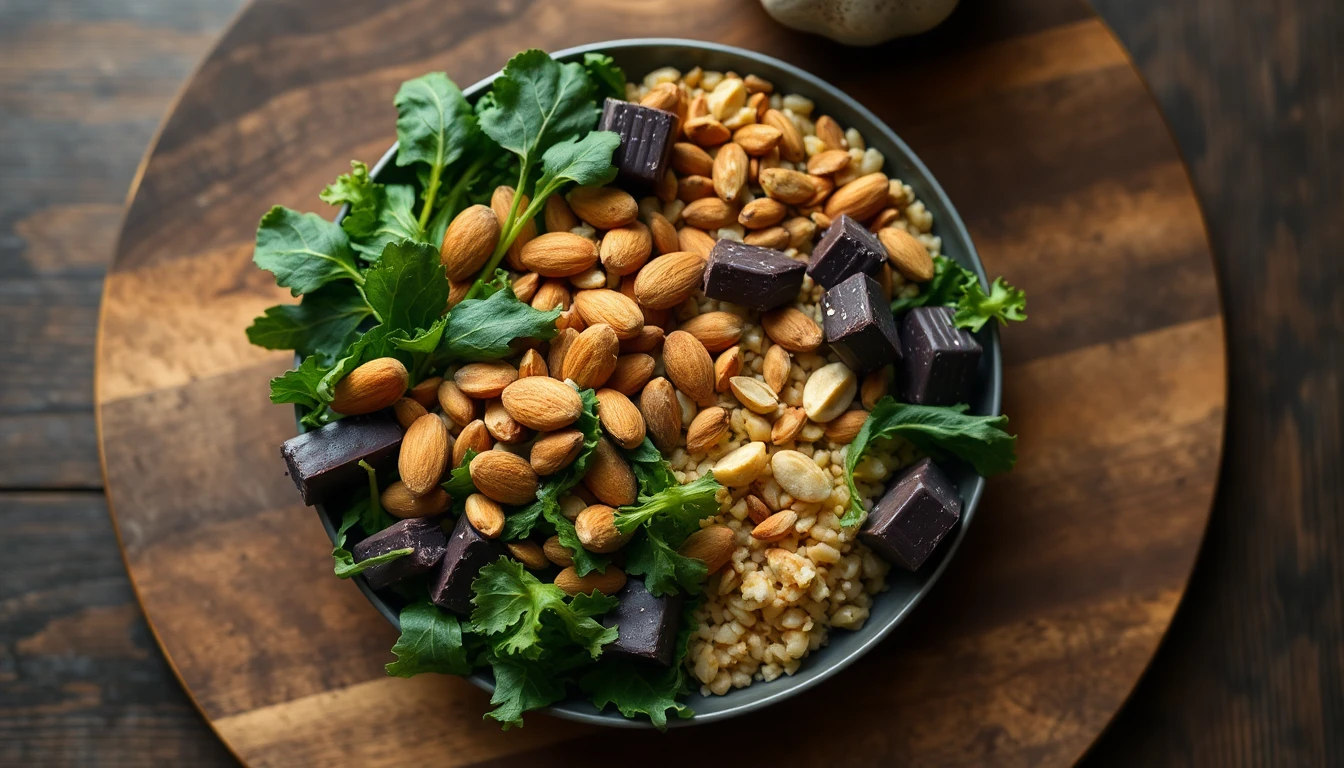
Ounce for ounce, nuts and seeds are among the most concentrated sources of dietary magnesium. They're also rich in healthy fats, protein, and other minerals that support nervous system health.
- Pumpkin seeds — 156mg per 30g serving (about 2 tablespoons), also high in zinc for immune support
- Almonds — 80mg per 30g serving, provide vitamin E and healthy monounsaturated fats
- Cashews — 82mg per 30g serving, excellent source of copper and iron
- Brazil nuts — 107mg per 30g serving, bonus selenium content supports thyroid function
- Chia seeds — 95mg per 30g serving, add to porridge or smoothies for omega-3 fatty acids too
- Flaxseeds — 110mg per 30g serving (ground), rich in lignans with anti-inflammatory properties
Leafy Greens and Vegetables
Dark leafy greens owe their colour to chlorophyll, which contains magnesium at its molecular core. This makes them exceptionally bioavailable sources.
- Spinach, cooked — 78mg per 100g serving, also provides folate and iron
- Swiss chard, cooked — 81mg per 100g serving, rich in vitamins K and A
- Kale, cooked — 34mg per 100g serving, excellent source of vitamin C and calcium
- Edamame — 64mg per 100g serving, provides complete plant protein
- Okra, cooked — 57mg per 100g serving, good source of fibre for gut health
- Broccoli, cooked — 21mg per 100g serving, contains sulforaphane with neuroprotective properties
Whole Grains and Legumes
Whole grains retain their magnesium-rich bran and germ layers, unlike refined grains. Legumes offer substantial magnesium alongside plant-based protein and resistant starch for gut health.
- Quinoa, cooked — 64mg per 100g serving, complete protein with all essential amino acids
- Brown rice, cooked — 43mg per 100g serving, provides B vitamins and fibre
- Oats, raw — 177mg per 100g serving, beta-glucan content supports heart health
- Black beans, cooked — 60mg per 100g serving, high in folate and antioxidants
- Chickpeas, cooked — 48mg per 100g serving, versatile source of plant protein
- Lentils, cooked — 36mg per 100g serving, quick-cooking and iron-rich
Other Notable Sources
Several other foods pack impressive magnesium alongside unique nutritional benefits.
- Dark chocolate (70-85% cocoa) — 228mg per 100g serving, contains flavonoids that support brain health; enjoy in moderation
- Avocado — 29mg per 100g serving, rich in potassium and healthy monounsaturated fats
- Banana — 27mg per medium fruit, provides quick energy and supports potassium balance
- Salmon — 26mg per 100g serving, omega-3 fatty acids complement magnesium's anti-anxiety effects
- Mackerel — 97mg per 100g serving, one of the richest fish sources
- Tofu, firm — 53mg per 100g serving, calcium-set varieties provide both minerals
Building Magnesium-Rich Meals for Better Sleep
Strategic timing and food combinations can enhance magnesium's sleep-promoting effects. Whilst you can eat magnesium-rich foods throughout the day to meet overall requirements, some people find including them at dinner or as an evening snack particularly helpful for sleep.
Pairing magnesium with other sleep-supportive nutrients creates a synergistic effect. Tryptophan-rich foods (found in turkey, eggs, and dairy) help produce serotonin and melatonin, whilst complex carbohydrates facilitate tryptophan uptake in the brain.
- Evening porridge bowl — oats cooked with milk, topped with almonds, pumpkin seeds, banana slices, and a square of dark chocolate
- Spinach and salmon dinner — grilled salmon fillet on a bed of sautéed spinach and Swiss chard, served with quinoa
- Calming smoothie — blend spinach, banana, chia seeds, almond butter, and milk of choice; consume 1-2 hours before bed
- Bean and vegetable stew — black beans with kale, sweet potato, and brown rice; the warm, comforting nature supports relaxation
- Nut and seed trail mix — combine almonds, cashews, pumpkin seeds, and dark chocolate pieces for a satisfying evening snack
Foods to Limit Before Bed
Whilst focusing on what to eat is important, certain foods and drinks can interfere with magnesium absorption or counteract its calming effects when consumed close to bedtime.
- Caffeine — blocks adenosine receptors and increases magnesium excretion; avoid after 2pm if sleep-sensitive
- High-sugar foods — cause blood sugar spikes and crashes that disrupt sleep architecture
- Heavy, fatty meals — can cause digestive discomfort and reflux when lying down
- Alcohol — whilst initially sedating, disrupts REM sleep and increases magnesium loss through urine
Recognising and Addressing Magnesium Deficiency
Overt magnesium deficiency (hypomagnesaemia) is relatively rare in healthy individuals, but suboptimal intake is common. The challenge is that early symptoms are non-specific and easily attributed to other causes like stress or poor sleep—creating a chicken-and-egg situation.
Certain groups face higher risk of inadequate magnesium status, including older adults (due to reduced absorption and increased medication use), people with type 2 diabetes, those with digestive disorders, and individuals taking certain medications like proton pump inhibitors or diuretics.
- Sleep disturbances — difficulty falling asleep, restless legs, frequent night waking
- Anxiety and irritability — heightened stress response, feeling on edge, mood swings
- Muscle symptoms — cramps, spasms, eyelid twitching, general tension
- Fatigue — persistent tiredness despite adequate sleep, low energy levels
- Headaches — particularly tension-type headaches and migraines
- Digestive issues — constipation due to reduced smooth muscle function
When to Seek Professional Advice
If you're experiencing persistent sleep problems or anxiety alongside other symptoms, it's worth discussing with your GP. They can check for underlying conditions and assess whether you might benefit from testing. Blood tests for magnesium aren't always reliable, as only 1% of the body's magnesium circulates in blood; the rest is stored in bones and soft tissues. However, your doctor can evaluate your overall clinical picture and dietary intake.
How FreshPlate Can Help You Keep Track of Magnesium
Keeping an eye on magnesium whilst juggling medications, health conditions and personal preferences can feel like a lot. FreshPlate takes some of the legwork out of it. You can log meals by photo, barcode or search, and if a pack isn't in any database, the app reads it straight off its own label on your phone, filling in the nutrition table for you and checking the ingredients against your allergens and food rules.
The Progress tab then shows how your day is going, why, and what to do next. It includes a minerals-and-vitamins panel measured against targets set for your body, with a "How we worked this out" tap behind every number, so you can see where the guidance comes from (NHS, WHO, UK RNI). If you make your own dishes, such as a tray bake or a pot of something, Cook works out the nutrition from your ingredient lines once, keeps it in your kitchen, and lets you log a portion in one tap from then on.
Every recipe also has a For you tab. It shows what was checked against your allergens, diet and religious rules, why the recipe suits your goal and any conditions, and whether it fits what is left of your day. If you've added your medicines, the tab lists them too. For many of them it opens the NHS or US FDA words about food, quoted word for word, and for the rest it says there is no advice on file yet and points you to your pharmacist. For anything about when to take magnesium or a supplement alongside your medicines, your pharmacist or GP is the person to ask.
If you connect Apple Health, FreshPlate can read your sleep. A short night won't change your targets, but it changes what the app says and leads with, on the Today card and in what to eat after it, alongside an NHS sleep range for your age. It's a gentle nudge towards meals that work with your day, with the app doing the logging and the sums so you can get on with enjoying your food.
Frequently asked questions
How much magnesium should I take for sleep and anxiety?
+
The UK recommended nutrient intake is 300mg daily for men and 270mg for women. For sleep and anxiety support, aim to meet this through food first. If considering supplements, consult your GP, as doses above 400mg from supplements may cause digestive upset.
What is the best form of magnesium for sleep?
+
Magnesium glycinate and magnesium threonate are often recommended for sleep due to their calming properties and good absorption, but whole foods provide naturally occurring forms alongside co-factors that enhance utilisation. Dark leafy greens, nuts, and seeds are excellent food-based options.
Can you take magnesium every night for sleep?
+
Yes, consuming magnesium-rich foods daily is safe and beneficial. Most people tolerate food sources very well. If using supplements, stick to recommended doses and consult your GP, especially if you have kidney disease or take medications that interact with magnesium.
How long does magnesium take to work for anxiety?
+
Some people notice improved relaxation within days, whilst others may need several weeks of consistent adequate intake for noticeable anxiety reduction. Individual response varies based on baseline magnesium status, overall diet quality, and other lifestyle factors.
What depletes magnesium in the body?
+
Chronic stress, excessive alcohol consumption, high caffeine intake, certain medications (diuretics, proton pump inhibitors), intense physical activity, and digestive disorders can all increase magnesium loss or reduce absorption. Refined diets low in whole foods also contribute to inadequate intake.
Sources
Did this answer your question?
Reece reads every reply. Questions we have not covered become new guides.
Make magnesium one less thing to worry about.
Get our free magnesium guide by email — the best food sources, what helps and hinders absorption, and a week of meal ideas. One genuinely useful email a week — no spam, unsubscribe anytime.
Free forever. You'll also be first in line for the FreshPlate app — with a free trial at launch.