Meal Prep for Beginners UK: Simple Guide to Start
Start meal prepping with this UK beginner's guide. Learn exactly what to cook, how long food lasts, essential containers, and a foolproof 5-day plan.

By Reece Douglas · Founder, FreshPlate
Listen to this article
Meal Prep for Beginners UK: Simple Guide to Start
If you're spending £30 on rushed weeknight takeaways or binning wilted vegetables every Sunday, meal prepping transforms both your health and your bank balance. The concept is straightforward: dedicate 2-3 hours once or twice weekly to prepare portioned meals in advance, then simply reheat throughout the week.
This guide provides practical, UK-focused advice for absolute beginners—what equipment actually matters, which foods prep safely, how long everything lasts, and a foolproof 5-day starter plan. Whether you're managing a health condition, juggling work and family, or simply tired of the 'what's for dinner?' dilemma, you'll find straightforward strategies that work in British kitchens without requiring culinary expertise.
What Is Meal Prep for Beginners?
Meal prep for beginners means cooking versatile base ingredients—proteins like chicken or beans, grains like rice or quinoa, and roasted vegetables—in a single 2-3 hour session, then storing them in portioned containers to assemble varied meals throughout the week. This component method prevents flavour fatigue whilst maximising efficiency: one roast chicken becomes Greek bowls with tzatziki on Monday, Asian stir-fry on Wednesday, and Italian pasta on Friday.
You don't need to cook seven identical meals every Sunday or master complicated recipes. Start with simple roasting and stovetop techniques, basic seasonings you can adjust daily, and containers that keep food fresh for 3-4 days. The approach works whether you're cooking for one person or a family, and scales easily once you understand the core principles.
Successful beginners focus on three elements: preparing ingredients that combine multiple ways, following food safety timings rigorously, and choosing recipes that actually improve or maintain quality when stored. Curries, grain bowls, roasted proteins, and batch cooking freezer meals excel here, whilst crispy fried foods and leafy salads deteriorate rapidly.
Essential Equipment for Meal Prepping Beginners in the UK
You need 8-12 microwave-safe, leak-proof containers to start—enough for one person's weekday lunches and a few dinners—plus basic kitchen tools you likely already own. Avoid the temptation to buy every trending gadget before you've established a routine.
The foundation of any meal prep routine is reliable storage that keeps food fresh, reheats safely, and travels without leaking. Invest in quality containers first; other equipment can be added gradually as your confidence grows.
Storage Containers: What Actually Matters
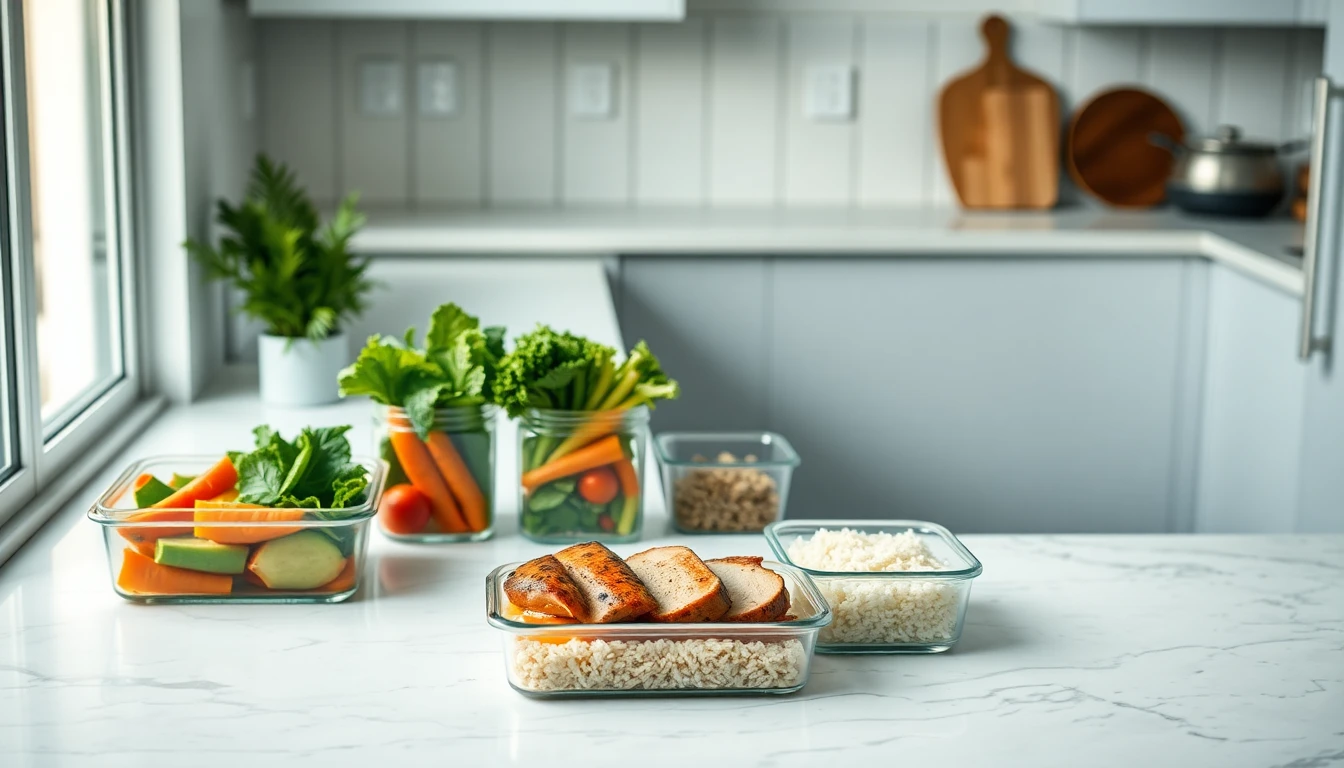
Glass containers with locking lids are the gold standard for meal prep in the UK—they won't stain, warp, retain odours, or leach chemicals when reheated. Brands like Sistema and Pyrex offer BPA-free options that last indefinitely with proper care, though they're heavier and pricier than plastic alternatives.
- Glass containers (800ml-1L) — best for main meals — oven and microwave safe, dishwasher-proof, no chemical leaching when heated repeatedly
- Compartmented containers — best for keeping components separate — prevents soggy salads and maintains crispy elements, 3-section designs work well
- Freezer-safe plastic tubs — best for freezer storage only — cheaper option rated to -18°C, fine for frozen meals but avoid reheating plastic
- Mason jars (500ml) — best for overnight oats and layered salads — widely available at supermarkets and Lakeland, stack efficiently in fridges
Kitchen Tools That Speed Up Batch Cooking
Beyond containers, a few strategic tools make the actual cooking process far more efficient. You likely own most of these already.
- Large stockpot (at least 5L) — essential for batch cooking grains, pasta, soups, and stews in quantities that justify the effort
- Two baking trays — roast multiple protein and vegetable batches simultaneously using both oven shelves at 190-200°C
- Sharp chef's knife and vegetable peeler — quality basics cut prep time dramatically compared to blunt tools
- Digital kitchen scales — accurate portioning helps with nutrition tracking and ensures consistent 400-500g meal sizes
- Slow cooker or pressure cooker — optional but transformative for hands-off batch cooking of curries, casseroles, and pulled meats over 4-8 hours
Batch Cooking Basics: The Core Principles
Successful meal prepping uses the component method: cook proteins, grains, and vegetables separately in bulk, then mix and match them with different sauces and seasonings throughout the week. This approach prevents flavour fatigue, maximises cooking session efficiency, and gives you flexibility when appetite or schedule changes unexpectedly.
One 2-3 hour cooking session produces base ingredients that combine into 10-15 varied meals. You'll cook once but eat interestingly all week by varying your flavour profiles—Greek yoghurt and herbs one day, soy-ginger sauce the next, or tikka spices on Friday.
The Power of Base Ingredients
Start your meal prep sessions by cooking these foundation ingredients in bulk. They're affordable in UK supermarkets, store safely for 3-4 days refrigerated, and form the backbone of countless cuisines.
- Grains and carbs — cook 500g dried rice, quinoa, or pasta (yields 1.5kg cooked, roughly 4-5 portions of 300g each); store refrigerated up to 4 days, rice maximum 3 days
- Protein sources — roast 1-1.5kg chicken thighs or breasts at 190°C for 45-60 minutes, or batch cook eggs, beans, lentils, or tofu for plant-based options
- Roasted vegetables — prep 1-2kg mixed veg (peppers, courgettes, butternut squash, broccoli) seasoned simply with 2 tbsp olive oil, salt, and herbs at 200°C for 30-40 minutes
- Leafy greens — wash and dry salad leaves or spinach immediately after shopping, store in containers lined with kitchen paper to absorb moisture
Efficient Cooking Order and Timing
A typical 2-3 hour meal prep session follows a logical sequence that keeps every appliance working whilst minimising idle time. This approach, recommended by meal prep experts, prevents bottlenecks and maximises your session productivity.
- Start with oven items (0-5 mins) — get proteins and vegetables roasting first at 190-200°C; they need 45-60 minutes unattended
- Cook grains simultaneously (5-10 mins) — start rice, quinoa, or pasta on the stovetop; these need 15-25 minutes with minimal attention
- Prepare quick components (during cooking time) — chop raw vegetables, make simple dressings, boil eggs for 10 minutes whilst monitoring timers
- Cool everything before storing (final 60-90 mins) — spread hot food on trays or divide into shallow containers; never seal warm food as condensation breeds bacteria
Food Safety Rules for Meal Prep in the UK
Cooked meal prep food stays safe for 3-4 days when refrigerated at 5°C or below, but rice and seafood require extra caution at 2-3 days maximum. The NHS emphasises cooling food within 90 minutes of cooking, reheating only once to 75°C throughout, and never leaving prepared meals at room temperature for more than 2 hours total.
Rice deserves special attention in meal prep routines. Bacillus cereus spores survive cooking and multiply rapidly if cooked rice sits at room temperature too long, causing food poisoning. Always cool rice quickly by spreading on baking trays, refrigerate within 1 hour of cooking, store for maximum 3 days, and reheat only once until steaming hot throughout (75°C internal temperature).
FreshPlate's free food–medication interaction checker helps you identify ingredients that might interfere with your prescriptions during meal prep planning.
- Cool rapidly — divide large batches into shallow containers (maximum 5cm deep) to speed cooling from 60°C to 5°C within 90 minutes; never refrigerate steaming hot food as it warms surrounding items and creates danger zone temperatures (5-63°C)
- Label everything — use masking tape and permanent marker with cooking date and contents; 'Monday's lunch, cooked 9 Sept' is clearer than guessing what's safe
- Reheat properly — food must reach 75°C throughout when reheated; microwave for 2-3 minutes on high (800W), stirring halfway, until piping hot in the centre
- Observe the 3-4 day rule — cooked poultry, meat, and grains stay safe 3-4 days refrigerated; cooked rice maximum 3 days; freeze portions you won't eat within this window
- Never refreeze thawed food — unless you've cooked it thoroughly again first; plan your week so freezer meals defrost in the fridge 24 hours before use
- Keep raw and cooked separate — use different colour-coded chopping boards (red for raw meat, green for vegetables, blue for fish) to prevent cross-contamination during prep sessions
Your First 5-Day Meal Prep Plan
This starter plan keeps flavours neutral so you can adjust with different sauces, hot sauce, or dressings throughout the week—preventing the monotony beginners often associate with meal prep. The whole session takes 2.5 hours including cooling time, costs approximately £15-20 at UK supermarkets, and yields five complete 450-500g meals.
Once comfortable with this basic structure, experiment with marinades before roasting (soy-ginger, za'atar-yoghurt, or tikka spice blends all work brilliantly) or try the principles with different base ingredients like salmon, turkey mince, or complete protein vegan combinations.
Shopping List
- Proteins — 6 chicken thighs (approximately 750g) or 500g dried chickpeas for vegetarian, 6 large eggs
- Carbohydrates — 400g basmati rice, 4 medium sweet potatoes (approximately 800g total), 1 loaf wholemeal bread
- Vegetables — 2 bell peppers, 2 courgettes, 300g cherry tomatoes, 1 broccoli head (approximately 300g), 200g baby spinach, 1 cucumber
- Flavourings — olive oil, salt, black pepper, garlic powder, mixed dried herbs, 1 lemon, 200g hummus, 150g feta cheese
Sunday Prep Session (2.5 Hours Total)
- Oven task (60 mins active, 0-5 mins) — preheat oven to 190°C; season chicken thighs with 1 tsp garlic powder, salt and pepper, roast for 50-60 minutes; simultaneously roast diced sweet potatoes (tossed in 1 tbsp oil) and mixed peppers/courgettes on a separate tray for 35-40 minutes
- Stovetop task (25 mins active, 5-10 mins) — cook 400g rice in 800ml water according to packet instructions (typically 15-20 minutes simmering); hard-boil 6 eggs for exactly 10 minutes, then plunge into cold water
- Raw prep (15 mins active, 30-40 mins) — slice cucumber, halve cherry tomatoes, wash and spin-dry spinach, crumble feta into a container whilst oven items cook
- Steam task (10 mins active, 40-50 mins) — steam broccoli florets for 6-8 minutes until just tender; refresh under cold water immediately to stop cooking and preserve colour
- Assembly (20 mins active, 60-80 mins) — spread all cooked items on trays to cool to room temperature (approximately 60 minutes); portion into 5 containers with lids off, then seal and refrigerate once fully cooled
Daily Meal Breakdown (Flavour Variations)
- Monday — Mediterranean bowl: 80g rice base, roasted vegetables, 1 chicken thigh sliced, 30g feta, squeeze of lemon juice and 1 tsp olive oil
- Tuesday — Asian-inspired: 80g rice, 1 chicken thigh, steamed broccoli, 2 tbsp hummus thinned with soy sauce as dressing
- Wednesday — Vegetarian: roasted sweet potato with 50g hummus, handful spinach, cherry tomatoes, and 1 sliced boiled egg, drizzle of olive oil
- Thursday — Greek twist: repurpose Monday's format but mix 2 tbsp hummus with lemon juice and dried herbs as creamy sauce over chicken and rice
- Friday — Fridge raid bowl: combine all remaining components (rice, sweet potato, vegetables, final chicken portion, egg) with your choice of dressing or make a loaded sandwich with wholemeal bread
Freezer Meal Prep: Extending Your Efforts
Freezing transforms meal prep from a weekly chore into a fortnightly or monthly task—most cooked dishes freeze beautifully for up to 3 months at -18°C, giving you a homemade ready-meal stash that costs pennies compared to supermarket equivalents priced at £3-5 per portion.
The golden rule for freezer meal prep is cooling food completely within 90 minutes of cooking, then freezing immediately. Portion into individual servings (400-500g for mains) so you defrost exactly what you need without waste. Label meticulously with contents and freezing date—frozen lasagne and cottage pie look remarkably similar after a month, and unlabelled mystery meals rarely get eaten.
The UK Food Standards Agency recommends defrosting in the fridge overnight (safest method, taking 12-24 hours for 500g portions), in the microwave on defrost setting (use immediately after), or cooking from frozen for soups and stews (add 50% extra cooking time and check internal temperature reaches 75°C).
- Freeze brilliantly (up to 3 months) — curries, chilli con carne, bolognese, soups, stews, cooked mince, casseroles, cooked beans and lentils, bread, pastry
- Freeze adequately (up to 2 months) — cooked pasta slightly undercooked, cooked rice cooled within 1 hour, roasted vegetables (texture softens), cooked chicken (slightly drier when reheated)
- Don't freeze — raw salad vegetables (turn mushy), cream-based sauces (split and curdle when thawed), soft fresh herbs (turn black), previously frozen-then-thawed meat (safety risk), cooked egg whites (become rubbery)
- Freezer container tips — leave 2cm headspace in rigid containers for liquid expansion when frozen; use freezer bags for soups and sauces (label first, fill, squeeze out air, flatten, stack horizontally); wrap casseroles tightly in two layers of clingfilm then foil to prevent freezer burn
Safe Defrosting Methods
Never defrost food on the kitchen counter at room temperature—bacteria multiply rapidly between 5-63°C, the danger zone. The UK Food Standards Agency recommends three safe methods: overnight in the fridge on a plate to catch drips (slowest at 12-24 hours but safest), in the microwave on defrost setting using immediately after (uneven heating creates hot spots), or cooking from frozen for stews and soups (requires 50% longer cooking time). Once defrosted, use within 24 hours and never refreeze unless cooked thoroughly again first to 75°C internal temperature.
Common Meal Prep Mistakes Beginners Make
The biggest mistake beginners make is prepping meals that deteriorate in storage—crispy fried chicken turns soggy, dressed salads wilt, and cream sauces split when reheated. Start with robust dishes designed to improve or maintain quality: curries taste better after 24 hours as flavours meld, grain bowls stay fresh for 4 days, and roasted proteins reheat well.
Other common pitfalls include overfilling containers (preventing proper cooling), skipping labels (leading to forgotten mystery meals), and attempting seven different recipes in one session instead of mastering versatile base components. Beginners also frequently undercook rice or pasta thinking they'll finish cooking during reheating—this doesn't work and yields crunchy, unpleasant results.
- Prepping foods that don't store well — avoid crispy fried items, cream sauces, and leafy salads dressed in advance; focus on curries, grain bowls, roasted proteins, and stews
- Sealing warm food immediately — condensation creates bacterial breeding grounds; always cool to room temperature (under 90 minutes total time) before sealing containers
- Making too many different recipes — stick to 2-3 versatile base components that combine multiple ways rather than exhausting yourself with complicated variety
- Forgetting to label containers — unlabelled food gets forgotten; always mark cooking date and contents, especially for freezer storage beyond a week
- Undercooking grains 'to finish later' — cook rice, pasta, and quinoa fully during prep; reheating doesn't complete the cooking process effectively
How FreshPlate Supports Your Meal Prep
Whilst this guide provides general meal prep principles, everyone's nutritional needs differ—especially if you're managing medications, health conditions, or specific dietary requirements. What works brilliantly for your colleague might clash with your prescriptions or trigger unwanted symptoms.
FreshPlate builds its recipes around your own health profile. Every recipe it generates is built around your medication list, which you add by brand or generic name from the NHS's own medicines list, and onboarding asks about your cultural and religious food preferences so recipes respect them. Recipes you keep go onto a shopping list, and when you cook a big batch yourself, Cook on the Meals tab can measure it from its ingredient lines in one go, keep it in your kitchen with a photo, and log a portion in one tap from then on. Have a look at our batch cooking recipes for ideas to start with.
Whether you're navigating blood sugar control, managing high cholesterol with portfolio diet principles, or following specific restrictions because of medications, the For you tab on every recipe shows why it suits your goal and conditions, how it fits what is left of your day, and what was checked for your allergens, diet and religious rules. It also lists your medicines, and for those with food advice on file it opens the NHS or FDA wording word for word; for the rest it points you to your pharmacist. For medical conditions the app steers rather than prescribes, leaning towards what public UK guidance (NHS, BDA) says suits the condition, so you can focus on the cooking itself.
Frequently asked questions
How do I start meal prepping as a beginner?
+
Start meal prepping by cooking versatile base ingredients—1kg protein (chicken, beans, or tofu), 500g dried grains (rice or quinoa), and 1-2kg roasted vegetables—in one 2-3 hour session on Sunday, then portioning into 8-12 containers for the week ahead. Begin with the simple 5-day plan above using basic equipment you already own: a stockpot, two baking trays, and microwave-safe containers. Focus on mastering food safety timings (cool within 90 minutes, store 3-4 days maximum, reheat to 75°C) before expanding to more complex recipes or freezer batches.
How long does meal prepped food last in the fridge?
+
Meal prepped food lasts 3-4 days when refrigerated at 5°C or below, but cooked rice and seafood should be eaten within 2-3 days maximum due to Bacillus cereus and bacterial spoilage risks. Always label containers with the cooking date, store on upper shelves where temperature is most stable, and reheat only once to 75°C internal temperature (steaming hot throughout). If you won't eat prepared meals within 4 days, freeze portions immediately after cooling to extend storage up to 3 months safely.
What containers do I need for meal prep?
+
You need 8-12 containers (800ml-1L capacity each) that are microwave-safe, leak-proof, and ideally glass with locking lids for one person's weekday meals. Glass containers like Sistema or Pyrex are best because they don't stain, warp, or leach chemicals when reheated repeatedly, though BPA-free plastic works for cold storage or single reheating. Add 3-4 compartmented containers if you want to keep components separate (crucial for salads or items that shouldn't touch), and ensure any freezer storage containers are specifically rated to -18°C to prevent cracking.
Is meal prepping actually cheaper than cooking daily?
+
Meal prepping saves UK households £150-250 monthly by reducing takeaways (average £8-12 per meal), preventing food waste (UK families bin £470 worth annually), and enabling bulk ingredient purchases at lower per-unit costs. You'll use more electricity in one 2-3 hour cooking session (approximately 2-3 kWh at £0.60-0.90) but save substantial time (8-10 hours weekly) and money overall compared to daily cooking or convenience meals. The biggest savings come from eliminating impulse takeaways on exhausting weeknights when you have healthy meals already prepared.
What meals should beginners not meal prep?
+
Beginners should avoid meal prepping leafy salads dressed in advance (wilt within hours), crispy fried foods like battered fish (turn soggy when stored), cream-based pasta sauces (split and curdle when reheated), and delicate white fish (deteriorates faster than chicken or beef). Also skip recipes with multiple complex components requiring precise assembly, very spicy dishes that intensify unpleasantly over days, and anything requiring fresh herbs as garnish since these blacken quickly. Start with robust dishes like grain bowls, curries, roasted proteins, stews, and [batch cooking freezer meals](/website/blog/batch-cooking-freezer-meals-healthy/) that maintain or improve quality when stored 3-4 days.
Can you freeze meal prep containers?
+
Yes, but only containers specifically labelled freezer-safe and rated to -18°C—regular lunch boxes crack under freezing temperatures. Glass containers can shatter if not freezer-rated due to liquid expansion, so check manufacturer specifications before freezing. Leave 2cm headspace for expansion in rigid containers, cool food completely to room temperature first (within 90 minutes of cooking), and label with contents and freezing date since frozen meals look identical after a month.
Sources
Did this answer your question?
Reece reads every reply. Questions we have not covered become new guides.
Small food changes. Big difference.
Get practical meal prep tips by email — simple, evidence-based changes you can make this week. One genuinely useful email a week — no spam, unsubscribe anytime.
Free forever. You'll also be first in line for the FreshPlate app — with a free trial at launch.