Potassium-Rich Foods for Heart Health: A Complete Guide
Discover the best potassium-rich foods beyond bananas, how they support heart health and blood pressure, plus UK RDA guidelines and kidney cautions.

By Reece Douglas · Founder, FreshPlate
When it comes to heart-healthy minerals, potassium deserves far more attention than it typically receives. While most of us associate heart health with limiting sodium, ensuring adequate potassium intake is equally important for maintaining healthy blood pressure, supporting proper heart rhythm, and reducing cardiovascular disease risk. Yet surveys consistently show that many UK adults fall short of the recommended daily intake.
This guide explores why potassium matters for your heart, which foods provide the richest sources beyond the obvious banana, and who needs to be cautious about their intake. Whether you're managing hypertension, supporting overall cardiovascular wellness, or simply want to optimise your nutrition, understanding potassium-rich foods is essential.
Why Potassium Is Essential for Heart Health
Potassium is an essential mineral and electrolyte that plays several critical roles in cardiovascular function. It works in close partnership with sodium to regulate fluid balance, maintain healthy blood pressure, and ensure proper electrical signalling throughout the heart muscle.
The relationship between potassium and blood pressure is particularly well-established. Potassium helps relax blood vessel walls, which reduces resistance and allows blood to flow more easily. It also helps your kidneys excrete excess sodium through urine—important because high sodium intake is strongly linked to elevated blood pressure. Research published in the British Medical Journal has shown that increased potassium intake is associated with lower blood pressure, particularly in people with hypertension.
Beyond blood pressure, potassium is crucial for maintaining normal heart rhythm. The mineral helps regulate the electrical impulses that coordinate each heartbeat. Low potassium levels (hypokalaemia) can lead to irregular heartbeats or arrhythmias, which can be dangerous if left untreated.
The Sodium-Potassium Balance
Our bodies evolved on diets naturally high in potassium and low in sodium—the opposite of most modern Western diets. This imbalance matters because sodium and potassium work together like opposite ends of a seesaw. When sodium levels are high and potassium low, blood pressure tends to rise. Increasing potassium intake whilst moderating sodium helps restore this balance.
The World Health Organisation recommends a sodium-to-potassium ratio that favours potassium, yet typical UK diets deliver far more sodium than potassium. Focusing on whole, minimally processed foods naturally shifts this ratio in the right direction.
UK Potassium Recommendations: How Much Do You Need?
The UK Reference Nutrient Intake (RNI) for potassium is 3,500mg per day for adults. This is the amount considered adequate to maintain normal body function and reduce the risk of chronic disease, particularly cardiovascular conditions.
Unlike some nutrients where requirements vary significantly by age and sex, potassium recommendations are relatively consistent across adult populations. However, certain groups may benefit from particular attention to their intake.
- Adults (19+ years) — 3,500mg daily is the standard recommendation
- Pregnant and breastfeeding women — Same 3,500mg target, though increased fruit and vegetable intake is encouraged
- Older adults — May need to be more mindful due to reduced food intake overall and potential medication interactions
- Athletes and active individuals — May require higher intakes due to losses through sweat, though this is usually met through increased food intake
- People with hypertension — May see particular benefit from adequate intake, though should discuss optimal levels with their GP
Are You Getting Enough?
National Diet and Nutrition Survey data suggests that many UK adults consume less than the recommended amount. Average intakes hover around 2,800-3,000mg daily, leaving a significant gap. This shortfall is largely due to low fruit and vegetable consumption—the richest natural sources of potassium.
Signs of low potassium can include muscle weakness, fatigue, constipation, and heart palpitations, though mild deficiency often produces no obvious symptoms. If you're concerned about your levels, a simple blood test through your GP can provide clarity.
The Best Potassium-Rich Foods: Beyond Bananas
Whilst bananas are the poster child for potassium (providing around 350-400mg in a medium fruit), they're far from the only—or even the richest—source. A diverse range of whole foods can help you meet your daily needs whilst providing other valuable nutrients.
Here are the top potassium-rich foods, organised by category, with approximate potassium content per typical serving.
Vegetables and Leafy Greens
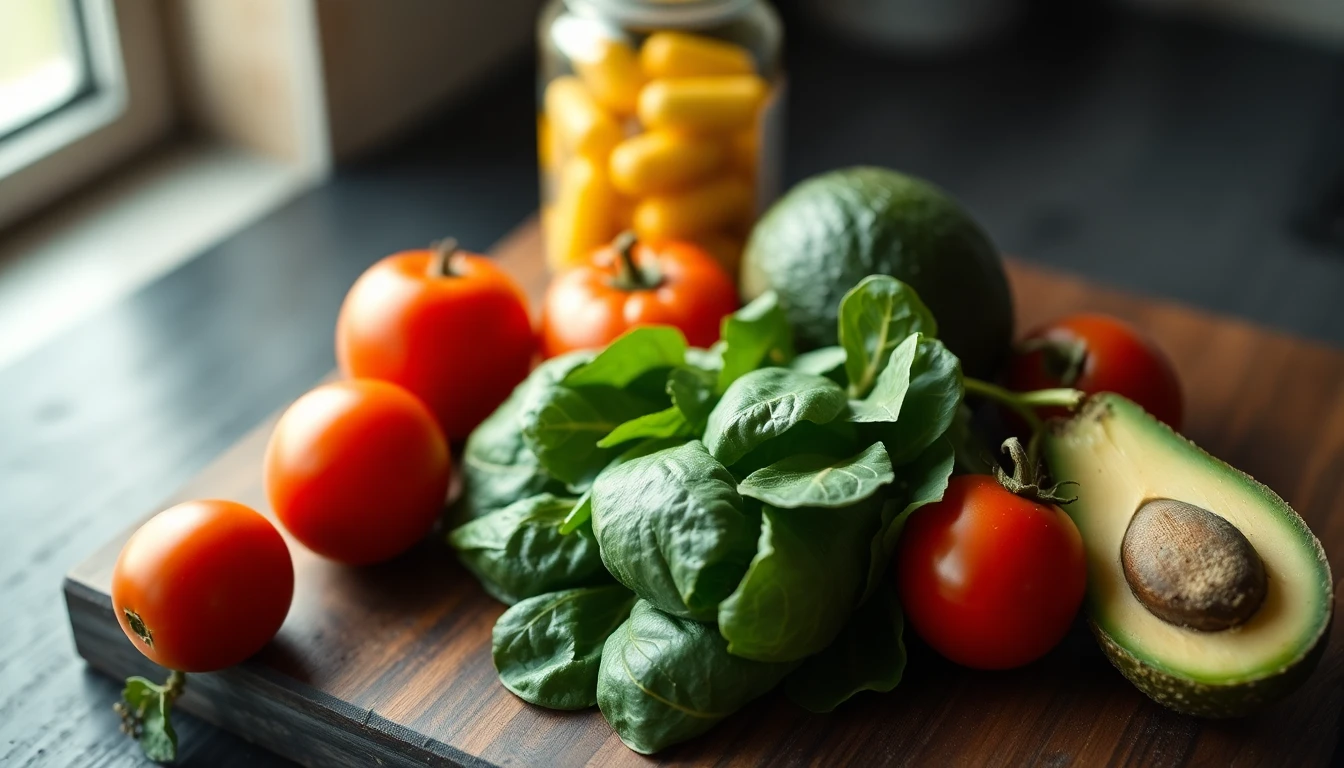
- Spinach (cooked) — 840mg per 180g serving; also provides iron and folate
- Swiss chard (cooked) — 960mg per 175g; excellent magnesium source too
- Potatoes (baked with skin) — 925mg per medium potato; keep the skin on for maximum benefit
- Sweet potatoes (baked) — 540mg per medium potato; also rich in beta-carotene
- Beetroot — 520mg per 170g cooked; supports nitric oxide production for blood vessel health
- Tomato purée — 660mg per 125g; concentrated source, useful in cooking
- Butternut squash — 580mg per 200g cooked; versatile autumn vegetable
- Mushrooms (cooked) — 550mg per 150g; particularly portobello varieties
Pulses and Legumes
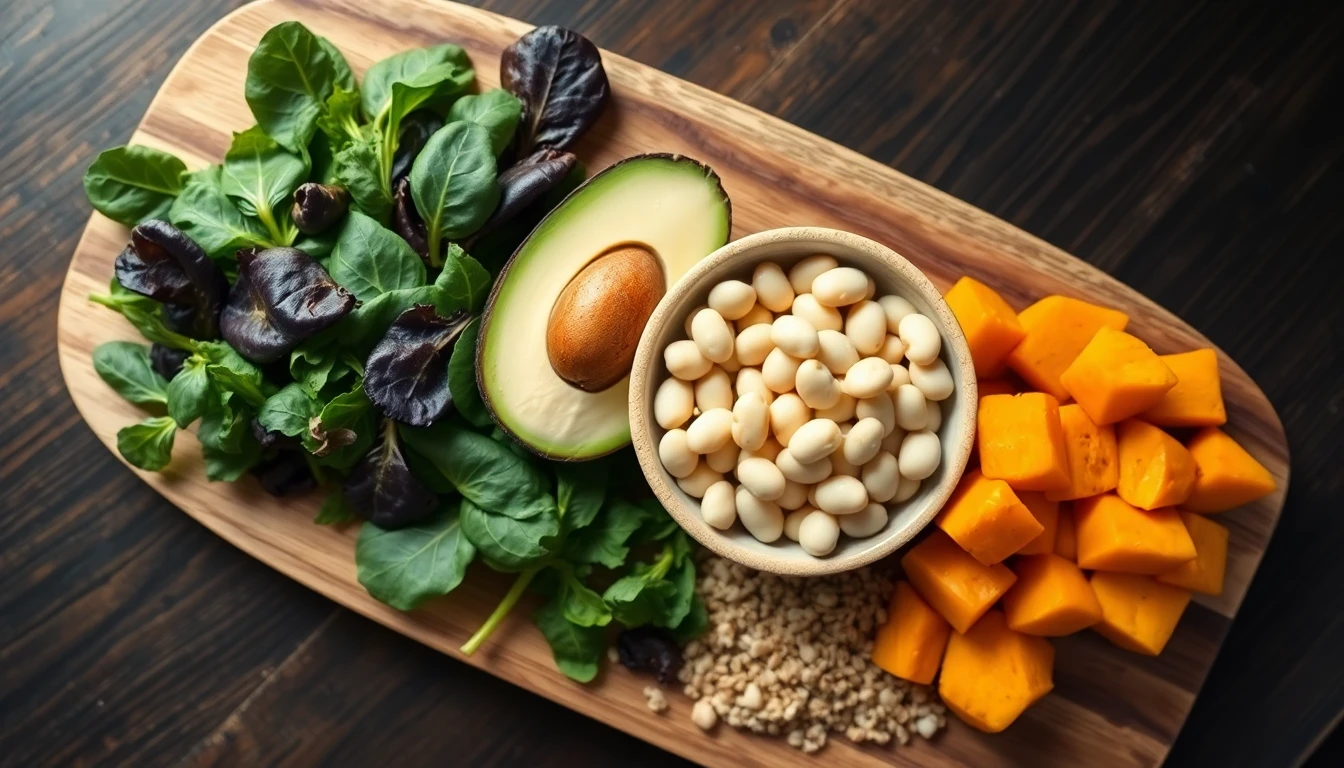
- White beans (cannellini, haricot) — 1,000mg per 180g cooked; also high in fibre
- Lentils — 730mg per 200g cooked; budget-friendly protein source
- Kidney beans — 720mg per 180g cooked; versatile in multiple cuisines
- Chickpeas — 475mg per 165g cooked; good for batch cooking
- Edamame — 675mg per 155g; makes an excellent snack
Fish and Seafood
- Salmon — 630mg per 150g cooked; also provides omega-3 fatty acids
- Mackerel — 520mg per 150g; another oily fish with cardiovascular benefits
- Cod — 580mg per 150g; lean protein option
- Tuna (fresh) — 600mg per 150g; canned varieties contain less
Fruits
- Avocado — 690mg per medium fruit; also provides healthy monounsaturated fats
- Dried apricots — 1,100mg per 130g; concentrated source but also high in natural sugars
- Cantaloupe melon — 470mg per 160g serving; hydrating summer option
- Kiwi fruit — 560mg per 2 medium fruits; excellent vitamin C content
- Oranges/orange juice — 470mg per large orange or 240ml juice
- Bananas — 420mg per medium fruit; convenient portable snack
Nuts, Seeds, and Dairy
- Almonds — 210mg per 30g; good snack but watch portion sizes
- Pistachios — 290mg per 30g; higher than most nuts
- Sunflower seeds — 240mg per 30g; easy to sprinkle on salads
- Yoghurt (natural) — 380mg per 200g pot; also provides probiotics and calcium
- Milk — 350mg per 240ml; fortified varieties available
Important Cautions: When to Limit Potassium
Whilst most people benefit from increasing potassium intake, certain medical conditions and medications require careful monitoring and sometimes restriction of this mineral. Too much potassium (hyperkalaemia) can be just as dangerous as too little, particularly for vulnerable groups.
Chronic Kidney Disease
Healthy kidneys regulate potassium levels by excreting excess through urine. However, when kidney function is impaired, potassium can accumulate to dangerous levels in the bloodstream. People with chronic kidney disease (CKD), particularly those in stages 4-5 or on dialysis, typically need to follow a low-potassium diet.
If you have kidney disease, your renal dietitian will provide specific guidance on safe potassium levels. This often means limiting or avoiding the high-potassium foods listed above and using special cooking techniques (like double-boiling vegetables) to reduce potassium content.
Medications That Affect Potassium Levels
If you take any of these medications, discuss appropriate potassium intake with your GP or pharmacist. They may recommend regular blood tests to monitor levels. Never start potassium supplements without medical supervision if you take these drugs.
- ACE inhibitors and ARBs — Blood pressure medications (like ramipril, lisinopril, losartan) that can cause potassium retention; regular monitoring needed
- Potassium-sparing diuretics — Medications like spironolactone and amiloride reduce potassium loss; combining with high-potassium foods or supplements can be risky
- NSAIDs — Regular use of ibuprofen or naproxen can affect kidney potassium handling
- Some immunosuppressants — Tacrolimus and ciclosporin may increase potassium levels
Symptoms of High Potassium
Hyperkalaemia often produces no symptoms until levels become dangerously high. When symptoms do occur, they may include muscle weakness, fatigue, nausea, tingling sensations, or irregular heartbeat. Severe hyperkalaemia is a medical emergency that can cause life-threatening heart rhythm problems.
This is why people with kidney disease or on relevant medications need regular blood monitoring rather than relying on symptoms alone.
Practical Tips for Increasing Potassium Intake
If you've been advised to increase your potassium or simply want to optimise your heart health, these practical strategies can help you reach the 3,500mg daily target through food alone.
- Build meals around vegetables — Aim for at least half your plate to be vegetables at lunch and dinner; this naturally boosts potassium whilst providing fibre and other nutrients
- Start with breakfast — Add banana or berries to porridge, or enjoy a vegetable omelette with mushrooms and spinach
- Choose whole foods over processed — Processing often strips potassium whilst adding sodium; whole foods provide the ideal balance
- Keep the cooking water — When boiling potatoes or vegetables, some potassium leaches into the water; use it as stock for soups (unless you need to limit potassium)
- Snack strategically — Replace crisps with nuts, dried fruit, or fresh fruit; the potassium content is significantly higher
- Include fish twice weekly — Both oily and white fish provide excellent potassium alongside other heart-healthy nutrients
- Batch cook beans and lentils — These shelf-stable staples are among the richest sources; cook a large batch for quick additions to meals
- Don't fear potatoes — Despite their carb reputation, potatoes (especially with skin) are nutritional powerhouses when prepared healthily
A Sample High-Potassium Day
This example shows that meeting your needs is entirely achievable through varied, delicious whole foods without obsessive tracking or supplements.
- Breakfast — Porridge with banana and almonds, glass of orange juice (~750mg)
- Lunch — Baked sweet potato with chickpea and spinach filling (~1,100mg)
- Afternoon snack — Natural yoghurt with dried apricots (~550mg)
- Dinner — Grilled salmon with roasted butternut squash and steamed Swiss chard (~1,400mg)
- Total — Approximately 3,800mg potassium
How FreshPlate Can Help You Keep an Eye on Potassium
Keeping track of individual nutrients across your whole diet can feel overwhelming, particularly when you're also managing medications, health conditions, or other dietary requirements. FreshPlate is built to make that picture easier to see.
When you add your conditions, such as high blood pressure or kidney disease, and your medications, such as ACE inhibitors, FreshPlate uses them to shape what it shows you. For medical conditions the app steers rather than prescribes: recipes lean towards what public UK guidance (NHS, BDA) says suits the condition, and the app never claims to treat, prevent or cure anything. Medicines are added by brand or generic name from the NHS's own medicines list, and the For you tab on every recipe lists your medicines. If one has food advice on file, it opens the wording from its own NHS page or US FDA label, quoted word for word, with a link to the interaction checker. If there's no advice on file yet, it says so and points you to your pharmacist. You can also look up a medication yourself with the free food–medication checker at /website/tools/food-medication-checker/.
You can log meals by photo, barcode or search, and the Progress tab includes a minerals-and-vitamins panel set against targets for your body, with a "How we worked this out" tap behind every number. Each recipe's For you tab also gives a line per target on why it suits your goal and conditions, and whether it fits what is left of your day. If you have a potassium question linked to a condition or a medication, your GP, pharmacist or dietitian is the right person to ask. FreshPlate is there to make everyday eating easier to follow, not to replace their advice.
Frequently asked questions
What food is highest in potassium?
+
Dried apricots, white beans, and Swiss chard are among the richest sources, providing 900-1,100mg per serving. However, variety matters more than any single food—combining vegetables, pulses, fish, and fruits throughout the day ensures adequate intake alongside other nutrients.
Can you get too much potassium from food?
+
For people with healthy kidneys, it's very difficult to consume harmful amounts of potassium from food alone. Your kidneys efficiently excrete excess through urine. However, those with kidney disease or taking certain medications can accumulate dangerous levels and need medical guidance on safe intake.
Does cooking reduce potassium in vegetables?
+
Yes, boiling vegetables causes some potassium to leach into the cooking water—you may lose 50-75% depending on cooking time. Steaming, roasting, or microwaving preserves more potassium. If you need to reduce potassium for kidney disease, double-boiling (discarding the first water) is recommended.
How quickly does potassium lower blood pressure?
+
Studies suggest that increasing potassium intake can begin to lower blood pressure within a few weeks, with maximum effects typically seen after 4-8 weeks of consistent adequate intake. However, dietary changes work best alongside other lifestyle modifications and any prescribed medications.
Should I take potassium supplements for my heart?
+
Generally no—food sources are safer and more effective for most people. Potassium supplements can cause stomach upset and, more seriously, dangerous potassium spikes, especially for those with kidney issues or taking certain medications. Always consult your GP before taking potassium supplements.
Sources
Did this answer your question?
Reece reads every reply. Questions we have not covered become new guides.
Make potassium one less thing to worry about.
Get our free potassium guide by email — the best food sources, what helps and hinders absorption, and a week of meal ideas. One genuinely useful email a week — no spam, unsubscribe anytime.
Free forever. You'll also be first in line for the FreshPlate app — with a free trial at launch.