Pregnancy Nutrition Trimester Guide: What to Eat & Avoid
Essential pregnancy nutrition by trimester: folate, iron, calcium and omega-3 needs across all three trimesters, plus foods to avoid for a healthy pregnancy.

By Reece Douglas · Founder, FreshPlate
Listen to this article
Pregnancy Nutrition Trimester Guide: What to Eat & Avoid
Pregnancy brings remarkable changes to your body, and your nutritional needs shift significantly as your baby develops. What you eat doesn't just fuel your own health—it directly influences your baby's growth, brain development, and lifelong wellbeing. Yet navigating pregnancy nutrition can feel overwhelming, especially when advice seems to change depending on which trimester you're in.
The good news is that eating well during pregnancy doesn't require perfection. Understanding which nutrients matter most at each stage—and which foods to avoid for safety—helps you make confident choices that support both you and your growing baby. This trimester-by-trimester guide breaks down the essentials, from folate in early pregnancy through to omega-3s in the final stretch, giving you practical, evidence-based guidance for every stage of your pregnancy journey.
First Trimester Nutrition: Building the Foundations
The first 12 weeks of pregnancy are critical for your baby's development, even though you may not be showing yet. During this trimester, the neural tube forms (which becomes the brain and spinal cord), and all major organs begin to develop. Your nutritional choices now lay the groundwork for your baby's entire future.
Many women struggle with morning sickness during the first trimester, which can make eating challenging. Focus on nutrient-dense foods when you can eat, and don't worry if you can't manage large meals—small, frequent snacks often work better.
Essential Nutrients for the First Trimester
Folate (vitamin B9) is the star nutrient of early pregnancy. It's crucial for preventing neural tube defects, which develop in the first 28 days of pregnancy—often before you even know you're expecting. The NHS recommends 400 micrograms daily, ideally starting before conception.
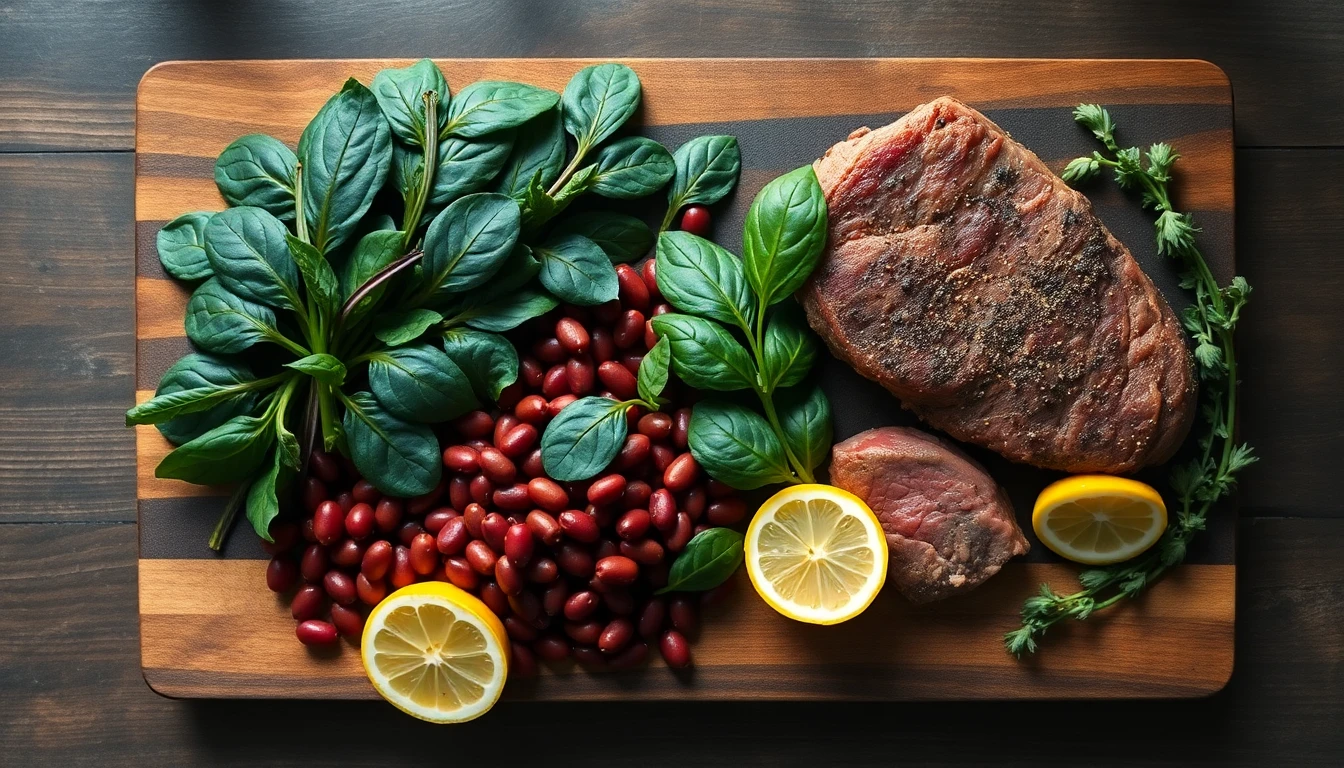
- Dark leafy greens — spinach, kale and rocket provide natural folate alongside iron and calcium
- Fortified cereals — many breakfast cereals contain 100% of your daily folate requirement per serving
- Pulses and legumes — lentils, chickpeas and black beans offer folate, protein and fibre
- Citrus fruits — oranges and grapefruits provide folate plus vitamin C to help iron absorption
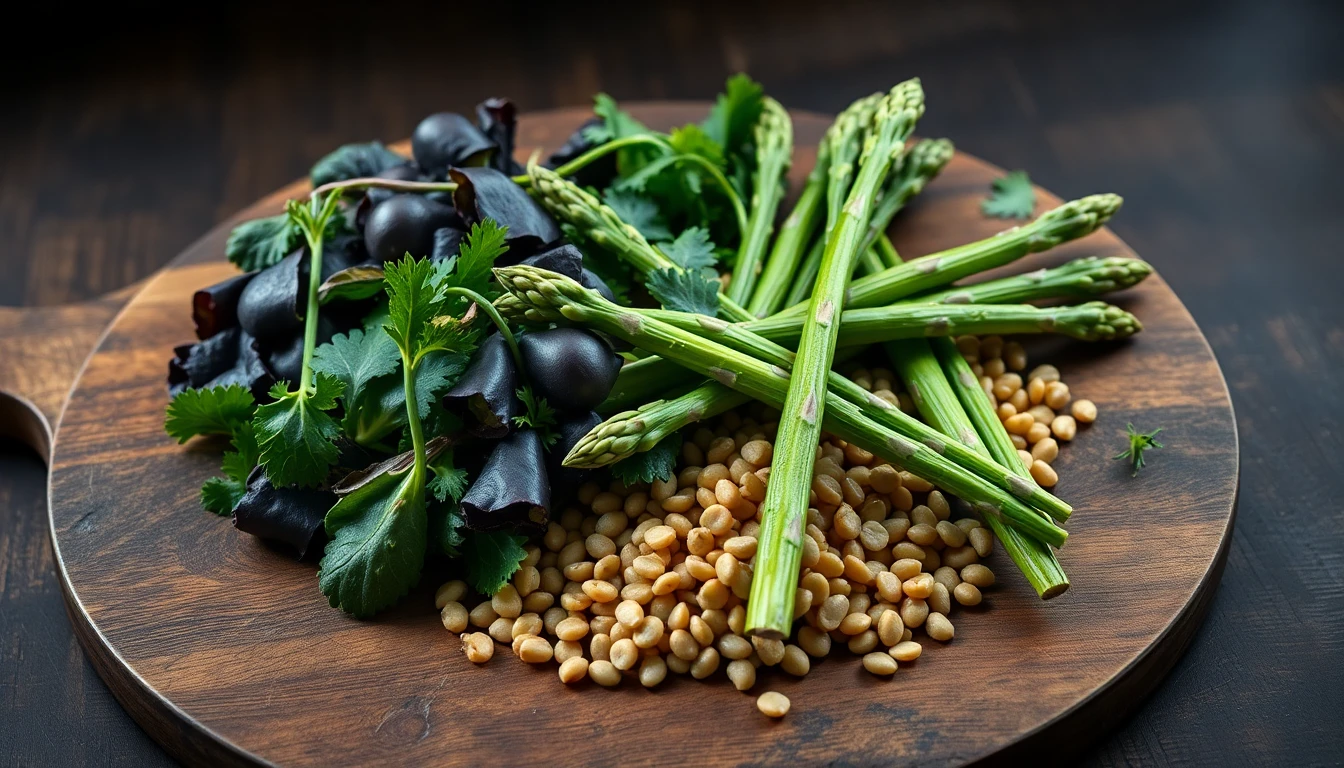
- Asparagus and broccoli — excellent vegetable sources delivering folate and other B vitamins
Managing Morning Sickness Through Food
Nausea and food aversions affect up to 80% of pregnant women in the first trimester. Whilst this can make optimal nutrition challenging, certain strategies can help.
- Ginger — fresh ginger tea or ginger biscuits may reduce nausea naturally
- Plain carbohydrates — toast, crackers and rice cakes are often better tolerated
- Protein-rich snacks — nuts, cheese or yoghurt help stabilise blood sugar
- Cold foods — often easier to tolerate as they have less smell than hot meals
- Small, frequent meals — eating every 2-3 hours prevents an empty stomach, which can worsen nausea
Second Trimester Nutrition: Supporting Growth
The second trimester, from weeks 13 to 27, is often called the 'honeymoon period' of pregnancy. Morning sickness typically eases, your energy returns, and your appetite often increases. This is when your baby experiences rapid growth, particularly bone development, making certain nutrients especially important.
Your calorie needs increase modestly during this trimester—by around 340 extra calories daily. This isn't much (equivalent to a banana with peanut butter and a glass of milk), so focus on nutrient quality rather than simply eating more.
Key Nutrients for the Second Trimester
Calcium and vitamin D become priorities as your baby's skeleton develops. You need 1,000mg of calcium daily during pregnancy—the same as before conception, but many women don't meet this baseline. Iron requirements also increase to support your expanding blood volume and prevent anaemia.
- Dairy products — milk, yoghurt and cheese provide calcium, protein and vitamin D if fortified
- Tinned sardines or salmon — with bones included, these offer calcium, omega-3s and vitamin D
- Fortified plant milks — choose versions fortified with calcium and vitamin D if avoiding dairy
- Leafy greens — whilst lower in calcium than dairy, greens like bok choy and kale contribute meaningfully
- Tofu — calcium-set tofu provides substantial calcium plus plant-based protein
- Lean red meat — provides highly absorbable haem iron to prevent anaemia
- Dried fruit — apricots, prunes and raisins offer iron and natural sweetness for snacking
Protein Requirements Increase
Protein needs rise during the second trimester to support your baby's rapidly developing tissues and your own increasing blood volume. Aim for around 75-100g of protein daily, spread across meals and snacks.
- Eggs — versatile, affordable protein containing choline for brain development (ensure cooked until both white and yolk are solid)
- Poultry — chicken and turkey provide lean protein plus B vitamins and iron
- Legumes — beans, lentils and chickpeas offer plant protein with added fibre and folate
- Greek yoghurt — nearly double the protein of regular yoghurt, plus gut-friendly probiotics
- Quinoa — a complete plant protein containing all essential amino acids
Third Trimester Nutrition: Final Preparations
The final stretch from week 28 until birth is when your baby gains most of their weight and undergoes crucial brain development. Your own nutritional needs peak during this trimester, requiring an additional 450 calories daily compared to pre-pregnancy. However, as your baby takes up more room, you may find eating large meals uncomfortable.
Focus on nutrient-dense foods and continue with smaller, frequent meals if needed. Heartburn and constipation are common in late pregnancy, so fibre and hydration become especially important.
Omega-3 Fatty Acids for Brain Development
The third trimester is when your baby's brain undergoes rapid development, with DHA (an omega-3 fatty acid) being particularly important. DHA accumulates in the brain during the final weeks of pregnancy and continues after birth, influencing cognitive and visual development.
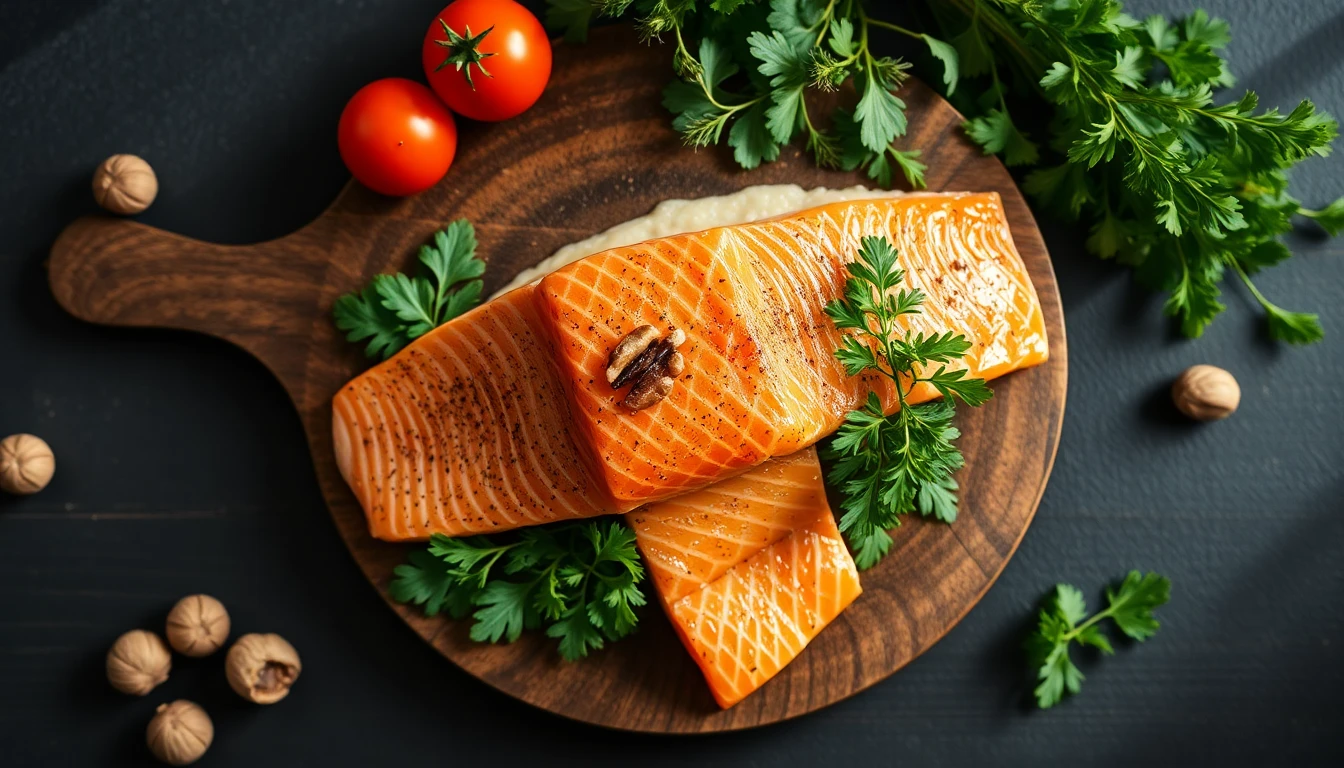
- Oily fish — salmon, mackerel and sardines are excellent sources (limit to 2 portions weekly and avoid high-mercury fish)
- Chia seeds and flaxseeds — provide plant-based omega-3s, though less efficiently converted than fish sources
- Walnuts — contain alpha-linolenic acid (ALA), which converts partially to DHA
- Omega-3 enriched eggs — from hens fed omega-3-rich diets, providing DHA without fish
- Algae oil supplements — a vegetarian DHA source if you avoid fish
Managing Late Pregnancy Discomfort
Digestive issues often intensify in the third trimester. Strategic food choices can help manage these common complaints whilst maintaining good nutrition.
- High-fibre foods — wholegrain bread, oats, vegetables and fruit prevent constipation (aim for 25-30g fibre daily)
- Plenty of fluids — at least 8-10 glasses of water daily support increased blood volume and prevent constipation
- Smaller, frequent meals — easier to digest and may reduce heartburn
- Avoid trigger foods — spicy, fatty and acidic foods often worsen heartburn in late pregnancy
- Stay upright after eating — wait 2-3 hours before lying down to reduce acid reflux
Foods to Avoid Throughout Pregnancy
Whilst most foods are safe during pregnancy, certain items carry risks of foodborne illness or contain substances that could harm your developing baby. These restrictions apply throughout all trimesters.
The main concerns are listeria (which can cause miscarriage or stillbirth), toxoplasmosis (from undercooked meat), salmonella (from raw eggs), and excessive vitamin A or mercury. Understanding which foods to avoid—and safe alternatives—helps you make confident choices.
- Unpasteurised dairy — avoid soft cheeses like brie, camembert and blue cheese unless cooked until steaming hot; stick to hard cheeses and pasteurised soft cheese
- Raw or undercooked eggs — avoid runny yolks, homemade mayonnaise and raw cake batter; ensure eggs are cooked until both white and yolk are solid
- Undercooked meat and poultry — all meat should be cooked thoroughly with no pink meat or bloody juices
- Pâté — all types (meat, fish or vegetable) may contain listeria; avoid entirely
- Raw fish and shellfish — avoid sushi with raw fish, oysters and sashimi; cooked fish is safe and beneficial
- High-mercury fish — avoid shark, swordfish and marlin; limit tuna to 4 medium cans or 2 fresh steaks weekly
- Unwashed produce — thoroughly wash all fruits and vegetables to remove potential toxoplasmosis contamination
- Alcohol — no safe level has been established; complete avoidance is recommended by UK Chief Medical Officers
- Excessive caffeine — limit to 200mg daily (approximately 2 mugs of instant coffee or 2 cups of tea)
- Liver and liver products — very high in vitamin A, which can harm your baby's development
- Raw sprouts — may contain harmful bacteria; cook sprouts thoroughly or avoid
Supplements During Pregnancy: What You Actually Need
Standard pregnancy multivitamins are not essential if you're eating a balanced diet and taking folic acid plus vitamin D. However, they provide peace of mind for some women. If choosing a multivitamin, ensure it's specifically formulated for pregnancy and doesn't contain vitamin A as retinol.
- Folic acid — essential in the first trimester; higher doses (5mg) are recommended if you have diabetes, a higher BMI, or a family history of neural tube defects
- Vitamin D — supports bone health for both mother and baby; particularly important if you have darker skin, cover skin for cultural reasons, or spend little time outdoors
- Iron — only if blood tests show deficiency; taking iron unnecessarily can cause side effects
- Avoid vitamin A supplements — including fish liver oil and multivitamins containing vitamin A (retinol), as excessive amounts can harm your baby
How FreshPlate Can Help You Keep Track During Pregnancy
Keeping an eye on what you eat across three trimesters, whilst avoiding foods you've been advised to steer clear of and managing cravings or aversions, can feel like a lot. FreshPlate gives you a few simple ways to see what you're eating and why, so you have less to hold in your head.
You can log meals by photo, barcode or search, and if a pack isn't in any database, the app reads it from its own label on your phone: the nutrition table fills in the numbers, and the ingredients are checked against the allergens and food rules you've set. It never calls a pack safe, so for anything pregnancy-specific, such as unpasteurised cheese, raw eggs or high-mercury fish, keep going by what the NHS and your midwife tell you. If you make something yourself, Cook on the Meals tab measures it from your ingredient lines, keeps it in your kitchen and lets you log a portion in one tap from then on.
The Progress tab shows how your day is going, why, and what to do next, with a 'How we worked this out' tap behind every number, naming the guidance it comes from (NHS, WHO, UK RNI). If you take any medicines, you can also type one into the free food–medication interaction checker on our website to see the foods to watch, in seconds: /website/tools/food-medication-checker/. And every recipe has a For you tab showing what was checked against your allergens, diet and food rules, why it suits your goal and conditions, and whether it fits what is left of your day. That's a little less time second-guessing, and a little more time enjoying your meals.
Frequently asked questions
How many extra calories do I need during pregnancy?
+
You don't need extra calories in the first trimester. Add approximately 340 calories daily in the second trimester and 450 in the third trimester. This is less than many people think—focus on nutrient quality rather than simply eating more.
Can I eat eggs during pregnancy?
+
Yes, eggs are excellent during pregnancy, providing protein, choline and other nutrients. Ensure they're cooked until both the white and yolk are completely solid. Avoid raw or runny eggs in homemade mayonnaise, mousse or partially cooked dishes.
Which fish are safe to eat during pregnancy?
+
Most fish are safe and beneficial during pregnancy. Choose salmon, mackerel, sardines, trout and cod. Limit tuna to 4 medium cans or 2 fresh steaks weekly. Avoid high-mercury fish (shark, swordfish, marlin) and raw fish entirely.
Why is folate so important in early pregnancy?
+
Folate (folic acid) prevents neural tube defects affecting the brain and spine. These develop within the first 28 days of pregnancy—often before you know you're expecting—which is why 400 micrograms daily is recommended from before conception through the first trimester.
Can I drink coffee whilst pregnant?
+
Yes, but limit caffeine to 200mg daily (roughly 2 mugs of instant coffee or 2 cups of tea). Remember that caffeine is also found in chocolate, cola and energy drinks. Excessive caffeine has been linked to low birth weight and miscarriage.
Sources
Did this answer your question?
Reece reads every reply. Questions we have not covered become new guides.
Make pregnancy one less thing to worry about.
Get our free pregnancy guide by email — the best food sources, what helps and hinders absorption, and a week of meal ideas. One genuinely useful email a week — no spam, unsubscribe anytime.
Free forever. You'll also be first in line for the FreshPlate app — with a free trial at launch.