Psoriasis Diet: Anti-Inflammatory Foods That Help
Evidence-based guidance on how an anti-inflammatory psoriasis diet with omega-3s, whole foods, and targeted nutrients can help manage symptoms and flare-ups.

By Reece Douglas · Founder, FreshPlate
Listen to this article
Psoriasis Diet: Anti-Inflammatory Foods That Help
Psoriasis is a chronic autoimmune condition that causes skin cells to build up rapidly, forming scales and inflamed patches that can be itchy and painful. Whilst medications remain the cornerstone of treatment, growing evidence suggests that what you eat can influence inflammation levels and potentially affect how often and how severely you experience flare-ups.
A psoriasis diet isn't about miracle cures or restrictive eating plans. Instead, it's about building an anti-inflammatory eating pattern that supports your immune system, maintains a healthy weight, and may reduce the inflammatory processes that drive psoriasis symptoms. Here's what the research actually tells us about nutrition and psoriasis management.
Why Diet Matters in Psoriasis Management
Psoriasis is fundamentally an inflammatory condition. Your immune system mistakenly attacks healthy skin cells, triggering inflammation and the rapid skin cell turnover that creates those characteristic plaques. Because many foods either promote or reduce inflammation in the body, your dietary choices can influence the inflammatory environment that affects your symptoms.
Research has consistently shown that people with psoriasis have higher rates of metabolic syndrome, cardiovascular disease, and type 2 diabetes. Obesity in particular is both a risk factor for developing psoriasis and a predictor of more severe symptoms. Losing even modest amounts of weight has been shown to improve psoriasis severity scores in people who are overweight.
Beyond weight management, certain nutrients and dietary patterns appear to directly influence immune function and inflammatory markers. Whilst diet alone won't replace medical treatment, it can be a valuable complementary approach that some people find helps reduce flare frequency and severity.
Anti-Inflammatory Foods for a Psoriasis Diet
An anti-inflammatory eating pattern focuses on whole, minimally processed foods rich in nutrients that help regulate immune function and reduce inflammatory processes. This isn't about eliminating entire food groups unless you have a specific intolerance, but rather emphasising foods that actively support your health.
Omega-3 Rich Foods
Omega-3 fatty acids, particularly EPA and DHA found in fatty fish, have well-documented anti-inflammatory properties. Several studies have found that people with psoriasis who consume more omega-3s tend to have less severe symptoms.
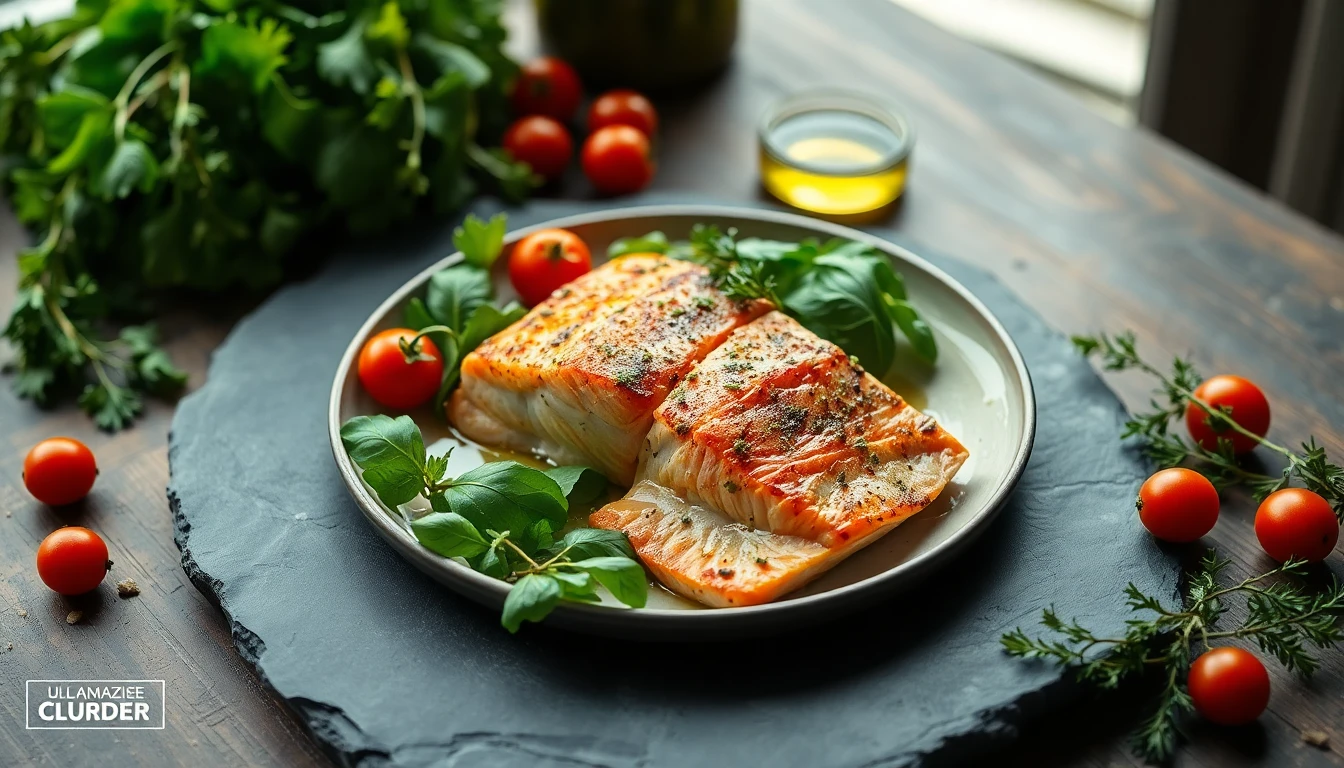
- Oily fish — salmon, mackerel, sardines, herring, and anchovies provide the most bioavailable forms of omega-3s. Aim for at least two portions weekly
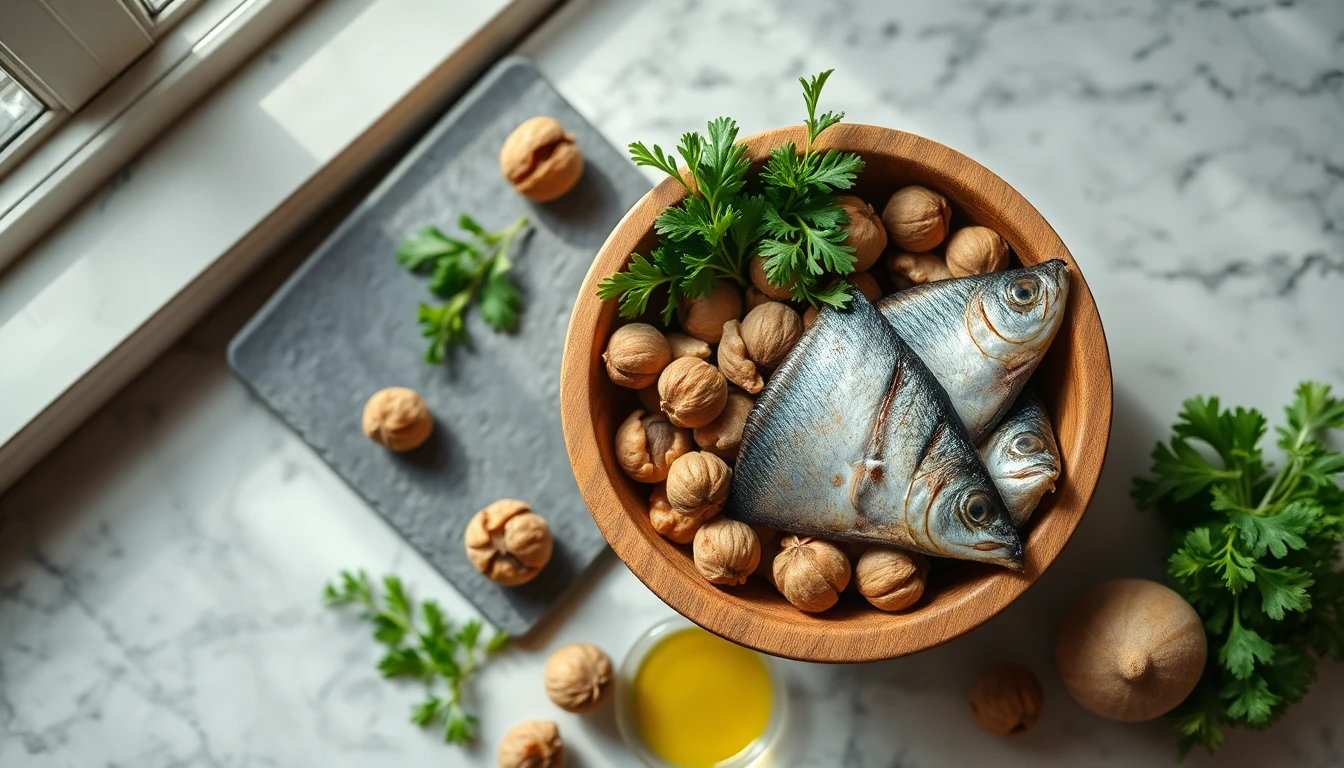
- Walnuts and flaxseeds — plant sources of ALA omega-3s, which your body converts (albeit less efficiently) to EPA and DHA
- Chia seeds and hemp seeds — additional plant-based omega-3 sources that also provide fibre and minerals
- Omega-3 supplements — fish oil or algae-based supplements may be helpful if you don't regularly eat oily fish, though whole food sources are preferable
Colourful Vegetables and Fruits
Plant foods are rich in antioxidants and polyphenols that help neutralise oxidative stress and reduce inflammation. The more colour variety on your plate, the broader the range of protective compounds you're consuming.
- Dark leafy greens — spinach, kale, Swiss chard, and rocket provide vitamin K, folate, and anti-inflammatory compounds
- Berries — blueberries, strawberries, and blackberries are particularly high in anthocyanins, powerful antioxidants
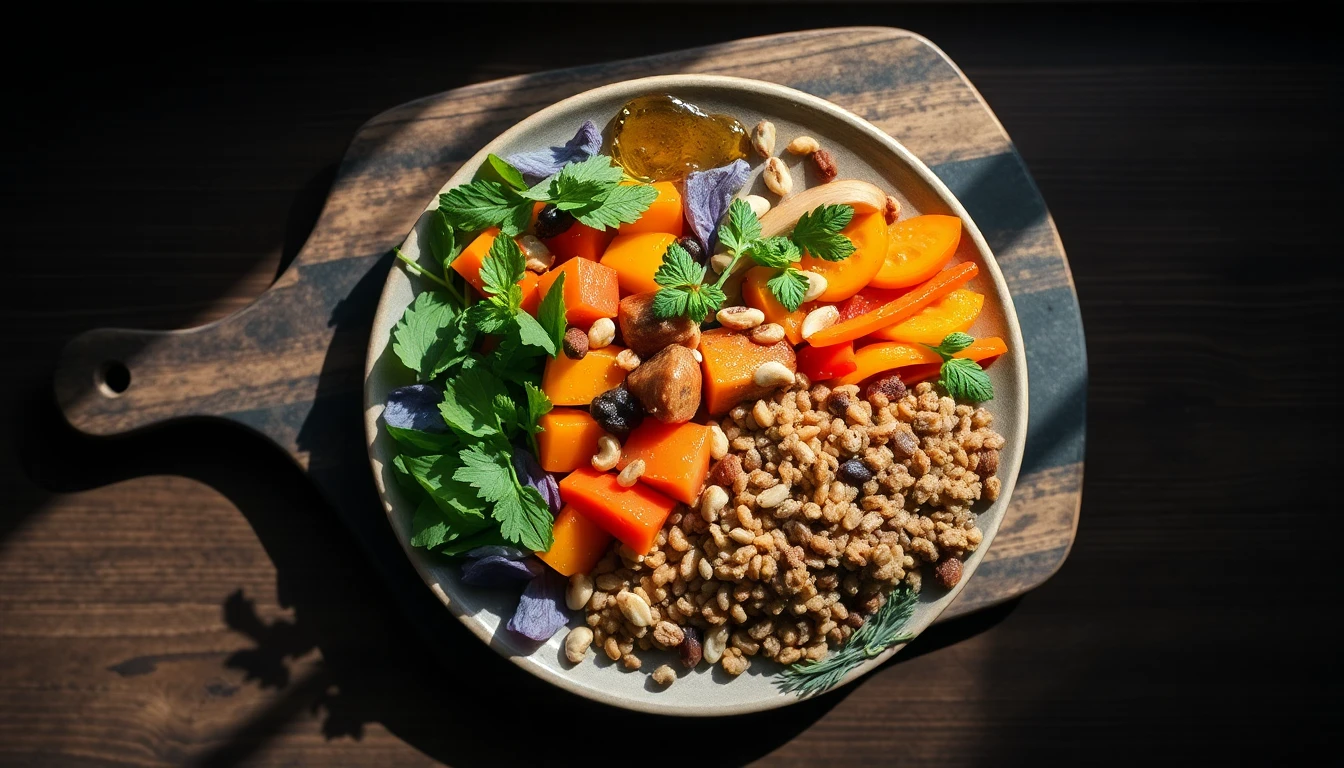
- Orange and red vegetables — carrots, sweet potatoes, peppers, and tomatoes deliver carotenoids that support skin health
- Cruciferous vegetables — broccoli, cauliflower, Brussels sprouts, and cabbage contain sulforaphane, which may help regulate immune function
Healthy Fats and Oils
Not all fats are created equal when it comes to inflammation. Emphasising monounsaturated and omega-3 polyunsaturated fats whilst limiting saturated and trans fats appears beneficial.
- Extra virgin olive oil — rich in oleic acid and polyphenols with anti-inflammatory properties
- Avocados — provide monounsaturated fats, vitamin E, and fibre
- Nuts and seeds — almonds, walnuts, pumpkin seeds, and sunflower seeds offer healthy fats plus minerals like zinc and selenium
Foods and Substances to Limit
Whilst adding anti-inflammatory foods is important, reducing pro-inflammatory dietary factors matters equally. Several dietary components have been associated with increased inflammation or worsened psoriasis symptoms in research studies.
Alcohol
The relationship between alcohol and psoriasis is well-established. Multiple studies have found that alcohol consumption is associated with increased psoriasis risk, more severe symptoms, and reduced treatment effectiveness. Alcohol may trigger flare-ups, interfere with certain psoriasis medications, and increase inflammation throughout the body.
If you have psoriasis, limiting alcohol intake or avoiding it entirely is one of the most evidence-based dietary changes you can make. Even moderate drinking has been associated with worse outcomes, and heavy drinking significantly increases risk.
Processed Foods and Added Sugars
Ultra-processed foods, refined carbohydrates, and added sugars promote inflammation and contribute to weight gain, insulin resistance, and metabolic dysfunction—all factors that can worsen psoriasis.
- Sugary drinks — soft drinks, fruit juices, and sweetened beverages cause rapid blood sugar spikes and promote inflammation
- Refined grains — white bread, pastries, and many breakfast cereals lack fibre and nutrients whilst raising blood sugar
- Processed snacks — crisps, biscuits, and packaged cakes often contain inflammatory seed oils and trans fats
- Processed meats — bacon, sausages, and deli meats contain compounds that may increase inflammation
Red Meat and Dairy
The evidence here is less conclusive, but some people with psoriasis report improvements when reducing red meat and dairy products. Red meat contains arachidonic acid, a fatty acid that can be converted into inflammatory compounds. Full-fat dairy may have similar effects for some individuals.
Rather than eliminating these foods entirely, consider moderating portions and noting whether you personally notice any connection between consumption and symptoms. Everyone's triggers are individual.
The Gluten Question: Should You Try Elimination?
The relationship between gluten and psoriasis is complex and individual. Whilst psoriasis itself is not a gluten-related disorder, research suggests a potential connection in some cases.
Studies have found that people with psoriasis have higher rates of coeliac disease antibodies compared to the general population, even when they don't have diagnosed coeliac disease. Some small studies have shown that people with these antibodies who follow a gluten-free diet may experience improvements in psoriasis symptoms.
However, this doesn't mean everyone with psoriasis should avoid gluten. A gluten-free diet is restrictive, can be nutritionally inadequate if not well-planned, and isn't necessary for most people with psoriasis.
- Consider testing first — if you're curious about gluten, ask your GP about coeliac screening (tissue transglutaminase antibodies) before making dietary changes
- Try a structured elimination — if testing is negative but you still suspect sensitivity, try eliminating gluten completely for 12 weeks whilst keeping a symptom diary
- Reintroduce carefully — after the elimination period, reintroduce gluten and monitor for any changes in symptoms
- Work with support — a registered dietitian can help ensure your diet remains nutritionally complete during elimination trials
Supplements and Nutrient Considerations
Whilst whole foods should always be your primary source of nutrients, certain supplements may have a supportive role in psoriasis management. However, supplements should complement, not replace, a healthy diet and medical treatment.
Vitamin D
Vitamin D plays a crucial role in immune regulation and skin health. Many people with psoriasis have low vitamin D levels, and some research suggests that supplementation may help reduce symptom severity.
The NHS recommends that everyone in the UK consider taking 10 micrograms (400 IU) of vitamin D daily during autumn and winter. If you have psoriasis, it's worth asking your GP to check your levels, as you may benefit from a higher therapeutic dose if deficient.
Omega-3 Supplements
If you don't regularly eat oily fish, omega-3 supplements may help provide anti-inflammatory benefits. Research on fish oil supplementation for psoriasis shows mixed results, but some studies have found modest improvements in symptoms.
Look for supplements providing at least 1-2 grams of combined EPA and DHA daily. Algae-based supplements are available for vegetarians and vegans. Always inform your doctor before starting, especially if you take blood-thinning medications.
Other Supplements
Various other supplements are sometimes promoted for psoriasis, but evidence is limited. Probiotics, selenium, and vitamin B12 have been studied with inconsistent results. Whilst these nutrients are important for overall health, taking them as supplements specifically for psoriasis isn't strongly supported by current research unless you have a documented deficiency.
Building Your Personalised Psoriasis Diet Plan
Creating a sustainable eating pattern that supports psoriasis management doesn't mean following rigid rules or eliminating foods unnecessarily. It's about gradually shifting towards more anti-inflammatory choices whilst identifying any personal triggers.
Start by adding in beneficial foods—more oily fish, colourful vegetables, and healthy fats—rather than focusing primarily on restrictions. This positive approach is more sustainable long-term. Then consider moderating or reducing pro-inflammatory factors like alcohol, added sugars, and processed foods.
Keep a food and symptom diary for several weeks to identify patterns. You might notice that certain foods precede flare-ups, or that particular dietary changes correlate with calmer periods. This personalised information is valuable for tailoring your approach.
If you're considering major dietary changes like gluten elimination, work with a registered dietitian who can ensure you're meeting all nutritional needs whilst testing whether the change helps your symptoms. They can also help you lose weight safely if that's a goal, as weight loss often improves psoriasis severity.
FreshPlate takes the complexity out of building a psoriasis-friendly diet. Our app automatically generates recipes and meal plans that emphasise anti-inflammatory ingredients, balance omega-3 and omega-6 ratios, and can accommodate elimination trials like gluten-free eating. We factor in any medications you're taking to avoid interactions, calculate nutrient intake to help identify potential deficiencies, and adapt to your personal preferences and cooking abilities. Rather than spending hours researching which foods to choose, you get personalised guidance that fits your specific situation—making it easier to maintain dietary changes that may help manage your symptoms long-term.
Frequently asked questions
What foods trigger psoriasis flare-ups?
+
Triggers vary individually, but common dietary factors include alcohol, processed foods high in sugar and refined carbohydrates, and for some people, red meat, dairy, or gluten. Keeping a food diary can help identify your personal triggers.
Can diet cure psoriasis?
+
No, diet cannot cure psoriasis as it's a chronic autoimmune condition. However, anti-inflammatory eating patterns may help reduce symptom severity, decrease flare frequency, and improve treatment effectiveness when combined with medical management.
Should everyone with psoriasis avoid gluten?
+
No, gluten avoidance isn't necessary for everyone with psoriasis. Only those with coeliac disease or confirmed gluten sensitivity should eliminate gluten. If you suspect a connection, discuss coeliac testing with your GP before making dietary changes.
How much fish oil should I take for psoriasis?
+
If supplementing, aim for 1-2 grams of combined EPA and DHA daily, though whole food sources like oily fish twice weekly are preferable. Always consult your doctor before starting supplements, especially if taking blood-thinning medications.
Does losing weight help psoriasis?
+
Yes, research consistently shows that weight loss improves psoriasis severity in people who are overweight or obese. Even modest weight loss of 5-10% of body weight can lead to noticeable improvements in symptoms and treatment response.
Sources
Did this answer your question?
Reece reads every reply. Questions we have not covered become new guides.
The right foods make living with psoriasis easier.
Get our free psoriasis food guide by email — what to eat more of, what to limit, and simple meals that support you day to day. One genuinely useful email a week — no spam, unsubscribe anytime.
Free forever. You'll also be first in line for the FreshPlate app — with a free trial at launch.