Ramipril and Food: When to Take It & What to Avoid
Learn when to take ramipril, which foods to watch with this ACE inhibitor, and how to manage potassium intake safely while controlling blood pressure.

By Reece Douglas · Founder, FreshPlate
Listen to this article
Ramipril and Food: When to Take It & What to Avoid
Ramipril is one of the most commonly prescribed medications for high blood pressure and heart failure. As an ACE inhibitor, it works by relaxing blood vessels, making it easier for your heart to pump blood around your body. If you've recently started taking ramipril, you've probably wondered about the best time to take it and whether certain foods might interfere with how it works.
Unlike some medications that come with lengthy lists of food restrictions, ramipril is relatively straightforward. However, there are important dietary considerations—particularly around potassium—that can significantly affect both the medication's effectiveness and your safety. Understanding these interactions will help you get the most benefit from your treatment whilst avoiding potential complications.
When to Take Ramipril: Timing and Food
One of the simplest aspects of taking ramipril is that food doesn't significantly affect its absorption. You can take your dose with food, without food, or somewhere in between—what matters most is consistency and timing.
Most people take ramipril once daily, though some may be prescribed a twice-daily regimen. The most important rule is to take it at the same time each day to maintain steady levels in your bloodstream. Many patients find that taking it with breakfast or another regular meal helps them remember, but this is about routine rather than necessity.
- Morning dosing — Often recommended because blood pressure naturally rises in the morning, and ramipril takes several hours to reach peak effectiveness
- With or without food — Either approach works; choose whichever helps you remember and stick with it
- Consistency matters — Taking it at the same time daily maintains stable blood levels and better blood pressure control
- Missed dose — Take it as soon as you remember unless it's nearly time for your next dose; never double up
How Long Before Ramipril Starts Working
Whilst you might start to see some blood pressure reduction within a few hours of your first dose, ramipril's full effect typically takes 3-6 weeks to develop. This is why your doctor will usually review your blood pressure after a month or so before adjusting your dose. During this time, continue taking the medication exactly as prescribed, even if you feel well or don't notice immediate changes.
Ramipril and Potassium: The Key Food Concern
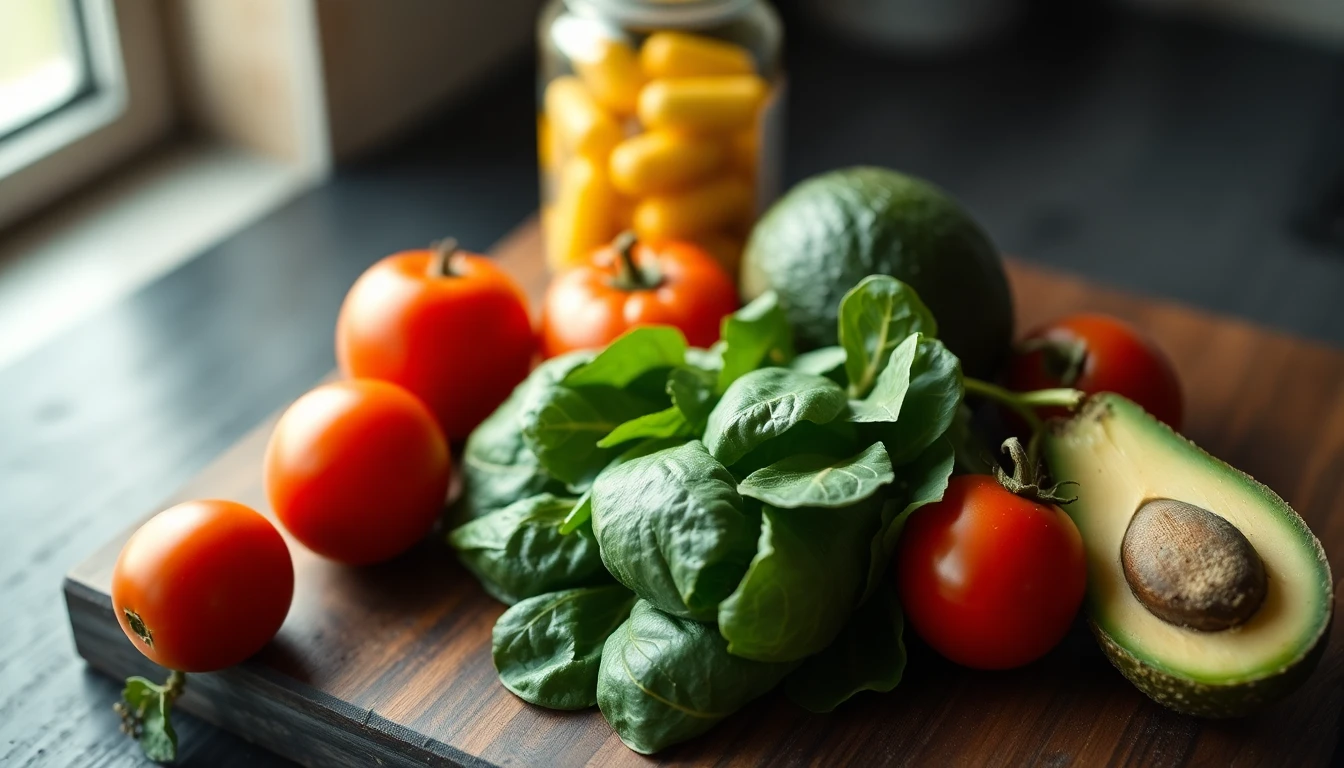
The most important dietary consideration when taking ramipril relates to potassium. ACE inhibitors like ramipril can cause your body to retain potassium, potentially leading to hyperkalaemia—a condition where blood potassium levels become dangerously high. This can affect heart rhythm and muscle function.
This doesn't mean you need to avoid potassium-rich foods entirely. In fact, a balanced diet that includes moderate amounts of potassium is important for heart health. The issue arises when potassium intake becomes excessive, particularly from supplements or salt substitutes, or when combined with other factors that raise potassium levels.
High-Potassium Foods to Monitor
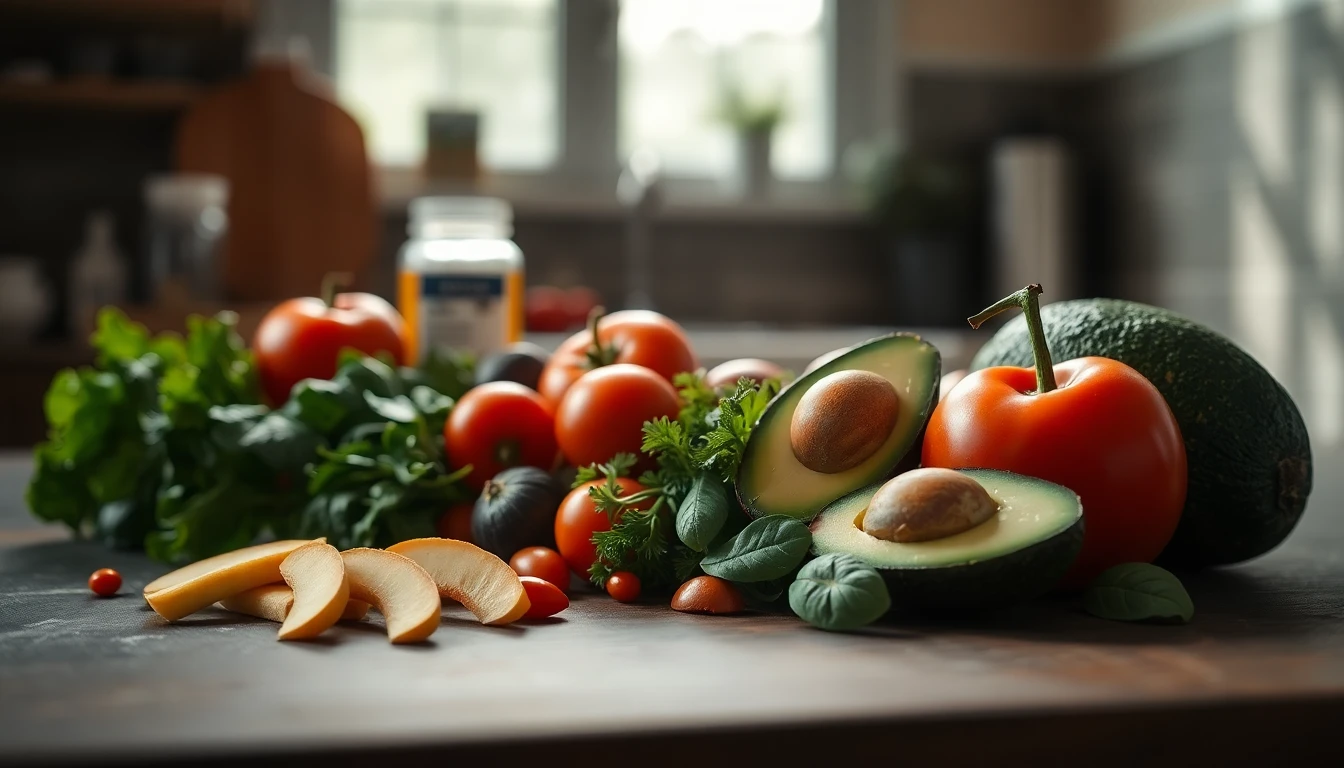
You don't need to eliminate these foods, but be mindful of portion sizes and avoid eating large amounts regularly:
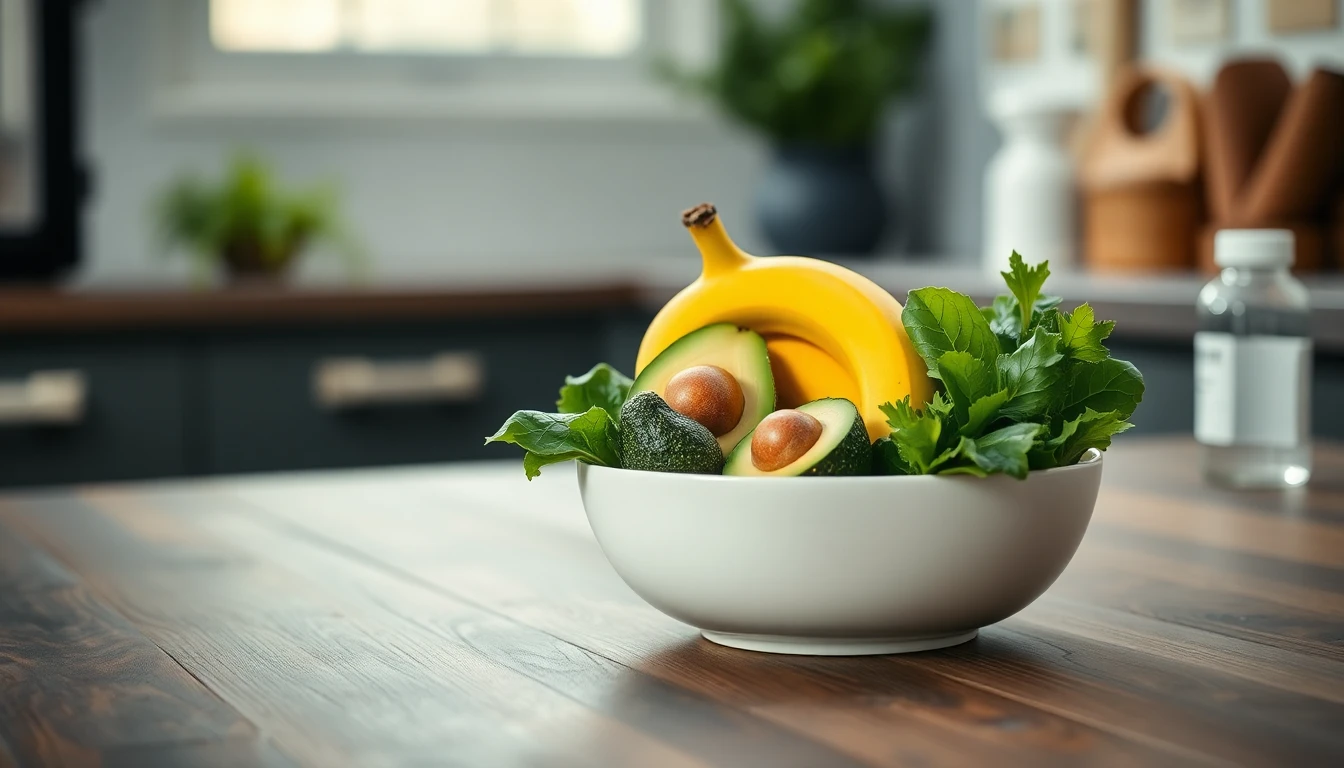
- Bananas — One medium banana contains about 422mg of potassium
- Avocados — Half an avocado provides roughly 487mg
- Spinach and leafy greens — Cooked spinach is particularly concentrated
- Potatoes and sweet potatoes — Especially with the skin on
- Tomatoes and tomato products — Passata, tinned tomatoes, and tomato juice are concentrated sources
- Beans and pulses — Kidney beans, chickpeas, and lentils
- Dried fruits — Apricots, raisins, and dates
- Nuts and seeds — Particularly almonds and sunflower seeds
What to Definitely Avoid
Certain potassium sources pose a more significant risk and should be avoided or used only under medical supervision:
- Salt substitutes — Products like Lo-Salt contain potassium chloride instead of sodium and can rapidly raise potassium levels
- Potassium supplements — Never take these unless specifically prescribed by your doctor
- Herbal supplements — Some contain high potassium levels or interact with ACE inhibitors; always check with your pharmacist
- Excessive fruit juice — Orange juice and other fruit juices can be surprisingly high in potassium when consumed in large volumes
Monitoring Your Potassium Levels
Your GP will typically check your potassium levels through blood tests before starting ramipril and periodically afterwards, especially if your dose is increased or if you have kidney problems. Symptoms of high potassium can include muscle weakness, tingling sensations, or an irregular heartbeat—report these to your doctor immediately.
Ramipril and Alcohol: What You Need to Know
Alcohol doesn't directly interact with ramipril in the way that, say, grapefruit interacts with certain statins. However, drinking alcohol whilst taking ramipril can enhance the blood-pressure-lowering effect of the medication, potentially causing dizziness, light-headedness, or fainting—particularly when you first start treatment or after a dose increase.
Alcohol also causes blood vessels to dilate, which adds to ramipril's vessel-relaxing effect. This combined action can lead to a significant drop in blood pressure, especially when standing up quickly. The risk is highest during the first few days of treatment or after drinking more than usual.
If you do choose to drink, moderation is key. The NHS recommends not regularly exceeding 14 units of alcohol per week, spread over at least three days. When taking ramipril, it's particularly important to stay within these guidelines and to be aware of how alcohol affects you individually.
- Start slowly — If you're newly on ramipril, wait a week or two before drinking to understand how the medication affects you
- Stay hydrated — Drink water alongside alcoholic beverages to prevent dehydration, which can worsen blood pressure drops
- Avoid binge drinking — Large amounts in one session significantly increase the risk of dangerous blood pressure drops
- Sit to stand carefully — Rise slowly from sitting or lying positions to minimise dizziness
- Know your limits — Everyone responds differently; pay attention to how you feel and adjust accordingly
Other Dietary Considerations with Ramipril
Beyond potassium and alcohol, there are a few other dietary factors worth considering when taking ramipril for optimal blood pressure management and overall health.
Sodium and Salt Intake
Whilst ramipril helps lower blood pressure, reducing your salt intake enhances its effectiveness. The combination of medication and a lower-sodium diet provides better blood pressure control than medication alone. Aim for no more than 6g of salt (about one teaspoon) per day—this includes salt already in foods, not just what you add at the table.
- Read labels — Check for sodium content in packaged and processed foods
- Cook from scratch — This gives you control over salt content
- Flavour alternatives — Use herbs, spices, lemon juice, and garlic instead of salt
- Watch hidden sources — Bread, breakfast cereals, and ready meals often contain significant sodium
Grapefruit and Ramipril
Unlike some calcium channel blockers and statins, ramipril does not interact with grapefruit or grapefruit juice. You can safely enjoy grapefruit whilst taking this medication. This is one advantage of ACE inhibitors over some other cardiovascular medications.
Dietary Patterns for Heart Health
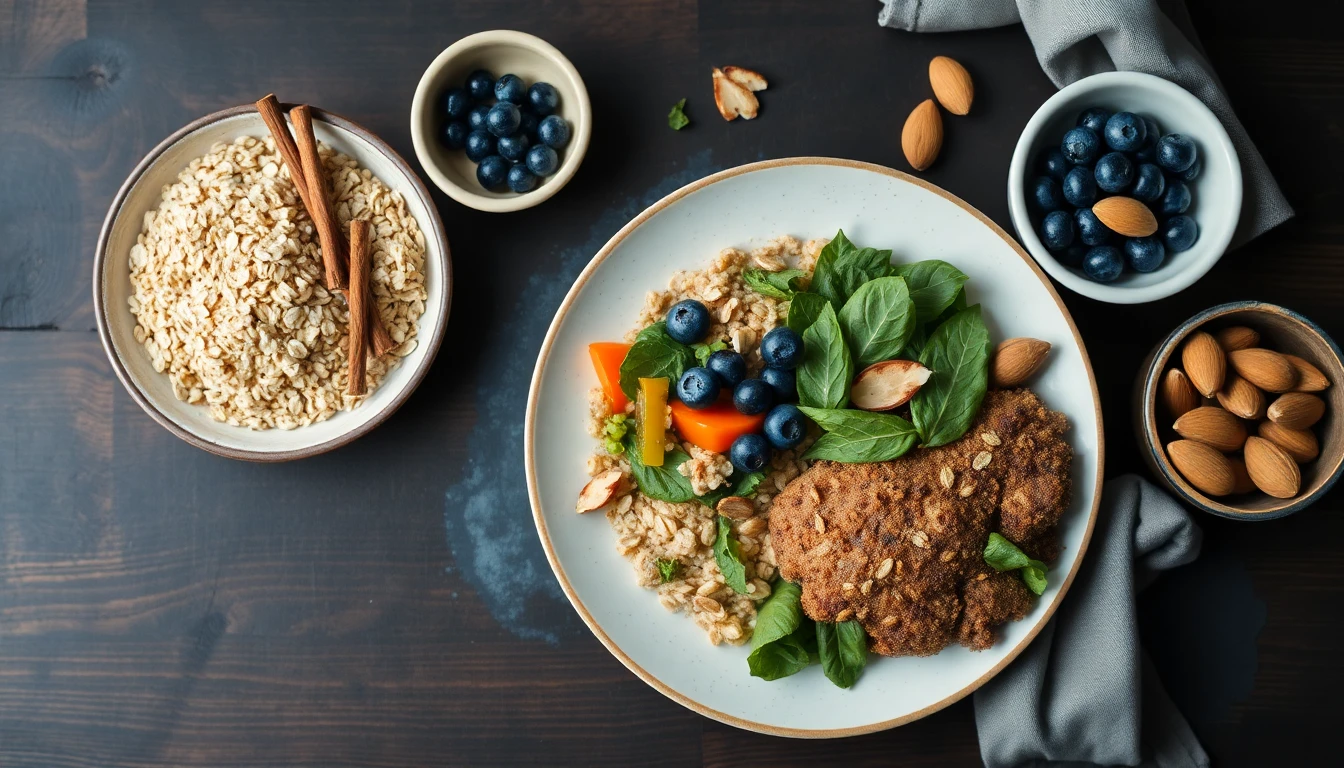
Ramipril works best as part of an overall heart-healthy lifestyle. Research shows that dietary patterns like the Mediterranean diet—rich in vegetables, fruits, whole grains, fish, and healthy fats—complement blood pressure medications and improve cardiovascular outcomes. Focus on whole foods, plenty of vegetables, lean proteins, and healthy fats whilst moderating potassium-rich foods rather than eliminating them.
Side Effects That May Relate to Food and Nutrition
Some ramipril side effects can influence your eating habits or nutritional status. Being aware of these helps you manage them effectively and know when to speak with your healthcare provider.
- Dry cough — A common side effect affecting up to 10% of users; staying hydrated and using sugar-free lozenges may help
- Taste changes — Some people notice a metallic taste or reduced taste sensation; this usually improves with time
- Nausea — Taking ramipril with food can help if you experience stomach upset
- Dizziness — Particularly when standing; ensure adequate hydration and avoid skipping meals, which can worsen low blood pressure
- Kidney function changes — Your doctor monitors this through blood tests; adequate hydration supports kidney health
When to Contact Your Doctor
Seek medical advice if you experience swelling of your face, lips, or tongue (angioedema—a rare but serious allergic reaction), severe dizziness or fainting, unusual muscle weakness, or persistent nausea or vomiting. These could indicate complications that need immediate attention.
How FreshPlate Supports Ramipril Users
Managing dietary considerations whilst taking ramipril doesn't have to be complicated or restrictive. FreshPlate is designed to take the guesswork out of eating well with your medications. When you tell us you're taking ramipril or other ACE inhibitors, our system automatically adjusts your meal plans and recipes to support your treatment.
We monitor the potassium content across your daily meals to keep you within safe ranges whilst still including nutrient-rich foods that support heart health. Our recipes are designed to be naturally lower in sodium, helping you maximise the benefits of your blood pressure medication without sacrificing flavour or variety.
FreshPlate also flags potential interactions with any supplements you're considering and provides personalised guidance on alcohol consumption based on your complete medication profile. Instead of spending hours researching food interactions or worrying whether your meals are supporting your treatment, you can focus on enjoying delicious, varied food that works with your medication rather than against it. Our approach means you get the nutritional support you need without the complexity—just simple, safe eating that fits your life and your health goals.
Frequently asked questions
Can I take ramipril on an empty stomach?
+
Yes, ramipril can be taken with or without food as absorption is not significantly affected by meals. Choose whichever approach helps you remember to take it consistently at the same time each day.
Should I avoid bananas while taking ramipril?
+
You don't need to avoid bananas entirely, but moderate your intake as they're high in potassium. Eating one banana occasionally is generally fine, but avoid eating several daily or combining multiple high-potassium foods in one meal without medical guidance.
Can I drink coffee while taking ramipril?
+
Yes, coffee is safe to drink with ramipril. There is no known interaction between caffeine and this medication. However, if you're monitoring your blood pressure, be aware that caffeine can cause temporary blood pressure increases in some people.
Why can't I use salt substitutes with ramipril?
+
Most salt substitutes contain potassium chloride instead of sodium chloride. Since ramipril can cause your body to retain potassium, adding a potassium-based salt substitute can raise your blood potassium to dangerous levels.
How much alcohol is safe with ramipril?
+
Moderate alcohol consumption following NHS guidelines (up to 14 units weekly, spread over several days) is generally acceptable, but alcohol can enhance ramipril's blood-pressure-lowering effect. Start cautiously when first taking ramipril and avoid binge drinking.
Sources
Did this answer your question?
Reece reads every reply. Questions we have not covered become new guides.
Eating around ramipril shouldn’t be guesswork.
Get our free ramipril food guide by email — the foods to watch, safe swaps, and meal ideas that work with your medication. One genuinely useful email a week — no spam, unsubscribe anytime.
Free forever. You'll also be first in line for the FreshPlate app — with a free trial at launch.