Rheumatoid Arthritis Diet: Foods That Help & Harm
Science-backed guidance on foods that reduce inflammation in rheumatoid arthritis, what to limit, and practical meal ideas to support joint health.

By Reece Douglas · Founder, FreshPlate
Listen to this article
Rheumatoid Arthritis Diet: Foods That Help & Harm
Rheumatoid arthritis (RA) is an autoimmune condition that causes inflammation in the joints, leading to pain, swelling, and stiffness. Whilst medication remains the cornerstone of treatment, research increasingly shows that what you eat can significantly influence inflammation levels and symptom severity. A thoughtfully planned rheumatoid arthritis diet won't cure the condition, but it can work alongside your prescribed treatments to help you feel better day-to-day.
The foods you choose matter because certain nutrients either fuel or dampen the inflammatory processes in your body. Some components in our diet trigger immune responses and worsen joint inflammation, whilst others contain compounds that actively reduce it. Understanding which foods fall into which category—and how to build satisfying meals around the helpful ones—can give you a practical tool for managing your RA symptoms and improving your overall quality of life.
How Diet Affects Rheumatoid Arthritis Inflammation
Rheumatoid arthritis occurs when your immune system mistakenly attacks the lining of your joints. This creates chronic inflammation that, over time, can damage cartilage and bone. The inflammatory process involves chemical messengers called cytokines, and research has shown that certain dietary components can either increase or decrease the production of these inflammatory markers.
The foods we eat influence inflammation through several pathways. Omega-3 fatty acids, for instance, are converted into anti-inflammatory compounds called resolvins and protectins. Antioxidants from colourful fruits and vegetables neutralise free radicals that contribute to tissue damage. Conversely, saturated fats and refined carbohydrates can trigger inflammatory pathways and worsen symptoms.
Studies have consistently shown that people with RA who follow anti-inflammatory eating patterns report less morning stiffness, reduced pain levels, and sometimes even fewer swollen joints. Whilst dietary changes shouldn't replace your prescribed medications, they can be a valuable complementary approach that gives you more control over your day-to-day wellbeing.
Foods That Help Reduce Inflammation in RA
Building your rheumatoid arthritis diet around anti-inflammatory foods doesn't mean restrictive eating or bland meals. The Mediterranean diet, consistently ranked among the most beneficial patterns for RA, is full of flavourful, satisfying ingredients that naturally combat inflammation.
Omega-3 Rich Foods
Omega-3 fatty acids are among the most well-researched nutrients for rheumatoid arthritis. These essential fats actively reduce the production of inflammatory chemicals and can help decrease joint tenderness and morning stiffness.
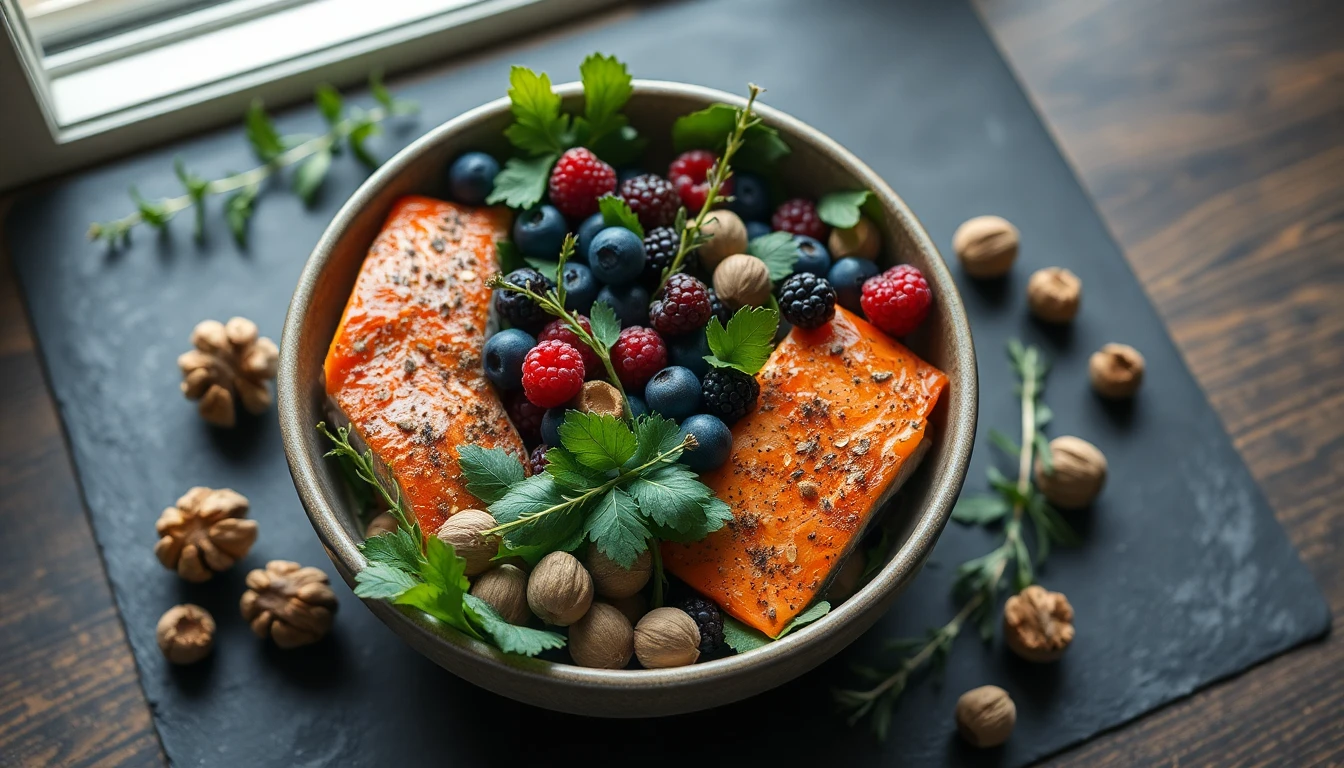
- Fatty fish — salmon, mackerel, sardines, and herring provide EPA and DHA, the most potent forms of omega-3. Aim for two portions weekly
- Walnuts — a plant-based omega-3 source (ALA) that your body partially converts to EPA and DHA
- Ground flaxseed — sprinkle on porridge or yoghurt for a daily omega-3 boost
- Chia seeds — add to smoothies or overnight oats for texture and anti-inflammatory benefits
Colourful Vegetables and Fruits
The pigments that give vegetables and fruits their vibrant colours are often powerful antioxidants that combat oxidative stress and inflammation. The more variety in your produce, the wider the range of protective compounds you'll consume.
- Leafy greens — spinach, kale, and Swiss chard are rich in vitamin K and antioxidants that may reduce inflammatory markers
- Berries — blueberries, strawberries, and cherries contain anthocyanins with proven anti-inflammatory effects
- Cruciferous vegetables — broccoli, cauliflower, and Brussels sprouts contain sulforaphane, a compound that may help regulate immune responses
- Beetroot — contains betalains with antioxidant and anti-inflammatory properties
Other Anti-Inflammatory Staples
- Extra virgin olive oil — rich in oleocanthal, a compound with anti-inflammatory effects similar to ibuprofen
- Nuts — almonds and walnuts provide healthy fats, fibre, and magnesium that support overall inflammation control
- Whole grains — brown rice, quinoa, and oats contain fibre that feeds beneficial gut bacteria linked to reduced inflammation
- Turmeric and ginger — spices containing curcumin and gingerol, compounds with well-documented anti-inflammatory properties
- Green tea — contains polyphenols that may help reduce RA inflammation and slow cartilage destruction
Foods to Limit or Avoid with Rheumatoid Arthritis
Just as important as what you add to your rheumatoid arthritis diet is what you minimise. Certain foods can trigger inflammatory pathways, worsen symptoms, or interfere with how well your body manages the condition.
- Processed meats — sausages, bacon, and deli meats contain saturated fats and advanced glycation end products (AGEs) that promote inflammation
- Refined carbohydrates — white bread, pastries, and sugary snacks cause blood sugar spikes that trigger inflammatory responses
- Fried foods — high in omega-6 fatty acids and trans fats that can worsen inflammation when consumed in excess
- Added sugars — particularly in fizzy drinks and sweets, these increase inflammatory markers and may intensify pain perception
- Excessive alcohol — can interfere with RA medications and may increase inflammation when consumed regularly in large amounts
- High-salt foods — processed meals and salty snacks may contribute to inflammation and don't pair well with some RA medications
A Note on Nightshade Vegetables
You may have heard that nightshade vegetables (tomatoes, peppers, aubergines, and potatoes) worsen arthritis. However, there's no robust scientific evidence supporting this claim for most people with RA. These vegetables actually contain beneficial antioxidants. Unless you've personally noticed symptoms worsening after eating them, there's no need to avoid this nutritious food group.
Practical Meal Ideas for a Rheumatoid Arthritis Diet
Knowing which foods help and which to limit is one thing—building them into enjoyable, realistic meals is another. Here are some practical ideas that incorporate anti-inflammatory ingredients without requiring complicated preparation.
Breakfast Options
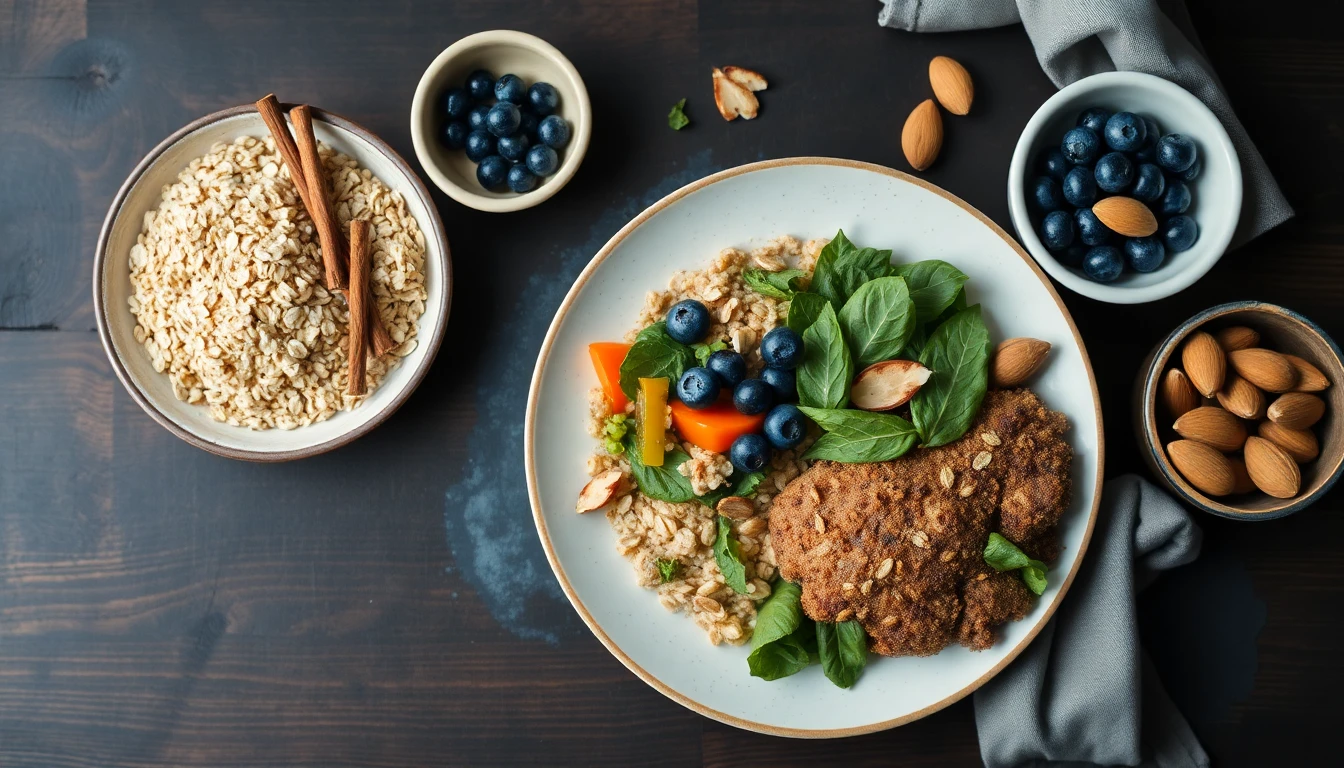
- Porridge bowl — made with oats, topped with walnuts, ground flaxseed, blueberries, and a drizzle of honey
- Greek yoghurt parfait — layered with mixed berries, chia seeds, and a handful of almonds
- Wholegrain toast — with mashed avocado, smoked salmon, and a squeeze of lemon
- Green smoothie — spinach, banana, frozen mango, ground flaxseed, and almond milk
Lunch and Dinner Ideas
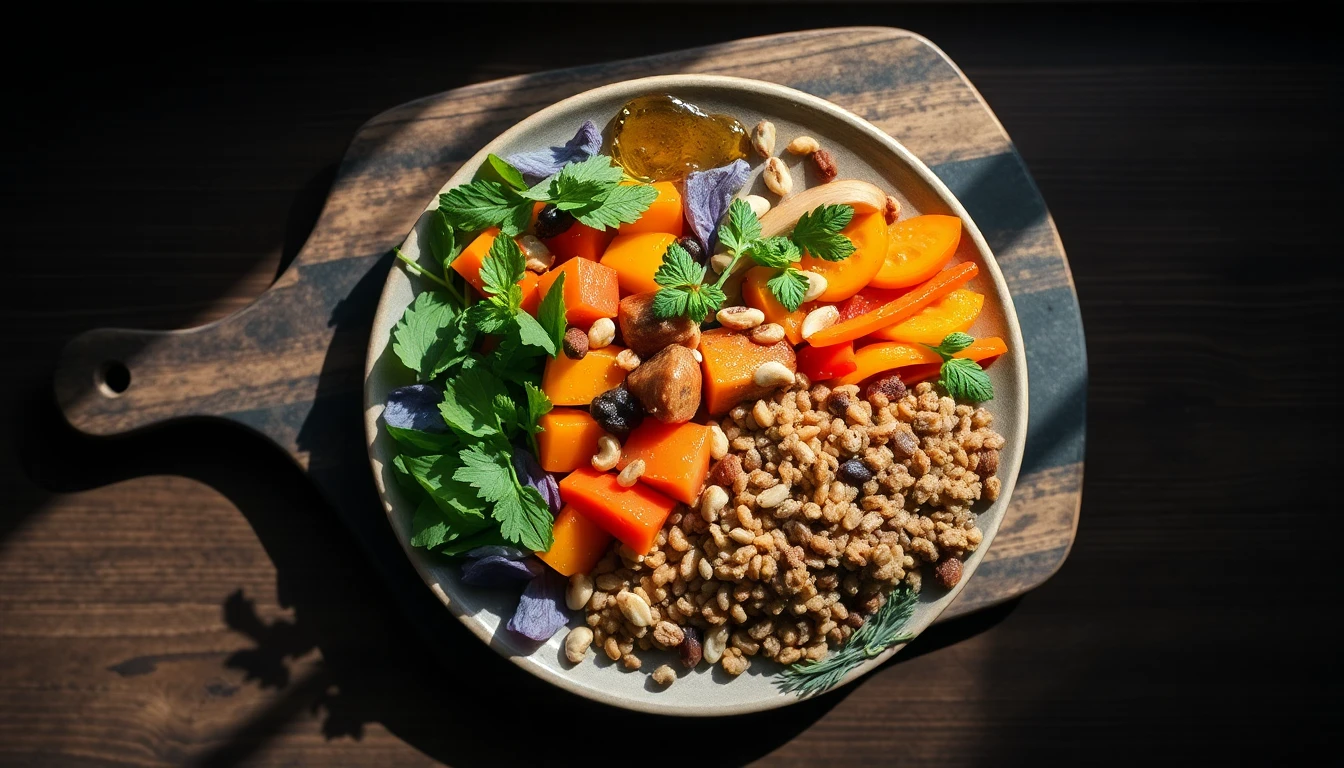
- Mediterranean grain bowl — quinoa or brown rice with grilled salmon, roasted vegetables, chickpeas, and tahini dressing
- Turmeric lentil soup — with carrots, celery, ginger, and a side of wholegrain bread
- Stir-fried vegetables — with tofu or prawns, ginger, garlic, and a small amount of sesame oil over brown rice
- Baked mackerel — with roasted beetroot, sweet potato wedges, and a large mixed salad with olive oil dressing
- Vegetable and bean chilli — rich in fibre and antioxidants, served with a small portion of brown rice
Anti-Inflammatory Snacks
- A small handful of walnuts or almonds
- Carrot and cucumber sticks with hummus
- Fresh berries with a spoonful of Greek yoghurt
- A piece of fruit with a tablespoon of nut butter
- Oatcakes with avocado or tinned sardines
Other Nutritional Considerations for RA Management
Beyond choosing anti-inflammatory foods, there are several other nutritional factors worth considering when you have rheumatoid arthritis.
Maintaining a Healthy Weight
Excess body weight puts additional mechanical stress on already inflamed joints, particularly in the knees, hips, and feet. Additionally, fat tissue produces inflammatory chemicals that can worsen RA symptoms. If you're carrying extra weight, even modest weight loss can significantly reduce pain and improve mobility. Focus on gradual changes rather than restrictive diets, as sustainable habits matter more than rapid results.
Bone Health and Calcium
People with RA have a higher risk of developing osteoporosis, particularly if taking corticosteroids long-term. Ensuring adequate calcium and vitamin D intake is essential. Include calcium-rich foods like dairy products, fortified plant milks, tinned fish with bones (sardines, salmon), and leafy greens. Your GP may recommend a vitamin D supplement, especially during autumn and winter months in the UK.
Gut Health and Probiotics
Emerging research suggests that gut health may influence RA inflammation, as much of your immune system resides in your digestive tract. Including fermented foods like natural yoghurt, kefir, sauerkraut, and kimchi may support beneficial gut bacteria. If you're on antibiotics or other medications that affect gut flora, probiotic-rich foods become even more important.
How FreshPlate Builds Your Personalised RA-Friendly Meal Plan
Managing a rheumatoid arthritis diet alongside medications, food preferences, and daily life can feel overwhelming. That's precisely where FreshPlate makes things easier. Our app automatically builds weekly meal plans and recipes tailored to your specific health conditions, including rheumatoid arthritis.
When you tell FreshPlate about your RA diagnosis, the system prioritises anti-inflammatory ingredients like omega-3-rich fish, colourful vegetables, whole grains, and beneficial spices. It simultaneously limits processed foods, refined sugars, and inflammatory fats—all whilst accounting for any medications you're taking that might have dietary interactions.
You don't need to remember which foods help and which don't, or spend hours researching recipes. FreshPlate does the nutritional heavy lifting, so you can focus on enjoying flavourful meals that support your joint health. Every recipe comes with clear instructions and a shopping list, making it simple to stick with an anti-inflammatory eating pattern even during busy weeks or flare-ups when cooking feels challenging.
Frequently asked questions
What is the best diet for rheumatoid arthritis?
+
The Mediterranean diet is widely considered the best dietary pattern for rheumatoid arthritis. It emphasises omega-3-rich fish, colourful vegetables and fruits, whole grains, nuts, and olive oil—all of which have anti-inflammatory properties that can help reduce RA symptoms when combined with medical treatment.
Can diet cure rheumatoid arthritis?
+
No, diet cannot cure rheumatoid arthritis. However, an anti-inflammatory diet can help reduce symptom severity, decrease inflammation markers, and improve quality of life. Diet should complement, not replace, prescribed medications and medical care.
Are eggs bad for rheumatoid arthritis?
+
Eggs are not inherently bad for rheumatoid arthritis. They provide high-quality protein and nutrients. However, some people with RA report sensitivity to eggs. If you notice worsened symptoms after eating them, discuss this with your healthcare provider, but there's no need to avoid eggs unless you've identified a personal reaction.
Should I take omega-3 supplements for RA?
+
Omega-3 supplements may benefit some people with RA, particularly those who don't regularly eat fatty fish. Studies suggest that doses of 2.6g or more of EPA and DHA daily may reduce inflammation and joint tenderness. Always discuss supplements with your doctor first, as they can interact with certain medications.
How quickly will dietary changes help my RA symptoms?
+
Some people notice improvements in energy and wellbeing within a few weeks of adopting an anti-inflammatory diet, but measurable reductions in joint pain and stiffness typically take 8-12 weeks of consistent dietary changes. Patience and consistency are key, as the benefits build gradually over time.
Sources
Did this answer your question?
Reece reads every reply. Questions we have not covered become new guides.
The right foods make living with rheumatoid arthritis easier.
Get our free rheumatoid arthritis food guide by email — what to eat more of, what to limit, and simple meals that support you day to day. One genuinely useful email a week — no spam, unsubscribe anytime.
Free forever. You'll also be first in line for the FreshPlate app — with a free trial at launch.