Osteoporosis Diet Foods: UK Guide to Bone-Building Nutrition
Discover the best osteoporosis diet foods for stronger bones. Learn which UK foods boost calcium, vitamin D, K2 and magnesium—plus what to avoid.

By Reece Douglas · Founder, FreshPlate
Listen to this article
Osteoporosis Diet Foods: UK Guide to Bone-Building Nutrition
Living with osteoporosis—or working to prevent it—means your diet becomes one of your most powerful tools. Whilst medication plays an important role for many people, the foods you eat daily can genuinely support bone strength, slow mineral loss, and reduce fracture risk. But bone health isn't just about pouring milk on your cereal; it requires a thoughtful balance of several nutrients working in concert.
This guide walks through the essential osteoporosis diet foods available in UK supermarkets and explains how calcium, vitamin D, vitamin K2, and magnesium each contribute to skeletal health. We'll also cover which everyday foods and drinks can actually interfere with calcium absorption—knowledge that's rarely discussed but critically important for anyone managing bone density.
Why Your Osteoporosis Diet Needs More Than Calcium
For decades, calcium dominated the conversation around bone health. Whilst it remains essential—99% of your body's calcium sits in your skeleton—recent research shows that calcium alone isn't enough. Think of bone building like constructing a house: calcium provides the bricks, but you need vitamin D to transport those bricks, vitamin K2 to direct where they go, and magnesium to hold the mortar together.
The Royal Osteoporosis Society emphasises that a bone-protective diet addresses all these nutrients simultaneously. Adults over 50 need around 1,000-1,200mg of calcium daily, but absorption rates vary wildly depending on what else you're eating and whether you have adequate levels of the supporting vitamins and minerals. This synergistic approach to nutrition makes far more difference than simply loading up on calcium supplements.
Best Calcium-Rich Foods for Bone Density
Calcium remains the primary structural component of bone tissue, so meeting your daily requirement is non-negotiable. The good news is that UK diets offer diverse calcium sources beyond dairy, making it achievable whether you're vegan, lactose-intolerant, or simply prefer variety.
Dairy and Fortified Alternatives
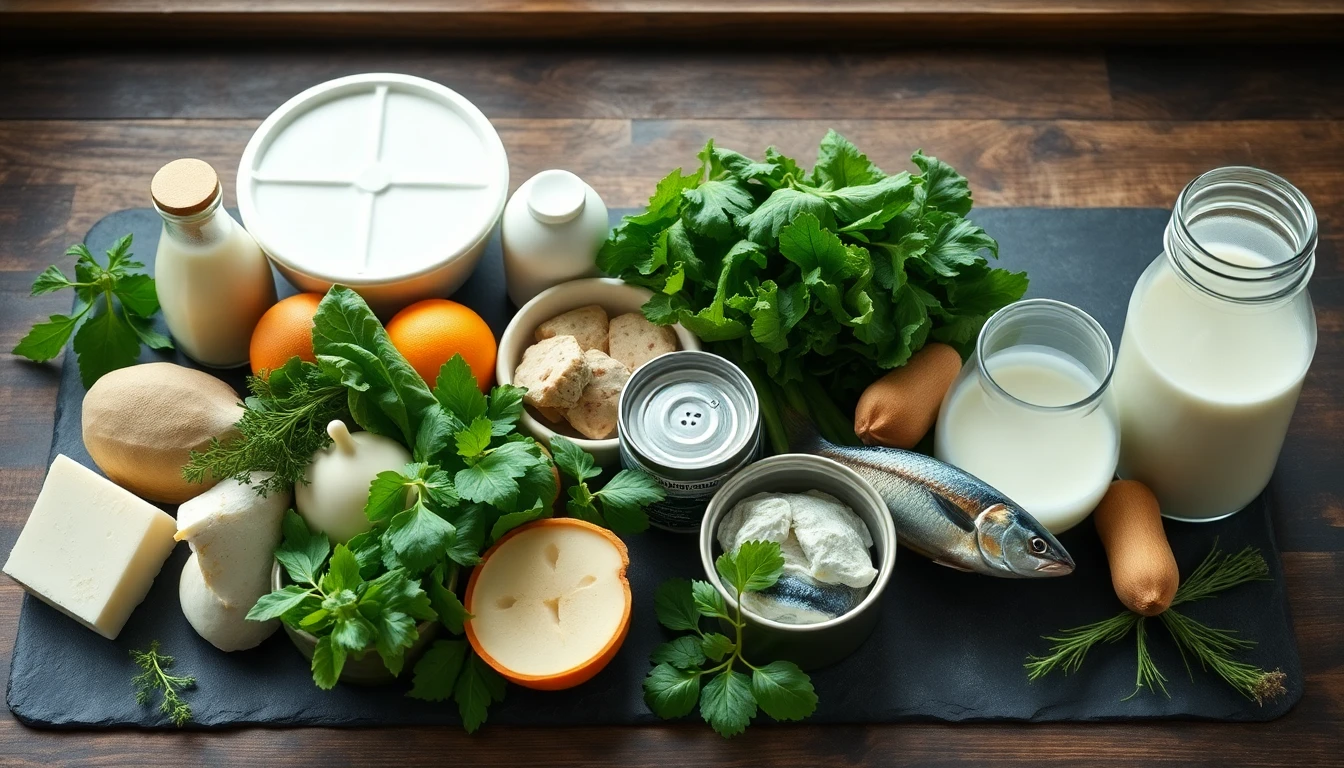
Dairy products remain the most bioavailable calcium sources, meaning your body absorbs and uses the calcium efficiently. A 200ml glass of semi-skimmed milk provides roughly 240mg of calcium—about a quarter of your daily target.
- Natural yoghurt — 150g pot delivers around 225mg calcium plus gut-friendly probiotics
- Cheddar cheese — 30g portion contains 220mg calcium; choose reduced-fat versions to limit saturated fat
- Fortified plant milks — Soya, oat, and almond drinks fortified to match dairy (look for 120mg per 100ml on labels)
- Fortified plant yoghurts — Increasingly available with calcium carbonate added to match dairy equivalents
Fish With Edible Bones
Tinned fish where you eat the softened bones provides exceptional calcium alongside omega-3 fatty acids and vitamin D—a triple benefit for bone health.
- Tinned sardines — 100g serving provides approximately 380mg calcium; choose varieties in olive oil or tomato sauce
- Tinned salmon — 100g offers around 300mg calcium when bones are consumed
- Pilchards — Similar calcium content to sardines and widely available in UK supermarkets
Plant-Based Calcium Sources
Whilst plant sources often contain compounds that slightly reduce calcium absorption, they still contribute meaningfully to your daily intake and bring additional nutrients.
- Kale — 100g cooked provides 150mg calcium plus vitamin K; massage raw leaves with lemon to improve digestibility
- Pak choi — 100g cooked offers 105mg calcium with excellent bioavailability
- Tahini — 2 tablespoons contain roughly 130mg calcium; blend into dressings or spread on toast
- Fortified bread — Two slices typically provide 180mg calcium; check labels for 'fortified with calcium'
- Dried figs — Four figs contain approximately 80mg calcium plus fibre
Vitamin D: The Calcium Absorption Essential
Without adequate vitamin D, your body can only absorb 10-15% of dietary calcium. With sufficient levels, that jumps to 30-40%. Yet UK sunshine—our primary vitamin D source—only provides enough UV strength for skin synthesis between April and September. The NHS now recommends that everyone in the UK consider a 10 microgram (400 IU) supplement during autumn and winter months.
Food sources provide smaller amounts but still contribute, particularly important for those at higher fracture risk.
- Oily fish — Salmon, mackerel, and sardines provide 7-10 micrograms per 100g; aim for two portions weekly
- Fortified spreads — Most margarine and plant-based spreads contain added vitamin D; check labels for 7.5 micrograms per 100g
- Egg yolks — One large egg provides approximately 1.6 micrograms; choose free-range for higher levels
- Fortified breakfast cereals — Many contain 1-2 micrograms per serving; pair with fortified milk for a vitamin D boost
- Mushrooms exposed to UV light — Increasingly available in UK supermarkets, providing 10+ micrograms per 100g
Vitamin K2 and Magnesium: The Overlooked Bone Builders
Vitamin K2 (menaquinone) activates proteins that bind calcium to bone matrix and prevent it from depositing in soft tissues like arteries. Meanwhile, magnesium regulates calcium transport and is required for vitamin D activation. Deficiency in either can compromise bone strength despite adequate calcium intake.
Top Vitamin K2 Sources
K2 forms primarily through bacterial fermentation, making fermented foods and animal products the richest sources.
- Natto — Japanese fermented soybeans contain exceptional K2 levels but can be an acquired taste
- Hard cheeses — Gouda, Edam, and aged Cheddar provide moderate K2 from bacterial action during ageing
- Egg yolks — Particularly from pasture-raised chickens; provides K2 alongside vitamin D
- Chicken liver — Offers K2 plus iron and B vitamins; include in pâté or stir-fries
- Sauerkraut — Fermented cabbage provides smaller amounts; choose unpasteurised varieties for maximum benefit
Magnesium-Rich Foods for Bone Health
UK diets often fall short on magnesium. Adults need 270-300mg daily, and food sources are far more effective than supplements for bone health.
- Pumpkin seeds — 30g serving delivers 150mg magnesium; sprinkle over porridge or salads
- Almonds — 30g provides 80mg magnesium plus healthy fats; choose unsalted varieties
- Spinach — 100g cooked offers 85mg magnesium alongside calcium and vitamin K
- Black beans — 100g cooked contains 70mg magnesium plus plant protein and fibre
- Dark chocolate — 30g of 70%+ cocoa provides 65mg magnesium; enjoy in moderation
- Wholegrain bread — Two slices offer roughly 45mg magnesium; choose seeded varieties for more
Foods That Inhibit Calcium Absorption
Certain dietary components can interfere with calcium absorption or increase urinary calcium loss. You needn't eliminate these entirely—many offer other health benefits—but understanding their effects helps you time consumption strategically and avoid excess.
- Caffeine — Excessive coffee or tea (more than 4-5 cups daily) increases calcium excretion; leave 30 minutes between caffeine and calcium-rich meals
- Excess salt — High sodium intake (above 6g daily) causes calcium loss through urine; reduce processed foods and avoid adding salt at the table
- Phytates — Found in wholegrains and legumes, these compounds bind calcium; soaking, sprouting, or fermenting reduces phytate levels significantly
- Oxalates — Present in spinach, rhubarb, and beetroot leaves, these can reduce calcium absorption from those specific foods; pair with calcium from other sources
- Excessive alcohol — More than 14 units weekly interferes with bone formation and vitamin D metabolism; stick within NHS guidelines
- Very high protein diets — Protein above 2g per kg body weight may increase calcium excretion; balance protein with adequate calcium intake
- Fizzy drinks containing phosphoric acid — Colas and some sodas may affect calcium balance; choose water, herbal tea, or diluted fruit juice instead
Building Your Osteoporosis Diet Plan
Knowing which foods support bone health is one thing; actually building them into sustainable daily meals is another. Start by auditing your current calcium intake using a food diary for three typical days. Most people are surprised to find they're getting less than they thought.
Aim to include a calcium source at each main meal: fortified plant milk on breakfast cereal, a cheese or sardine salad at lunch, yoghurt as a snack, and leafy greens with your evening meal. This approach spreads calcium intake across the day, which research suggests improves absorption compared to one large dose.
Pair your calcium sources with vitamin D-rich foods when possible—tinned salmon on wholegrain toast, scrambled eggs with sautéed kale, or Greek yoghurt with a sprinkle of fortified cereal. Consider the timing of tea and coffee around meals, and be mindful of salt in processed foods by cooking from scratch more often.
- Breakfast ideas — Porridge made with fortified plant milk, topped with almonds and dried figs; or scrambled eggs with wilted spinach on fortified bread
- Lunch combinations — Sardine and tomato salad with tahini dressing; or lentil soup with a wholegrain roll and small portion of cheese
- Dinner foundations — Salmon fillet with pak choi and brown rice; or white bean and kale stew with parmesan shavings
- Snack options — Natural yoghurt with pumpkin seeds; or oatcakes with almond butter and dark chocolate squares
How FreshPlate Simplifies Bone-Health Nutrition
Manually calculating calcium, vitamin D, K2, and magnesium across every meal whilst avoiding absorption inhibitors quickly becomes overwhelming. This is precisely where FreshPlate transforms osteoporosis nutrition from complicated to automatic.
When you add osteoporosis to your health profile, FreshPlate's algorithm automatically prioritises recipes rich in bone-building nutrients whilst respecting any medications or other dietary requirements you've flagged. If you're taking bisphosphonates that require specific timing around food, or if you need to manage vitamin K intake due to warfarin, the app adjusts suggestions accordingly. Each recipe shows exactly how much calcium, vitamin D, and magnesium you're getting, taking the guesswork out of meeting your daily targets whilst helping you build genuinely enjoyable, varied meals around foods that support your skeletal health.
Frequently asked questions
What foods should I avoid with osteoporosis?
+
Limit excessive caffeine (more than 4 cups daily), alcohol above 14 units weekly, and high-salt processed foods, as these increase calcium loss. You don't need to eliminate wholegrains or leafy greens despite their phytates and oxalates—their overall nutritional benefits outweigh minor absorption interference.
How much calcium do I need daily for osteoporosis?
+
Adults with osteoporosis typically need 1,000-1,200mg of calcium daily, according to the Royal Osteoporosis Society. This is best achieved through food rather than supplements alone, spread across three meals for optimal absorption.
Can you reverse osteoporosis with diet alone?
+
Diet cannot reverse established osteoporosis but plays a crucial supporting role alongside medication in slowing progression and reducing fracture risk. Adequate calcium, vitamin D, K2, and magnesium from food helps maximise bone density and supports the effectiveness of osteoporosis medications.
Are plant-based diets suitable for osteoporosis?
+
Yes, plant-based diets can absolutely support bone health when carefully planned. Focus on fortified plant milks and yoghurts, leafy greens, tahini, tofu set with calcium, and plenty of beans and seeds for magnesium. A vitamin D supplement is advisable, particularly in winter months.
Should I take calcium supplements or get it from food?
+
Food sources are generally preferred as they provide calcium alongside other beneficial nutrients and are less likely to cause digestive issues. However, if you cannot meet requirements through diet alone—particularly common in vegans or those with dairy intolerance—supplements prescribed by your GP can help bridge the gap.
Sources
Did this answer your question?
Reece reads every reply. Questions we have not covered become new guides.
The right foods make living with osteoporosis easier.
Get our free osteoporosis food guide by email — what to eat more of, what to limit, and simple meals that support you day to day. One genuinely useful email a week — no spam, unsubscribe anytime.
Free forever. You'll also be first in line for the FreshPlate app — with a free trial at launch.