Shift Work Nutrition: Complete Eating Guide for Night Workers
Discover how to optimise your nutrition around night shifts. Expert advice on meal timing, energy management, and circadian-friendly eating patterns.

By Reece Douglas · Founder, FreshPlate

Listen to this article
Shift Work Nutrition: Complete Eating Guide for Night Workers
Working night shifts fundamentally changes how your body processes food and manages energy. Approximately 3.2 million people in the UK work permanent night shifts, with millions more rotating between day and night patterns. Yet traditional nutrition advice rarely accounts for eating at 2am or sleeping through conventional mealtimes.
The challenge isn't just about what you eat but when you eat it. Your circadian rhythm—the internal body clock that regulates metabolism, digestion, and hormone release—is calibrated to daytime eating and night-time fasting. When you work nights, you're asking your body to digest substantial meals when it expects to be resting, which can affect everything from blood sugar control to cardiovascular health. Understanding shift work nutrition means learning to work with your biology, not against it.
How Night Shifts Affect Your Metabolism and Digestion
Before addressing what to eat, it's important to understand what's happening inside your body during night shifts. Your circadian rhythm doesn't simply switch off because you're awake at night—it continues following its programmed pattern, which creates a metabolic mismatch.
Research published in the Proceedings of the National Academy of Sciences shows that eating at night when your body clock expects sleep can impair glucose tolerance and reduce insulin sensitivity. Your digestive system produces fewer digestive enzymes during night hours, meaning food sits in your stomach longer and may cause discomfort or reflux.
Additionally, the hormones that regulate hunger and fullness—ghrelin and leptin—follow circadian patterns. Night workers often experience increased hunger signals at inappropriate times and may not feel satisfied after meals. This hormonal disruption, combined with limited healthy food options during night hours, partly explains why shift workers have higher rates of metabolic syndrome, type 2 diabetes, and cardiovascular disease.
The Metabolic Consequences
Long-term night shift work is associated with several metabolic changes. Your body becomes less efficient at clearing glucose from the bloodstream when eating during biological night. Fat metabolism is also affected, with night eating potentially leading to higher triglyceride levels and altered cholesterol profiles.
- Insulin resistance — Cells become less responsive to insulin when you eat during circadian night, making blood sugar control more difficult
- Altered fat storage — Night eating may preferentially direct calories toward fat storage rather than immediate energy use
- Inflammatory markers — Disrupted circadian rhythms can increase systemic inflammation, affecting cardiovascular and metabolic health
- Gut microbiome changes — Irregular eating times may alter the beneficial bacteria in your digestive system, affecting overall health
Strategic Meal Timing for Shift Work Nutrition
Meal timing may be even more important than food choices for night workers. The goal is to provide steady energy throughout your shift whilst minimising disruption to your circadian system. This requires thoughtful planning around your specific shift pattern.
Before Your Night Shift
Your pre-shift meal is crucial. Eat a substantial, balanced meal 2-3 hours before starting work, treating this as your 'dinner' regardless of the actual time. This should be your largest meal of the eating period.
Choose complex carbohydrates paired with lean protein and healthy fats. This combination provides sustained energy release throughout the early part of your shift without causing blood sugar spikes and crashes.
- Timing — 2-3 hours before shift start allows proper digestion
- Portion size — Make this your main meal, containing 40-45% of your daily calories
- Composition — Balance of protein, complex carbs, vegetables, and healthy fats
- Hydration — Start your shift well-hydrated with water or herbal tea
During Your Night Shift
This is where shift work nutrition becomes challenging. Your instinct may be to eat a large meal during your break, but heavy eating during circadian night causes the most metabolic disruption. Instead, focus on strategic light eating or 'grazing' to maintain energy without overwhelming your digestive system.
If you work 8-12 hour shifts, plan for one light meal and 1-2 small snacks rather than multiple heavy meals. Keep portions smaller than you would during day shifts. Some night workers find that limiting eating to the first half of their shift and fasting during the second half helps reduce digestive discomfort and supports better sleep afterwards.
- Light meal approach — One modest meal mid-shift, around 25-30% of daily calories
- Strategic snacking — Small, protein-rich snacks every 3-4 hours to maintain alertness
- Front-loading — Consume most calories in the first half of your shift when possible
- Avoid heavy, fatty foods — These are harder to digest during biological night and may cause discomfort
After Your Night Shift
When you finish work, your body needs rest more than food. A common mistake is eating a large breakfast before bed, which can interfere with sleep quality and worsen metabolic disruption. Instead, have a small, light snack if you're genuinely hungry—something that won't keep you awake or cause digestive issues whilst sleeping.
Save your next substantial meal for when you wake up, treating it as your 'breakfast' and beginning your eating window again 2-3 hours before your next shift.
Best Foods for Night Shift Energy and Focus
Not all foods affect night shift workers equally. Your choices should prioritise sustained energy, digestive comfort, and minimal circadian disruption. The foods that help you power through a day shift may leave you feeling sluggish or uncomfortable at night.
Energy-Sustaining Options
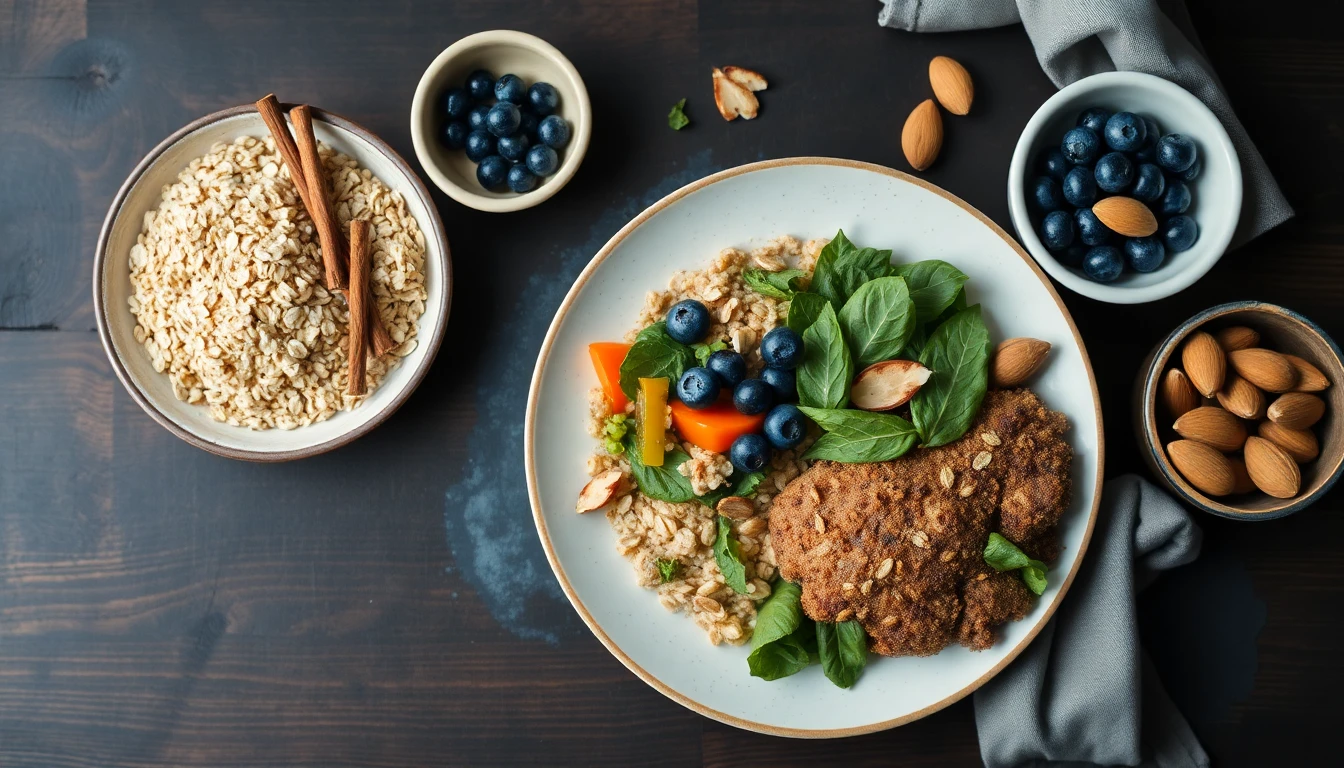
- Whole grains — Quinoa, brown rice, wholegrain pasta, and oats provide complex carbohydrates for steady energy release
- Lean proteins — Chicken, turkey, fish, eggs, and legumes support alertness without causing digestive heaviness
- Vegetables — Particularly leafy greens and colourful vegetables that provide vitamins, minerals, and fibre without excess calories
- Healthy fats — Avocado, nuts, seeds, and olive oil in moderate amounts help with satiety and nutrient absorption
- Greek yoghurt — Provides protein and probiotics to support digestive health, which can be compromised during shift work
- Berries — Lower-sugar fruits rich in antioxidants that may help combat inflammation associated with shift work
Foods to Limit or Avoid
Certain foods are particularly problematic for night shift workers. These either cause digestive discomfort during biological night or create blood sugar instability that leads to energy crashes.
- Highly processed foods — Crisps, pastries, and ready meals often contain excess salt, sugar, and unhealthy fats that worsen metabolic effects
- Sugary snacks and drinks — Cause rapid blood sugar spikes followed by crashes, leading to a cycle of fatigue and cravings
- Heavy, fatty meals — Fried foods, creamy sauces, and fatty cuts of meat are harder to digest during circadian night
- Large portions of red meat — Can cause digestive discomfort and sit heavily in your stomach
- Spicy foods — May trigger reflux or indigestion, which worsens when lying down to sleep after your shift
- Excessive caffeine — More than 200-300mg during your shift can interfere with post-shift sleep
Practical Night Shift Meal Ideas and Planning
Theory is helpful, but night workers need practical solutions that fit with limited preparation time, workplace facilities, and often irregular schedules. Batch preparation is your friend—dedicating time on your days off to prepare portable, nutritious meals prevents reliance on vending machines or takeaways.
Pre-Shift Main Meals
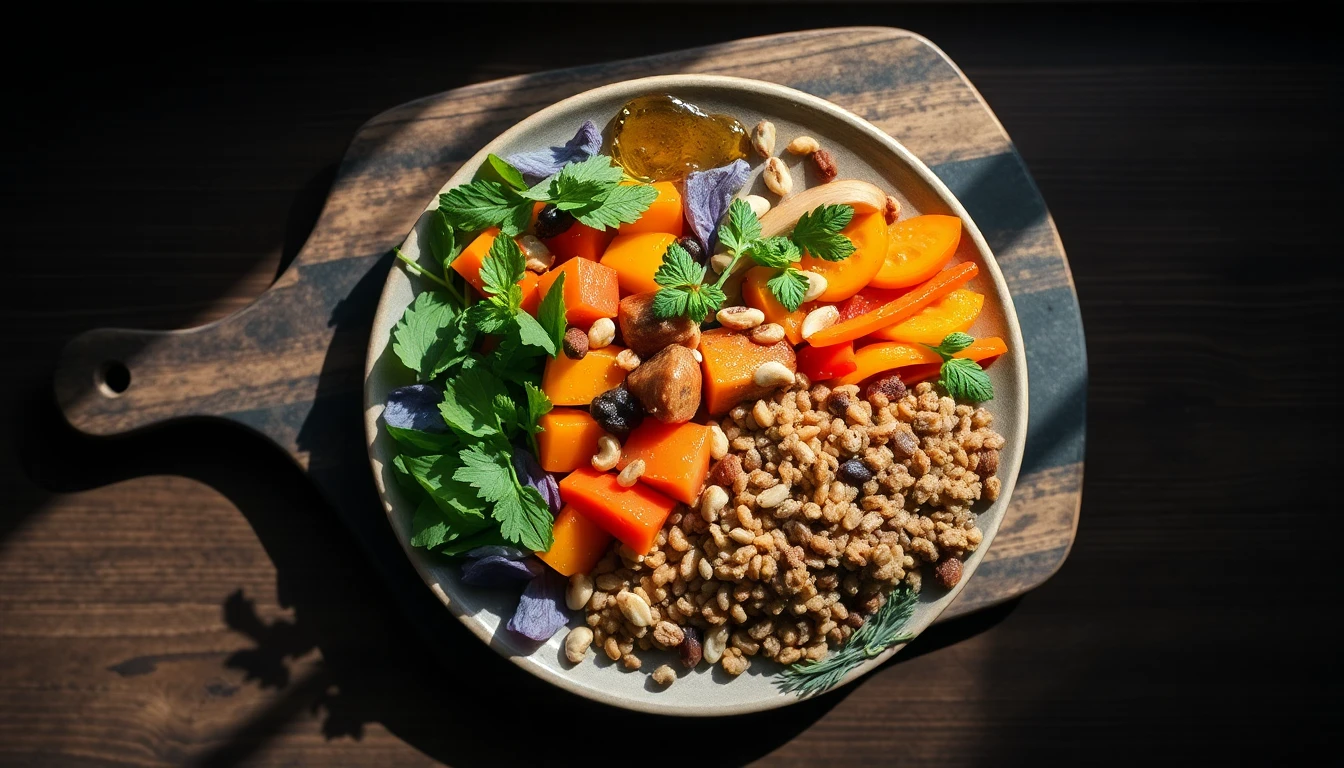
- Chicken and vegetable stir-fry — With brown rice or noodles; high in protein and complex carbs with minimal prep time when ingredients are pre-chopped
- Salmon with roasted vegetables and sweet potato — Omega-3 fats support overall health whilst complex carbs provide sustained energy
- Turkey chilli with kidney beans — Makes excellent batch-cooked portions; balance of lean protein, fibre, and slow-release carbohydrates
- Wholegrain pasta with lean mince and tomato sauce — Comfort food that's nutritionally balanced when you bulk it out with vegetables
Mid-Shift Light Meals
- Wholegrain wrap with chicken, hummus, and salad — Portable and light but satisfying
- Vegetable soup with a wholemeal roll — Easy to heat and gentle on digestion
- Greek yoghurt with berries and a sprinkle of granola — Provides protein without heaviness
- Egg and vegetable muffins — Can be made in batches and eaten cold or reheated
Smart Snack Options
- Mixed nuts and seeds — Portable, shelf-stable, and provide healthy fats and protein
- Apple slices with nut butter — Natural sugars with protein and fat to slow absorption
- Vegetable sticks with hummus — High in fibre and protein, very low in simple sugars
- Hard-boiled eggs — Prepare several at once for convenient protein portions
- Oatcakes with cheese — Wholegrain complex carbs with protein
- Homemade energy balls — Made with dates, nuts, and oats for a naturally sweet but nutritious option
Managing Hydration and Caffeine on Night Shifts
Fluid management is particularly important for night workers. Dehydration worsens fatigue and affects cognitive function, but drinking too much too late in your shift can disrupt your post-shift sleep with bathroom trips. Similarly, caffeine is a valuable tool but can easily become counterproductive.
Aim for 1.5-2 litres of water throughout your shift, front-loading your hydration to the first two-thirds of your working period. Herbal teas can add variety whilst contributing to fluid intake without adding caffeine late in your shift.
Strategic Caffeine Use
Caffeine can significantly improve alertness during night shifts, but timing matters. Consumed too early, it may wear off when you need it most. Too late, and it interferes with your crucial post-shift sleep. Research suggests that smaller doses spaced throughout your shift work better than large amounts in one go.
- Timing — Consume caffeine in the first half of your shift; avoid it within 6 hours of planned sleep time
- Amount — Keep total intake to 200-300mg (roughly 2-3 cups of coffee); more doesn't necessarily mean better alertness
- Spacing — Smaller doses every few hours maintain steadier alertness than one large dose
- Avoid energy drinks — High sugar content causes crashes, and caffeine content is often excessive and poorly controlled
- Consider alternatives — Green tea provides moderate caffeine with beneficial antioxidants and L-theanine, which promotes calm alertness
How FreshPlate Supports Shift Workers
Managing shift work nutrition whilst juggling sleep deprivation, irregular schedules, and limited preparation time feels overwhelming. FreshPlate can take some of the guesswork out of it, with tools that help you see what you are eating and how your day is going, whatever hours you work.
On the Progress tab, you can see how the day is going, why, and what to do next, with three dials chosen from your goal, conditions and medications and a "How we worked this out" tap behind every number. Each recipe also has a For you tab that shows what was actually checked for you, why it suits your goal, and whether it fits what is left of your day. That is handy when your day does not follow a nine-to-five shape, and it can help you keep an eye on portion sizes too.
If you like to batch cook on your days off, Cook on the Meals tab can measure a food you make yourself from its ingredient lines in one go, keep it in your kitchen with a photo, and log a slice or a portion in one tap from then on. Meals can also be logged by photo, barcode or search, which is quick when you are eating on a break. If you take medications alongside shift work, you can check foods to watch with the free food–medication interaction checker on our website: type in a medication or its brand name and see the results in seconds, at the interaction checker.
Frequently asked questions
Should I eat breakfast after a night shift?
+
It's better to have only a light snack if you're hungry, rather than a full breakfast. Your body needs sleep more than food after a night shift. Save your next substantial meal for when you wake up, treating it as your 'breakfast' before your next shift. A heavy meal before sleep can interfere with sleep quality and worsen metabolic disruption.
How many meals should I eat during a 12-hour night shift?
+
Aim for one light-to-moderate meal mid-shift plus 1-2 small snacks rather than multiple heavy meals. Eating smaller, more frequent portions causes less metabolic disruption than large meals during biological night. Many night workers find front-loading their eating to the first half of the shift helps reduce digestive discomfort.
Why do I always feel hungry on night shifts?
+
Night shifts disrupt the hormones that regulate hunger and fullness—ghrelin and leptin—which follow circadian patterns. This hormonal disruption means you may experience increased hunger signals at inappropriate times and not feel satisfied after eating. Strategic meal timing with protein-rich foods can help manage these disrupted hunger signals.
Can I lose weight whilst working night shifts?
+
Yes, though it's more challenging due to metabolic changes and hormonal disruption. Focus on consistent meal timing, appropriate portion sizes, and nutrient-dense whole foods rather than processed options. Eating most of your calories earlier in your shift and minimising late-shift eating can support weight management despite the circadian disruption.
What should I drink during night shifts besides water?
+
Herbal teas are excellent for adding variety to your hydration without adding caffeine late in your shift. Green tea provides moderate caffeine with beneficial compounds if consumed early in your shift. Avoid sugary drinks and excessive caffeine, and front-load your fluid intake to the first two-thirds of your shift to minimise sleep disruption from bathroom trips.
Sources
Did this answer your question?
Reece reads every reply. Questions we have not covered become new guides.
Small food changes. Big difference.
Get practical shift work tips by email — simple, evidence-based changes you can make this week. One genuinely useful email a week — no spam, unsubscribe anytime.
Free forever. You'll also be first in line for the FreshPlate app — with a free trial at launch.