Type 2 Diabetes Breakfast Ideas That Won't Spike Blood Sugar
10 low-GI, high-protein breakfast recipes designed for type 2 diabetes. Practical, fibre-rich ideas to keep your blood sugar steady all morning.

By Reece Douglas · Founder, FreshPlate
Listen to this article
Type 2 Diabetes Breakfast Ideas That Won't Spike Blood Sugar
Breakfast can feel like a minefield when you're managing type 2 diabetes. Skip it, and your blood sugar might swing wildly by lunch. Choose toast and jam, and you're riding a glucose rollercoaster before you've left the house. The good news? A diabetes-friendly breakfast doesn't mean boring or complicated. It just means being strategic about what goes on your plate.
The key is building meals around three principles: prioritising protein, choosing low glycaemic index (GI) carbohydrates, and front-loading fibre. When these elements work together, they slow down how quickly glucose enters your bloodstream, helping you maintain stable blood sugar levels throughout the morning. Here are 10 practical type 2 diabetes breakfast ideas that actually taste good and won't leave you hungry an hour later.
Why Your Type 2 Diabetes Breakfast Matters More Than You Think
Your morning meal sets the metabolic tone for your entire day. Research shows that what you eat at breakfast influences insulin sensitivity and blood glucose control for hours afterwards—a phenomenon sometimes called the 'second meal effect'. A poorly chosen breakfast can create a cascade of blood sugar spikes, increased insulin demand, and mid-morning energy crashes that make managing diabetes harder.
The goal isn't to avoid carbohydrates entirely. Instead, you want to choose the right types and pair them strategically with protein and fat. This combination slows gastric emptying and glucose absorption, preventing the rapid blood sugar spike that occurs when you eat refined carbohydrates alone.
The Three Pillars of a Blood Sugar-Friendly Breakfast
Every effective diabetes breakfast should include these components:
- Protein (15-25g) — slows digestion, increases satiety, and has minimal impact on blood glucose. Sources include eggs, Greek yoghurt, cottage cheese, nuts, seeds, and lean meats
- Fibre (5g minimum) — particularly soluble fibre, which forms a gel in your digestive tract and blunts glucose absorption. Found in oats, chia seeds, vegetables, and certain fruits
- Healthy fats — further slow digestion and help with nutrient absorption. Think avocado, nuts, seeds, olive oil, and oily fish
Understanding Glycaemic Index for Breakfast Choices
The glycaemic index ranks how quickly a carbohydrate-containing food raises blood glucose. Low-GI foods (55 or below) are digested slowly, causing a gradual rise. High-GI foods (70 or above) cause rapid spikes. For breakfast, focus on low-GI options like steel-cut oats, wholegrain bread, and most fresh fruits paired with protein and fat to further lower the overall glycaemic load of your meal.
10 Practical Type 2 Diabetes Breakfast Ideas
These recipes are built around the principles above—each provides sustained energy, keeps you full, and won't send your blood sugar soaring.
1. Greek Yoghurt Power Bowl
Start with 200g full-fat Greek yoghurt (approximately 15g protein), add 30g mixed nuts and seeds, a handful of berries, and a sprinkle of cinnamon. The protein from yoghurt, healthy fats from nuts, and fibre from berries create the perfect trifecta. Full-fat dairy actually shows better outcomes for diabetes management than low-fat versions in several studies.
2. Vegetable-Packed Omelette
Two or three eggs cooked with spinach, mushrooms, tomatoes, and peppers, served with half a slice of wholegrain toast. Eggs are a diabetes breakfast superstar—high in protein, virtually carbohydrate-free, and incredibly versatile. The vegetables add volume, fibre, and micronutrients without significantly impacting blood sugar.
3. Steel-Cut Oats with Nut Butter
Cook 40g steel-cut oats (not instant) with water or unsweetened almond milk, then stir through a tablespoon of almond or peanut butter and top with a few berries. Steel-cut oats have a lower GI than rolled or instant varieties because they're less processed. The nut butter adds protein and fat to further stabilise the glucose response.
4. Smoked Salmon and Avocado on Rye
One slice of dark rye bread (genuinely wholegrain—check the label) topped with half an avocado and 60-80g smoked salmon. This combination delivers omega-3 fatty acids, quality protein, and healthy monounsaturated fats. Rye bread typically has a lower GI than wheat bread and contains more fibre.
5. Chia Seed Pudding
Mix 3 tablespoons chia seeds with 200ml unsweetened almond or coconut milk the night before. In the morning, top with a handful of berries and a tablespoon of chopped walnuts. Chia seeds expand and form a gel rich in soluble fibre—exactly what you want for blood sugar control. They also provide protein, omega-3s, and keep you remarkably full.
6. Cottage Cheese and Vegetable Plate
150g cottage cheese served with cherry tomatoes, cucumber slices, and a handful of walnuts, plus two oatcakes. Cottage cheese is exceptionally high in protein (around 12g per 100g) and low in carbohydrates. This savoury breakfast works brilliantly if you're not keen on sweet morning meals.
7. Scrambled Eggs with Beans
Two scrambled eggs with a small tin (roughly 130g drained weight) of cannellini or butter beans, cooked with garlic and spinach. Beans and pulses are brilliant for diabetes—they're high in protein and fibre, and have a low GI despite being carbohydrate-rich. The combination with eggs makes this incredibly filling.
8. Protein Smoothie Bowl
Blend 150g Greek yoghurt, a handful of spinach, half a frozen banana, a tablespoon of ground flaxseed, and unsweetened almond milk until thick. Pour into a bowl and top with a few berries and seeds. The key is keeping it thick and eating it with a spoon—drinking smoothies too quickly can cause faster glucose absorption.
9. Mushroom and Spinach on Sourdough
Sauté mushrooms and spinach in a little olive oil with garlic, serve on one slice of proper sourdough toast, topped with a poached egg. Genuine sourdough (naturally fermented, not the supermarket stuff with added yeast) has a lower GI than standard bread thanks to the fermentation process which partially breaks down starches.
10. Almond Flour Pancakes
Make pancakes using almond flour instead of wheat flour—combine 100g almond flour, two eggs, a splash of almond milk, and a pinch of baking powder. Serve with berries and a dollop of Greek yoghurt. Almond flour is low in carbohydrates, high in protein and healthy fats, making it an excellent diabetes-friendly alternative to regular flour.
Foods to Limit or Avoid at Breakfast
If you currently eat these foods regularly, don't panic. Small, sustainable changes work better than complete overhauls. Try swapping one element at a time—perhaps replace fruit juice with whole fruit this week, then tackle the cereal next week.
- Fruit juice — even unsweetened varieties are concentrated sources of rapidly absorbed sugars without the fibre that whole fruit provides. A glass of orange juice can contain as much sugar as a fizzy drink
- Breakfast cereals — most commercial cereals, including those marketed as healthy, are highly processed with a high GI. Even muesli can be problematic due to added sugars and dried fruit
- White bread and pastries — refined flour products cause rapid blood sugar spikes. Croissants, white toast, bagels, and muffins fall into this category
- Flavoured yoghurts — often contain 15-20g of added sugar per pot. Always choose natural yoghurt and add your own fruit
- Breakfast bars and granola — typically loaded with sugars and syrups, despite health-food branding. Check labels carefully—anything over 10g sugar per 100g is problematic
- Honey and jams — concentrated sugars that will spike blood glucose quickly, even in small amounts
Practical Tips for Diabetes Breakfast Success
Knowing what to eat is one thing. Actually doing it consistently, especially on rushed mornings, is another. These strategies make blood sugar-friendly breakfasts more achievable.
Preparation Is Everything
- Batch-cook protein — boil eggs, cook a frittata, or prepare portions of scrambled eggs that reheat well. Having protein ready removes a major barrier
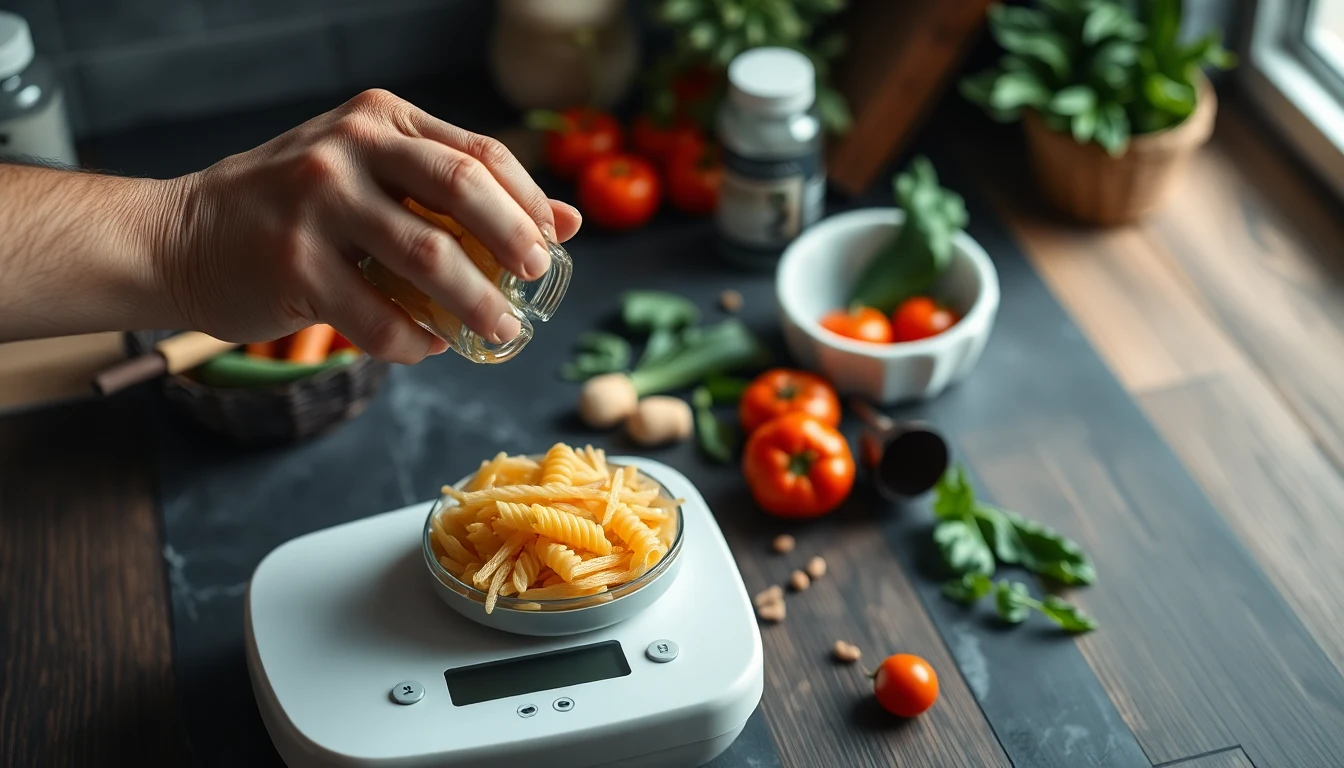
- Pre-portion nuts and seeds — measure out 30g portions into small containers so you're not guessing or overeating these calorie-dense foods
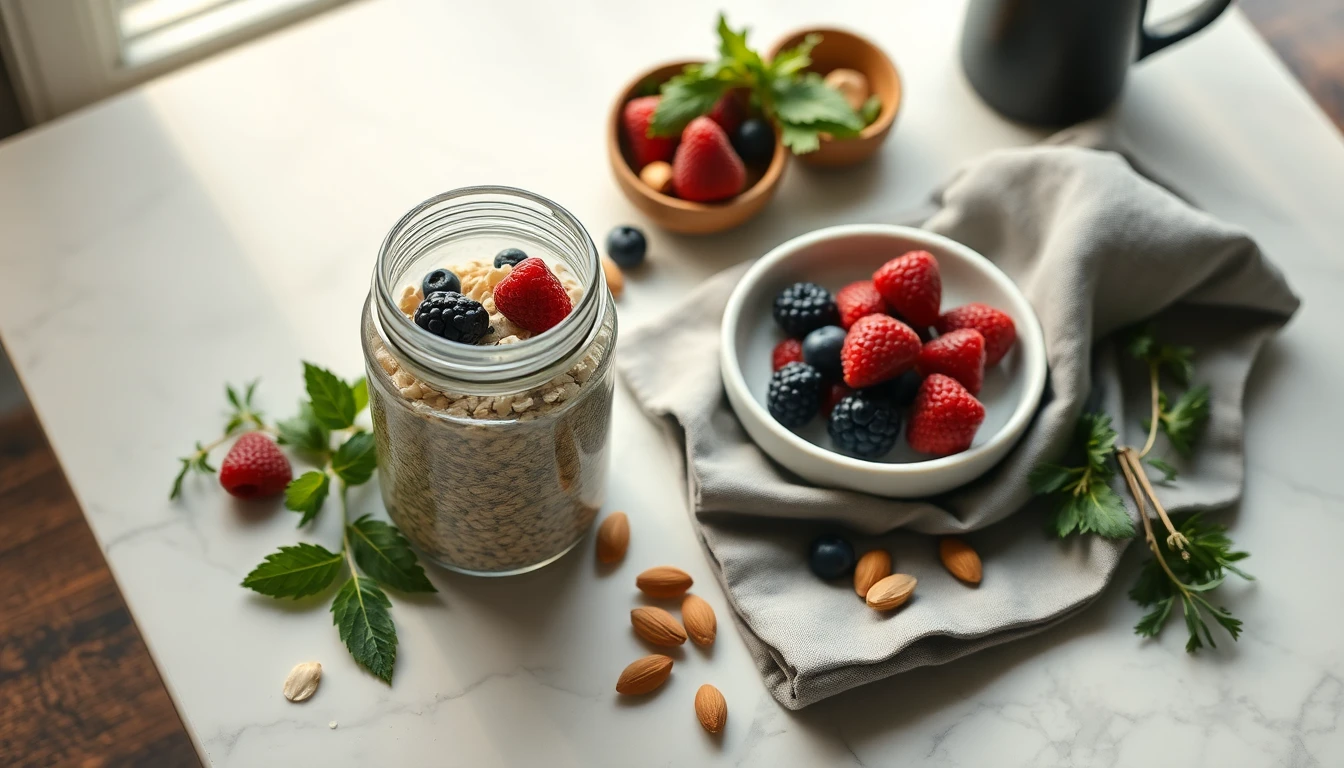
- Prep overnight options — chia pudding and overnight oats (made with steel-cut oats soaked overnight) are ready when you wake
- Keep frozen berries — just as nutritious as fresh, often cheaper, and always available. No waste from forgotten fruit at the back of the fridge
Timing and Portion Considerations
Try to eat breakfast within two hours of waking to prevent excessive liver glucose production from prolonged fasting. If you're on medications like metformin or insulin, timing becomes even more important—speak with your diabetes team about coordination.
Portion sizes matter, but so does individual variation. Some people with type 2 diabetes manage well with carbohydrates in the morning; others find they need to limit them until later in the day. Monitor your own blood glucose response if you test at home, and adjust accordingly. What works for your friend or a generic meal plan might not work optimally for you.
When Metformin Meets Morning Meals
If you take metformin—one of the most commonly prescribed medications for type 2 diabetes—your breakfast choices interact with your medication. Metformin works partly by reducing glucose production in your liver and improving insulin sensitivity, but it can also cause gastrointestinal side effects, particularly when you're first starting or increasing the dose.
Taking metformin with food significantly reduces nausea and stomach upset. A breakfast rich in fibre and protein not only supports blood sugar control but also helps buffer metformin's effects on your digestive system. Avoid taking it on an empty stomach or with only a piece of fruit.
Some evidence suggests that the type of food matters too. High-fat meals might slightly delay metformin absorption, though this doesn't appear clinically significant for most people. More importantly, combining metformin with a breakfast that already supports good blood sugar control creates a synergistic effect—your medication works better when your diet is working with it, not against it.
How FreshPlate Supports Your Diabetes Breakfast Planning
Building a sensible type 2 diabetes breakfast every morning takes knowledge, time, and mental energy, which are often in short supply before you've had your first cup of tea. That's why FreshPlate is built around your own medications and conditions.
When you tell FreshPlate you have type 2 diabetes, the app steers rather than prescribes: recipes lean towards what public UK guidance from the NHS and the BDA says suits the condition, and the app never claims to treat, prevent or cure anything. Every recipe has a For you tab with a line on why it suits your goal and your conditions, and whether it fits what is left of your day.
Rather than spending Sunday evening wondering whether a breakfast fits, you can open a recipe and see what was actually checked for you, such as your allergens, your diet and any religious food rules. If you keep a recipe, it goes onto your shopping list. And if you'd rather log a breakfast you've already eaten, you can do it by photo, barcode or search, or read a pack off its own label on your phone, so you can see what's in it.
Frequently asked questions
What is the best breakfast for type 2 diabetes?
+
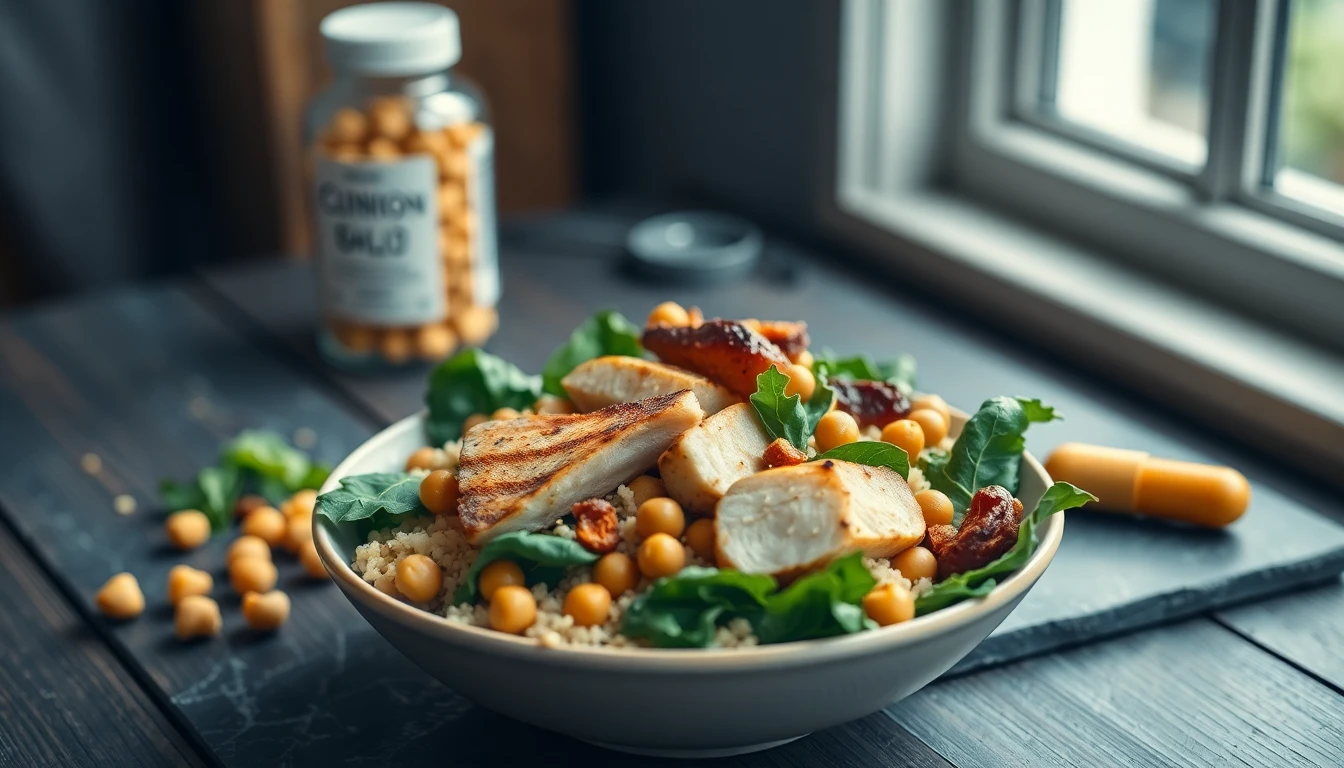
The best type 2 diabetes breakfast combines 15-25g protein, at least 5g fibre, and healthy fats, with low-GI carbohydrates. Examples include Greek yoghurt with nuts and berries, vegetable omelettes with wholegrain toast, or steel-cut oats with nut butter. The key is balancing macronutrients to prevent blood sugar spikes.
Can I skip breakfast if I have type 2 diabetes?
+
Regularly skipping breakfast isn't generally recommended for type 2 diabetes, as it can lead to larger blood sugar fluctuations later in the day and may trigger overeating at lunch. However, if you practice intermittent fasting under medical supervision, this can work for some people. Always discuss significant meal timing changes with your diabetes team.
Are bananas OK for diabetics at breakfast?
+
Bananas can be included in a diabetes breakfast, but they're best eaten when less ripe (lower sugar content) and paired with protein and fat to slow glucose absorption. Half a banana with Greek yoghurt and nuts is better than eating a whole banana alone. Very ripe bananas have a higher GI and are less ideal.
How much protein should a diabetic eat at breakfast?
+
Aim for 15-25g of protein at breakfast to support blood sugar stability and satiety. This is roughly equivalent to two eggs (12-14g), 200g Greek yoghurt (15-20g), or a combination of foods. Higher protein breakfasts have been shown to improve post-meal glucose control in type 2 diabetes.
Is porridge good for type 2 diabetes?
+
Steel-cut or rolled oats can be excellent for type 2 diabetes due to their soluble fibre content and relatively low GI. Avoid instant porridge, which is more processed and has a higher GI. Always add protein (nuts, seeds, or yoghurt) and avoid adding honey or sugar. A 40g portion of oats with toppings is appropriate.
Sources
Did this answer your question?
Reece reads every reply. Questions we have not covered become new guides.
The right foods make living with type 2 diabetes easier.
Get our free type 2 diabetes food guide by email — what to eat more of, what to limit, and simple meals that support you day to day. One genuinely useful email a week — no spam, unsubscribe anytime.
Free forever. You'll also be first in line for the FreshPlate app — with a free trial at launch.