Vitamin D Deficiency UK Foods That Actually Help
Living in the UK? Discover which foods tackle vitamin D deficiency when sunlight isn't enough, plus practical guidance on fortified options and supplements.

By Reece Douglas · Founder, FreshPlate
Listen to this article
Vitamin D Deficiency UK Foods That Actually Help
If you live in the UK, you're likely vitamin D deficient for at least half the year. It's not a personal failing—it's geography. Between October and early March, the sun simply isn't strong enough at our latitude for skin to produce adequate vitamin D, regardless of how much time you spend outdoors. Public Health England estimates that one in five adults and one in six children in the UK have low vitamin D status.
Unlike most nutrients, vitamin D is tricky to obtain from food alone because very few items contain it naturally. That's why the NHS recommends everyone in the UK consider taking a daily supplement during autumn and winter, and some people year-round. But diet still matters. Choosing vitamin D-rich and fortified foods helps maintain baseline levels and works synergistically with supplementation. This guide covers which foods genuinely move the needle on vitamin D status, how to read fortified product labels, and who needs to pay particularly close attention.
Why Vitamin D Deficiency Is So Common in the UK
Vitamin D is unusual among nutrients because our bodies can manufacture it when ultraviolet B (UVB) rays from sunlight hit the skin. In countries closer to the equator, this works brilliantly. In the UK, not so much.
From October through March, the sun's angle means UVB rays can't penetrate the atmosphere effectively enough to trigger vitamin D synthesis in skin. Even during summer months, factors like cloud cover, pollution, time spent indoors, sunscreen use, and skin tone all reduce production. Melanin, which gives skin its colour, provides natural sun protection but also reduces vitamin D synthesis—meaning people with darker skin tones need longer sun exposure to produce the same amount.
The consequences of deficiency extend beyond the well-known risk of rickets in children and osteomalacia in adults. Vitamin D plays crucial roles in immune function, muscle strength, mood regulation, and inflammation control. Low levels have been associated with increased susceptibility to respiratory infections, though causation isn't always straightforward.
Who's Most at Risk
Certain groups face heightened risk of vitamin D deficiency and should be especially mindful of dietary sources:
- People with darker skin tones — require three to six times longer sun exposure to produce equivalent vitamin D compared to lighter skin
- Those who cover skin for cultural or religious reasons — limited skin exposure significantly reduces synthesis opportunities
- Older adults — skin becomes less efficient at producing vitamin D with age, whilst kidneys become less effective at converting it to active form
- People who are housebound or work night shifts — minimal daylight exposure eliminates the primary vitamin D source
- Individuals with conditions affecting fat absorption — coeliac disease, Crohn's disease, and cystic fibrosis impair absorption of this fat-soluble vitamin
- People with obesity — vitamin D can become sequestered in fat tissue, reducing bioavailability
Natural Food Sources of Vitamin D in the UK
The honest truth is that naturally occurring vitamin D in food is rare. There's no plant-based source that provides meaningful amounts (mushrooms exposed to UV light are an exception, but these aren't yet widely available in UK supermarkets). The primary natural sources are all animal-derived.
Vitamin D comes in two forms: D3 (cholecalciferol) from animal sources and D2 (ergocalciferol) from plant sources and fortified foods. Evidence suggests D3 is more effective at raising and maintaining vitamin D levels in the blood.
Oily Fish: The Vitamin D Champions
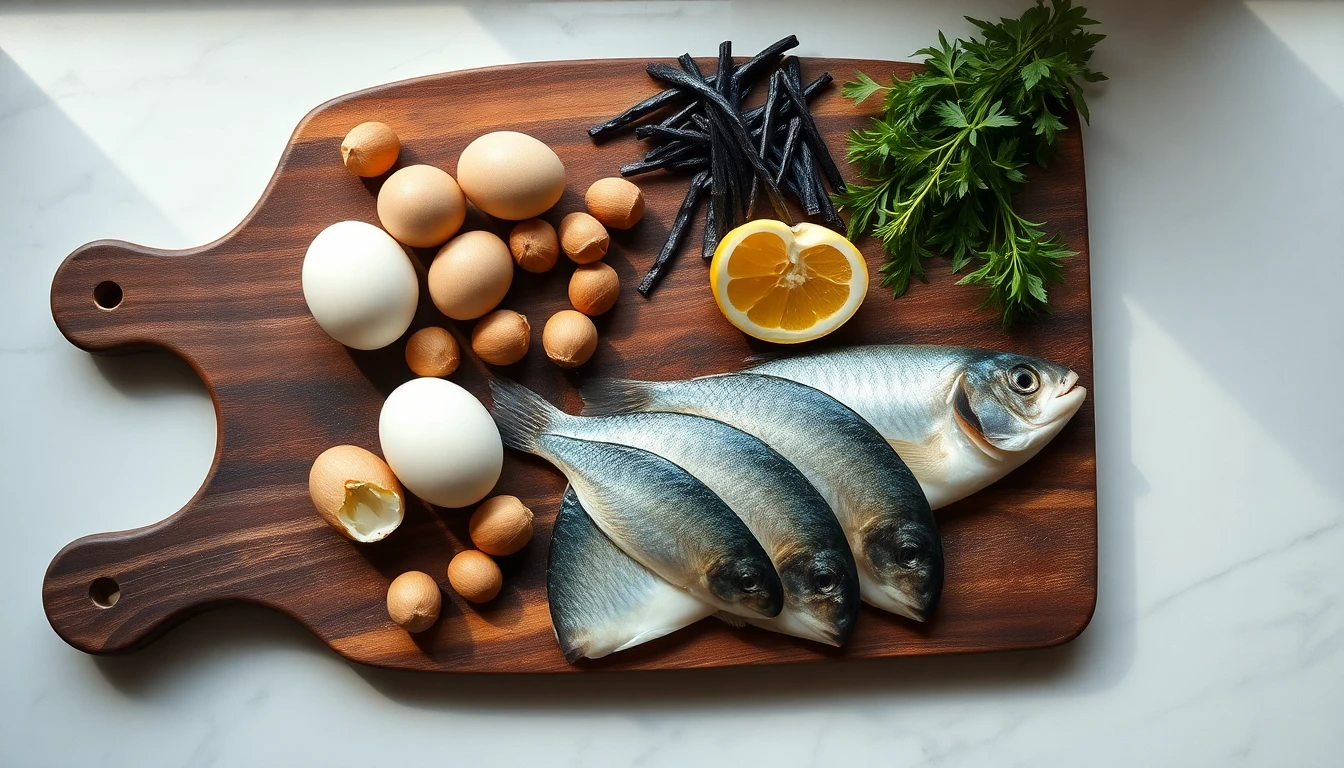
Aim for at least one portion of oily fish weekly. If you find the taste too strong, try mixing tinned salmon or mackerel into pasta dishes, fishcakes, or jacket potatoes where other flavours balance the fishiness.
- Salmon — 100g provides approximately 10-13 micrograms (400-520 IU), depending on whether it's wild or farmed
- Mackerel — 100g delivers around 8 micrograms (320 IU), plus it's one of the most affordable oily fish options
- Sardines — 100g of canned sardines provides roughly 5 micrograms (200 IU), and the bones add calcium
- Herring — 100g offers about 5 micrograms (200 IU), available fresh or as kippers
- Trout — 100g contains approximately 11 micrograms (440 IU), particularly rainbow trout
Other Animal Sources
These foods alone won't resolve deficiency, but they contribute to overall intake when consumed regularly as part of a varied diet.
- Egg yolks — one large egg provides about 1 microgram (40 IU); the white contains none
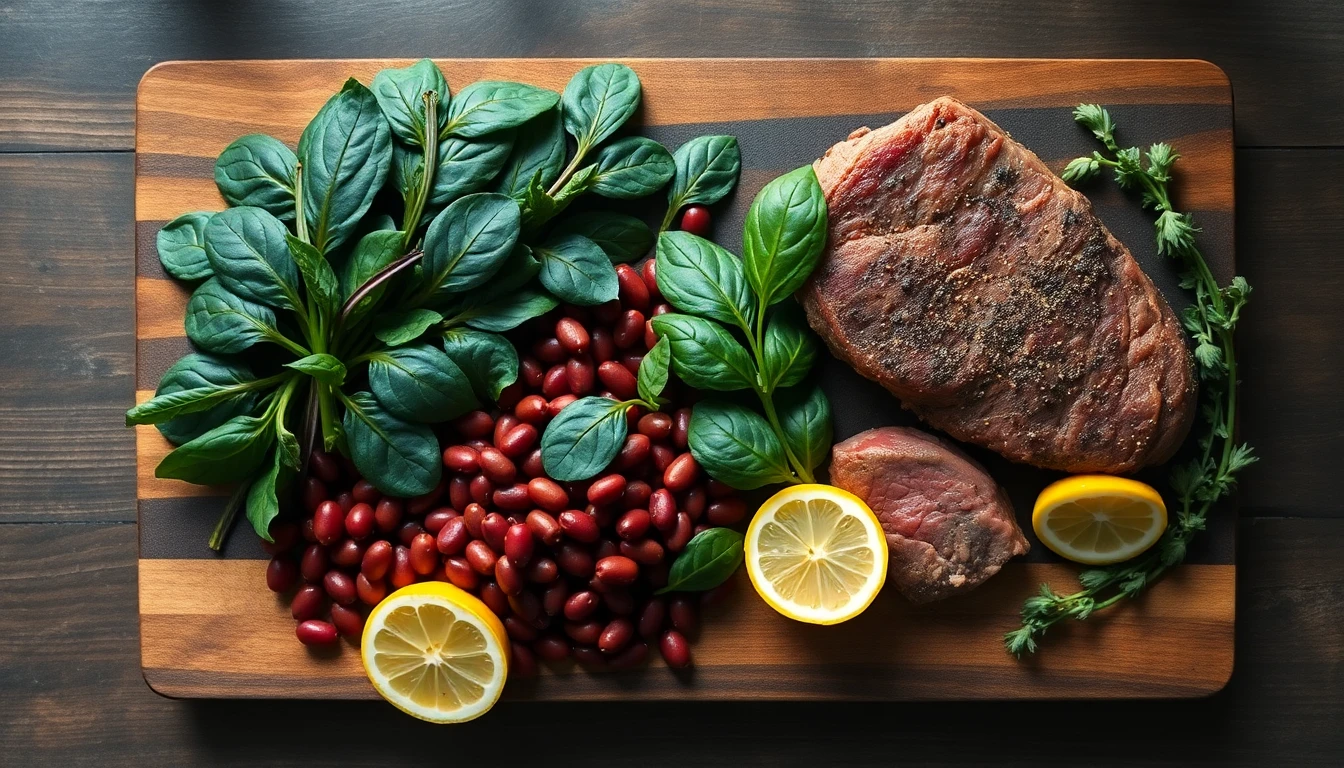
- Red meat — 100g beef provides roughly 0.3 micrograms (12 IU), so not a primary source but contributes in aggregate
- Liver — 100g provides about 1 microgram (40 IU), though liver should be limited due to high vitamin A content
Fortified Foods: Bridging the Vitamin D Gap
Given the scarcity of natural sources, fortified foods play an increasingly important role in UK diets. Food manufacturers add synthetic vitamin D to products to help populations meet requirements. Not all brands fortify their products, and amounts vary considerably, so reading labels is essential.
The UK mandates vitamin D fortification in infant formula but not in other foods, unlike some countries where fortification of staples like milk is required. This means you need to actively look for fortified versions.
What to Look For on Labels
When shopping, check the nutrition information panel for vitamin D content. It's usually expressed as micrograms (μg) per serving, sometimes with a percentage of the Reference Intake (RI) which is set at 10 micrograms daily for the general UK population.
- Fortified breakfast cereals — many provide 1.5-2.5 micrograms per serving, contributing 15-25% of daily needs
- Fortified plant-based milk alternatives — soya, oat, and almond drinks often contain 0.75-1.5 micrograms per 100ml; always shake well as vitamin D can settle
- Fortified dairy milk — some brands now fortify cow's milk with about 0.6-1 microgram per 100ml
- Fortified spreads — many margarines and fat spreads contain vitamin D, typically 7-8 micrograms per 100g
- Fortified yoghurts — less common but some brands add vitamin D, usually around 0.75 micrograms per 100g
- Fortified orange juice — available in some UK supermarkets with approximately 1 microgram per 100ml
Maximising Absorption from Fortified Foods
Vitamin D is fat-soluble, meaning it's absorbed better when consumed with dietary fat. Fortified breakfast cereals work well with whole or semi-skimmed milk rather than skimmed. If you use fortified plant milk, choose versions with added fat or consume with other foods containing fat, such as nuts, seeds, or avocado. Fortified spreads already contain fat, making them an efficient delivery system when used on toast or in cooking.
Supplement Guidance for UK Residents
The NHS advice is clear: everyone in the UK should consider taking a daily supplement containing 10 micrograms (400 IU) of vitamin D during autumn and winter. Some groups should take it year-round, including those in the high-risk categories mentioned earlier.
Supplements are not a failure or shortcut—they're a pragmatic response to geographical reality. Food alone rarely provides sufficient vitamin D in the UK context, even with careful planning. Combining dietary sources with appropriate supplementation offers the most reliable approach to maintaining healthy levels.
Choosing the Right Supplement
Very high doses (above 100 micrograms or 4,000 IU daily) should only be taken under medical supervision, as excessive vitamin D can cause hypercalcaemia, leading to weakened bones and kidney damage.
- Standard dose — 10 micrograms (400 IU) daily is recommended for general population supplementation
- Higher therapeutic doses — if blood tests confirm deficiency, your GP may prescribe higher doses temporarily, sometimes 20-100 micrograms daily
- Combination supplements — some multivitamins contain vitamin D, but check the amount as many provide less than 10 micrograms
- Timing doesn't matter much — take with food containing fat for better absorption, but consistency matters more than specific timing
Practical Meal Ideas for Vitamin D
Remember that vitamin D status builds over time. Consistently including these foods across the week creates a stronger foundation than occasionally eating large amounts of a single source.
- Breakfast — fortified cereal with fortified plant milk or dairy milk, plus a glass of fortified orange juice provides a combined boost
- Lunch — sardines on wholemeal toast with fortified spread, or a mackerel salad with olive oil dressing
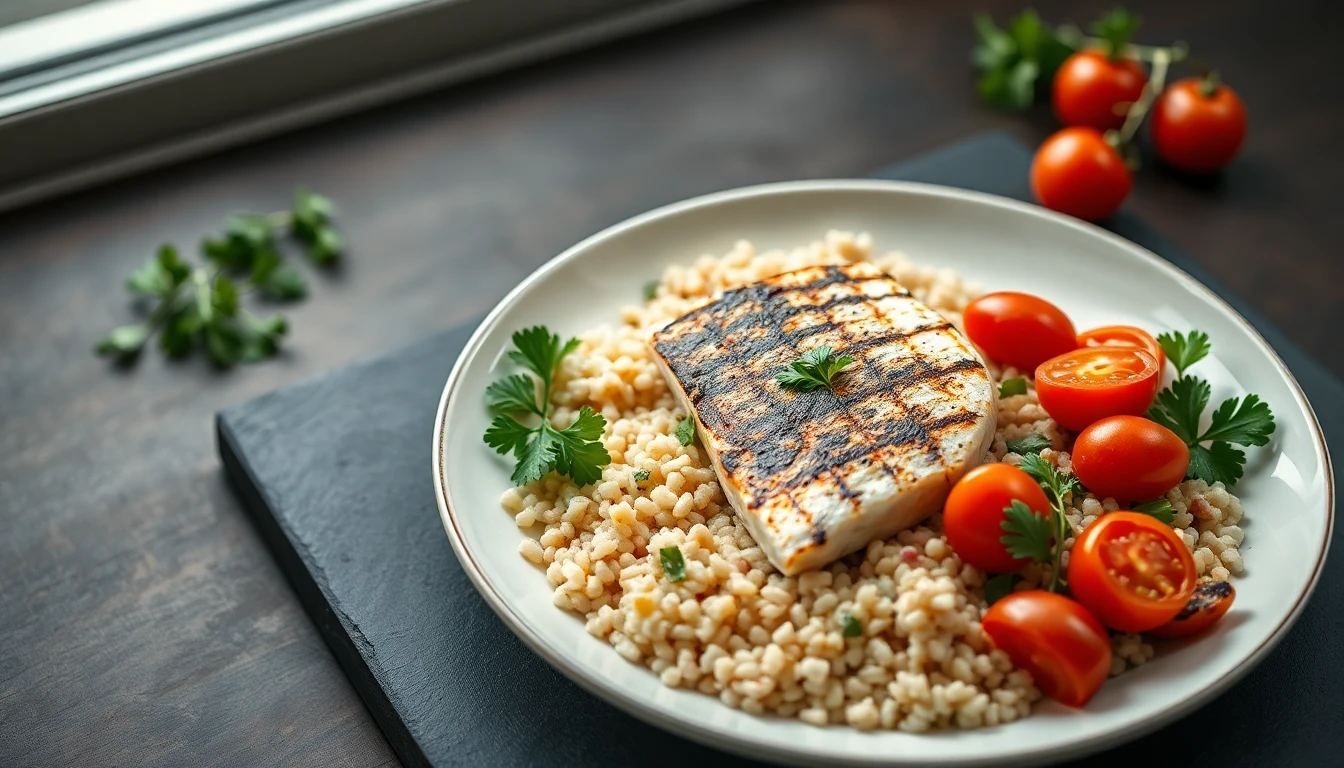
- Dinner — grilled salmon with vegetables, or trout baked with herbs and lemon; even once weekly makes an impact
- Snacks — hard-boiled eggs, or fortified yoghurt with berries and seeds
- Cooking swaps — use fortified spread instead of butter in baking and cooking; switch to fortified milk alternatives in tea, coffee, and recipes
How FreshPlate Can Support Your Everyday Eating
Keeping on top of what you eat, alongside medicines and other dietary requirements, can feel like a lot. FreshPlate takes some of that off your plate: when you add your goal, any conditions and your medicines, the recipes it generates are built around them, and each one has a For you tab that shows what was actually checked, such as allergens, diet and religious rules, and whether the recipe fits what is left of your day.
Medicines are added by brand or generic name from the NHS's own medicines list, and the app reads each one by its active ingredient. The For you tab lists your medicines. For about 170 of them, it opens the words about food from the NHS page or US FDA label that our interaction checker has quoted, word for word, with a link to the checker page. For the rest, it says there is no advice on file yet and points you to your pharmacist. You can also try the free interaction checker on our website at /website/tools/food-medication-checker/.
The Progress tab then shows how your day is going, why, and what to do next, with a minerals-and-vitamins panel against targets set for your body and a "How we worked this out" tap behind every number, naming the guidance, such as the NHS, WHO or UK RNI. For medical conditions, the app steers rather than prescribes: recipes lean towards what public UK guidance from the NHS and the BDA says suits the condition. If you cook your own dishes, Cook on the Meals tab works out a food you make yourself, like a traybake, from its ingredient lines, so you can log a portion in one tap. Whatever your situation, it is worth talking to your GP or pharmacist about vitamin D and any supplements.
Frequently asked questions
Can you get enough vitamin D from food alone in the UK?
+
It's extremely difficult to meet vitamin D requirements from food alone in the UK, as very few foods naturally contain it in significant amounts. Even with regular consumption of oily fish and fortified products, most people require supplementation, especially October through March when sunlight cannot trigger skin synthesis.
How much vitamin D do I need daily?
+
The NHS recommends 10 micrograms (400 IU) of vitamin D daily for everyone aged one year and over. Some individuals with confirmed deficiency may need higher therapeutic doses temporarily under medical supervision, but 10 micrograms is the general maintenance target.
Which fish is highest in vitamin D?
+
Salmon and trout are among the highest, providing 10-13 micrograms per 100g serving. Mackerel, herring, and sardines also provide excellent amounts, typically 5-8 micrograms per 100g. Fresh, frozen, and tinned varieties all retain vitamin D content.
Do I need vitamin D supplements in summer?
+
Most people in the UK can maintain adequate levels through sunlight exposure during late spring and summer, though this depends on skin tone, time spent outdoors, sunscreen use, and clothing. High-risk groups including people with darker skin, those who cover skin, older adults, and people with malabsorption conditions should continue supplementation year-round.
Are plant-based sources of vitamin D as effective as animal sources?
+
Naturally occurring plant sources of vitamin D are extremely rare, with UV-exposed mushrooms being the main exception. Fortified plant-based foods typically contain vitamin D2, which is less effective than the D3 found in animal sources. Vegans should look for supplements containing plant-derived D3 from lichen for optimal results.
Sources
Did this answer your question?
Reece reads every reply. Questions we have not covered become new guides.
Make vitamin d one less thing to worry about.
Get our free vitamin d guide by email — the best food sources, what helps and hinders absorption, and a week of meal ideas. One genuinely useful email a week — no spam, unsubscribe anytime.
Free forever. You'll also be first in line for the FreshPlate app — with a free trial at launch.