How Much Food Do I Need to Eat When Taking Metformin?
How much food to eat with metformin to avoid nausea: a small meal or substantial snack with each dose, timing advice, and what to limit. Plain, practical guidance.

By Reece Douglas · Founder, FreshPlate
Listen to this article
How Much Food Do I Need to Eat When Taking Metformin?
Take metformin with a proper meal, or with a substantial snack if you are on a smaller dose. Food slows how quickly the tablet reaches your gut, which settles most of the nausea.
There is no official portion size, but the practical minimum is clear. Below: what counts as enough, when to take each dose and what to limit.
I built FreshPlate because medication advice shouldn't be guesswork. Every recipe the app generates is built around your own medication list, and you add metformin by its brand or generic name. The For you tab on each recipe lists your medicines, and where the NHS has something to say about food, it's quoted word for word, with a link to the checker page. If there's no advice on file yet, it says so and points you to your pharmacist. Separately, the free interaction checker on the website lets you look up any food or drink in seconds. We're adding more and more medication by the day until all cited under the NHS are included
How much food do I need to eat when taking metformin?
Eat a small meal or a substantial snack with each dose, roughly 15 to 30 g of carbohydrate plus some protein or fat. Neither the NHS nor the product information sets a minimum portion, so this is a practical rule, not a regulatory one. Food slows stomach emptying, which softens the gut irritation that causes nausea, wind and loose stools.
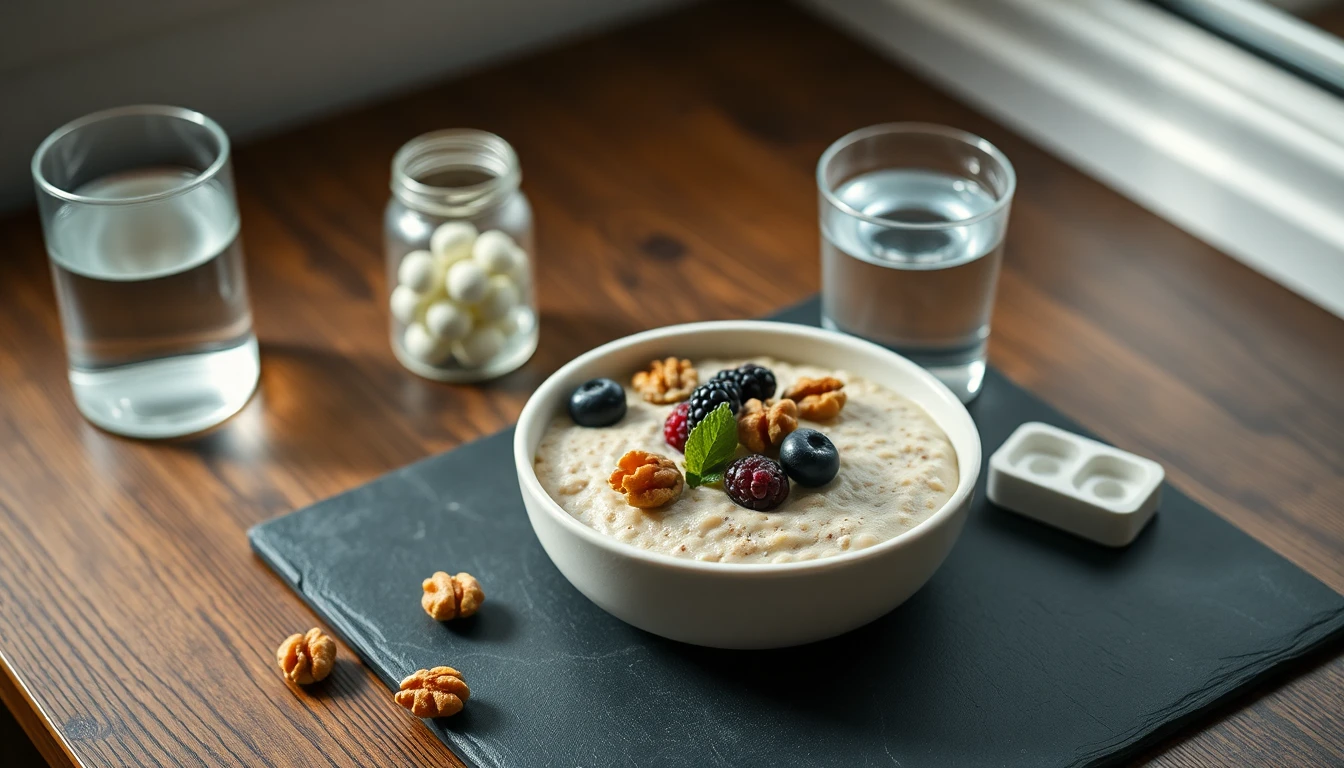
The NHS advice is to take metformin with or just after meals. A cup of tea and a single biscuit is not a meal. Aim for something you would call breakfast, lunch or tea.
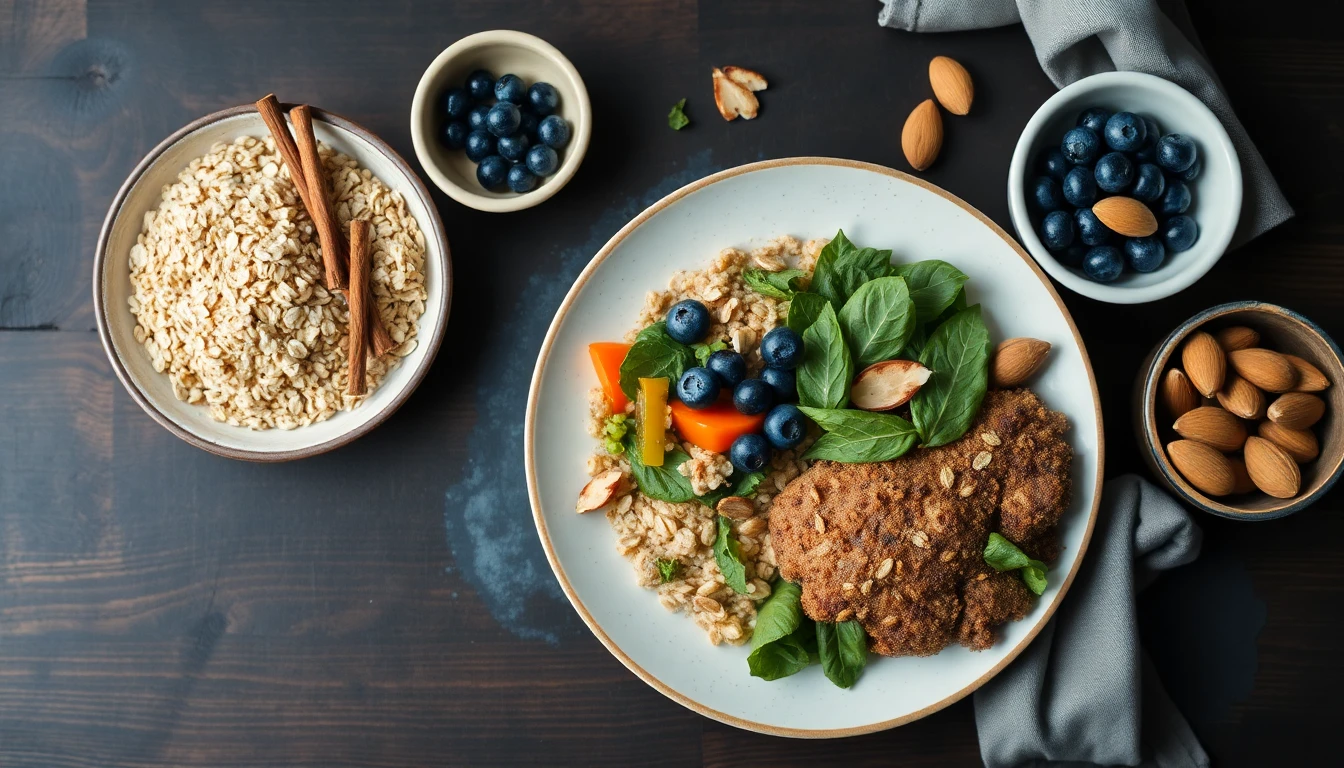
- Porridge with milk and a spoonful of nuts — enough — a proper breakfast with carbohydrate, protein and fat
- Two slices of wholegrain toast with eggs — enough — filling, and the protein slows absorption
- Sandwich or jacket potato with a protein filling — enough — a full meal in the usual sense
- Natural yoghurt with a handful of berries and seeds — usually enough — a light option if your dose is small
- One plain biscuit or a banana alone — probably not enough — little protein or fat, and it may not protect your stomach
- Black coffee or tea only — not enough — nothing to slow the tablet through the gut
Should I take metformin before, during or after a meal?
Take it with the meal or straight after eating, not before. Swallow the tablet in the middle of the meal, or within a few minutes of finishing, so the stomach is cushioned while it dissolves.
If you take tablets two or three times a day, tie each dose to a real meal rather than spacing them by the clock. Having food in your stomach each time matters more than even spacing.
Standard tablets: with each main meal
Standard-release tablets are usually taken two or three times daily with meals. If you only have a light lunch, take that dose with the biggest thing you eat at that meal, and include some protein. If you skip a meal, do not take the tablet on an empty stomach; ask your pharmacist whether to take it later with food or leave that dose.
Modified-release tablets: usually with the evening meal
Modified-release metformin is often taken once a day with the evening meal and tends to cause less stomach upset. Follow the timing on your label. If you take it in the morning, make breakfast a real meal, not just a hot drink.
If you miss a meal
If you forget a dose and remember during the meal, take it then. If it is almost time for the next dose, skip the missed one. Never take two doses together to catch up.
Is a snack enough with metformin, or do I need a full meal?
A substantial snack can be enough, but a small snack is not. It needs carbohydrate plus protein or fat, in a portion you would notice eating. Mornings are the usual sticking point: a hurried slice of toast is the most common cause of avoidable nausea.
While you are building up your dose, a fuller meal is the safer choice as your gut adjusts. Nausea often eases after a couple of weeks. If it does not, speak to your GP or pharmacist about modified-release tablets rather than cutting the dose yourself.
- Full meal — best — most reliable for avoiding nausea, especially in the first weeks or after a dose increase
- Substantial snack (15 to 30 g carbohydrate plus protein) — fine — for example a wholegrain sandwich, or crackers with cheese and fruit
- Small snack (a biscuit, a piece of fruit) — risky — often too little to buffer the tablet
- Nothing — avoid — the highest chance of nausea, cramps and diarrhoea
What are the best foods to eat with metformin?
Low-GI, high-fibre foods are the best fit, because they keep glucose steadier and help metformin work better. The NHS says you can eat as normal while taking metformin, so there is no banned list, but some choices help and some work against the medicine. Our blood sugar control foods guide goes into more depth.
Metformin reduces B12 absorption over years, so regular B12-rich foods help, and it is worth asking for your levels to be checked. Our B12 deficiency guide covers the signs and the sources.
- Oats, barley, lentils and beans — good — slow-release carbohydrate and fibre that blunt glucose spikes
- Wholegrain bread and brown rice — good — lower-GI swaps for refined versions
- Eggs, fish, meat, dairy — good — protein and B12 that also steady the stomach
- Vegetables and salad — good — fibre with very little effect on glucose
- Fortified cereals or yeast extract — good for B12 — useful if you eat little animal food
- White bread — take care — fast-release carbohydrate that spikes glucose; choose wholegrain where you can
What foods and drinks should I limit while taking metformin?
Limit sugary drinks, sugary foods and alcohol; nothing needs to be cut out entirely. Sugary items are not a drug interaction, but they push blood sugar up and work against what metformin is trying to do. Alcohol carries a real safety risk.
Heavy or binge drinking on metformin raises the risk of low blood sugar and, rarely, lactic acidosis. The NHS advice is to limit how much you drink. Moderate drinking with food is generally fine; never drink on an empty stomach.
- Sugary drinks (fizzy drinks, squash, juice) — limit — they raise glucose fast and cancel out the tablet's work
- Sugary foods (sweets, biscuits, cakes) — limit — same effect, and usually too little food to protect your stomach
- Alcohol, moderate and with food — take care — generally fine for most people
- Heavy or binge drinking — avoid — risk of low blood sugar and, rarely, lactic acidosis
- Alcohol on an empty stomach — avoid — the highest-risk way to drink on metformin
How FreshPlate handles metformin meals for you
FreshPlate's free food-medication interaction checker on the website lets you type in metformin, or its brand name, and see the foods to watch in seconds. The app doesn't have a specific metformin rule of its own, so the checker is a starting point, and your pharmacist is the person to ask about your own plate.
When you add metformin to your medication list in the app, every recipe it generates is built around that list. The For you tab on each recipe shows your medicines and, where the checker has quoted the NHS or US FDA words about food for one, shows them word for word with a link to the checker page. Where there is no advice on file yet, it says so and points you to your pharmacist. If you have a condition such as type 2 diabetes, recipes lean towards what public UK guidance (NHS, BDA) says suits it, though the app never claims to treat, prevent or cure anything. If you are comparing treatments, read our piece on metformin alternatives and diet next.
Frequently asked questions
What foods are good to eat when taking sertraline?
+
Sertraline has no food it must be paired with, so a regular balanced diet is fine. It can be taken with or without food; if it upsets your stomach, take it with a meal. Limiting alcohol is sensible, and your pharmacist can advise on your own circumstances.
Does bisoprolol need to be taken with food?
+
No, bisoprolol can be taken with or without food. Most people take it once a day, at the same time each day, in the morning. Our [bisoprolol foods to avoid](/website/blog/bisoprolol-foods-to-avoid/) guide covers anything worth watching.
What are the foods to avoid while taking metformin?
+
No food is banned, but limit sugary drinks, sugary foods and heavy drinking. Swap fast-release carbohydrates such as white bread for wholegrain where you can, and never drink alcohol on an empty stomach.
Can I take metformin on an empty stomach?
+
It is best not to. Without food, the tablet reaches your gut faster, making nausea, cramps and diarrhoea more likely. Take each dose with or just after a meal.
Why does metoprolol need to be taken with food?
+
Food helps your body absorb metoprolol more consistently, so taking it the same way every day gives steadier effects. Check your own label, as advice can differ between the standard and modified-release versions.
Sources
Did this answer your question?
Reece reads every reply. Questions we have not covered become new guides.
Eating around metformin shouldn’t be guesswork.
Get our free metformin food guide by email — the foods to watch, safe swaps, and meal ideas that work with your medication. One genuinely useful email a week — no spam, unsubscribe anytime.
Free forever. You'll also be first in line for the FreshPlate app — with a free trial at launch.