Metformin Meal Planner: 7-Day Diabetes-Friendly Guide
A practical 7-day metformin meal plan with recipes, timing guidance, and blood sugar-friendly meals that help reduce side effects and support better control.

By Reece Douglas · Founder, FreshPlate
Listen to this article
Metformin Meal Planner: 7-Day Diabetes-Friendly Guide
Metformin works best when paired with consistent, low-GI eating. The right meal timing and food choices help the medication work while reducing side effects like stomach upset and diarrhoea.
This 7-day plan gives you ready-to-use recipes and timing guidance built around how metformin works in your body. Each meal supports steady blood sugar and includes foods that help with B12 absorption.
I built FreshPlate's free food–medication interaction checker because people need to know what actually matters for their tablets, in seconds, without scrolling through patient information leaflets. You type metformin, and it shows the foods to prioritise and the ones to limit, cited to prescribing guidance. Inside the app I'm building, every recipe is written around your full medication list — metformin and anything else you take — so you're not left guessing whether a meal works. The shopping list pulls straight from those recipes, and your own foods get measured once then logged in a tap. Head over to the free interaction checker now.
What Is a Metformin Meal Plan?
A metformin meal plan is a structured eating pattern that supports blood sugar control while reducing medication side effects through careful food choices and timing. The plan focuses on low-glycaemic index carbohydrates, high-fibre foods, and regular meal spacing to work with metformin's glucose-lowering action.
Metformin slows glucose absorption in your gut and reduces glucose production in your liver. Foods that release sugar slowly make this process smoother and gentler on your digestive system. Choosing wholegrain over white carbs and spacing meals evenly gives better results with fewer side effects.
- Low-GI carbs — Wholegrain bread, oats, quinoa, sweet potato release glucose gradually
- High-fibre foods — Vegetables, pulses, wholegrains slow digestion and improve metformin's effectiveness
- Regular timing — Eating at consistent times each day helps prevent blood sugar dips
- B12-rich foods — Eggs, fish, fortified cereals counter metformin's effect on B12 absorption over time
What the experts say
“You can eat as normal while taking metformin.”
How to Time Your Meals with Metformin
Take metformin with or just after meals to reduce nausea and stomach upset. Food in your stomach slows absorption slightly, making the medication gentler on your gut lining.
If you take metformin twice daily, space doses roughly 12 hours apart with breakfast and dinner. Once-daily modified-release versions work best with your evening meal. Never take metformin on an empty stomach.
Best Meal Timing Pattern
- Breakfast (7-8am) — Take first metformin dose with a high-fibre, low-GI breakfast
- Mid-morning snack (10-11am) — Optional, helps prevent hunger and steadies blood sugar
- Lunch (12-1pm) — Balanced plate with protein, vegetables, and wholegrain carbs
- Afternoon snack (3-4pm) — Small portion of nuts or fruit if needed
- Dinner (6-7pm) — Take second metformin dose, larger portion of vegetables
- Evening (after 8pm) — Avoid eating close to bedtime to reduce reflux risk
7-Day Metformin Meal Plan
This plan averages 1,800-2,000 calories daily with roughly 40% carbohydrate, 30% protein, and 30% healthy fats. Adjust portions based on your activity level and weight goals. Each day includes B12-rich foods and keeps fibre above 30g.
Day 1
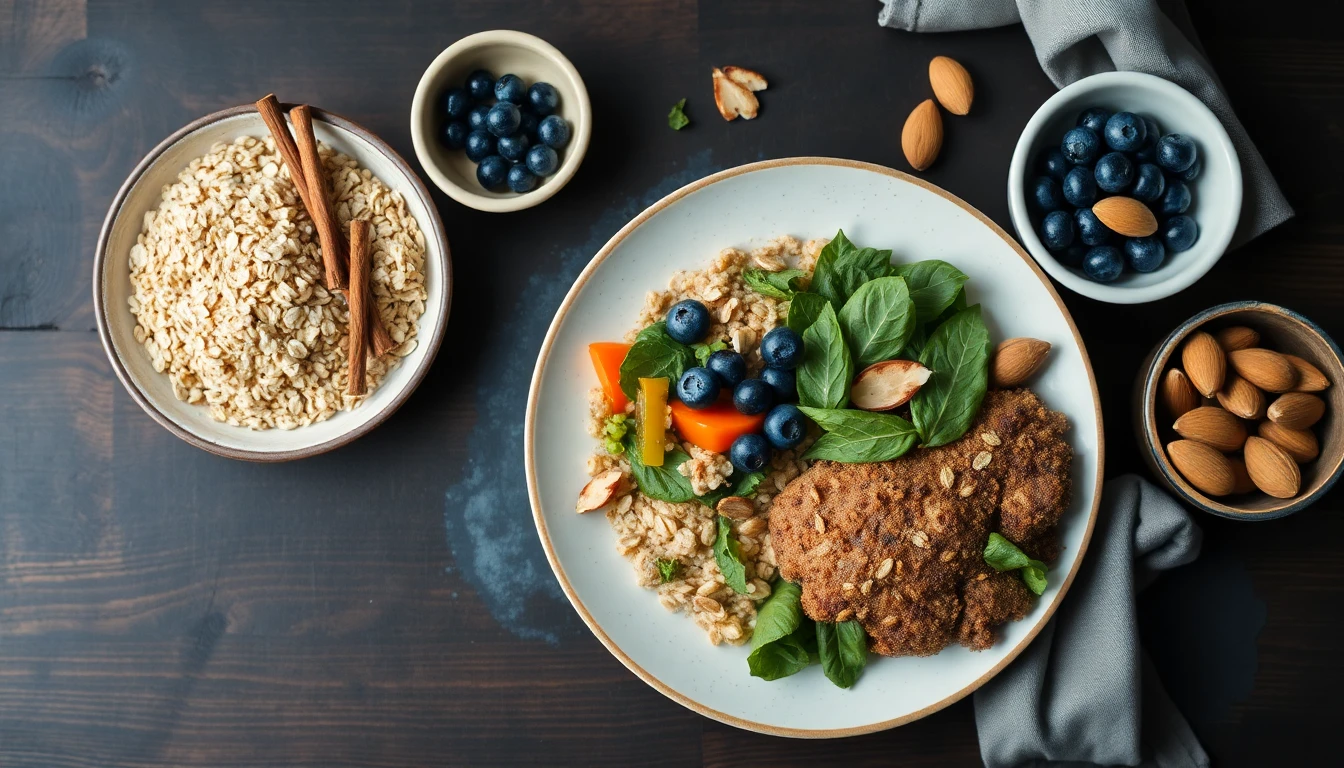
- Breakfast — Porridge made with 50g oats, 200ml semi-skimmed milk, topped with 80g blueberries and 15g ground flaxseed
- Lunch — Lentil and vegetable soup (200g cooked lentils) with 2 oatcakes and 30g reduced-fat cheese
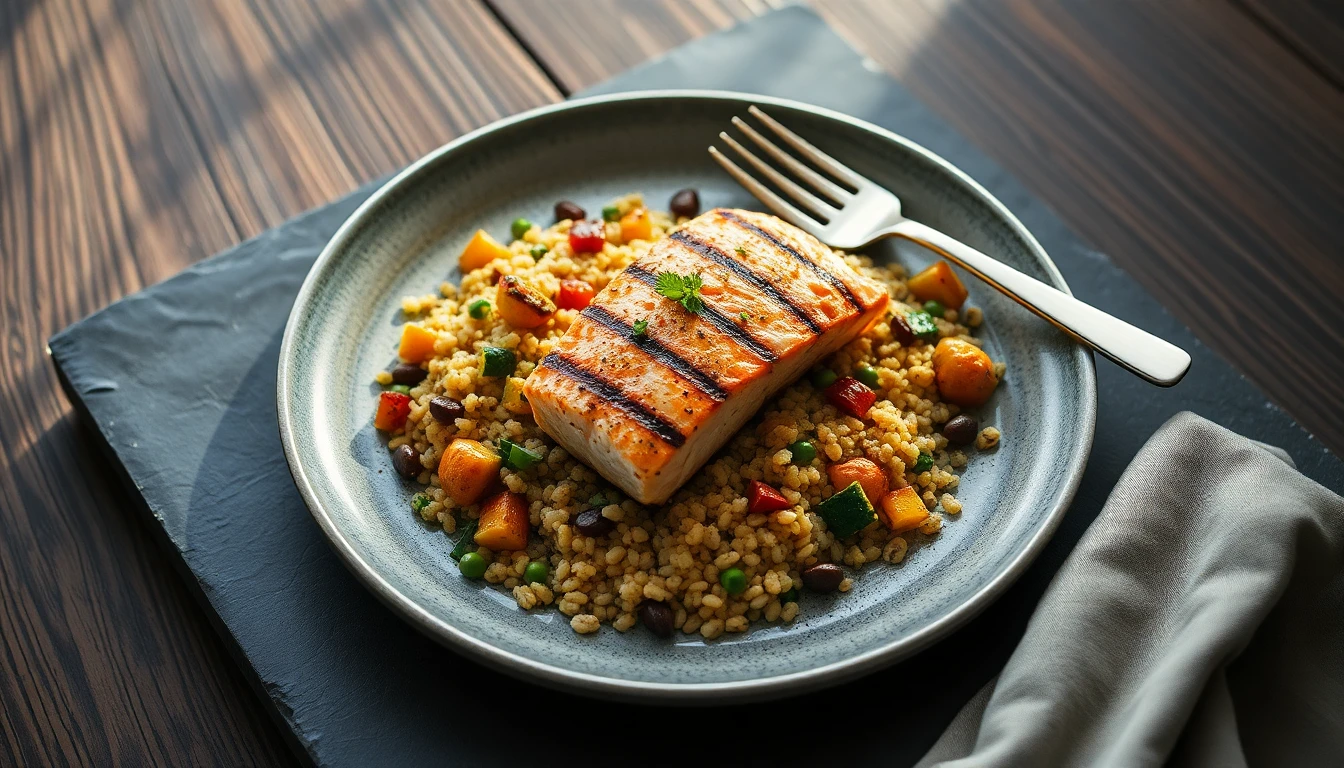
- Dinner — Grilled salmon fillet (120g) with 200g roasted sweet potato, 150g tenderstem broccoli, and 100g cherry tomatoes
- Snack — Small apple with 20g almonds
Day 2
- Breakfast — 2 poached eggs on 2 slices wholegrain toast with 80g mushrooms and 1 grilled tomato
- Lunch — Chicken and quinoa salad: 100g cooked chicken breast, 150g cooked quinoa, mixed leaves, cucumber, peppers, olive oil dressing
- Dinner — Beef and bean chilli (100g lean mince, 200g kidney beans) with 200g cauliflower rice and 50g avocado
- Snack — 150g natural yoghurt with 10g pumpkin seeds
Day 3
- Breakfast — Wholegrain toast (2 slices) with 100g smoked mackerel and 80g grilled tomatoes
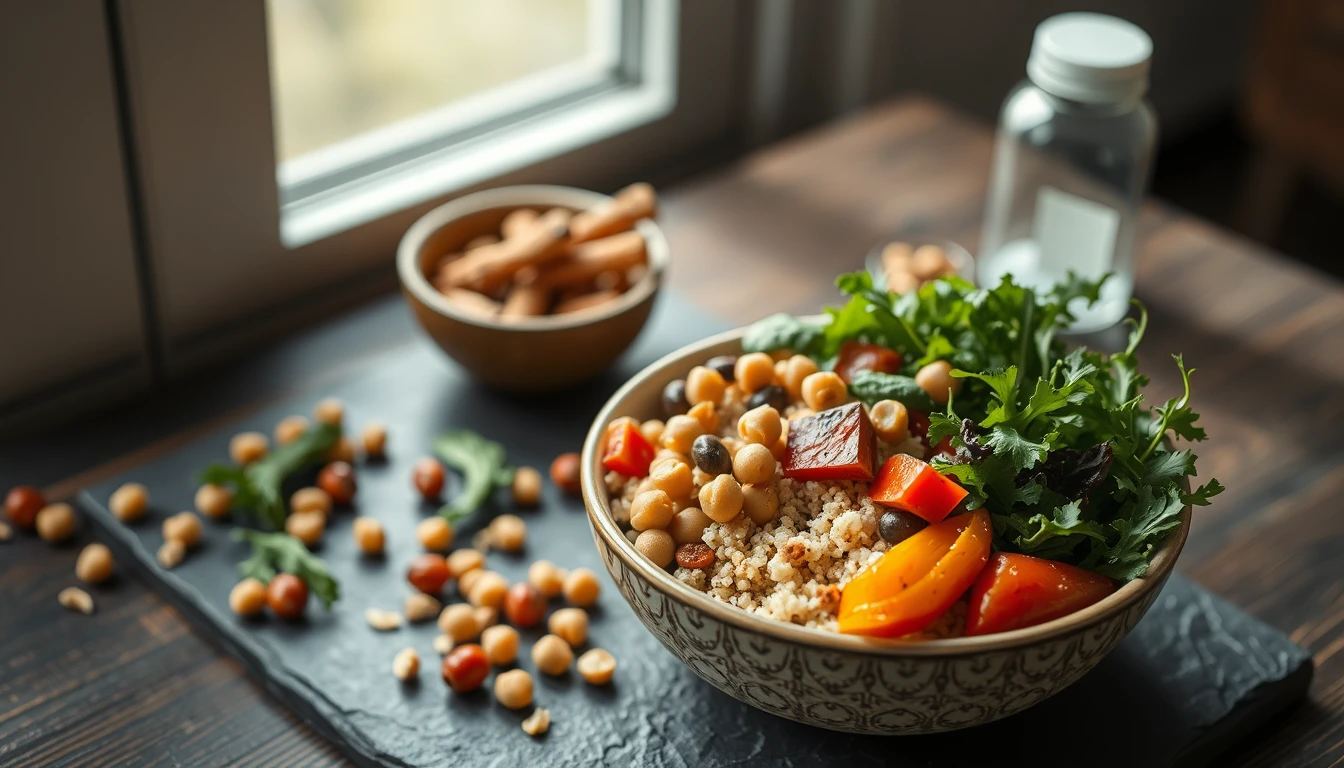
- Lunch — Vegetable and chickpea curry (200g chickpeas, spinach, tomatoes) with 150g brown rice
- Dinner — Baked cod (120g) with 200g Mediterranean vegetables and 150g new potatoes in skins
- Snack — 2 oatcakes with 20g peanut butter
Day 4
- Breakfast — Greek yoghurt (200g) with 40g granola (low-sugar), 100g strawberries, and 10g chia seeds
- Lunch — Turkey and vegetable wrap: wholemeal tortilla, 80g turkey slices, hummus, lettuce, peppers, grated carrot
- Dinner — Vegetable stir-fry with 100g tofu, mixed vegetables, 30g cashews, and 150g brown rice noodles
- Snack — Pear with 15g walnuts
Day 5
- Breakfast — Scrambled eggs (2 eggs) with 50g smoked salmon, 1 slice wholegrain toast, and handful of spinach
- Lunch — Minestrone soup with 100g cannellini beans, wholemeal roll, and side salad
- Dinner — Grilled chicken breast (120g) with 200g ratatouille and 150g pearl barley
- Snack — 30g mixed nuts and 1 small orange
Day 6
- Breakfast — Bircher muesli: 50g oats soaked overnight in 150ml milk, topped with grated apple and 15g mixed seeds
- Lunch — Baked sweet potato (200g) with 100g tuna, sweetcorn, and mixed salad
- Dinner — Lamb and vegetable casserole (100g lean lamb, carrots, swede, pearl barley) with 150g green beans
- Snack — 2 rye crispbreads with 30g cottage cheese and cucumber
Day 7
- Breakfast — Wholegrain pancakes (made with 50g wholemeal flour, 1 egg, milk) with 100g raspberries and 100g natural yoghurt
- Lunch — Three-bean salad (mixed beans 200g total) with feta cheese (30g), olive oil dressing, and 1 wholemeal pitta
- Dinner — Baked trout (120g) with 200g roasted root vegetables and 100g quinoa
- Snack — Small banana with 15g almond butter
Foods That Work Well with Metformin
Metformin has no direct food interactions that stop it working. The NHS confirms you can eat normally while taking metformin. Choosing foods that support steady blood sugar makes the medication more effective and reduces side effects.
High-fibre, low-GI foods slow glucose release into your bloodstream, which metformin aims to achieve. This combination gives better blood sugar control with a lower metformin dose in many cases. Including foods rich in chromium and fibre may offer additional blood sugar support.
- Wholegrain bread and pasta — Fine — Actively helpful — slow glucose release supports metformin's action
- Oats and barley — Fine — Actively helpful — soluble fibre improves insulin sensitivity
- Pulses and lentils — Fine — Actively helpful — very low GI, high protein and fibre
- Non-starchy vegetables — Fine — Eat freely — minimal effect on blood sugar, high in nutrients
- Eggs, fish, poultry — Fine — Actively helpful — B12 sources counter long-term absorption reduction
- Nuts and seeds — Fine — Actively helpful — slow digestion, improve satiety
- White bread and rice — Take care — Fast-release carbs spike glucose and work against metformin
- Sugary drinks and sweets — Take care — Push blood sugar up and directly oppose medication
- Alcohol — Take care — Moderate drinking with food generally OK, but heavy or binge drinking risks lactic acidosis and hypos
B12-Rich Foods to Prioritise
Metformin reduces B12 absorption over months and years of use through reduced intrinsic factor in your gut. Eating B12-rich foods regularly helps, though some people still need supplements after blood tests confirm deficiency.
- Salmon, mackerel, trout — 4-5 micrograms B12 per 100g portion
- Eggs — 1.5 micrograms per 2 eggs
- Fortified breakfast cereals — Check labels, often 1-2 micrograms per serving
- Lean beef — 2 micrograms per 100g
- Milk and yoghurt — 0.5-1 microgram per 200ml serving
Managing Metformin Side Effects Through Diet
Nausea, diarrhoea, and stomach cramps affect up to 30% of people starting metformin. These usually settle within 2-4 weeks, but food choices make a difference during that adjustment period.
Taking metformin with food rather than before reduces nausea significantly. Starting with smaller portions and building up helps your gut adapt. Avoiding fatty or spicy meals in the first few weeks gives your digestive system less work while it adjusts.
- Take with food — Always take tablets during or just after eating
- Start gentle — Plain, lower-fat meals in week one reduce stomach upset
- Increase fibre slowly — Add an extra 5g fibre every few days rather than all at once
- Stay hydrated — 1.5-2 litres water daily helps if you have diarrhoea
- Avoid large portions — Smaller, frequent meals are easier to digest
- Limit fatty foods — High-fat meals can worsen nausea and diarrhoea initially
When to Seek Medical Advice
Severe or persistent diarrhoea lasting beyond 4 weeks needs review by your GP. Unexplained muscle pain, unusual tiredness, or difficulty breathing could signal lactic acidosis (very rare but serious) and requires urgent medical attention.
How FreshPlate Can Support Your Metformin Meal Plan
FreshPlate's free interaction checker on the website lets you type in metformin, or a brand name, and see the foods to watch in seconds. It is a quick way to check before you plan your week, and your pharmacist is always the person to ask about anything you are unsure of.
In the app, every recipe it generates is built around your own medication list, and the For you tab on each recipe lists your medicines. For some of them it opens the NHS or US FDA words about food, quoted word for word, with a link to the checker page; for others it says there is no advice on file yet and points you to the pharmacist. For a condition like type 2 diabetes, the app steers rather than prescribes: recipes lean towards what public UK guidance (NHS, BDA) says suits the condition. The For you tab also shows why a recipe suits your goal and whether it fits what is left of your day, and the recipes you keep go onto a shopping list.
Frequently asked questions
What is a good meal plan for metformin users?
+
A good meal plan for metformin users includes low-GI carbohydrates like wholegrain bread and oats, high-fibre foods such as vegetables and pulses, regular meal timing with medication taken during or after eating, and B12-rich foods like eggs and fish to counter long-term absorption reduction.
Should I take metformin before or after meals?
+
Take metformin with or just after meals, not before. Food in your stomach reduces nausea and stomach upset by slowing absorption. Never take metformin on an empty stomach.
Can I drink alcohol while taking metformin?
+
Moderate drinking with food is generally acceptable, but heavy or binge drinking while taking metformin raises the risk of lactic acidosis and low blood sugar. Never drink alcohol on an empty stomach when taking metformin.
What foods should I avoid on metformin?
+
No foods are completely forbidden on metformin, but limit sugary drinks and foods that spike blood sugar as they work against the medication. Swap white bread, white rice, and other fast-release carbs for wholegrain, low-GI versions where possible.
Does metformin affect vitamin B12 levels?
+
Metformin reduces B12 absorption over months and years of use. Eat B12-rich foods like fish, eggs, and fortified cereals regularly and ask your GP to check your B12 levels annually if you have been taking metformin long-term.
Sources
Did this answer your question?
Reece reads every reply. Questions we have not covered become new guides.
Enjoyed these? There’s more where they came from.
Get fresh metformin recipes and meal ideas by email — practical, healthy, and built for real weeknights. One genuinely useful email a week — no spam, unsubscribe anytime.
Free forever. You'll also be first in line for the FreshPlate app — with a free trial at launch.