Should Carbamazepine Be Taken With Food? Complete Guide
Should carbamazepine be taken with food? Yes, with meals. Learn why, what to avoid (grapefruit, alcohol), and why steady timing matters for seizure control.

By Reece Douglas · Founder, FreshPlate
Listen to this article
Should Carbamazepine Be Taken With Food? Complete Guide
Yes, you should take carbamazepine with meals. The product information says so directly, and food helps with the nausea and stomach upset this medicine can cause.
Two other things matter just as much: taking doses at the same times every day, and keeping grapefruit out of your diet completely. This guide covers all three, plus alcohol, how to swallow tablets, and what to do if you miss a dose.
Here is what I'd do, going by the guide. Pick the meals you reliably eat, usually breakfast and an evening meal if you take it twice a day, and take your carbamazepine with them every day. It doesn't need to be a big meal; porridge or a sandwich is enough. If you can't manage a full meal, have something rather than nothing, and speak to your pharmacist if the stomach upset carries on. A weekly pill organiser and a phone alarm remove most of the guesswork. And cross grapefruit and its juice off the shopping list completely, because the NHS says they can increase your chance of side effects.
Should carbamazepine be taken with food?
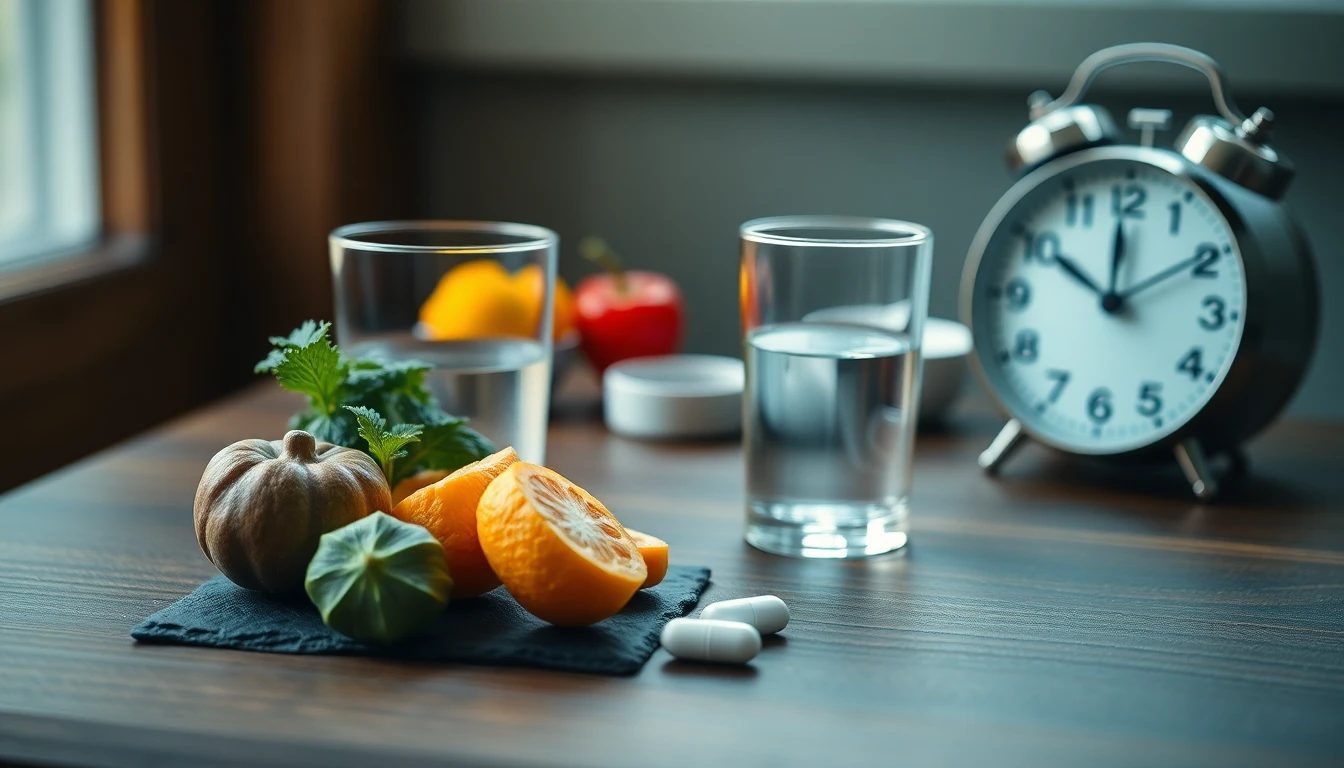
Yes, carbamazepine should be taken with meals. The US product label states: "Medication should be taken with meals." Food does not stop the medicine working. Its main benefit is comfort, because carbamazepine can cause nausea, vomiting and stomach upset, particularly when you first start it or when your dose is increased.
A meal does not have to be large. A bowl of porridge, a sandwich or a proper breakfast is enough. What matters is that the tablet goes down with food rather than on an empty stomach, and that you do it the same way every day.
- With a meal — recommended — the label says to take it with meals, and food reduces the chance of stomach upset
- On an empty stomach — not advised — more likely to cause nausea and vomiting, especially at the start of treatment
- With a small snack only — better than nothing — if you cannot manage a full meal, take it with something rather than nothing, and check with your pharmacist if upset persists
What the experts say
“Do not drink grapefruit juice or eat grapefruit while taking carbamazepine as it can increase your chance of side effects.”
Why consistent timing matters for seizure control
Carbamazepine works by keeping a steady level of the drug in your blood. Large swings, whether from missed doses, doubled-up doses or wildly varying times, can leave you under-protected or over-dosed. Under-protection raises the risk of seizures. Too much brings side effects such as dizziness, blurred or double vision, drowsiness and unsteadiness.
Tie your doses to fixed mealtimes. If you take it twice a day, breakfast and evening meal work well for most people. If you are prescribed three or four doses, link them to meals and a bedtime snack. A weekly pill organiser and a phone alarm remove most of the guesswork.
Keep meals regular too
If your meal times drift, your dose times tend to drift with them. Try to eat at similar times each day, particularly on shift patterns or at weekends. If your working pattern changes, speak to your epilepsy nurse or pharmacist before shifting your dosing schedule rather than adjusting it yourself.
What to do if you miss a dose
Do not double up to catch up. Follow your patient information leaflet or ask your pharmacist, as the right advice depends on which formulation you take and how long it has been. Never stop carbamazepine suddenly without medical advice, as this can trigger seizures.
Foods to avoid when taking carbamazepine
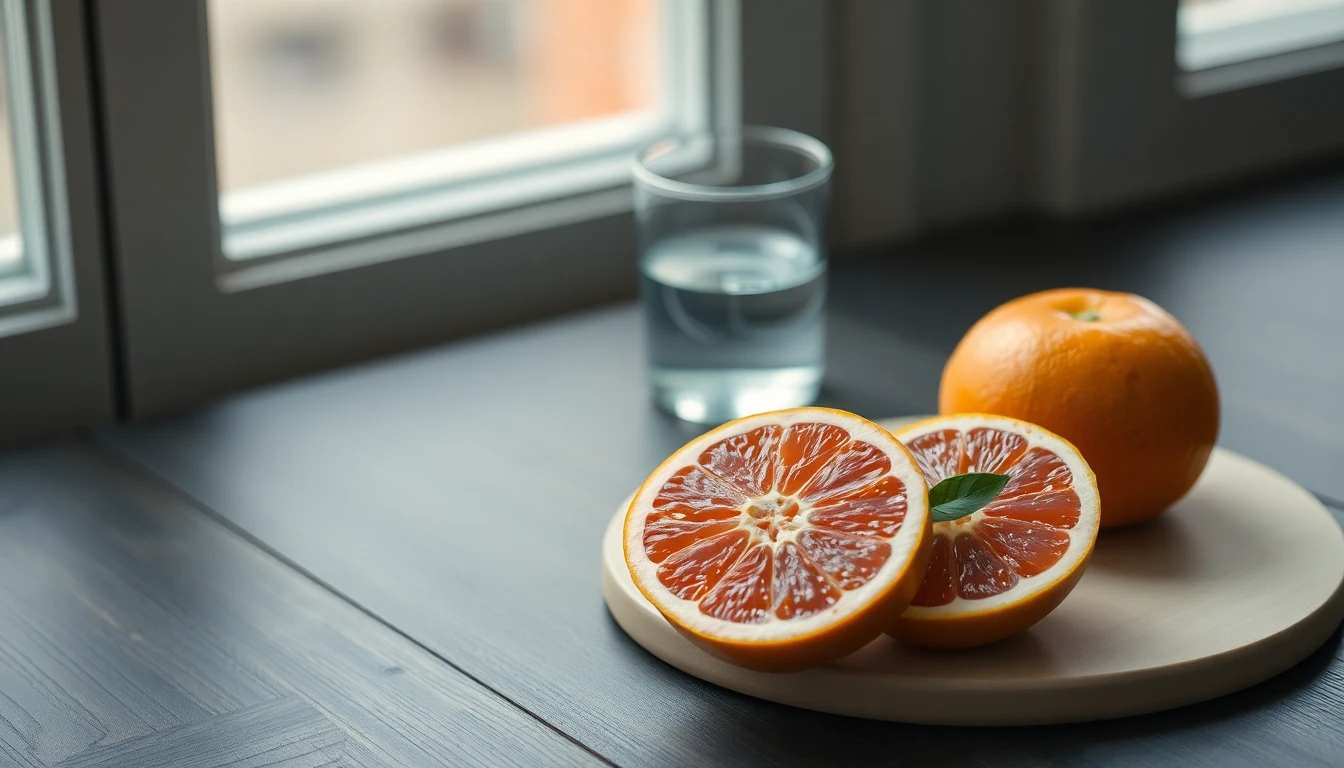
Grapefruit is the one food to avoid completely. The NHS advises: "Do not drink grapefruit juice or eat grapefruit while taking carbamazepine as it can increase your chance of side effects." The US product label lists grapefruit juice among the things that increase plasma carbamazepine levels. In practice, that means more drowsiness, dizziness, double vision and unsteadiness than your dose would normally cause.
Grapefruit's effect on drug levels can last well beyond the time you consume it, so there is no safe gap between the fruit and the tablet. Leave it out in all forms: fresh fruit, juice, and drinks or desserts that contain it. Check labels on mixed juices and fruit salads.
- Grapefruit — avoid — raises carbamazepine levels and your chance of side effects
- Grapefruit juice — avoid — same effect, and easy to miss in mixed juices
- Alcohol — take care — can affect you more than usual and add to drowsiness and dizziness
- Water — fine — swallow tablets whole with some water
- Normal balanced meals — fine — nothing else in an ordinary diet is singled out in the official sources
Alcohol and carbamazepine
Alcohol is not strictly forbidden, but it is a risk. The NHS says: "It's best not to drink alcohol while you're taking carbamazepine because it may affect you more than usual." The US label similarly advises caution because of a possible additive sedative effect.
Both carbamazepine and alcohol can make you drowsy and dizzy, so the combined effect may be strong. That matters for driving, cycling, climbing stairs and anything else that needs balance and alertness. Alcohol can also interfere with sleep and, in some people with epilepsy, with seizure control. If you do drink, talk it through with your prescriber first, and see our guide to amitriptyline and alcohol risks for a similar example of how sedating medicines and drinking interact.
Swallowing tablets and other medicines to watch
Swallow standard tablets whole with some water. Chewable tablets can be chewed or swallowed whole with water. Do not crush or split a tablet unless your pharmacist tells you your product allows it, as prolonged-release versions are designed to release the drug slowly.
Grapefruit is not the only thing that can raise carbamazepine levels. The US label lists several medicines that increase them, including macrolide antibiotics such as erythromycin and clarithromycin, azole antifungals such as fluconazole, verapamil, diltiazem, fluoxetine and omeprazole. If you are prescribed any new medicine, including a short course of antibiotics, tell the prescriber or pharmacist you take carbamazepine. Grapefruit also interacts with some blood pressure medicines, as covered in our piece on calcium channel blockers and grapefruit.
- Clarithromycin and erythromycin — raise levels — ask your prescriber about alternatives or extra monitoring
- Fluconazole and other azoles — raise levels — tell your prescriber before starting
- Verapamil and diltiazem — raise levels — your dose may need review
- Over-the-counter and herbal products — check first — ask a pharmacist before adding anything new
How FreshPlate handles this for you
FreshPlate builds recipes around your medications, so if carbamazepine is on your list, grapefruit and grapefruit juice are excluded from your plans automatically, and meals are suggested at regular times that suit a fixed dosing routine. You can check any food or drink in seconds with FreshPlate's free food and medication interaction checker.
This guide is general information, not personal medical advice. Your epilepsy specialist, GP or pharmacist knows your dose, formulation and history, so ask them before changing how or when you take carbamazepine.
Frequently asked questions
Should I take clarithromycin with food?
+
Clarithromycin can be taken with or without food, and food may ease stomach upset. If you also take carbamazepine, tell your prescriber first, because clarithromycin can raise carbamazepine levels and may need extra monitoring or an alternative.
Should valsartan be taken with food?
+
Valsartan can be taken with or without food, but try to take it the same way each day. Check your patient information leaflet or ask your pharmacist if you are unsure.
What foods should be avoided when taking carbamazepine?
+
Avoid grapefruit and grapefruit juice completely, because they raise carbamazepine levels and increase side effects. Alcohol needs care, as it can add to drowsiness and dizziness.
Can I take carbamazepine on an empty stomach?
+
It is not advised. The product label says to take it with meals, and an empty stomach makes nausea and stomach upset more likely.
Does the time of day matter for carbamazepine?
+
The exact clock time matters less than consistency. Take each dose at the same times every day, usually linked to meals, so your blood levels stay steady and seizure protection is maintained.
Sources
Did this answer your question?
Reece reads every reply. Questions we have not covered become new guides.
Eating around carbamazepine shouldn’t be guesswork.
Get our free carbamazepine food guide by email — the foods to watch, safe swaps, and meal ideas that work with your medication. One genuinely useful email a week — no spam, unsubscribe anytime.
Free forever. You'll also be first in line for the FreshPlate app — with a free trial at launch.