Should Gliclazide Be Taken With Food? Diabetes Guide
Should gliclazide be taken with food? Learn why meal timing matters, how to avoid low blood sugar, and the difference between standard and modified release.
By Reece Douglas · Founder, FreshPlate
Listen to this article
Should Gliclazide Be Taken With Food? Diabetes Guide
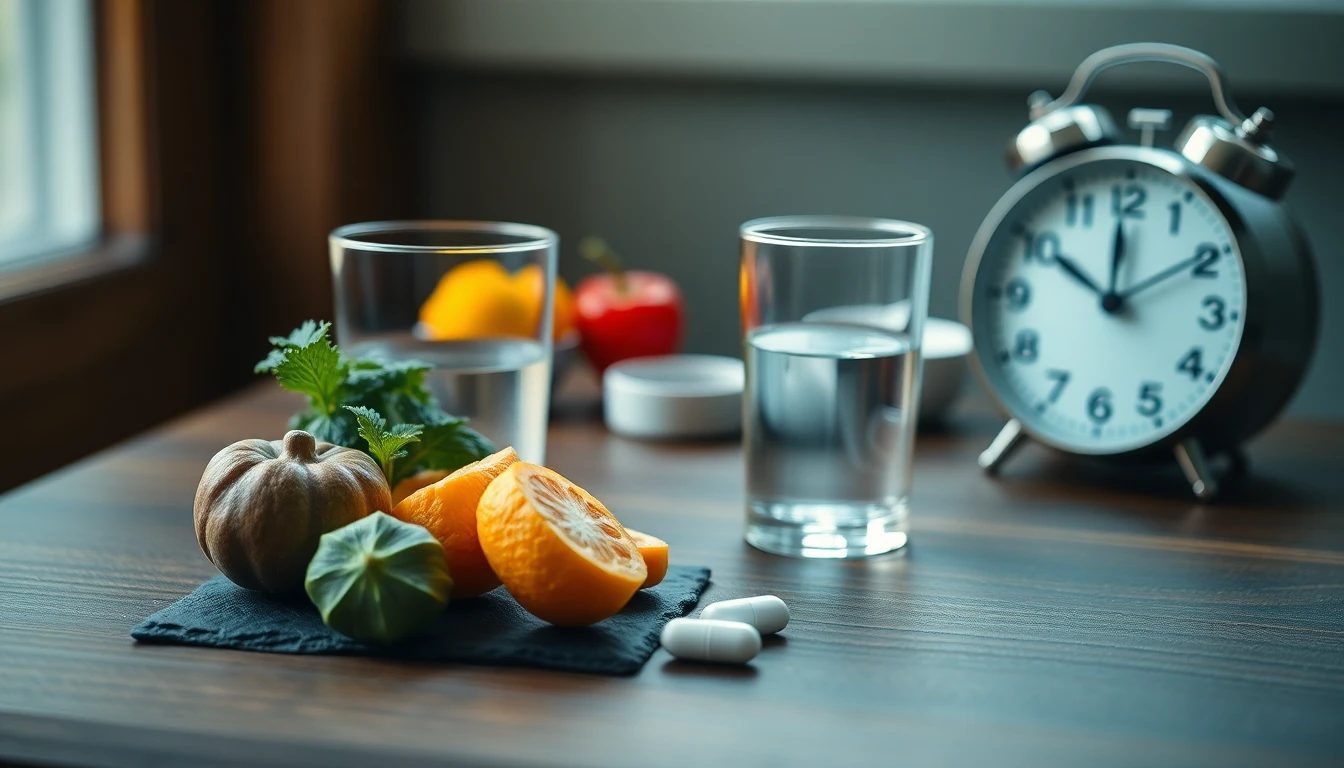
Yes, take gliclazide with or just after a meal. The NHS advises taking your tablets after a meal to help avoid stomach problems, and for most people that means breakfast.
Food matters for a second reason: gliclazide pushes your pancreas to release insulin whether or not you have eaten. This guide covers when to take it, what to do if you miss a meal, and how standard and modified release tablets differ.
When people ask whether gliclazide goes with food, they usually want a simple yes or no. The answer is yes, but the reason matters more than the rule. Taken with or after a meal, it is kinder on your stomach, and it gives the insulin it prompts something to work against. Taken without food, the tablet still lowers your blood sugar, which is where a hypo comes from. I wrote this guide so the reason sticks, because a rule you understand is one you'll keep following on a busy morning.
Should gliclazide be taken with food?
Yes, take gliclazide with or straight after a meal. The NHS says to take your tablets after a meal to help avoid stomach problems, and most pharmacy labels carry the same instruction.
Food matters for two separate reasons. The first is comfort: taking the tablet on an empty stomach can cause nausea or an upset stomach in some people. The second is safety: gliclazide is a sulfonylurea, which stimulates the pancreas to release insulin. If that insulin has no meal to work against, your blood sugar can drop too low.
The safety point matters most. Eating with the tablet does more than settle your stomach: it gives the extra insulin some glucose to work on.
- With or just after breakfast — recommended — this is the standard advice and matches how modified release tablets are normally taken
- After a meal — recommended — the NHS wording, and it reduces stomach upset
- On an empty stomach — avoid — more likely to cause nausea, and risks a hypo if you then delay eating
- With a snack only — acceptable for stomach comfort — but check with your pharmacist if your usual dose is meant to go with a full meal
What the experts say
“It's best not to drink alcohol while taking gliclazide because it can affect your blood sugar level.”
Why breakfast is the usual anchor
Breakfast is the usual anchor because it is easy to remember and easy to link to a meal that happens at roughly the same time each day. A fixed routine also makes your blood sugar more predictable, which is the whole point of the medication.
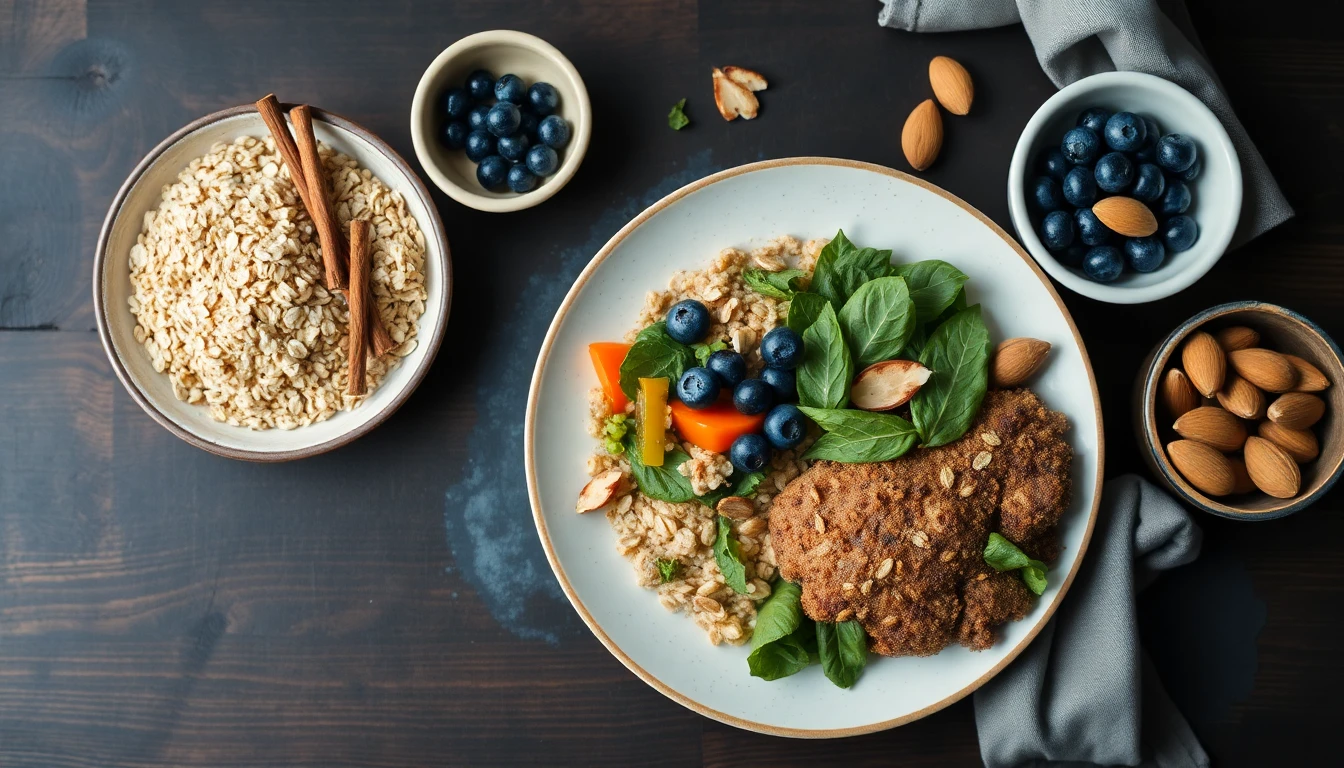
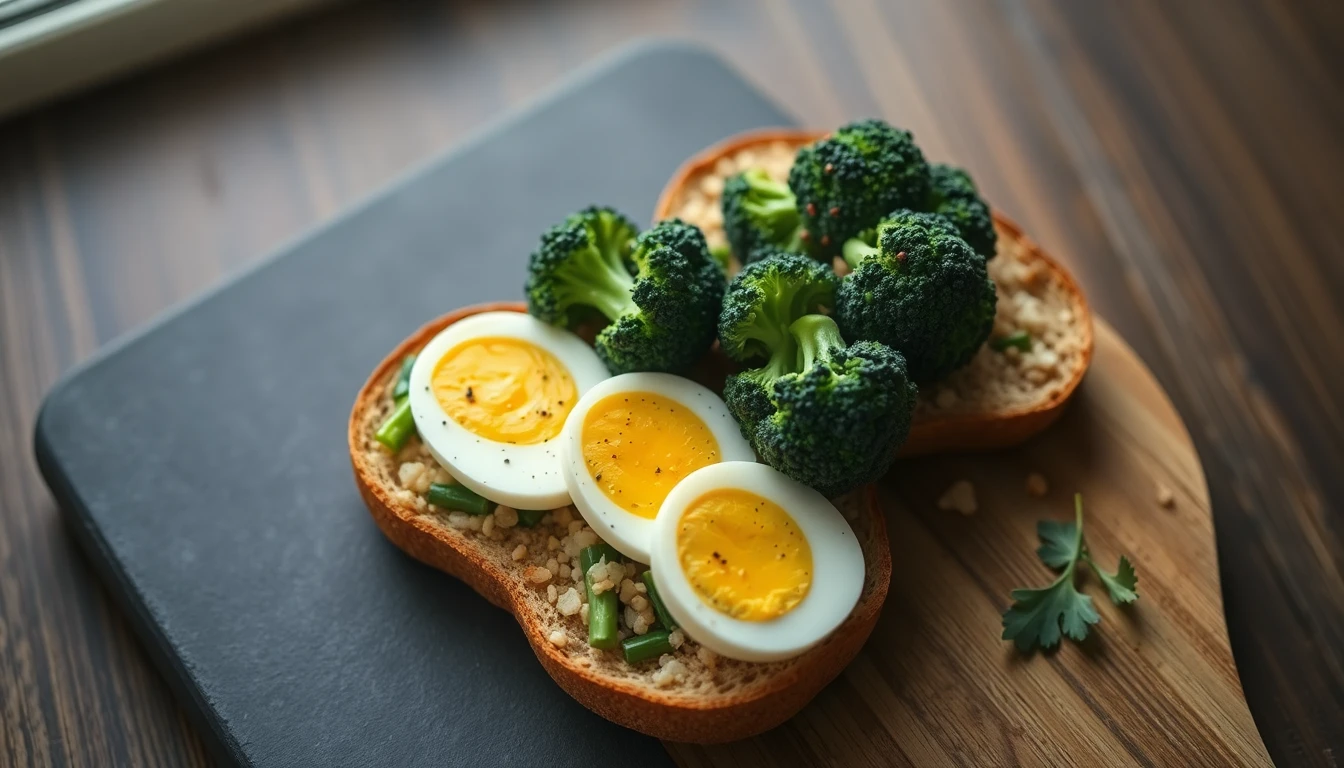
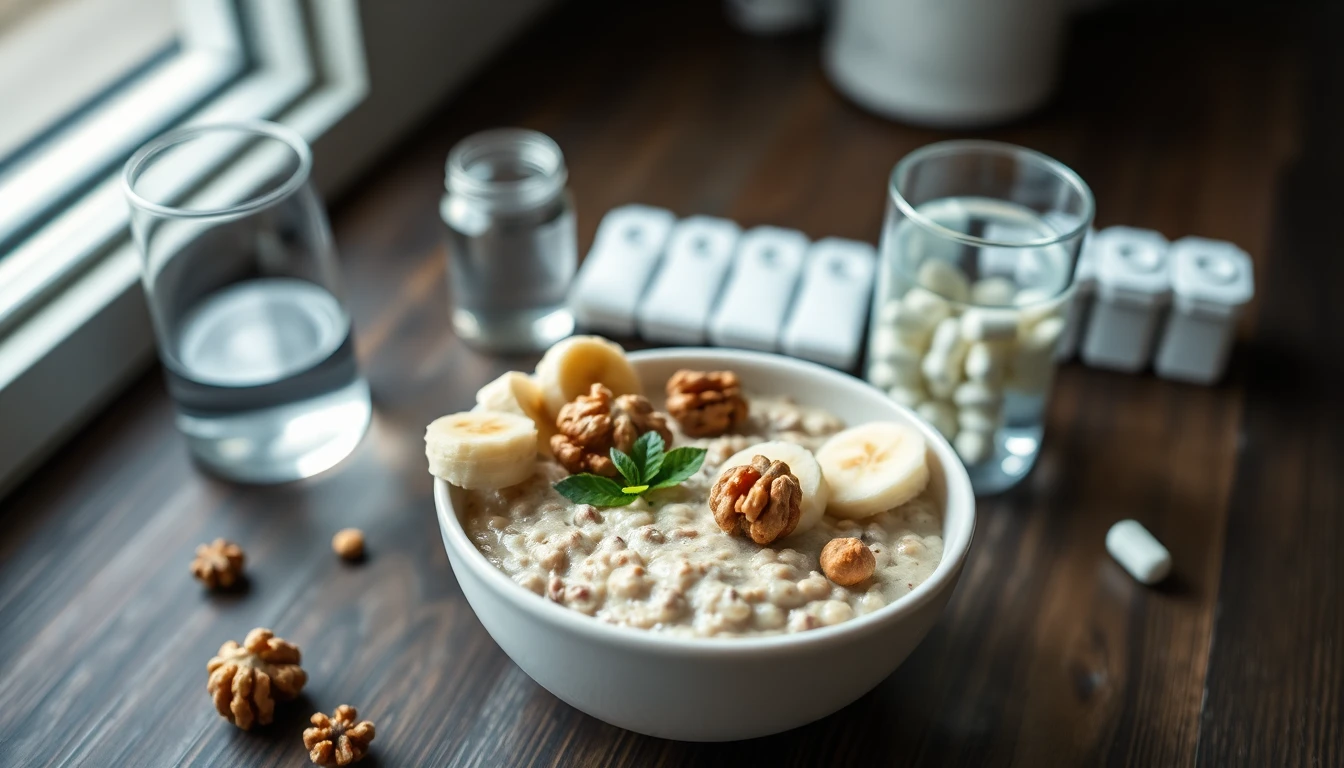
A realistic breakfast on gliclazide includes some carbohydrate, so the tablet has something to work with, and some protein or fibre to slow the rise. Porridge with nuts, wholegrain toast with eggs, or plain yoghurt with berries all fit. Our guide to blood sugar control foods goes through what steadies glucose after meals.
If you are not hungry in the morning
Do not take the tablet and skip breakfast. If you cannot face a full meal, have something small but real, such as a slice of toast with peanut butter or a small bowl of cereal with milk, and take the tablet with it. If this keeps happening, tell your GP or diabetes nurse. The dose or timing may need changing, and that is a prescriber's decision, not one to make yourself.
If you do shift work or eat late
Tie the tablet to your first main meal of the day, not to the clock. If your day starts at 2pm, the tablet goes with that first meal. Tell your prescriber about the pattern so they can advise on the dose and the timing.
Does skipping a meal cause a hypo on gliclazide?
Yes, skipping or delaying a meal after taking gliclazide can cause hypoglycaemia (a hypo), because the tablet keeps lowering blood sugar whether or not you eat. Hypoglycaemia is the main risk of gliclazide, much more so than with metformin.
Early signs are hunger, sweating, shakiness, a fast heartbeat, headache and feeling irritable or confused. If you get these, act straight away rather than waiting to see whether they pass.
The NHS advice for a hypo is to eat or drink something sugary to raise your blood sugar level quickly. Sugary food is not forbidden on gliclazide; in this situation it is the treatment.
- Glucose tablets or a small glass of fruit juice — fine — fast-acting sugar to treat a hypo
- Regular sugary drink (not diet) — fine — treats a hypo quickly
- Follow-up snack such as a sandwich or biscuits — sensible — helps stop blood sugar falling again once the first sugar wears off
- Chocolate — slower — the fat slows absorption, so it is not the best first choice for treating a hypo
What to do if you have taken the tablet but cannot eat
If you are ill, vomiting or unable to eat after taking a dose, contact your GP, pharmacist or NHS 111 for advice that day. Do not carry on as normal. Keep fast-acting sugar with you, and check your blood sugar if you have a meter.
When a hypo is an emergency
If someone is drowsy, confused, cannot swallow safely or loses consciousness, call 999. Do not put food or drink in the mouth of someone who is not fully alert.
Modified release vs standard gliclazide: does timing differ?
Yes, a little. Standard gliclazide tablets are usually taken with meals, and the dose may be split between breakfast and the evening meal. Modified release tablets release the drug slowly over about 24 hours, so they are normally taken once a day with breakfast.
Check your box or patient leaflet to see which you have, because the two are not interchangeable milligram for milligram. A modified release 30 mg tablet is not the same as a standard 80 mg tablet in how it is taken or how it behaves. Never swap one for the other without your prescriber's say-so.
Swallow modified release tablets whole, or halve them only if the leaflet allows it. Do not crush or chew them unless your pharmacist confirms it is acceptable for your brand.
- Standard tablets — take with or after meals — often one or two doses a day, timed to the meal, so a missed meal can mean a missed dose
- Modified release tablets — take with breakfast — a single daily dose designed to work across the day
- Missed dose, standard — ask your pharmacist — usually you skip it rather than double up, but follow the leaflet for your brand
- Missed dose, modified release — take it when you remember that day if you have eaten, but never take two doses on the same day to catch up
Alcohol, other foods and everyday habits on gliclazide
Take care with alcohol. The NHS says it is best not to drink alcohol while taking gliclazide because it can affect your blood sugar level. Alcohol can lower blood sugar, and it can hide the warning signs of a hypo because the symptoms look like being drunk.
If you do drink, never do it on an empty stomach, keep to small amounts, and eat carbohydrate with it. A hypo can happen hours later, including overnight. Our post on amitriptyline and alcohol shows how to think about the same question for a different drug.
Beyond alcohol, there is no long list of forbidden foods for gliclazide. The practical rules are regular meals, sensible portions of carbohydrate and no long stretches without eating. A long walk or a gym session can lower your blood sugar further, so you may need a snack before or after.
- Alcohol — take care — can lower blood sugar and mask hypo symptoms, so avoid it where you can and never drink on an empty stomach
- Sugary food or drink — fine when treating a hypo — fast sugar is the correct response, not something to avoid
- Regular meals — essential — the tablet keeps working whether or not you eat
- Long gaps between meals — avoid — raises hypo risk, especially after exercise
Other medicines can change gliclazide's effect
Some medicines can raise or lower the effect of gliclazide, including certain antibiotics, antifungals and anti-inflammatory painkillers. Always tell the pharmacist you take gliclazide before buying anything over the counter or starting a new prescription. FreshPlate's free food and medication interaction checker lets you look up your own combination in seconds.
How FreshPlate handles gliclazide meal timing for you
FreshPlate builds your weekly recipes around the medicines you take. If you tell the app you are on gliclazide, it plans regular breakfasts with carbohydrate and protein to take the tablet with, adds a snack option for long gaps, and keeps alcohol and meal-skipping prompts front and centre.
It does not replace your diabetes team. Your dose, your targets and what to do about your own hypos remain decisions for your GP, nurse or pharmacist. The app takes care of the daily question of what to eat and when, so the tablet always has a proper meal to go with.
Frequently asked questions
Should gliclazide be taken with food?
+
Yes, take gliclazide with or just after a meal, usually breakfast. The NHS advises taking your tablets after a meal to help avoid stomach problems, and eating also reduces the risk of low blood sugar.
Can I take gliclazide on an empty stomach?
+
It is best not to. On an empty stomach the tablet is more likely to upset your stomach, and if you then delay eating, your blood sugar can drop too low. If you cannot eat, speak to your GP, pharmacist or NHS 111 for advice that day.
What happens if I take gliclazide and skip a meal?
+
You risk a hypo, because gliclazide keeps lowering blood sugar whether or not you eat. If you feel shaky, sweaty or confused, eat or drink something sugary straight away, as the NHS advises, then follow with a snack.
Is it safe to drink alcohol on gliclazide?
+
It is best not to. The NHS says alcohol can affect your blood sugar level while you take gliclazide, and it can mask the signs of a hypo. If you do drink, keep it small and always have food with it.
Sources
Did this answer your question?
Reece reads every reply. Questions we have not covered become new guides.
Eating around gliclazide shouldn’t be guesswork.
Get our free gliclazide food guide by email — the foods to watch, safe swaps, and meal ideas that work with your medication. One genuinely useful email a week — no spam, unsubscribe anytime.
Free forever. You'll also be first in line for the FreshPlate app — with a free trial at launch.