Ozempic Diet: What to Eat (and Avoid) for Best Results
Evidence-based guide to eating on Ozempic or Wegovy. Learn which foods support weight loss, reduce side effects, and protect muscle mass on semaglutide.

By Reece Douglas · Founder, FreshPlate
Listen to this article
Ozempic Diet: What to Eat (and Avoid) for Best Results
If you've been prescribed Ozempic (semaglutide) for type 2 diabetes or Wegovy for weight management, you've likely noticed it changes how you feel about food. These GLP-1 receptor agonists reduce appetite and slow stomach emptying, which means what you eat becomes more important than ever. With a smaller appetite, every bite needs to count nutritionally.
Getting your diet right whilst taking semaglutide isn't just about maximising weight loss—it's about protecting your muscle mass, minimising uncomfortable side effects like nausea and constipation, and ensuring your body gets the nutrients it needs. This guide covers exactly what to eat on Ozempic, which foods to avoid, and how to structure your meals for the best results in the UK context.
How Ozempic Changes Your Appetite and Digestion
Semaglutide—the active ingredient in both Ozempic and Wegovy—mimics a natural hormone called GLP-1 that your gut produces after eating. It works by signalling fullness to your brain, slowing how quickly food leaves your stomach, and helping regulate blood sugar levels. For most people, this means feeling satisfied on much less food and losing interest in eating between meals.
Because your stomach empties more slowly, you'll feel full for longer after eating. This is therapeutic for weight loss and diabetes management, but it also means your digestive system is working differently. Foods that are difficult to digest—particularly those high in fat or very rich—can sit in your stomach longer, leading to nausea, bloating, or discomfort. Understanding this helps explain why certain foods work better than others whilst taking semaglutide.
Protein-First Eating: Your Most Important Priority
When you're eating significantly less food, protein becomes your top nutritional priority. Adequate protein intake is essential for preserving lean muscle mass during weight loss. Research consistently shows that people who lose weight without sufficient protein lose more muscle alongside fat, which can slow metabolism and reduce functional strength.
Aim for at least 1.2 to 1.6 grams of protein per kilogram of your ideal body weight daily, spread across all meals. If maths isn't your thing, a simpler rule is to make protein the centrepiece of every meal and snack. This becomes especially important on Ozempic because your reduced appetite makes it tempting to skip protein-rich foods in favour of lighter options that might feel easier to eat.
Best Protein Sources on Ozempic
Choose lean, easily digestible proteins that won't sit heavily in your stomach:
- White fish — cod, haddock, plaice, and sea bass are exceptionally well tolerated and protein-dense
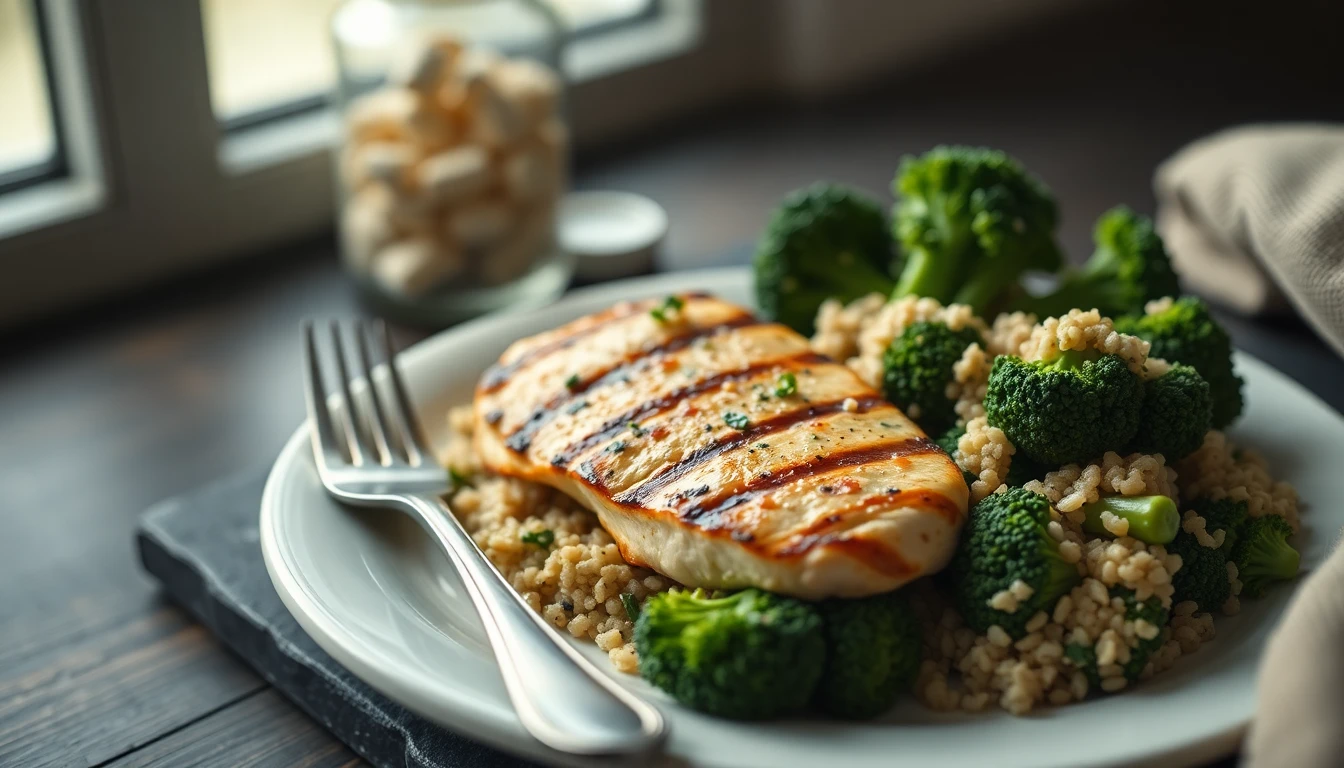
- Chicken and turkey breast — skinless options provide high-quality protein without excess fat
- Eggs — scrambled, poached, or boiled; versatile and gentle on digestion
- Greek yoghurt — opt for low-fat versions with 10g+ protein per 100g serving
- Cottage cheese — excellent protein-to-calorie ratio and easy to portion
- Prawns and shellfish — light, digestible, and very high in protein
- Tofu and tempeh — plant-based options that are easier to digest than some legumes
- Protein powder — whey or plant-based options useful for smoothies when appetite is very low
What About Red Meat and Fatty Proteins
Fatty cuts of meat, lamb chops, pork belly, and processed meats often trigger nausea and sit uncomfortably in your stomach whilst taking semaglutide. If you do eat red meat, choose very lean mince (5% fat or less) or lean steak cuts like sirloin with visible fat trimmed. Many people find they naturally lose their appetite for rich, fatty proteins on Ozempic—listen to those signals.
Foods That Worsen Ozempic Side Effects
Nausea, bloating, reflux, and constipation are common when starting semaglutide or increasing your dose. Certain foods reliably make these symptoms worse, and avoiding them can significantly improve your comfort and treatment experience.
High-Fat and Fried Foods
Fat takes the longest to digest, and with delayed gastric emptying from Ozempic, fatty foods can cause prolonged fullness, nausea, and even vomiting. Fried foods are particularly problematic.
- Deep-fried takeaways — fish and chips, fried chicken, pakoras, and samosas
- Creamy sauces — carbonara, alfredo, korma, and cream-based soups
- Pastries and pies — sausage rolls, croissants, and pasties with butter-heavy pastry
- Full-fat dairy — whole milk, cream, full-fat cheese in large amounts
- Fatty cuts of meat — bacon, sausages, duck, and marbled steaks
- Chips and crisps — especially deep-fried varieties
High-Sugar Foods and Drinks
Concentrated sugars can worsen nausea and cause uncomfortable blood sugar swings, particularly if you have diabetes. They also provide calories without the protein and nutrients your body needs.
- Sweets and chocolate — especially on an empty stomach
- Sugary drinks — fizzy drinks, fruit juices, and sweetened coffees
- Pastries and cakes — combine problematic fat and sugar
- Biscuits — often high in both sugar and fat
- Ice cream — rich, sugary, and fatty—a triple trigger for nausea
Other Problem Foods
Some foods cause issues for reasons beyond fat and sugar content. Highly processed foods, very spicy dishes, and carbonated beverages commonly trigger reflux and bloating. Cruciferous vegetables like cabbage and Brussels sprouts, whilst nutritious, can cause uncomfortable gas when your digestion is already slowed. You don't need to avoid these entirely, but be mindful of portions and timing.
What to Eat on Ozempic: Building Your Plate
With a smaller appetite and specific nutritional needs, structuring your meals strategically helps you meet protein targets, get essential nutrients, and avoid side effects. Think about building plates that are nutrient-dense rather than calorie-dense.
The Ideal Plate Structure
- 40-50% lean protein — this should be the largest portion and eaten first
- 25-30% non-starchy vegetables — for fibre, vitamins, and minerals
- 20-25% complex carbohydrates — for sustained energy and additional fibre
- Minimal added fats — a small drizzle of olive oil or knob of butter is fine, but don't make fat the focus
Best Carbohydrate Choices
Choose complex carbohydrates that provide fibre to help prevent constipation, a common Ozempic side effect. Managing your blood sugar control through food choices becomes easier when you opt for slower-digesting options.
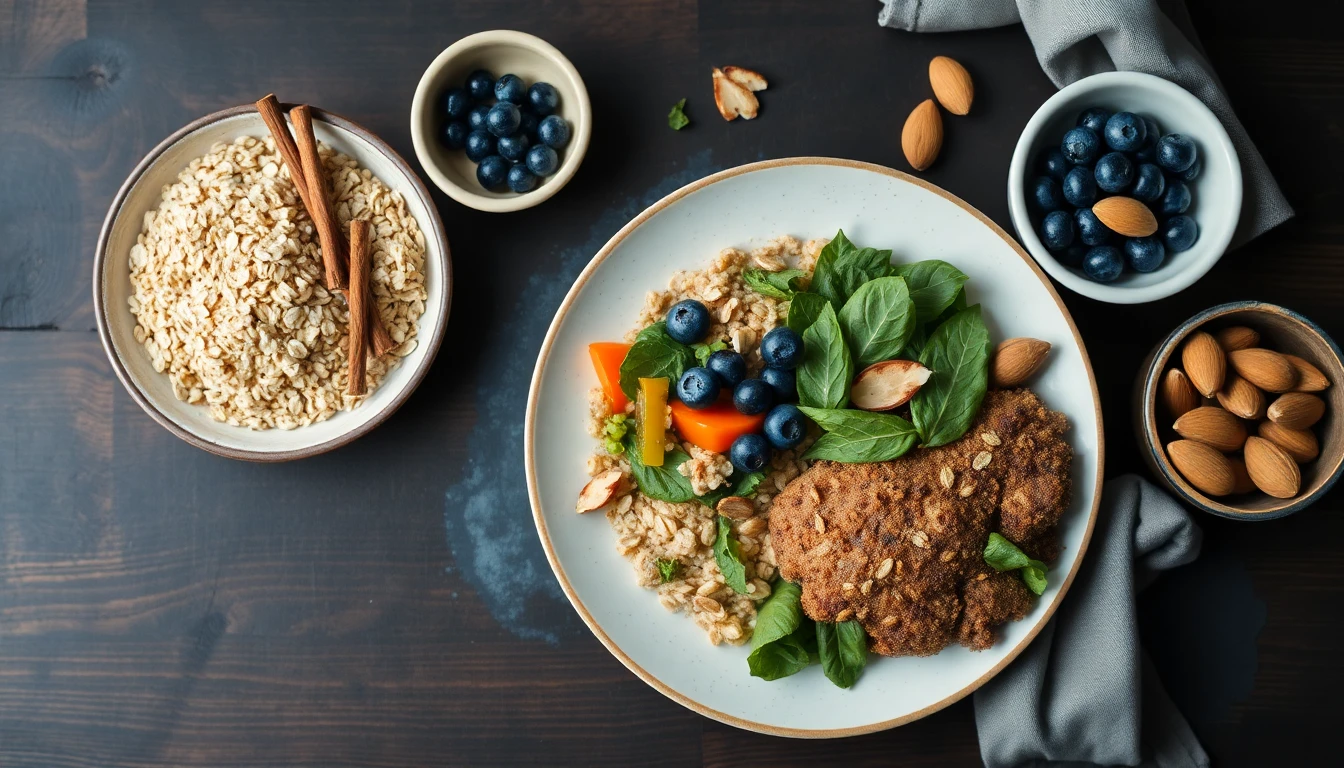
- Oats — porridge made with water or milk for breakfast
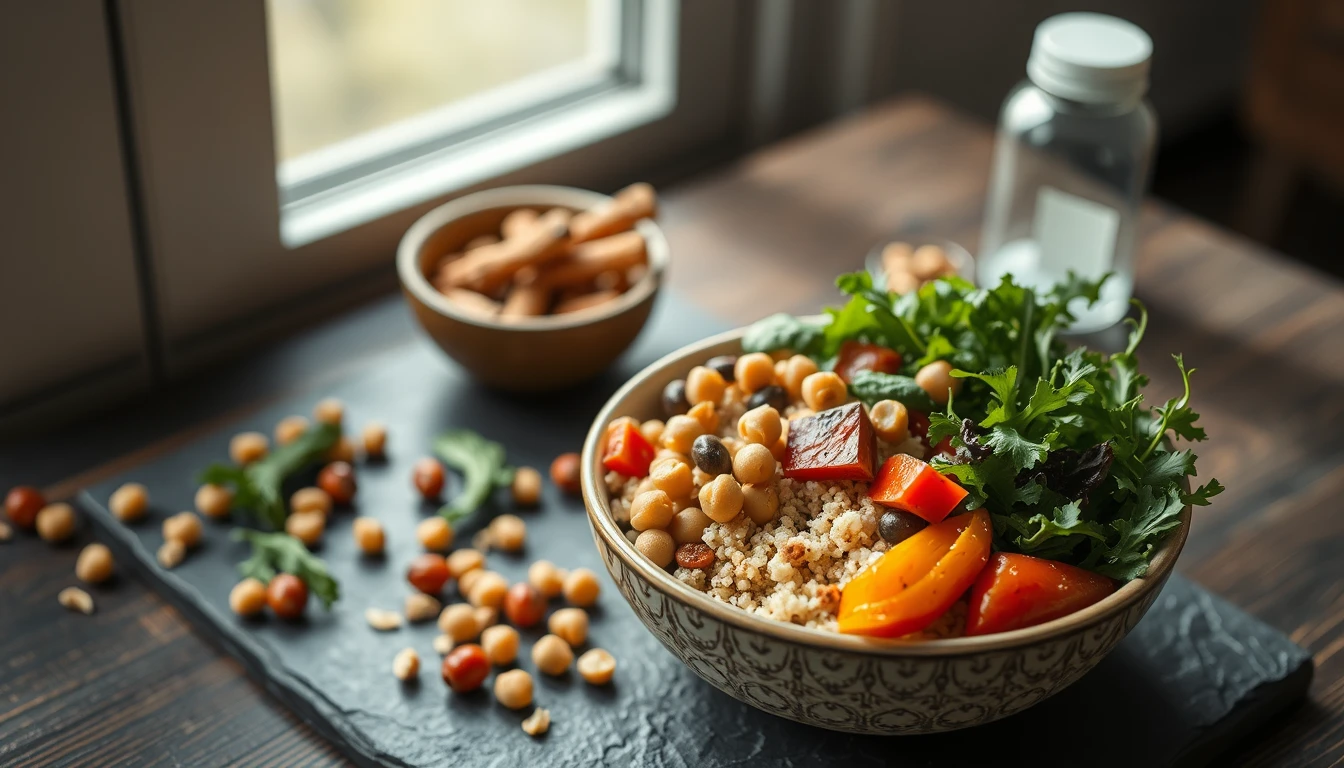
- Brown rice and quinoa — more nutritious than white rice
- Sweet potatoes — nutrient-dense and naturally sweet
- Wholemeal bread — in moderation, choose seeded varieties
- Lentils and pulses — provide both carbs and protein, though start with small portions as they can cause bloating
Best Vegetables and Fruits
Non-starchy vegetables should feature at lunch and dinner. They provide essential vitamins, minerals, and fibre without filling you up too much before you've eaten your protein.
- Leafy greens — spinach, kale, rocket, and lettuce
- Courgettes and aubergine — low-calorie, versatile vegetables
- Peppers and tomatoes — vitamin C-rich and easy to digest
- Carrots and green beans — classic vegetables that are well tolerated
- Berries — strawberries, blueberries, and raspberries for antioxidants and fibre
- Melon and citrus fruits — hydrating and refreshing when appetite is low
Portion Sizes, Meal Timing, and Eating Habits
How you eat matters almost as much as what you eat when taking semaglutide. Your reduced stomach capacity and slower digestion mean old eating patterns need adjusting.
Smaller, More Frequent Meals
Rather than three large meals, many people find four to five smaller meals work better. This helps you meet protein targets without feeling uncomfortably full. A typical pattern might be breakfast, mid-morning protein snack, lunch, afternoon snack, and a light dinner. Listen to your body—if you're genuinely not hungry, don't force food, but do prioritise protein when you do eat.
Eat Slowly and Mindfully
Your satiety signals kick in faster on Ozempic, but it takes 15-20 minutes for your brain to register fullness. Eating quickly can lead to overeating and subsequent nausea. Put your fork down between bites, chew thoroughly, and stop as soon as you feel satisfied—not stuffed. This is perhaps the most important habit change for avoiding discomfort.
Protein First, Always
Make it a non-negotiable rule to eat your protein portion before moving on to vegetables or carbohydrates. When appetite is limited, you want to ensure you've met your protein needs first. If you fill up on bread or pasta before eating your chicken or fish, you'll likely fall short on protein and compromise muscle preservation.
Hydration and Fluid Intake on Semaglutide
Adequate hydration becomes especially important on Ozempic for two reasons: the medication can slow gut motility leading to constipation, and reduced food intake means you're getting less fluid from food. Dehydration can also worsen nausea and fatigue.
Aim for at least 2 litres of fluid daily, more if you're active or it's warm weather. Water should be your primary choice, but you can include herbal teas, diluted squash, and clear broths. However, avoid drinking large amounts with meals, as this can make you feel uncomfortably full and prevent you from eating enough protein. Instead, sip fluids between meals throughout the day.
If you're struggling with constipation—very common when starting semaglutide—increasing water intake alongside dietary fibre often helps. Some people find warm liquids first thing in the morning particularly helpful for encouraging bowel movements.
UK-Specific Considerations and Monitoring
If you've been prescribed Ozempic through the NHS for type 2 diabetes, or Wegovy through specialist weight management services, your healthcare team should be monitoring your progress regularly. This includes checking blood sugar levels if diabetic, reviewing weight loss patterns, and assessing for nutritional deficiencies.
Be aware that rapid weight loss can affect other medications you're taking. If you're on blood pressure tablets, diabetes medications, or blood thinners, your doses may need adjusting as you lose weight. Never adjust medications yourself—always discuss with your GP or prescriber. Understanding how different medications interact with food can help you navigate these conversations more effectively.
Consider asking your GP for blood tests to check iron, vitamin B12, and vitamin D levels after several months on semaglutide, especially if your food intake has been very restricted. These deficiencies can develop when eating less, and addressing them early prevents complications.
Making It Easier: How FreshPlate Fits Around Your Medications
Eating well whilst taking Ozempic can feel like a lot to keep track of, especially when you're also getting used to the medication itself. Here is what FreshPlate does, and what it doesn't.
Every recipe the app generates is built around your own medication list. You add your medicines by brand or generic name from the NHS's own medicines list, and the app reads each one by its active ingredient. We don't have a specific rule for Ozempic, so the app doesn't flag, block or warn about anything particular to it. If you take other medicines alongside it, the For you tab on every recipe and meal lists them. For about 170 of them, it opens what their own NHS page or US FDA label says about food, quoted word for word, with a link to the checker page. The rest say there is no advice on file yet and point you to your pharmacist. If you have a medical condition, the app steers rather than prescribes: recipes lean towards what public UK guidance (NHS, BDA) says suits it, and the app never claims to treat, prevent or cure anything.
You can also try the free food–medication interaction checker on our website: type in a medication or its brand name and see the foods to watch in seconds, at /website/tools/food-medication-checker/. It's a helpful way to look up your other medicines, and it's no substitute for your pharmacist or prescriber, who know your full picture.
Frequently asked questions
What should I eat for breakfast on Ozempic?
+
Focus on protein-rich options like scrambled eggs with smoked salmon, Greek yoghurt with berries, or porridge made with protein powder. Avoid fatty breakfast foods like full English fry-ups or pastries which commonly trigger nausea. Eat slowly and stop when satisfied rather than finishing everything on your plate.
Why do I feel sick after eating fatty foods on Ozempic?
+
Semaglutide slows stomach emptying, and fatty foods take longest to digest. This means fatty meals sit in your stomach longer, causing prolonged fullness, nausea, and sometimes reflux or vomiting. Choosing lean proteins and low-fat cooking methods significantly reduces these side effects.
How much protein should I eat daily on Ozempic?
+
Aim for 1.2-1.6 grams per kilogram of your ideal body weight, or make protein the largest portion at every meal. Most people need 80-120g daily depending on size and goals. Adequate protein is essential for preserving muscle mass during weight loss on semaglutide.
Can I drink alcohol whilst taking Ozempic?
+
Alcohol isn't forbidden, but many people find they tolerate it poorly on semaglutide. It can worsen nausea, increase risk of low blood sugar if you have diabetes, and provides empty calories when your appetite is already limited. If you do drink, limit intake and always consume with food.
What helps with constipation on Ozempic?
+
Increase fluid intake to at least 2 litres daily, eat more fibre-rich foods like oats, vegetables, and fruits, stay physically active, and consider a fibre supplement if dietary changes aren't enough. Constipation is very common with semaglutide due to slowed gut motility. Speak to your pharmacist about appropriate laxatives if needed.
Sources
Did this answer your question?
Reece reads every reply. Questions we have not covered become new guides.
Eating around ozempic shouldn’t be guesswork.
Get our free ozempic food guide by email — the foods to watch, safe swaps, and meal ideas that work with your medication. One genuinely useful email a week — no spam, unsubscribe anytime.
Free forever. You'll also be first in line for the FreshPlate app — with a free trial at launch.