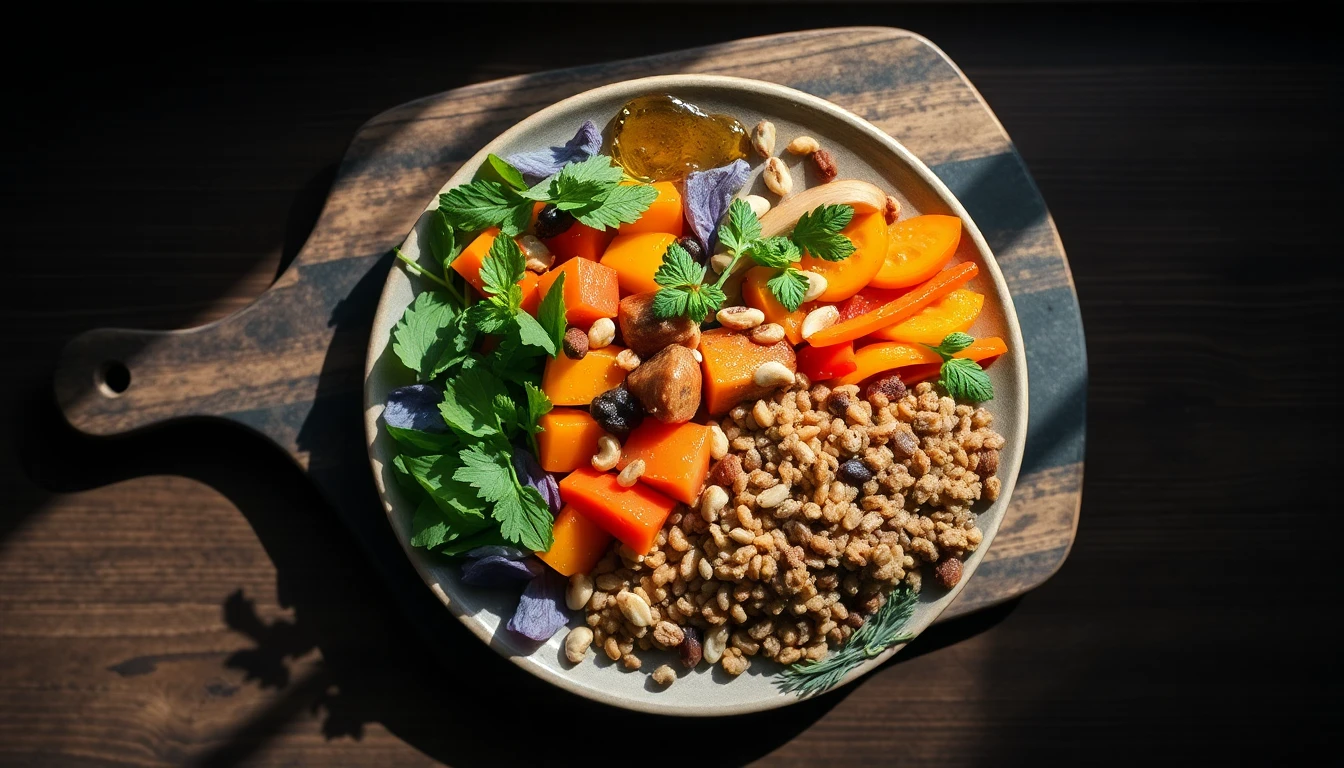
Carb Cycling for Women: A Beginner's Guide UK
Learn how carb cycling works for women, including high and low carb day structure, menstrual cycle timing, and practical meal plans tailored to your body.

By Reece Douglas · Founder, FreshPlate

Listen to this article
Carb Cycling for Women: A Beginner's Guide UK
Carb cycling has gained popularity as a flexible approach to nutrition that doesn't require cutting out entire food groups. Rather than following a strict low-carb or high-carb plan every single day, carb cycling involves strategically alternating your carbohydrate intake based on your activity levels, goals, and for women specifically, your menstrual cycle.
This approach can be particularly beneficial for women because our hormonal fluctuations throughout the month affect how our bodies use and respond to carbohydrates. Understanding how to structure high and low carb days around these natural rhythms can help optimise energy levels, support training performance, and make nutrition feel more intuitive rather than restrictive. Whether you're looking to improve body composition, manage energy fluctuations, or simply find a sustainable way of eating that works with your lifestyle, this guide will walk you through the fundamentals of carb cycling tailored specifically for women in the UK.
What Is Carb Cycling and How Does It Work?
Carb cycling is a dietary approach where you intentionally vary your carbohydrate intake across different days of the week, typically alternating between higher-carb, moderate-carb, and lower-carb days. The principle behind this method is that your body's carbohydrate needs aren't static—they change based on your activity level, training intensity, and hormonal state.
On high-carb days, you might consume 45-60% of your calories from carbohydrates, typically scheduled around intense training sessions or physically demanding activities. These carbohydrates replenish muscle glycogen stores and provide readily available energy for performance. Low-carb days might see carbohydrate intake drop to 15-25% of total calories, with the deficit made up primarily through healthy fats and adequate protein. These days often coincide with rest days or lighter activity, allowing your body to tap into fat stores for fuel.
For women, carb cycling can be particularly effective when aligned with the menstrual cycle. During the follicular phase (days 1-14), insulin sensitivity tends to be higher, meaning your body processes carbohydrates more efficiently. During the luteal phase (days 15-28), progesterone rises and can reduce insulin sensitivity whilst increasing appetite, particularly for carbohydrate-rich foods.
The Science Behind Carb Cycling for Women
Research suggests that women's bodies respond differently to carbohydrate manipulation compared to men, largely due to hormonal differences. Oestrogen and progesterone levels throughout the menstrual cycle influence how efficiently we metabolise carbohydrates, store fat, and build muscle.
During the follicular phase when oestrogen is higher, women tend to have better glucose tolerance and can handle higher carbohydrate loads more effectively. Conversely, during the luteal phase, the body becomes slightly more insulin resistant, which is why many women experience stronger carbohydrate cravings before their period. By adjusting carbohydrate intake to match these phases, you can work with your body's natural rhythms rather than against them.
How to Structure High and Low Carb Days
The key to successful carb cycling lies in understanding how to structure your days properly. There's no single perfect formula, as individual needs vary based on activity levels, body composition goals, and how you feel, but here's a practical framework to get started.
High-Carb Days (150-250g carbohydrates)
Schedule high-carb days around your most intense training sessions—think strength training, HIIT classes, long runs, or any vigorous activity lasting over 45 minutes. These days prioritise performance and recovery.
- Breakfast — Porridge made with oats, banana, berries, and a tablespoon of nut butter (approximately 50-60g carbs)
- Lunch — Grilled chicken breast with quinoa, roasted sweet potato, and mixed vegetables (approximately 55-65g carbs)
- Pre-workout snack — Apple with a small handful of almonds (approximately 20-25g carbs)
- Dinner — Salmon fillet with brown rice, steamed broccoli, and a side salad (approximately 45-55g carbs)
- Snacks — Greek yoghurt with granola, or rice cakes with hummus (approximately 20-30g carbs)
Moderate-Carb Days (100-150g carbohydrates)
These days work well for moderate activity levels—perhaps a yoga class, brisk walk, or lighter gym session. They provide enough carbohydrates to support daily function without excess.
- Breakfast — Two-egg omelette with spinach, mushrooms, and one slice of wholemeal toast (approximately 20-25g carbs)
- Lunch — Turkey and avocado salad with chickpeas and a small portion of new potatoes (approximately 35-40g carbs)
- Snack — Carrot and cucumber sticks with hummus (approximately 15-20g carbs)
- Dinner — Stir-fried tofu with mixed vegetables and a small portion of rice noodles (approximately 30-40g carbs)
- Snacks — A piece of fruit or a small handful of berries (approximately 15-20g carbs)
Low-Carb Days (50-100g carbohydrates)
Reserve low-carb days for rest days or very light activity. Focus on protein, healthy fats, and non-starchy vegetables to keep you satisfied.
- Breakfast — Full-fat Greek yoghurt with chia seeds, a few berries, and crushed walnuts (approximately 15-20g carbs)
- Lunch — Tuna salad with mixed leaves, avocado, cherry tomatoes, olives, and olive oil dressing (approximately 10-15g carbs)
- Snack — Celery sticks with almond butter or a boiled egg (approximately 5-8g carbs)
- Dinner — Grilled chicken thighs with roasted courgette, peppers, aubergine, and a green salad (approximately 15-20g carbs)
- Snacks — A small handful of nuts or cheese with cucumber slices (approximately 5-10g carbs)
Carb Cycling and Your Menstrual Cycle
Aligning your carb cycling strategy with your menstrual cycle can help manage energy levels, reduce PMS symptoms, and support hormonal balance. The 28-day cycle is typically divided into four phases, each with different nutritional needs.
Understanding these phases allows you to work with your body's natural fluctuations rather than fighting against them. Many women find this approach reduces cravings, improves mood stability, and makes dieting feel less restrictive.
Follicular Phase (Days 1-14)
During the follicular phase, starting with menstruation and leading up to ovulation, oestrogen rises and insulin sensitivity is generally at its highest. This is an ideal time to schedule more high-carb days, particularly around intense training sessions. You may notice you have more energy during this phase and can push harder in workouts.
- Days 1-7 — Mix of moderate to high-carb days, especially if energy is returning after menstruation
- Days 8-14 — Increase high-carb days to 3-4 per week, aligned with your hardest training sessions
- Focus — Take advantage of improved carbohydrate tolerance and higher energy levels
Luteal Phase (Days 15-28)
After ovulation, progesterone rises and insulin sensitivity decreases. You might notice increased appetite, particularly for sweet or starchy foods. Rather than restricting severely, this is a time to include moderate carbohydrates strategically whilst ensuring adequate overall calories to support hormonal health.
- Days 15-21 — Shift to more moderate-carb days with 1-2 high-carb days for training
- Days 22-28 — Include quality carbohydrates to manage cravings, but focus on nutrient-dense options like sweet potatoes, oats, and fruits
- Focus — Support serotonin production through adequate carbohydrates whilst managing blood sugar stability
Common Mistakes to Avoid When Carb Cycling
Whilst carb cycling can be an effective nutritional strategy, there are several pitfalls that can undermine your results or make the approach unsustainable.
- Dropping carbs too low for too long — Very low carbohydrate intake for extended periods can disrupt thyroid function and menstrual regularity in women. The NHS recommends carbohydrates should form the foundation of a balanced diet, and extreme restriction isn't necessary for carb cycling to work
- Ignoring protein and fat — Carb cycling isn't just about carbohydrates. Maintain consistent protein intake (approximately 1.6-2.2g per kg of body weight) across all days to support muscle maintenance and satiety. Adjust fats inversely to carbs to manage total calories
- Not tracking your cycle — If you're cycling carbs randomly without considering your menstrual cycle or activity levels, you're missing the strategic benefit. Use a period tracking app to identify your phases
- Expecting immediate results — Give your body 4-6 weeks to adapt to this eating pattern. Initial fluctuations in energy and performance are normal as your metabolism adjusts
- Overcomplicating it — Start simple with just two carb levels (high and low) rather than trying to manage four or five different intake levels. Complexity often leads to abandonment
- Neglecting micronutrients — Focus on whole food sources of carbohydrates that provide vitamins, minerals, and fibre rather than relying on refined options
Who Should Consider Carb Cycling?
However, carb cycling may not be appropriate for women with a history of disordered eating, those who are pregnant or breastfeeding, or anyone with certain medical conditions that require consistent carbohydrate intake. Always consult with a healthcare professional before making significant dietary changes, particularly if you're taking medication that affects blood sugar or metabolism.
- Active women with varied training schedules — If you alternate between intense training days and rest days, matching carb intake to activity makes physiological sense
- Those experiencing energy fluctuations throughout their cycle — Adjusting carbs with hormonal phases can help smooth out energy dips and manage cravings
- Women plateau-ing with other approaches — If you've been eating the same way for months without progress, carb cycling can provide a new stimulus
- Anyone wanting dietary flexibility — Unlike strict low-carb diets, carb cycling allows you to enjoy higher-carb foods regularly without guilt
- Those managing insulin sensitivity issues — Under medical supervision, strategic carb timing may help improve glucose control, though this should be discussed with your GP or registered dietitian
How FreshPlate Supports Your Carb Cycling Journey
Managing carb cycling manually, from tracking macronutrients to planning different meals for different days, can be overwhelming. FreshPlate can take some of that load off, though it doesn't plan your high-carb and low-carb days for you.
What it can do is make logging simple. You can log meals by photo, barcode or search, and if a pack isn't in any database, the app reads it off its own label on your phone: the nutrition table fills in the numbers, and the ingredients are checked against your allergens and food rules. Every food is stored per 100 g or ml with real measures, so it's easier to keep an eye on portion sizes on your higher and lower carb days. If you make your own batch-cooked food, Cook works out the numbers from your ingredient lines and lets you log a portion in one tap from then on.
Every recipe has a For you tab that shows what was checked for your allergens, diet and religious rules, why it suits your goal and any conditions, and whether it fits what's left of your day. If you take medicines such as metformin or thyroid tablets, you can add them by brand or generic name, and the For you tab lists them. Where the app holds food advice for a medicine, it shows the wording from the NHS or US FDA, and where it doesn't, it says so and points you to your pharmacist. FreshPlate has no specific rule for any one medicine here, so please talk to your pharmacist or GP about how carb cycling fits with your prescriptions.
Recipes you keep go onto a shopping list, so the week's cooking is easier to organise. Your menstrual cycle isn't something the app tracks or plans around, so if you'd like to shift your carbs with your cycle, that's a decision to make yourself, ideally with advice from a health professional.
Frequently asked questions
How many carbs should I eat on high-carb days for carb cycling?
+
For most active women, high-carb days typically include 150-250g of carbohydrates, representing about 45-60% of total calories. This amount supports intense training whilst replenishing glycogen stores. Individual needs vary based on body weight, activity level, and goals.
Can carb cycling affect my period?
+
When done properly with adequate overall calorie intake, carb cycling shouldn't negatively affect your menstrual cycle. However, extreme carbohydrate restriction for prolonged periods can disrupt hormones and menstruation. Ensure you're eating enough calories across the week and not dropping carbs too low on rest days.
Is carb cycling better than a consistent diet for weight loss?
+
Research doesn't show carb cycling is inherently superior to consistent calorie control for weight loss, but many women find it more sustainable and easier to adhere to long-term. The best diet is one you can maintain consistently whilst meeting your nutritional needs.
What are the best carbs to eat on high-carb days?
+
Focus on nutrient-dense complex carbohydrates like oats, brown rice, quinoa, sweet potatoes, wholemeal bread, fruits, and legumes. These provide sustained energy, fibre, vitamins, and minerals compared to refined options like white bread, pastries, or sugary snacks.
Should I carb cycle every week?
+
Most people benefit from weekly carb cycling patterns that align with their training schedule and, for women, monthly patterns that consider menstrual cycle phases. You don't need to cycle daily—many find alternating every 2-3 days more practical and sustainable.
Sources
Did this answer your question?
Reece reads every reply. Questions we have not covered become new guides.
Get the essentials, straight to your inbox.
Get our free carb cycling guide by email — the key takeaways, food lists, and meal ideas from this guide, ready when you need them. One genuinely useful email a week — no spam, unsubscribe anytime.
Free forever. You'll also be first in line for the FreshPlate app — with a free trial at launch.