Portion Control Guide UK: Visual Cues for Weight Management
Master portion control with the hand-portion method, plate method, and UK serving sizes. Practical strategies for mindful eating and sustainable weight management.

By Reece Douglas · Founder, FreshPlate

Listen to this article
Portion Control Guide UK: Visual Cues for Weight Management
Portion control is one of the most effective yet underutilised strategies for weight management. Unlike restrictive diets that eliminate entire food groups, portion control allows you to enjoy all foods whilst managing your energy intake. The challenge many people face isn't knowing what to eat, but rather understanding how much to eat—especially when portion sizes in restaurants and supermarkets have grown considerably over the past few decades.
This comprehensive portion control guide provides practical, visual methods you can use immediately without scales, measuring cups, or calorie counting apps. We'll explore the hand-portion method, the plate method tailored to UK guidelines, and mindful eating techniques that help you recognise true hunger and satiety. Whether you're managing your weight, supporting a health condition, or simply wanting to build healthier eating habits, these evidence-based strategies will help you take control of your portions without feeling deprived.
Understanding UK Portion Sizes and Serving Guidelines
The NHS Eatwell Guide provides foundation principles for balanced eating, but translating these guidelines into actual portion sizes can be confusing. A 'portion' and a 'serving' are often used interchangeably, though nutritionists sometimes distinguish between them—a serving being a standardised amount, whilst a portion is what you actually put on your plate.
UK dietary guidelines recommend specific daily amounts from each food group. Understanding these benchmarks helps you gauge whether your current portions align with nutritional recommendations for weight management and overall health.
- Starchy carbohydrates — Aim for roughly a third of your plate. One portion equals approximately 2-3 boiled potatoes (the size of your fist), 180g cooked pasta or rice, or 2 slices of wholegrain bread
- Fruits and vegetables — Another third of your plate, aiming for at least 5 portions daily. One portion equals 80g: a medium apple, 3 heaped tablespoons of cooked vegetables, or a cereal bowl of mixed salad
- Protein foods — Include a palm-sized portion of fish, poultry, meat, or pulses. One portion typically equals 140g cooked fish, 90g cooked meat, or 3 heaped tablespoons of beans or lentils
- Dairy and alternatives — 2-3 portions daily. One portion equals 200ml milk, a 150g pot of yoghurt, or a 30g matchbox-sized piece of cheese
- Fats and oils — Use sparingly. One portion of oil for cooking is roughly 1 tablespoon; spreads should be applied thinly
How Portions Have Changed
Research shows that standard portion sizes in the UK have increased substantially since the 1990s. A typical dinner plate has grown from 23cm to 28cm in diameter, and restaurant meals often contain 2-3 times the recommended portions. This 'portion distortion' makes it increasingly difficult to gauge appropriate amounts, as our perception of normal has shifted alongside these larger servings.
Being aware of this trend helps you make conscious choices about how much you serve yourself, particularly when eating out or purchasing pre-packaged meals.
The Hand-Portion Method for Portion Control
The hand-portion method is brilliantly practical because you always have your hands with you—no measuring equipment required. Your hand size roughly correlates with your body size and therefore your energy needs, making this an inherently personalised approach to portion control.
This method works particularly well for people who find calorie counting tedious or anxiety-inducing, those who eat away from home frequently, and anyone wanting a simple visual reference that doesn't require apps or trackers.
Hand-Portion Guidelines for Main Meals
Use these hand-based measurements to build balanced meals throughout the day:
- Protein portions — Palm of your hand (thickness and circumference, excluding fingers). This works for meat, fish, tofu, or tempeh. Aim for 1-2 palm-sized portions per meal depending on your activity level
- Vegetable portions — Closed fist. Include at least 2 fist-sized portions of vegetables or salad with lunch and dinner. The more colour variety, the better
- Carbohydrate portions — Cupped hand. One portion of cooked rice, pasta, potatoes, or other starchy foods should fit in your cupped hand. Active individuals may need 2 portions
- Fat portions — Thumb (entire thumb from tip to base). This applies to nut butters, oils, butter, nuts, and seeds. Use 1-2 thumb portions per meal for satiety
- Snack portions — Two cupped hands for items like popcorn or crisps; one handful for nuts; two thumbs for cheese
Adjusting Hand Portions for Your Goals
For weight loss, start with these baseline hand portions and monitor your progress over 2-3 weeks. If you're not seeing gradual change (0.5-1kg per week), slightly reduce your carbohydrate or fat portions rather than cutting protein or vegetables. For weight maintenance, these portions typically work well when combined with regular physical activity. For weight gain or highly active individuals, increase portions by adding an extra cupped hand of carbohydrates and an additional palm of protein.
The Plate Method: Building Balanced Meals
The plate method provides a visual template for constructing nutritionally balanced meals that naturally support portion control. This approach, recommended by diabetes educators and dietitians worldwide, helps regulate blood sugar, provides sustained energy, and prevents the energy surplus that leads to weight gain.
Using a standard 23-25cm diameter plate (not the oversized dinner plates common today), divide your plate into sections that reflect optimal macronutrient distribution.
- Half your plate: non-starchy vegetables — Fill half your plate with salad leaves, broccoli, cauliflower, courgettes, peppers, tomatoes, green beans, cabbage, mushrooms, or other low-calorie, nutrient-dense vegetables. These provide volume, fibre, and micronutrients whilst keeping energy density low
- Quarter of your plate: lean protein — Dedicate one quarter to protein sources like grilled chicken, fish, eggs, tofu, beans, or lentils. Protein promotes satiety and helps preserve muscle mass during weight loss
- Quarter of your plate: starchy carbohydrates — The remaining quarter accommodates wholegrains, potatoes, sweet potatoes, or other starchy vegetables. Choose wholegrain varieties when possible for better blood sugar control and increased fibre
- Small addition: healthy fats — Add a small amount of healthy fats through olive oil dressing, a quarter of an avocado, or a sprinkle of seeds. Fats aren't given dedicated plate space but enhance nutrient absorption and meal satisfaction
Adapting the Plate Method for Different Meals
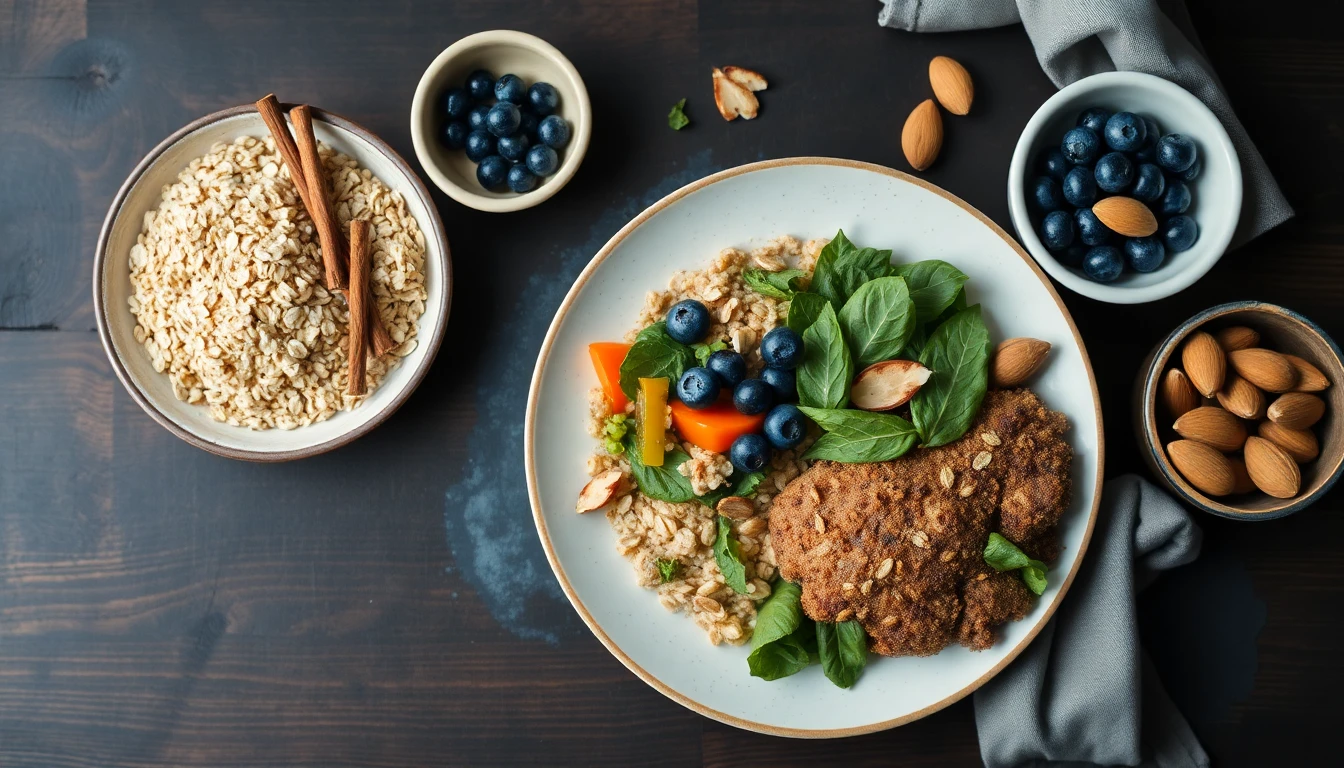
Breakfast can follow modified plate principles: half your bowl or plate could be fruit or vegetables (berries with porridge, tomatoes and mushrooms with eggs), a quarter protein (yoghurt, eggs, or protein powder), and a quarter wholegrain carbohydrates (oats, wholegrain toast).
For mixed dishes like curries, stews, or stir-fries, mentally deconstruct the meal. Ensure half the ingredients are vegetables, with protein and carbohydrates making up roughly equal amounts of the remainder. Serve appropriate portions—typically 300-400g for women, 400-500g for men—alongside extra vegetables or salad if still hungry.
Mindful Eating Techniques for Natural Portion Control
Mindful eating—paying full attention to the experience of eating without distraction—is perhaps the most sustainable portion control strategy because it helps you reconnect with your body's natural hunger and fullness signals. In our distracted, fast-paced food environment, many people have lost touch with these internal cues, instead eating according to external factors like time of day, social situations, or emotional states.
Research published in the American Journal of Clinical Nutrition demonstrates that mindful eating interventions lead to reduced portion sizes, decreased binge eating, and improved weight management outcomes without the psychological stress of restrictive dieting.
Practical Mindful Eating Strategies
Implementing these techniques helps you naturally regulate portions based on genuine physical hunger rather than habit or emotion:
- Eat without screens — Turn off the television, put your phone away, and focus solely on your meal. Studies show people consume 25% more when eating whilst distracted
- Use the hunger scale — Before eating, rate your hunger from 1 (starving) to 10 (uncomfortably full). Start eating at 3-4 (moderately hungry) and stop at 6-7 (comfortably satisfied, not stuffed)
- Slow your pace — Place your fork down between bites, chew thoroughly (aim for 20-30 chews per mouthful), and take at least 20 minutes to finish a meal. This allows satiety hormones to signal fullness before you've overeaten
- Serve from the kitchen — Rather than bringing serving dishes to the table, plate your portions in the kitchen. This creates a conscious decision point if you want seconds, rather than mindless refilling
- Use smaller dinnerware — A portion on a smaller plate appears larger, satisfying visual appetite cues. Consider using 23cm plates instead of 28-30cm ones
- Pause mid-meal — Halfway through eating, put down your utensils for 2-3 minutes. Check in with your hunger level. Are you eating because you're still hungry or simply because food remains on your plate?
Distinguishing Physical from Emotional Hunger
Physical hunger develops gradually, can be satisfied with any food, and disappears when you're full. Emotional hunger appears suddenly, craves specific foods (usually high-sugar or high-fat options), and persists even after you're physically satisfied. Before eating, ask yourself: 'Am I physically hungry, or am I bored, stressed, tired, or seeking comfort?' If it's emotional hunger, address the underlying need through non-food strategies—a walk, calling a friend, or a few minutes of deep breathing.
This doesn't mean never eating for pleasure or comfort, but rather making conscious choices about when and how much you eat, rather than automatic responses to emotions.
Common Portion Control Challenges and Solutions
Even with the best intentions and solid knowledge of appropriate portions, real-world situations present challenges. Recognising these obstacles and having strategies prepared increases your likelihood of maintaining portion control long-term.
Eating Out and Social Situations
Restaurant portions in the UK are notoriously oversized, often containing 1,000-2,000 calories in a single main course. Rather than feeling obligated to clear your plate, decide before the meal arrives that you'll eat until satisfied and take leftovers home. Alternatively, order a starter-sized portion as your main, or share a main course with a companion alongside extra vegetables or side salad.
At social gatherings, survey all available food before filling your plate, use a smaller plate if available, and position yourself away from the food table to reduce unconscious grazing.
Managing Portions of High-Calorie Foods
Foods like nuts, cheese, oils, and nut butters are nutritious but energy-dense—a little goes a long way. Pre-portion these items rather than eating directly from large containers. Measure out a thumb-sized portion of cheese, a handful of nuts, or a tablespoon of nut butter, then put the package away before eating. This conscious portioning prevents the common experience of 'suddenly' eating far more than intended.
Dealing with Leftovers and Food Waste Concerns
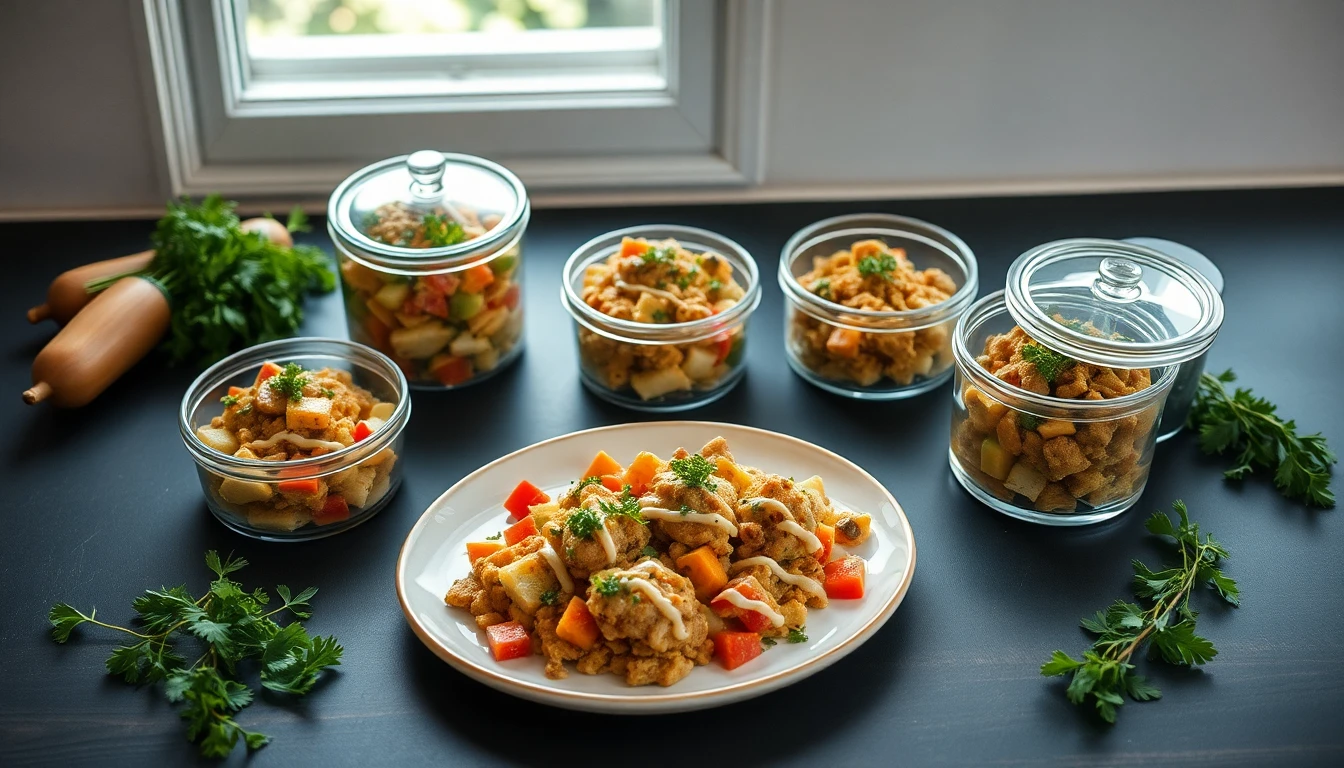
Many people overeat due to not wanting to waste food, particularly those who grew up being told to 'clean their plate.' Reframe this: overeating food your body doesn't need is also wasteful—it's just being wasted in your body rather than the bin. Better yet, prevent excess leftovers by cooking appropriate amounts using the hand-portion method to guide your shopping and meal preparation. When leftovers do occur, store them immediately in portion-sized containers for quick future meals.
How FreshPlate Simplifies Portion Control
Whilst the visual methods in this portion control guide work brilliantly for many people, FreshPlate takes the guesswork out of portion control entirely by building personalised recipes with pre-calculated portions tailored to your individual needs, health conditions, and medications.
When you set up your FreshPlate profile, the app considers your weight management goals, activity level, any relevant health conditions, and medications that may affect appetite or metabolism. Every recipe then displays exact portion sizes designed specifically for you—no mental calculations, no hand measurements, just simple guidance on how much to prepare and serve.
For those managing conditions like diabetes where consistent carbohydrate portions matter, or taking medications that interact with certain foods, FreshPlate ensures your portions support both your health goals and medical requirements. The app's shopping lists reflect these personalised portions, helping you buy appropriate amounts and reduce food waste whilst maintaining the portion control that supports your wellbeing.
This automated approach is particularly valuable for people who find portion estimation stressful or time-consuming, those managing multiple dietary requirements simultaneously, or anyone wanting the benefits of portion control without constant vigilance. FreshPlate handles the complexity behind the scenes, leaving you free to enjoy varied, delicious meals in amounts that support your individual health journey.
Frequently asked questions
How can I control portions without weighing food?
+
Use the hand-portion method (palm for protein, fist for vegetables, cupped hand for carbohydrates, thumb for fats) or the plate method (half vegetables, quarter protein, quarter carbohydrates). These visual techniques provide accurate portion guidance without scales or measuring tools.
What is a healthy portion size for weight loss UK?
+
For weight loss, fill half your 23cm plate with vegetables, one quarter with palm-sized lean protein, and one quarter with a cupped-hand portion of wholegrains or starchy carbohydrates. Add one thumb-sized portion of healthy fats. Adjust based on your hunger levels and progress over 2-3 weeks.
How do I stop overeating when portions look too small?
+
Use smaller plates to make portions appear larger, eat slowly over at least 20 minutes to allow satiety signals to develop, and bulk up meals with low-calorie, high-volume vegetables. Your perception will adjust within 1-2 weeks as you recalibrate to appropriate portions.
Are restaurant portions too big in the UK?
+
Yes, most UK restaurant main courses contain 2-3 times the recommended portion sizes. Consider sharing a dish, ordering starter-sized portions, or planning to take half home as leftovers before you begin eating.
Should portion sizes be the same for everyone?
+
No, appropriate portions vary based on age, sex, height, weight, activity level, and health goals. The hand-portion method naturally personalises portions as hand size correlates with body size, whilst apps like FreshPlate calculate individualised portions based on your specific needs.
Sources
Did this answer your question?
Reece reads every reply. Questions we have not covered become new guides.
Get the essentials, straight to your inbox.
Get our free portion control guide by email — the key takeaways, food lists, and meal ideas from this guide, ready when you need them. One genuinely useful email a week — no spam, unsubscribe anytime.
Free forever. You'll also be first in line for the FreshPlate app — with a free trial at launch.