Foods to Avoid When Taking Colchicine: A Clear Guide
Grapefruit is the one food to avoid on colchicine. Learn why, how alcohol and diarrhoea fit in, and what you can eat freely while treating gout or flares.

By Reece Douglas · Founder, FreshPlate
Listen to this article
Foods to Avoid When Taking Colchicine: A Clear Guide
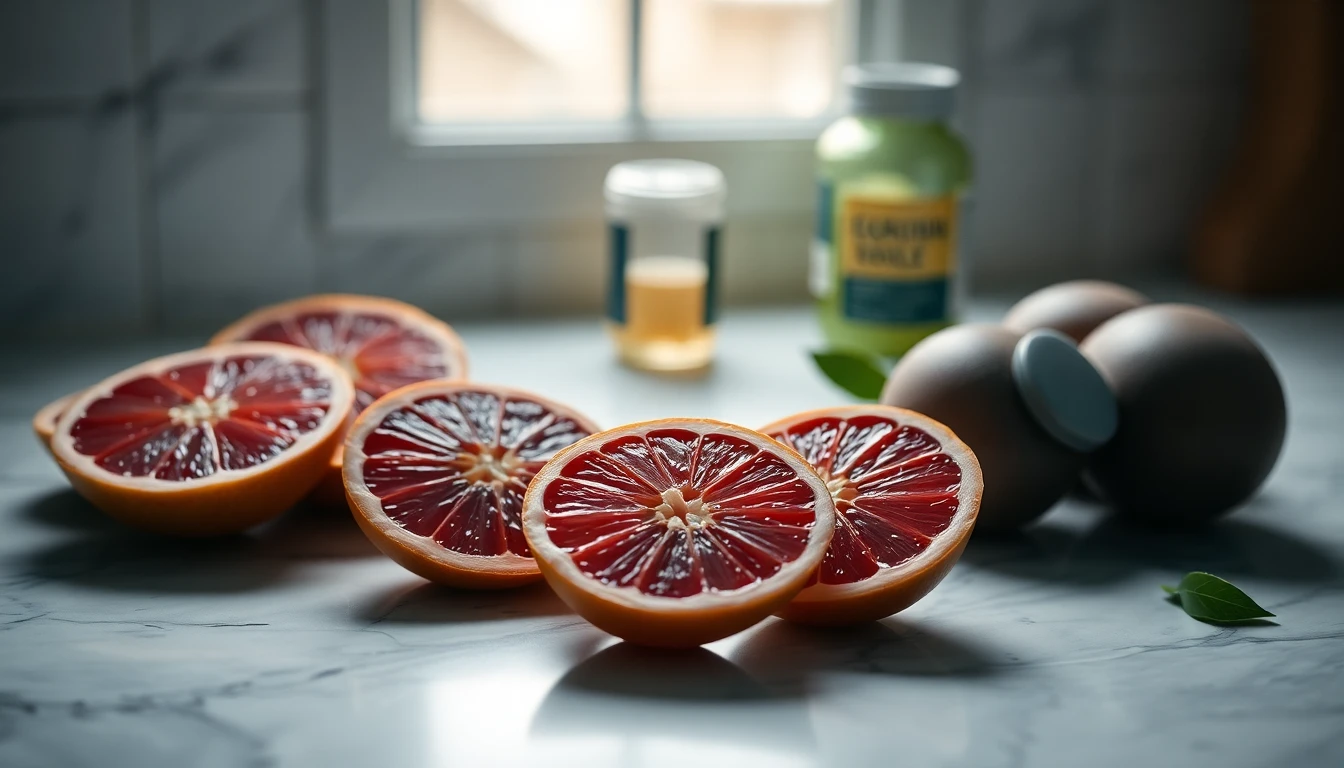
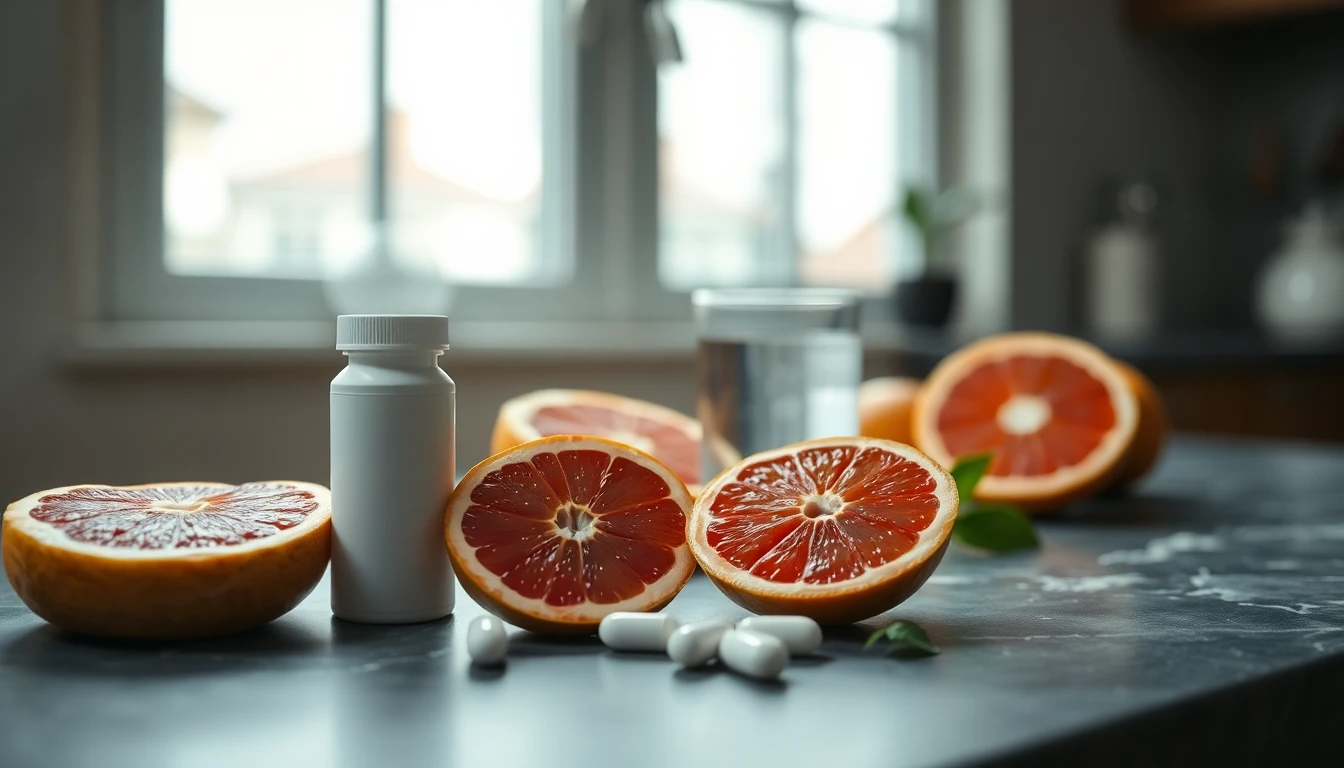
Avoid grapefruit juice while you take colchicine. It can raise the amount of the medicine in your blood to a dangerous level, and it is the one food the NHS specifically tells you to leave out.
The rest is less dramatic but useful: how alcohol fits in, what to do if you get diarrhoea, and how to eat for gout without worsening a flare.
Once you're taking several medicines and managing a condition like gout, keeping track of every ingredient gets tiring. That's why I built the free interaction checker on the FreshPlate website: type in colchicine or its brand name and see which foods to watch, in seconds. I'm also building an app that writes recipes around your own medication list, with a For you tab on every recipe listing your medicines and, where the NHS or FDA has said something about food, those words quoted exactly, with a link back to the checker. I built it that way so you can see the source, not just take my word for it.
Which foods should you avoid when taking colchicine?
Grapefruit juice is the one food to avoid when taking colchicine. The NHS says: "Do not drink grapefruit juice while taking colchicine because it can increase the amount of the medicine in your blood, which can be dangerous." Colchicine has a narrow gap between a helpful dose and a harmful one, so a food that pushes blood levels up matters more here than with many other tablets.
Most other foods are fine. You do not need a long exclusion list or to cut out whole food groups. The tighter food advice for gout is about the condition, not the tablet, and is covered below.
- Grapefruit juice — avoid — it can increase the amount of colchicine in your blood, which can be dangerous
- Whole grapefruit — avoid — it is the same fruit the juice comes from, so treat it the same way
- Water — fine — swallow the tablets whole with a glass of water
- Most other fruit, vegetables, grains and dairy — fine — nothing in the checker flags them
What the experts say
“Do not drink grapefruit juice while taking colchicine because it can increase the amount of the medicine in your blood, which can be dangerous.”
Why does grapefruit interact with colchicine?
Grapefruit contains compounds that interfere with an enzyme called CYP3A4, found in the gut wall and liver. This enzyme helps break down many medicines before they reach the bloodstream. When grapefruit blocks it, more of the drug gets through and stays in your blood for longer.
With colchicine, a higher blood level means a higher risk of side effects, which is why the NHS describes the effect as potentially dangerous. The same enzyme effect is behind grapefruit warnings for several other medicines, including some blood pressure tablets. If you take more than one medicine, our guide to calcium channel blockers and grapefruit shows how the same mechanism plays out elsewhere.
What counts as grapefruit?
The checker lists grapefruit and its relatives as a group to avoid, and the NHS source names grapefruit juice specifically. Treat the juice, the fresh fruit and any drinks or marmalades made with it as one category. Orange juice is a different fruit and is not flagged in our sources, but ask your pharmacist if you are unsure about a particular citrus product.
- Grapefruit juice — avoid — named directly by the NHS
- Fresh grapefruit — avoid — the fruit that produces the effect
- Products made with grapefruit — check the label — if grapefruit is an ingredient, play safe
Does a small amount matter?
The sources give no safe quantity, and we will not invent one. The NHS advice is simply not to drink it. If you have had some by accident, do not panic over a single glass, but contact a pharmacist or your GP if you feel unwell, particularly with vomiting, severe diarrhoea or unusual weakness.
Can you take colchicine with food?
Yes, you can take colchicine with or without food. The product information says: "Colchicine tablets are administered orally without regard to meals." Meals do not change how the tablet needs to be taken in any way that matters for safety.
If colchicine upsets your stomach, taking it after a meal is a sensible habit, but a comfort choice rather than a rule. The NHS tells you to swallow the tablets whole with a glass of water, so keep that consistent.
- With a meal — fine — may feel gentler if your stomach is sensitive
- On an empty stomach — fine — no food requirement in the product information
- With a glass of water — recommended — the NHS says to swallow tablets whole with a glass of water
- With grapefruit juice — avoid — raises colchicine levels in the blood
Is it safe to drink alcohol on colchicine?
The sources behind this guide do not list alcohol as a food to avoid with colchicine, so there is no ban to quote. Alcohol and gout do not mix well, however, which is a separate reason for care. Beer in particular is linked with higher uric acid levels, and heavy drinking is a recognised trigger for gout flares.
There is also a practical overlap. Colchicine can cause diarrhoea and an upset stomach, and alcohol can irritate the gut and dehydrate you. If you are already losing fluid, alcohol makes a rough few days rougher. If you have liver or kidney problems, alcohol becomes a more serious question, and your prescriber should guide you.
A sensible approach
If you are in the middle of a flare or on a higher dose, leave alcohol alone until things settle. On a stable low dose for prevention, keep to the low-risk limits and avoid binges. Ask your pharmacist if you are unsure, since they can see your full medicines list.
- Beer — limit or avoid — linked with raised uric acid and gout flares
- Spirits — limit — can still trigger flares and add to stomach upset
- Wine — limit — less strongly linked to gout, but still adds to dehydration
- Alcohol during a flare or diarrhoea — avoid — it makes dehydration and gut irritation worse
What about diarrhoea and staying hydrated?
Diarrhoea is one of the most common side effects of colchicine, which is why hydration belongs in a food guide. Losing fluid through loose stools can leave you dehydrated, and dehydration can make gout worse and strain your kidneys.
Drink water through the day, not just when you take your tablet. If diarrhoea starts, do not push through it. Contact your GP or pharmacist, because diarrhoea can be an early sign that the dose is too high for you, and they may adjust it or pause the medicine. Seek urgent advice if you have severe diarrhoea, vomiting, unusual tiredness, muscle weakness or a high temperature.
- Water — fine and encouraged — keeps fluid levels up and helps swallow the tablet
- Oral rehydration drinks — useful during diarrhoea — replace salts as well as fluid
- Rich, greasy meals during diarrhoea — limit — they can aggravate loose stools
- Ignoring persistent diarrhoea — avoid — tell a pharmacist or GP, because it may mean the dose needs reviewing
How should you eat for gout while taking colchicine?
Eat a steady, mostly plant-based diet with plenty of fluid, because colchicine treats or prevents the pain of a gout attack but does not lower uric acid. Our gout diet guide pairs well with a list of anti-inflammatory foods to build meals around, and is worth reading alongside this one.
Cut back on the foods most associated with flares, keep weight steady if you are carrying extra, and drink water through the day. Gout advice focuses on purine-rich foods, which the body turns into uric acid, so organ meats, some seafood and sugary drinks are the usual suspects.
- Organ meats such as liver and kidney — avoid or keep rare — very high in purines
- Beer and spirits — limit or avoid — linked with higher uric acid and flares
- Sugary soft drinks — limit — fructose is associated with higher uric acid
- Red meat and shellfish — limit — moderate to high in purines, so keep portions small
- Vegetables, wholegrains, low-fat dairy — fine — they form the basis of a gout-friendly pattern
- Cherries — fine — a pleasant addition, but not a replacement for medicine
How FreshPlate checks this for you
Keeping track of one fruit juice alongside several other medicines and a condition like gout is harder than it sounds. FreshPlate's free food-medication interaction checker on the website lets you type in colchicine, or its brand name, and see the foods to watch in seconds.
When you add colchicine to your FreshPlate medicines, the For you tab on every recipe lists it alongside your other medicines. If we have the NHS or US FDA words about food for it, you'll see them quoted word for word, with a link to the checker page; if not, it says there is no advice on file yet and points you to your pharmacist. For gout and any other conditions you have told us about, recipes lean towards what public UK guidance (NHS, BDA) says suits the condition, though FreshPlate never claims to treat, prevent or cure anything. Always follow your prescriber's instructions, and speak to a pharmacist if anything in your medicines changes.
Frequently asked questions
What foods should I avoid when taking colchicine?
+
Avoid grapefruit juice, because it can increase the amount of colchicine in your blood, which can be dangerous. Most other foods are fine, though alcohol and rich, purine-heavy foods are worth limiting because of gout.
Can I drink alcohol while taking colchicine?
+
The sources we use do not list alcohol as a banned food with colchicine, but alcohol can trigger gout flares and worsen dehydration and stomach upset. Beer is the most strongly linked to gout, so limit it, and avoid alcohol during a flare or if you have diarrhoea.
Can I take colchicine with food?
+
Yes, you can take colchicine with or without food. The product information says the tablets are taken without regard to meals, and the NHS says to swallow them whole with a glass of water.
Why does colchicine cause diarrhoea and what should I do?
+
Diarrhoea is a common side effect of colchicine and can be an early sign that the dose is too high for you. Drink plenty of water, and contact your GP or pharmacist rather than carrying on, especially if it is severe or comes with vomiting or weakness.
A reader asked: Which foods should I avoid with bisoprolol, clopidogrel or dapagliflozin?
+
Those are different medicines with their own food advice, so check each one separately. See our guides on [bisoprolol foods to avoid](/website/blog/bisoprolol-foods-to-avoid/), [clopidogrel food interactions](/website/blog/clopidogrel-plavix-food-interactions-guide/) and [dapagliflozin foods to avoid](/website/blog/dapagliflozin-foods-to-avoid-guide/).
Sources
Did this answer your question?
Reece reads every reply. Questions we have not covered become new guides.
Eating around colchicine shouldn’t be guesswork.
Get our free colchicine food guide by email — the foods to watch, safe swaps, and meal ideas that work with your medication. One genuinely useful email a week — no spam, unsubscribe anytime.
Free forever. You'll also be first in line for the FreshPlate app — with a free trial at launch.