Food Diary How To: Track Symptoms and Find Your Triggers
Learn how to keep an effective food diary to identify symptom triggers. Expert methods for tracking what you eat, spotting patterns, and when to seek help.

By Reece Douglas · Founder, FreshPlate

Listen to this article
Food Diary How To: Track Symptoms and Find Your Triggers
If you've ever wondered whether certain foods are behind your headaches, digestive discomfort, or unexplained fatigue, a food diary can be an invaluable detective tool. Unlike restrictive elimination diets that require you to cut out entire food groups from the start, keeping a food diary is a gentle, observational approach that helps you gather evidence about your own body's responses.
The challenge is knowing what to track and how to make sense of the information you collect. A hastily scribbled list of meals won't reveal much, but a structured food diary—one that captures not just what you ate but when, how much, and what happened afterwards—can uncover patterns you'd never spot otherwise. This guide will show you exactly how to create and maintain a food diary that actually works, helping you identify triggers and take control of your wellbeing.
Why Keep a Food Diary for Symptoms
Food diaries serve several important purposes beyond simple calorie counting. They create a detailed record that helps you and your healthcare provider understand the relationship between your diet and your symptoms. This is particularly useful for conditions like irritable bowel syndrome (IBS), migraines, skin conditions, and suspected food intolerances.
Memory is notoriously unreliable when it comes to what we've eaten. Studies show that people routinely underestimate portion sizes and forget snacks or drinks consumed throughout the day. By documenting in real-time, you create an accurate account that reveals true patterns rather than assumptions.
A food diary also provides concrete data for medical appointments. Rather than saying 'I think dairy bothers me sometimes,' you can show your GP or dietitian a clear record showing that symptoms consistently appeared 2-3 hours after consuming milk products on seven separate occasions over three weeks. This evidence-based approach leads to more targeted advice and testing.
What to Record in Your Food Diary
The effectiveness of your food diary depends entirely on capturing the right information. Recording just food names isn't enough—you need context, timing, and symptom details to identify meaningful connections.
Essential Information to Track
Each diary entry should include these core elements to provide a complete picture of your daily patterns:
- Date and time — Record the exact time you ate or drank something, as timing often matters for symptom onset
- Food and drink consumed — List everything, including cooking methods, brands, and ingredients in mixed dishes
- Portion sizes — Use household measures (cups, tablespoons) or hand comparisons rather than exact weights
- Symptoms experienced — Note what you felt, how severe it was (mild, moderate, severe), and when it started
- Symptom duration — Record how long symptoms lasted, even if they were brief
- Medication taken — Include prescription drugs, over-the-counter medicines, and supplements, as these can affect digestion and symptoms
- Context and circumstances — Note stress levels, sleep quality, exercise, menstrual cycle phase, or other factors that might influence how you feel
Symptoms Worth Tracking
Different people track food diaries for different reasons, but these are the most common symptoms worth documenting:
- Digestive symptoms — Bloating, gas, abdominal pain, diarrhoea, constipation, nausea, or reflux
- Skin reactions — Rashes, hives, itching, eczema flare-ups, or flushing
- Respiratory issues — Wheezing, congestion, or breathing difficulties
- Neurological symptoms — Headaches, migraines, brain fog, or dizziness
- Energy and mood — Fatigue, irritability, anxiety, or mood swings
- Sleep disturbances — Difficulty falling asleep, night waking, or poor sleep quality
Effective Food Diary Tracking Methods
The best food diary is one you'll actually maintain. Choose a method that fits naturally into your daily routine rather than adding significant burden.
Paper-Based Diaries
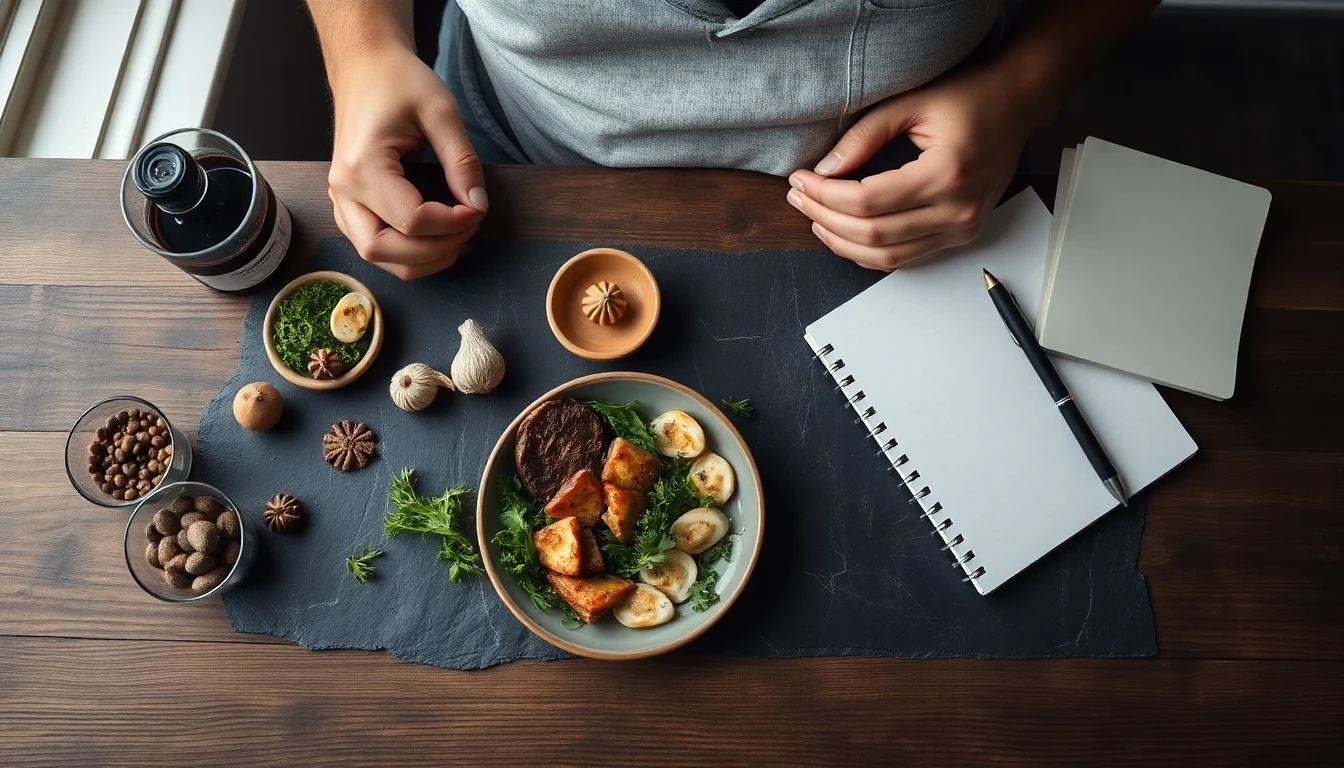
A simple notebook remains one of the most effective tracking tools. It requires no technology, works anywhere, and some people find the physical act of writing helps them be more mindful about what they're consuming.
Create columns for time, food/drink, amount, symptoms, and notes. Leave space for observations about context—were you rushed, stressed, or particularly hungry? These details often prove crucial when reviewing patterns later.
Digital Apps and Spreadsheets
Digital tracking offers advantages like easier pattern analysis, photo documentation, and the ability to share records instantly with healthcare providers. A simple spreadsheet can work well, or you might prefer dedicated apps that include symptom tracking features.
The key is choosing something you'll use consistently. If you're always on your phone anyway, a mobile app with notifications might keep you on track. If you prefer working at a computer, a detailed spreadsheet might suit you better.
Photo Documentation
Taking photos of your meals provides a visual record that captures portion sizes and ingredient combinations you might forget to write down. This works particularly well when combined with brief written notes about symptoms and timing.
Photos also help when discussing your diet with professionals, as they can see exactly what 'a normal portion' or 'mixed salad' means to you, rather than working from descriptions alone.
How to Identify Patterns in Your Food Diary
After maintaining your diary for 2-4 weeks, you'll have enough data to start looking for connections. This detective work requires patience and objectivity—it's easy to see patterns that aren't really there or miss ones that are.
Weekly Review Sessions
Set aside 20-30 minutes each week to review your entries. Look at the days when symptoms were worse and identify what those days had in common. Did you eat a particular food? Were you more stressed? Did you skip meals or eat at unusual times?
Use highlighters or digital tags to mark different food groups or symptom types. Yellow for dairy, green for gluten-containing foods, pink for digestive symptoms, blue for headaches. Visual patterns often emerge more clearly than when simply reading through entries.
Common Patterns to Watch For
Some trigger patterns are more obvious than others. Here's what to look out for:
- Immediate reactions — Symptoms appearing within minutes to 2 hours suggest potential food allergies or intolerances
- Delayed responses — Symptoms emerging 6-24 hours later are common with food intolerances and can be harder to spot
- Dose-dependent triggers — Small amounts cause no problems but larger portions trigger symptoms
- Cumulative effects — One serving is fine, but eating the same food multiple days running causes issues
- Combination triggers — Certain foods only cause problems when eaten together or with specific medications
- Contextual patterns — Foods trigger symptoms only when you're stressed, tired, or at certain times in your menstrual cycle
Testing Your Hypotheses
Once you've identified a potential trigger, you can test the connection by temporarily removing that food and observing whether symptoms improve. After 2-3 weeks, reintroduce it and see if symptoms return. This confirmation step is important because correlation doesn't always mean causation.
Keep your food diary running throughout this process. Sometimes removing one suspected trigger reveals another that was previously masked. Other times, you'll discover the original trigger wasn't the culprit after all, and something else is at play.
When to Seek Professional Help
A registered dietitian can review your food diary with expert eyes, spotting patterns you might miss and ensuring any dietary modifications are nutritionally sound. They can also coordinate with your GP to arrange appropriate testing when needed, such as breath tests for lactose intolerance or coeliac screening before trying a gluten-free diet.
The NHS recommends professional guidance for anyone considering significant dietary changes, particularly if symptoms persist despite modifications or if you're unsure about the safety of self-directed elimination diets.
- Severe symptoms — If you're experiencing significant pain, rapid weight loss, blood in stools, or symptoms that interfere with daily life, see your GP before restricting your diet
- Suspected food allergies — True food allergies can be dangerous and require proper medical testing, not DIY elimination
- Nutritional concerns — If you're considering removing major food groups (dairy, gluten, meat), consult a registered dietitian to ensure you maintain adequate nutrition
- Existing medical conditions — If you have diabetes, kidney disease, or take multiple medications, dietary changes should be supervised to avoid interactions or complications
- No clear patterns — If you've maintained a detailed diary for 4-6 weeks and can't identify any triggers, professional help can offer fresh perspective and potentially identify non-food causes
- Disordered eating risk — If tracking becomes obsessive or anxiety-inducing, stop and seek support from a healthcare professional experienced in eating disorders
How FreshPlate Helps with Food Tracking
Whilst traditional food diaries provide valuable insights, they take consistent effort and a fair bit of patience. FreshPlate takes some of the legwork out of the logging side: you can add meals by photo, barcode or search, and if a pack isn't in any database, the app reads it off its own label on your phone. The nutrition table fills in the numbers, and the ingredients are checked against your allergens and food rules. It never calls a pack safe, so you stay in charge of the final decision.
If you've made something yourself, such as a loaf, a tray bake or a pot of something, the Cook feature on the Meals tab measures it once from its ingredient lines, keeps it in your kitchen with a photo, and lets you log a slice or a portion in one tap from then on. Every food is stored per 100 g or ml with real measures, and a portion is only called a "serving" when the source declared one.
FreshPlate doesn't track symptoms, draw charts of how foods relate to how you feel, or suggest triggers, so keep your symptom notes in your own diary or a notebook alongside your meal log. Spotting patterns is still yours to do, ideally with your healthcare team. It's worth bringing a clear, consistent record of what you ate to those conversations.
Each recipe also has a For you tab, which shows what was actually checked for you, such as allergens, diet and religious rules. It gives a line on why the recipe suits your goal and conditions, and shows whether it fits what is left of your day. Anything the app can't verify is only ever noted, never ticked off. If you take medication, our free interaction checker on the website is a good place to start: type a medication or its brand name and see the foods to watch, in seconds. You'll find it at /website/tools/food-medication-checker/.
Frequently asked questions
How long should I keep a food diary to identify triggers?
+
Most people need 2-4 weeks of consistent tracking to identify meaningful patterns. This timeframe captures enough variety in your diet and potential symptom cycles (including hormonal fluctuations) to reveal reliable connections. If no patterns emerge after six weeks, consult a healthcare professional.
Should I track everything I eat or just potential trigger foods?
+
Track everything, including drinks, snacks, and condiments. Triggers often hide in unexpected places—like the oils used in cooking or small amounts of ingredients in processed foods. Complete records are essential because seemingly innocent foods might be the actual culprits.
Can food diaries help with weight management?
+
Yes, though symptom-focused food diaries serve a different purpose than weight loss tracking. They help identify foods that cause inflammation, bloating, or energy crashes—all of which can indirectly affect weight. However, if weight loss is your primary goal, you'll want to include calorie and activity tracking as well.
What if I forget to write something down immediately?
+
Do your best to record it as soon as you remember, noting the approximate time. Whilst real-time tracking is ideal, late entries are better than none. If you frequently forget, try setting phone reminders after typical meal times or keeping your diary somewhere highly visible.
How do I know if a pattern is real or just coincidence?
+
Look for consistency—the same food causing similar symptoms on multiple occasions (ideally 3-5 times) suggests a real connection. Test your hypothesis by removing the suspected trigger for 2-3 weeks, then reintroducing it. If symptoms disappear and return predictably, the pattern is likely genuine.
Sources
Did this answer your question?
Reece reads every reply. Questions we have not covered become new guides.
Get the essentials, straight to your inbox.
Get our free food diary guide by email — the key takeaways, food lists, and meal ideas from this guide, ready when you need them. One genuinely useful email a week — no spam, unsubscribe anytime.
Free forever. You'll also be first in line for the FreshPlate app — with a free trial at launch.