We Mapped 159 Food-Drug Rules Across 15 UK Medications
FreshPlate analysed 159 food verdicts across 15 common UK medication groups. Alcohol clashes with 14 of 15, grapefruit with 6 — and one "healthy" swap is the most dangerous of all.

By Reece Douglas · Founder, FreshPlate
Listen to this article
We Mapped 159 Food-Drug Rules Across 15 UK Medications
When we built our free food and medication interaction checker, we curated every entry from published UK guidance — NHS medicines pages, patient information leaflets, and standard prescribing references. That left us with something unusual: a structured dataset of 159 food verdicts across 15 of the most commonly prescribed UK medication groups, from warfarin and statins to Ozempic and MAOIs.
So we analysed it. Which foods clash with the most medications? Which drug carries the most restrictive diet in modern medicine? And how much of the standard advice is genuinely "never eat this" versus "it depends"? The answers surprised us — and one of them involves a product marketed as the healthy choice.
How we ran the analysis
Our checker dataset covers 15 medication groups: MAOIs, warfarin, DOACs (apixaban and friends), statins, levothyroxine, lithium, spironolactone, ACE inhibitors, metformin, methotrexate, SSRIs, tetracycline antibiotics, PPIs, corticosteroids, and GLP-1 agonists. Every food entry carries one of three verdicts — avoid, caution, or generally fine — grounded in NHS guidance, patient information leaflets, and standard prescribing references.
Across those 15 groups we hold 159 food verdicts: 28 avoids, 89 cautions, and 42 entries confirming a food is fine — because reassurance matters as much as warning. We then counted which foods appear across the most medication groups, and how the verdicts distribute per drug. Every number below comes straight from that dataset, and you can verify any of them yourself in the checker.
Finding 1: Alcohol clashes with 14 of the 15 medication groups
No other food or drink comes close. Alcohol carries a flag on 14 of the 15 medication groups we track — for completely different reasons each time, which is exactly why the advice is so hard to remember.
On warfarin and DOACs it raises bleeding risk. On metformin, heavy drinking risks lactic acidosis. On lithium it drives the dehydration that concentrates the drug toward toxicity. On methotrexate it stacks liver stress on liver stress. On SSRIs and GLP-1 medications like Ozempic it amplifies side effects and hypo risk. The only group in our dataset with no alcohol flag at all is levothyroxine.
- 14 of 15 medication groups carry an alcohol warning — the closest thing to a universal food-drug interaction
- The reason differs every time — bleeding, liver load, dehydration, hypos, drowsiness — so "can I drink on this?" always deserves a fresh answer
- Almost none of them mean total abstinence — most flags are "within guidelines, never binge", which is a very different instruction from "never"
Finding 2: Grapefruit is the most drug-tangled food in the supermarket
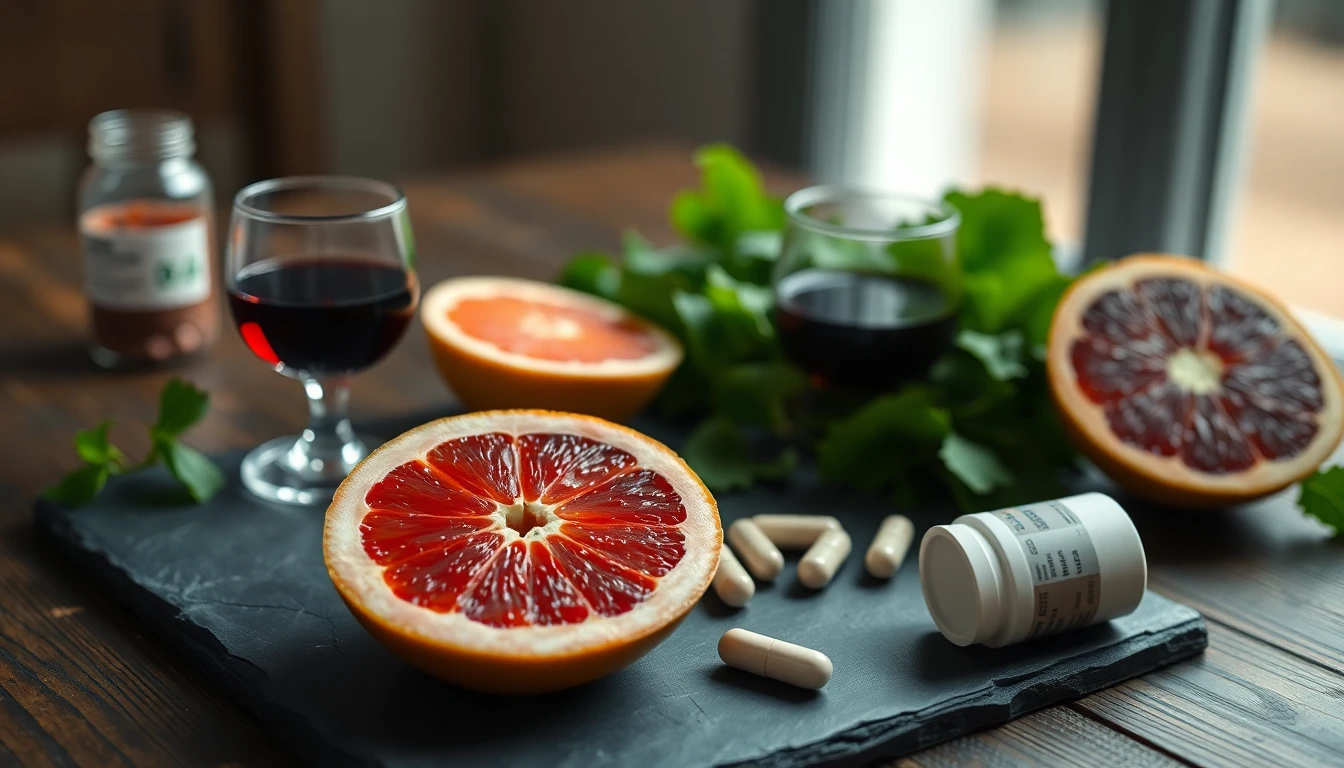
Grapefruit or grapefruit juice appears in 6 of our 15 medication groups — statins, warfarin, methotrexate, SSRIs, corticosteroids, and DOACs. The mechanism is the same each time: compounds in grapefruit block CYP3A4, the enzyme your gut uses to clear many drugs, so blood levels climb higher than your prescriber ever intended.
The nuance most articles miss is that the effect is wildly drug-specific. On simvastatin, grapefruit is a genuine avoid; on rosuvastatin it barely matters. One fruit, six drug classes, and the correct answer changes with the exact tablet in your blister pack — which is precisely why generic diet advice fails people on medication.
Finding 3: The most dangerous product is marketed as the healthy choice
Here is the finding we would put on a billboard. Potassium-based salt substitutes — the reduced-sodium products sold as the heart-healthy swap — are flagged on three medication groups in our dataset, and on two of them (spironolactone and ACE inhibitors) they are an outright avoid.
These products replace sodium chloride with potassium chloride. On drugs that already make your body retain potassium, that "healthy" swap concentrates exactly the mineral your kidneys are struggling to shed — and dangerously high potassium can disturb heart rhythm with no warning symptoms at all. Millions of people in the UK take an ACE inhibitor like ramipril. The overlap between "people advised to cut salt" and "people on blood pressure medication" is enormous, and almost nobody tells them the low-sodium substitute is the one product to skip.
Finding 4: MAOIs still demand the most restrictive diet in medicine
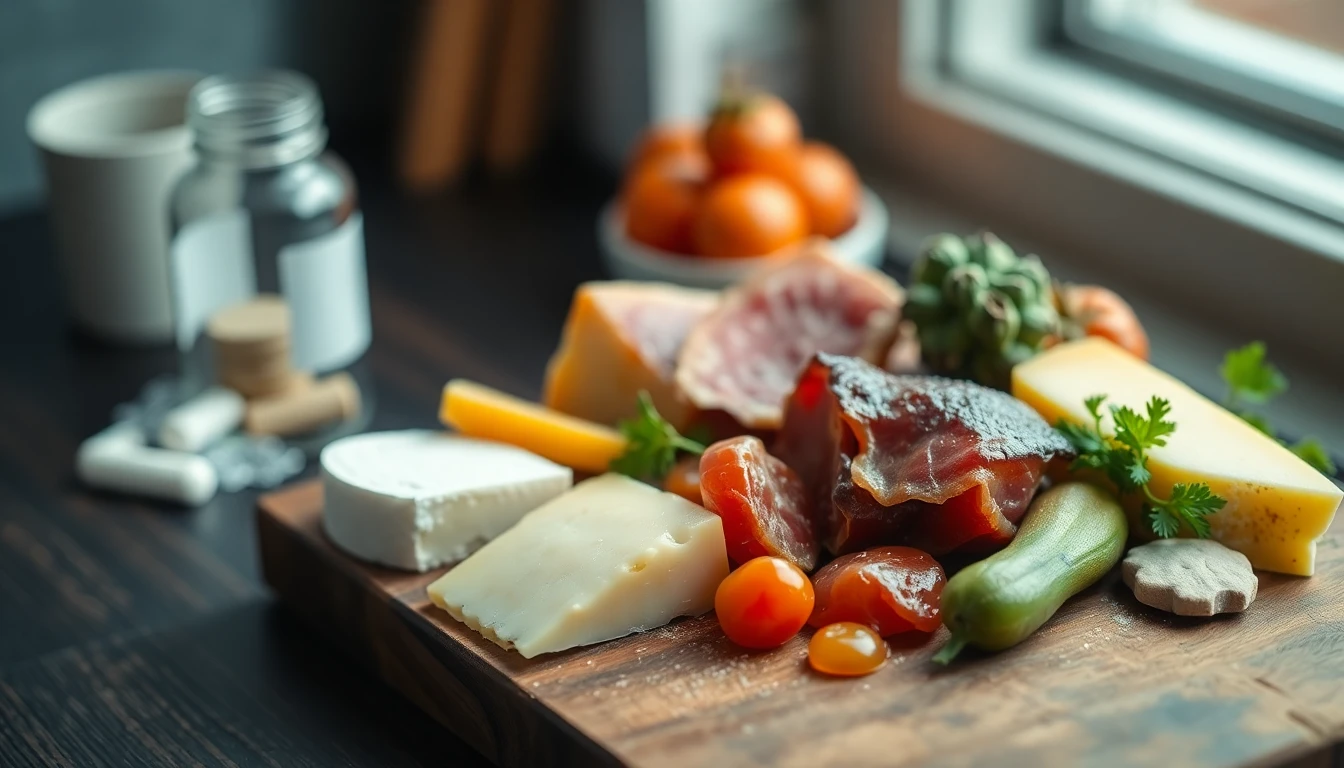
Of the 28 outright "avoid" verdicts in our dataset, 19 belong to a single drug class: MAOI antidepressants. We track 47 foods for MAOIs — three times more than any other medication — because tyramine-rich foods can trigger a hypertensive crisis on these drugs.
What makes the MAOI diet uniquely difficult is that the risk lives in a process, not an ingredient list: tyramine rises as food ages, ferments, or spoils. The same chicken breast is fine cooked fresh and a risk as three-day-old leftovers. It is the clearest example in medicine of why a static "foods to avoid" leaflet cannot keep someone safe — freshness and storage are half the story.
Finding 5: "It depends" outnumbers "never" three to one
The scare-story framing of food-drug interactions — forbidden foods, danger lists — is mostly wrong. In our dataset, caution verdicts outnumber avoids 89 to 28. The real skill of eating on medication is rarely elimination; it is one of three quieter disciplines.
- Consistency — on warfarin, vitamin K foods are not banned; sudden changes are the danger. The same logic governs salt on lithium and caffeine on both.
- Timing — levothyroxine and tetracycline antibiotics have almost no forbidden foods, just gaps to respect: dairy, iron, and calcium simply need to be hours away from the dose.
- Freshness — on MAOIs, storage and ripeness matter as much as the food itself.
Finding 6: The newest drugs have the fewest food rules
GLP-1 medications — semaglutide (Ozempic, Wegovy), tirzepatide (Mounjaro) — are the only group in our dataset with zero outright avoids. Their food story is about tolerability and body composition: fatty and fried foods sit badly in a slowed stomach, and without deliberate protein intake a large share of the weight lost can be muscle.
The anticoagulant story shows the same direction of travel. Warfarin carries 13 food flags including the famous leafy-green rules; the DOACs that increasingly replace it carry six, and our dataset explicitly marks kale and spinach as fine on apixaban. Pharmacology is slowly freeing the dinner plate — but only if patients are told the rules changed with their prescription.
What this means — and how FreshPlate handles it
Three disciplines — consistency, timing, freshness — plus a short list of genuine avoids, all of which change from drug to drug. That is too much for anyone to hold in their head while deciding what to cook on a Tuesday, and it is exactly the problem FreshPlate exists to solve: every recipe checked against your medications automatically, with the reasoning shown for every meal.
Until the app launches, the dataset behind this study is free to use: type any food into our food and medication interaction checker and get the verdict — with the reason why — for any of the 15 medication groups. And if you spot a verdict you disagree with, our editorial policy explains how to challenge it; conservative and corrected beats confident and wrong.
Frequently asked questions
Which food interacts with the most medications?
+
Alcohol, by a distance — it carries a warning on 14 of the 15 medication groups in our dataset, for reasons ranging from bleeding risk on anticoagulants to lactic acidosis risk on metformin. Among solid foods, grapefruit leads with 6 of 15 groups.
What is the most dangerous everyday food-drug interaction?
+
By severity and obscurity combined: potassium-based salt substitutes on potassium-sparing medication (spironolactone, ACE inhibitors). They are marketed as the healthy choice yet deliver concentrated potassium chloride to people whose kidneys are already retaining potassium — and dangerously high potassium can affect heart rhythm without warning symptoms.
Which medication has the strictest diet?
+
MAOI antidepressants. We track 47 foods for MAOIs — 19 of them outright avoids — because aged, fermented, cured, and spoiled foods can trigger a dangerous blood pressure spike. No other medication group in our dataset comes close.
Where does this data come from?
+
The 159 verdicts are curated from published UK guidance: NHS medicines pages, patient information leaflets, and standard prescribing references, kept deliberately conservative. The full dataset powers our free interaction checker, where every verdict and its reasoning is visible.
Does this replace advice from my pharmacist?
+
No. This is an analysis of general guidance — it cannot account for your dose, kidney function, other medicines, or conditions. Use it to ask better questions, then let your prescriber or pharmacist give you the answer that fits your situation.
Sources
Did this answer your question?
Reece reads every reply. Questions we have not covered become new guides.
Eating around food-drug interactions shouldn’t be guesswork.
Get our free food-drug interactions food guide by email — the foods to watch, safe swaps, and meal ideas that work with your medication. One genuinely useful email a week — no spam, unsubscribe anytime.
Free forever. You'll also be first in line for the FreshPlate app — with a free trial at launch.