Gabapentin Weight Gain Diet: Managing Side Effects
Practical dietary strategies to manage weight gain while taking gabapentin for nerve pain. Evidence-based nutrition tips to support your treatment.

By Reece Douglas · Founder, FreshPlate

Listen to this article
Gabapentin Weight Gain Diet: Managing Side Effects
If you've been prescribed gabapentin for nerve pain, post-herpetic neuralgia, or seizures, you may have noticed changes to your appetite or weight. You're not alone—weight gain affects roughly 2-7% of people taking this medication, though some studies suggest the actual number may be higher when accounting for longer-term use. Understanding why this happens and what you can do about it makes a significant difference to your quality of life.
The good news is that weight gain from gabapentin isn't inevitable, and thoughtful dietary strategies can help you maintain a healthy weight without compromising your pain management. This guide explores the connection between gabapentin and weight changes, offering practical, evidence-based nutrition approaches that work alongside your treatment plan.
Why Does Gabapentin Cause Weight Gain?
Gabapentin, also sold under the brand name Neurontin, affects how your body processes certain neurotransmitters involved in pain signalling. While the exact mechanisms behind weight gain aren't completely understood, researchers have identified several contributing factors that explain why some people experience this side effect.
The medication appears to influence appetite regulation in the brain, potentially increasing feelings of hunger or cravings—particularly for carbohydrate-rich foods. Additionally, gabapentin can cause fluid retention in some individuals, which may account for initial weight increases. For those taking the medication long-term for chronic nerve pain, reduced physical activity due to pain itself, combined with improved sleep (another side effect of gabapentin), may also contribute to gradual weight gain.
Individual Variation in Side Effects
It's important to recognise that not everyone taking gabapentin will experience weight gain. Individual responses vary considerably based on dosage, duration of treatment, genetic factors, and baseline metabolism. Some people actually experience weight loss, whilst others notice no change at all. Monitoring your own response during the first few months of treatment helps you understand your personal pattern and adjust your approach accordingly.
Dietary Strategies to Manage Gabapentin Weight Gain
Rather than accepting weight gain as an unavoidable consequence, you can implement targeted nutrition strategies that address the specific mechanisms through which gabapentin affects your body. These approaches focus on managing increased appetite, stabilising blood sugar, and optimising nutrient density to support overall health whilst taking this medication.
Prioritise Protein at Every Meal
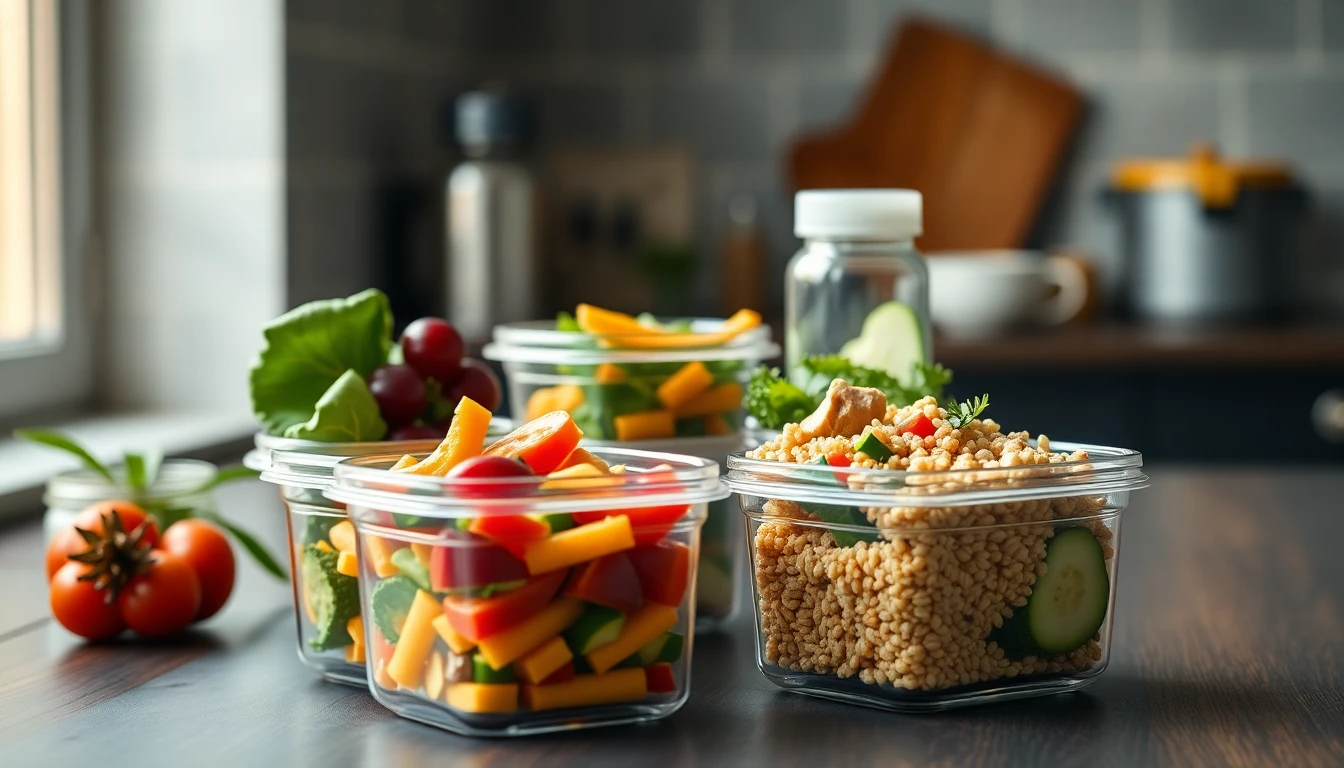
Protein is your strongest ally when managing medication-related appetite changes. It promotes satiety more effectively than carbohydrates or fats, helping you feel fuller for longer and reducing the likelihood of snacking between meals. Aim for 20-30 grams of protein at each main meal.
- Lean poultry — chicken breast or turkey provide high-quality protein without excessive calories
- Oily fish — salmon, mackerel, and sardines offer protein plus anti-inflammatory omega-3 fats beneficial for nerve health
- Eggs — versatile, affordable, and packed with nutrients; two eggs provide approximately 12 grams of protein
- Greek yoghurt — contains roughly double the protein of regular yoghurt, excellent for breakfast or snacks
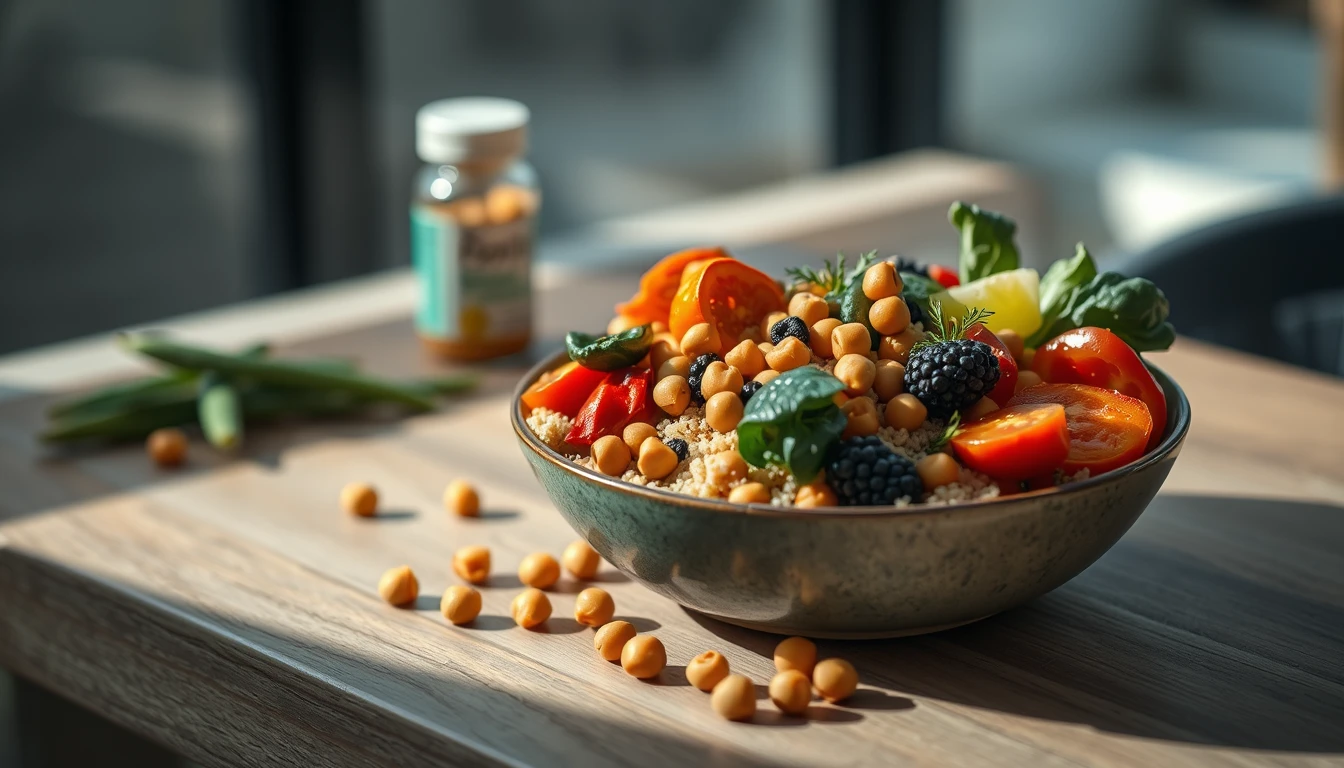
- Pulses and legumes — lentils, chickpeas, and beans offer plant-based protein with added fibre for blood sugar control
Balance Blood Sugar Levels
Gabapentin may influence how your body responds to glucose, and appetite surges often correlate with blood sugar fluctuations. Choosing low-glycaemic foods that release energy steadily helps prevent the hunger spikes that can lead to overeating.
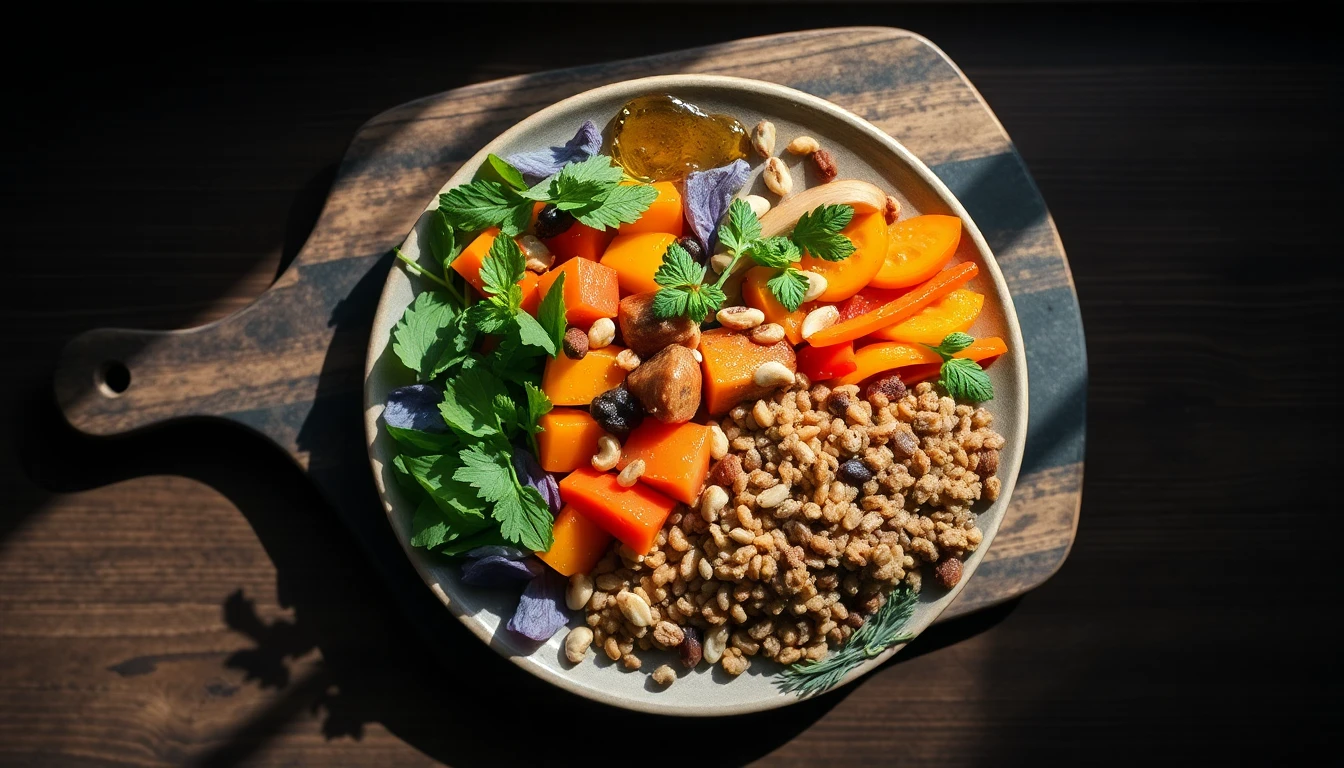
- Wholegrain options — brown rice, quinoa, and wholemeal pasta release glucose more gradually than refined alternatives
- Non-starchy vegetables — broccoli, cauliflower, spinach, and courgettes add volume and nutrients without spiking blood sugar
- Healthy fats — avocado, nuts, seeds, and olive oil slow digestion and improve satiety
- Fibre-rich foods — aim for 30 grams daily through vegetables, fruits, wholegrains, and legumes to support stable blood sugar
Manage Portion Sizes Mindfully
If gabapentin has increased your appetite, you might find yourself eating larger portions without realising it. Simple portion control strategies help you respond appropriately to hunger cues without overeating.
Use smaller plates to naturally reduce serving sizes, and try serving meals already plated rather than family-style, which encourages second helpings. Eating slowly and putting your fork down between bites gives your brain time to register fullness—this signal can take 15-20 minutes to reach your conscious awareness.
Foods to Emphasise on a Gabapentin Weight Gain Diet
Building your meals around nutrient-dense, high-satiety foods makes it easier to manage your weight whilst ensuring your body receives the vitamins and minerals needed for optimal nerve function and overall health.
- Leafy greens — spinach, kale, and rocket provide B vitamins important for nerve health with minimal calories
- Berries — strawberries, blueberries, and raspberries offer antioxidants and fibre with natural sweetness to satisfy cravings
- Cruciferous vegetables — broccoli, Brussels sprouts, and cabbage are filling, nutrient-dense, and support healthy metabolism
- Lean proteins — prioritise fish, poultry, tofu, and legumes over higher-fat meat options
- Herbs and spices — ginger, turmeric, cinnamon, and garlic add flavour without calories and may have anti-inflammatory properties
- Water-rich foods — cucumbers, tomatoes, watermelon, and soups increase meal volume without adding excessive energy
Foods That Support Nerve Health
Since you're likely taking gabapentin for nerve-related conditions, it makes sense to emphasise foods that support nervous system function alongside weight management. B vitamins, particularly B12, B6, and folate, play crucial roles in nerve health. Magnesium, found in nuts, seeds, and dark leafy greens, supports nerve signalling and may help with sleep quality—beneficial since gabapentin can sometimes cause sleep disturbances.
Lifestyle Factors That Complement Your Diet
Nutrition doesn't work in isolation. Several lifestyle adjustments can significantly enhance your ability to manage weight whilst taking gabapentin, working synergistically with your dietary changes.
Gentle Physical Activity
If you're taking gabapentin for nerve pain, high-impact exercise might not be appropriate, but gentle movement remains important for weight management and overall wellbeing. Walking, swimming, yoga, or tai chi can help burn calories without exacerbating pain. Even 15-20 minutes of movement daily makes a measurable difference over time. Consult your GP or physiotherapist to identify suitable activities for your specific condition.
Sleep Hygiene
Gabapentin can affect sleep patterns—some people experience drowsiness, whilst others find their sleep quality improves. Poor or excessive sleep both correlate with weight gain through hormonal effects on appetite regulation. Aim for 7-9 hours of quality sleep, maintain consistent sleep and wake times, and avoid eating large meals within two hours of bedtime.
Stress Management
Chronic pain and medication management can be stressful, and stress itself drives appetite changes and weight gain through cortisol release. Mindfulness practices, gentle breathing exercises, or engaging in enjoyable hobbies can help moderate stress responses and reduce stress-eating behaviours.
When to Speak with Your Healthcare Provider
Whilst dietary strategies can effectively manage gabapentin-related weight gain for many people, sometimes medical input is necessary. Contact your GP or specialist if you experience rapid weight gain (more than 2-3 pounds per week), significant swelling in your legs or feet, or if weight gain is affecting your mental health or quality of life.
Your doctor may consider adjusting your gabapentin dose, switching to an alternative medication, or referring you to a dietitian for personalised support. Never stop or reduce gabapentin without medical supervision, as this can cause withdrawal symptoms and leave your underlying condition unmanaged.
In some cases, what appears to be medication-related weight gain may actually stem from other factors—thyroid changes, other medications you're taking, or underlying health conditions. A thorough medical review ensures you're addressing the actual cause.
How FreshPlate Supports Your Gabapentin Diet Journey
Managing weight whilst taking gabapentin requires balancing multiple nutritional priorities—controlling portions, choosing satisfying foods, supporting nerve health, and avoiding interactions—all whilst dealing with the challenges of chronic pain or neurological conditions. This is precisely the type of complexity FreshPlate was designed to handle.
When you enter gabapentin in your FreshPlate profile, our system automatically generates meal plans that account for common side effects like increased appetite and weight gain. Recipes are optimised for protein content and satiety, emphasising low-glycaemic options that help stabilise blood sugar and reduce cravings. Portion sizes are calculated based on your individual energy needs, and nutritional information is clearly displayed so you can make informed choices.
Beyond gabapentin, FreshPlate considers all your medications, dietary preferences, and health conditions to create truly personalised nutrition plans. If you're managing multiple medications or have additional dietary requirements—whether that's diabetes, food intolerances, or cardiovascular concerns—everything is integrated into one cohesive, practical meal plan. This means you can focus on your recovery and wellbeing, whilst FreshPlate handles the complex nutritional calculations in the background.
Frequently asked questions
How much weight do people typically gain on gabapentin?
+
Weight gain varies considerably between individuals. Clinical studies report that 2-7% of people experience noticeable weight gain, typically ranging from 2-10 pounds over several months. However, individual responses depend on dosage, duration of treatment, dietary habits, and activity levels.
Does gabapentin increase appetite or slow metabolism?
+
Gabapentin primarily appears to increase appetite and food cravings, particularly for carbohydrates, rather than directly slowing metabolism. Some individuals also experience fluid retention. The combination of increased hunger and potentially reduced activity due to pain conditions contributes to weight gain.
Can you lose weight while taking gabapentin?
+
Yes, weight loss is possible whilst taking gabapentin through mindful eating, appropriate portion control, and regular physical activity suited to your condition. Focusing on high-protein, high-fibre foods helps manage increased appetite, and many people successfully maintain or lose weight with consistent dietary strategies.
Should I avoid any specific foods whilst taking gabapentin?
+
There are no absolute food restrictions with gabapentin, though taking it with food can reduce stomach upset. Avoiding alcohol is advisable as it can intensify drowsiness and dizziness. To manage weight, it's sensible to limit refined carbohydrates and high-sugar foods that may trigger cravings.
How long does it take for weight to stabilise after starting gabapentin?
+
Most people notice appetite or weight changes within the first 1-3 months of starting gabapentin. Weight typically stabilises within 6 months as your body adjusts to the medication, though this varies individually. Implementing dietary strategies early helps prevent significant weight gain during this adjustment period.
Sources
Did this answer your question?
Reece reads every reply. Questions we have not covered become new guides.
Eating around gabapentin shouldn’t be guesswork.
Get our free gabapentin food guide by email — the foods to watch, safe swaps, and meal ideas that work with your medication. One genuinely useful email a week — no spam, unsubscribe anytime.
Free forever. You'll also be first in line for the FreshPlate app — with a free trial at launch.