Iron Rich Vegetarian Recipes: 7 UK Dinner Ideas
Discover 7 delicious iron-rich vegetarian dinner recipes that pair non-haem iron sources with vitamin C for better absorption. Family-friendly UK meals.

By Reece Douglas · Founder, FreshPlate
Listen to this article
Iron Rich Vegetarian Recipes: 7 UK Dinner Ideas
Iron deficiency is the most common nutritional deficiency in the UK, affecting around 3% of men and 8% of women, according to the British Nutrition Foundation. For vegetarians, meeting iron requirements requires a bit more planning because plant-based (non-haem) iron isn't absorbed as efficiently as the haem iron found in meat.
The good news? You can significantly boost iron absorption by pairing iron-rich plant foods with vitamin C sources in the same meal. This guide shares seven practical, family-friendly vegetarian dinner recipes that do exactly that, helping you build iron-rich meals that actually work for your body. Each recipe focuses on accessible UK ingredients and realistic cooking times for busy weeknights.
Understanding Non-Haem Iron and Absorption
Before we dive into the recipes, it's worth understanding why vegetarian iron sources need a bit of extra thought. Plant foods contain non-haem iron, which is absorbed at a rate of roughly 2-20%, compared to 15-35% for the haem iron in meat. However, certain dietary strategies can push absorption towards the higher end of that range.
The most effective strategy is including vitamin C in the same meal. Research shows that vitamin C can increase non-haem iron absorption by up to four times. Conversely, tannins in tea and coffee, calcium supplements, and phytates in unprocessed grains can inhibit absorption, so timing matters.
- Adult men need 8.7mg — of iron daily, whilst women aged 19-50 require 14.8mg due to menstrual losses
- Vitamin C partnership — citrus fruits, peppers, tomatoes, and broccoli all enhance iron uptake when eaten alongside iron sources
- Timing your cuppa — wait at least 30 minutes after an iron-rich meal before having tea or coffee to avoid inhibiting absorption
- Soaking and sprouting — these processes reduce phytates in pulses and grains, making iron more available
Best Vegetarian Iron Sources
When planning iron-rich vegetarian meals, focus on these plant foods that deliver significant amounts per serving:
- Pulses — lentils, chickpeas, kidney beans, and black beans provide 2-4mg per cooked 100g serving
- Leafy greens — spinach, kale, and spring greens offer 1.5-3.5mg per 100g cooked
- Tofu — firm tofu contains around 3mg per 100g, plus it's a complete protein
- Nuts and seeds — cashews, pumpkin seeds, and sesame seeds provide 2-4mg per 30g serving
- Fortified foods — many breakfast cereals and plant milks are fortified with iron
- Wholegrains — quinoa, bulgur wheat, and wholemeal bread contribute useful amounts
Seven Iron-Rich Vegetarian Dinner Recipes
These recipes have been designed to combine iron-rich ingredients with vitamin C sources naturally, creating balanced meals that support optimal iron absorption. Each serves four people and can be adapted to suit different dietary needs.
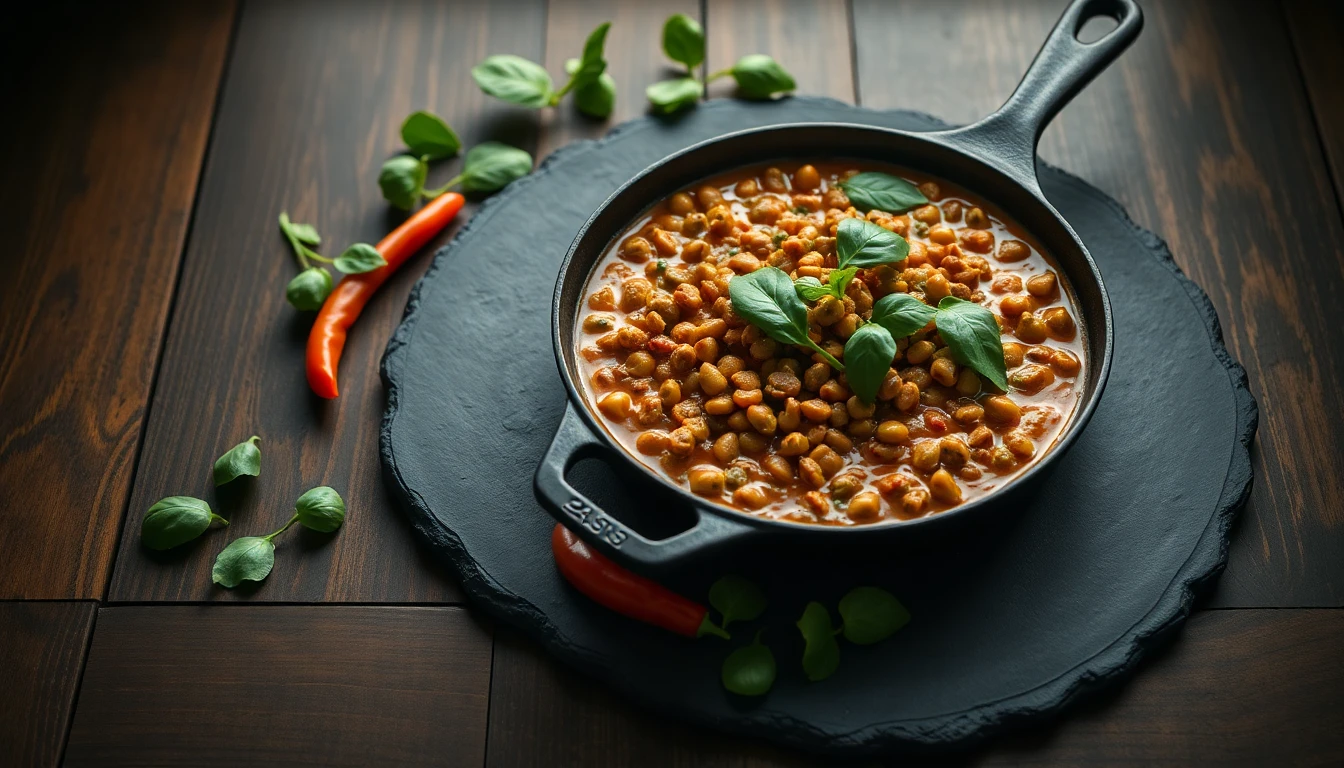
1. Lentil and Red Pepper Dhal with Tomatoes
This warming curry pairs iron-rich red lentils with vitamin C-packed red peppers and tomatoes. One portion provides approximately 5-6mg of iron.
- Base ingredients — 300g red lentils, 2 diced red peppers, 400g tinned tomatoes, onion, garlic, ginger
- Spices — cumin, coriander, turmeric, and garam masala add flavour without inhibiting absorption
- Serving suggestion — with brown rice and a squeeze of fresh lemon juice to boost vitamin C further
- Prep time — 35 minutes from start to finish
2. Spinach and Chickpea Curry with Cauliflower
Combining two iron powerhouses, this curry delivers around 7mg of iron per serving. The cauliflower provides additional vitamin C.
- Iron sources — 200g fresh spinach and 2 x 400g tins of chickpeas
- Vitamin C boost — half a cauliflower, chopped tomatoes, and finish with fresh coriander
- Make it creamy — add coconut milk for richness without dairy
- Batch-friendly — freezes beautifully for up to 3 months
3. Quinoa Stuffed Peppers with Black Beans
These colourful stuffed peppers are as nutritious as they are appealing, providing roughly 4-5mg of iron per serving.
- Core ingredients — 4 large bell peppers, 200g cooked quinoa, 400g tin black beans
- Extra iron — add chopped kale or spinach to the filling
- Vitamin C strategy — the peppers themselves are excellent vitamin C sources, plus top with fresh tomato salsa
- Family appeal — children often enjoy the presentation of stuffed vegetables
4. Tofu Stir-Fry with Broccoli and Cashews
A quick weeknight option that delivers around 6mg of iron per portion, ready in under 25 minutes.
- Protein and iron — 400g firm tofu, cubed and pan-fried until golden
- Vitamin C vegetables — broccoli, red peppers, and pak choi all enhance iron uptake
- Cashew boost — 50g cashews add extra iron, texture, and healthy fats
- Sauce — tamari or soy sauce with ginger, garlic, and a splash of lime juice
5. Mediterranean White Bean and Kale Stew
This rustic stew is comfort food that happens to be incredibly nutritious, offering 5-6mg of iron per bowl.
- Bean base — 2 x 400g tins of cannellini or butter beans
- Greens — 150g kale, roughly chopped and stirred through
- Tomato foundation — passata and fresh tomatoes provide vitamin C and rich flavour
- Serving tip — wholemeal crusty bread on the side, and squeeze lemon over just before eating
6. Sesame-Crusted Halloumi with Lentil Salad
A lighter option perfect for warmer evenings, delivering around 4mg of iron with excellent absorption potential.
- Lentil salad — 200g cooked Puy lentils with cherry tomatoes, cucumber, and red onion
- Halloumi preparation — coat 250g halloumi slices in sesame seeds before grilling
- Citrus dressing — lemon juice and olive oil enhance both flavour and iron absorption
- Quick assembly — ready in 20 minutes if using pre-cooked lentils
7. Kidney Bean Chilli with Peppers
A British favourite adapted for iron intake, this chilli provides approximately 6-7mg of iron per serving.
- Bean combination — 2 x 400g tins kidney beans plus 200g red lentils for extra iron
- Pepper trio — use red, yellow, and green peppers for maximum vitamin C
- Tomato rich — tinned tomatoes, tomato purée, and fresh tomatoes all contribute
- Toppings — skip the soured cream and opt for fresh coriander and lime wedges instead
Maximising Iron Absorption in Your Meals
Beyond choosing the right ingredients, several practical strategies can help you get the most iron from your vegetarian dinners.
First, consider your cooking methods. Using cast iron cookware can actually increase the iron content of acidic foods like tomato-based sauces. The longer the cooking time and the more acidic the food, the more iron leaches into your meal.
- Separate iron meals from calcium — whilst both nutrients are important, calcium can inhibit iron absorption, so avoid taking calcium supplements with iron-rich meals
- Fresh vitamin C wins — whilst cooking doesn't destroy all vitamin C, adding fresh lemon juice, lime juice, or raw peppers just before serving maximises the benefit
- Soak your pulses — overnight soaking of dried beans and lentils reduces phytate content by up to 50%, improving iron availability
- Fermented foods help — the fermentation process in foods like tempeh and sourdough bread also reduces phytates
- Mind your beverages — drink water or fruit juice with meals rather than tea or coffee
When to Consider Supplements
Whilst a well-planned vegetarian diet can meet iron needs for most people, some groups may need extra support. If you're experiencing symptoms like unusual tiredness, pale skin, shortness of breath, or heart palpitations, speak to your GP about testing your iron levels.
Pregnant women, those with heavy menstrual periods, regular blood donors, and people with conditions affecting absorption may require supplementation. Always have your iron status checked before starting supplements, as excessive iron can be harmful. The NHS advises that most people should be able to get all the iron they need from their daily diet.
Meal Planning for Consistent Iron Intake
Meeting your iron requirements isn't about one perfect meal—it's about consistent intake across the week. Planning your dinners in advance helps ensure you're regularly including iron-rich ingredients.
A practical approach is to base at least four dinners per week around pulses (lentils, chickpeas, beans) and ensure each meal includes a vitamin C source. The remaining meals can feature tofu, tempeh, or eggs (if you're lacto-ovo vegetarian) alongside dark leafy greens.
- Batch cook wisely — dhals, curries, and bean stews freeze excellently, giving you iron-rich convenience meals
- Prep your veg — wash and chop peppers, broccoli, and tomatoes on Sunday for easy weeknight additions
- Keep tins stocked — tinned pulses, tomatoes, and fortified plant milks are budget-friendly iron insurance
- Rotate recipes — using these seven dinners on a two-week rotation ensures variety whilst maintaining iron intake
- Monitor your energy — if you're eating well but still feel fatigued, it's worth checking in with your healthcare provider
How FreshPlate Helps You Plan Dinners Around Your Own Needs
Planning iron-rich meals whilst keeping your food preferences, allergens and medications in mind can feel like a lot to hold in your head. FreshPlate takes some of that weight, and shows its workings as it goes.
Every recipe the app generates is built around your own medication list, added by brand or generic name from the NHS's own medicines list, and onboarding asks about cultural and religious food preferences (halal, kosher, Caribbean, South Asian and more) so recipes respect them. Fatal allergens are treated with zero tolerance: the recipe brief forbids them, with expanded aliases (pork also means chorizo, bacon, ham), and a keyword filter checks every title and ingredient again after the recipe is generated.
Each recipe also has a For you tab. It shows what was actually checked (allergens, diet, religious rules, with anything the app cannot verify only ever noted, never ticked), a line on why the recipe suits your goal and conditions, and whether it fits what is left of your day. It also lists your medicines. For about 170 of them, the NHS or US FDA words about food are quoted word for word with a link to the checker page, and for the rest it says there is no advice on file yet and points you to your pharmacist. Recipes you keep go onto a shopping list, so you can focus on cooking and enjoying your meals.
Frequently asked questions
How much iron do vegetarians need daily?
+
Adult men need 8.7mg daily, whilst women aged 19-50 require 14.8mg. Some nutritionists suggest vegetarians may benefit from consuming 1.8 times these amounts due to lower absorption of non-haem iron, though this isn't an official NHS recommendation.
What vegetarian foods are highest in iron?
+
Pulses (lentils, chickpeas, kidney beans), tofu, pumpkin seeds, cashew nuts, quinoa, and dark leafy greens like spinach and kale are among the richest vegetarian iron sources, providing 2-4mg per typical serving.
Can you absorb enough iron from a vegetarian diet?
+
Yes, absolutely. Whilst plant-based iron is less readily absorbed than meat-based iron, pairing iron-rich foods with vitamin C sources in the same meal can increase absorption by up to four times, making it entirely possible to meet iron needs through diet alone.
Should I avoid tea if I'm worried about iron levels?
+
You don't need to eliminate tea, but timing matters. The tannins in tea can reduce iron absorption by up to 60%, so it's best to enjoy your cuppa at least 30 minutes before or after iron-rich meals rather than during them.
How quickly can I raise my iron levels with diet?
+
If you're mildly low in iron, consistently eating iron-rich meals with vitamin C can improve levels within 2-3 months. However, if you're significantly deficient or anaemic, you'll likely need medical iron supplements alongside dietary changes, which typically show improvements within 4-8 weeks.
Sources
Did this answer your question?
Reece reads every reply. Questions we have not covered become new guides.
Enjoyed these? There’s more where they came from.
Get fresh iron recipes and meal ideas by email — practical, healthy, and built for real weeknights. One genuinely useful email a week — no spam, unsubscribe anytime.
Free forever. You'll also be first in line for the FreshPlate app — with a free trial at launch.