Low Oxalate Recipes: Meals to Prevent Kidney Stones
Discover delicious low oxalate recipes that help prevent kidney stones. Practical meal ideas, portion guidance, and smart substitutions for everyday cooking.

By Reece Douglas · Founder, FreshPlate
Listen to this article
Low Oxalate Recipes: Meals to Prevent Kidney Stones
If you've ever experienced a kidney stone, you'll know it's something you never want to repeat. For the roughly 80% of kidney stones that are calcium oxalate stones, managing dietary oxalate is a key prevention strategy. But understanding oxalate content in foods can feel overwhelming, especially when some surprisingly healthy foods top the high-oxalate list.
The good news? You don't need to eliminate all oxalates from your diet. Most experts recommend keeping daily oxalate intake below 50-100mg, which still leaves room for variety and flavour. This guide shares practical low oxalate recipes, portion guidance, and clever substitutions to help you build satisfying meals that support kidney health without sacrificing enjoyment at the table.
Understanding Oxalates and Kidney Stone Formation
Oxalates are naturally occurring compounds found in many plant foods. In your digestive system, oxalate can bind with calcium to form calcium oxalate crystals. Whilst most people excrete these without issue, some individuals are prone to forming kidney stones when oxalate levels become too concentrated in the urine.
Your risk factors include dehydration, certain medical conditions affecting absorption, previous stone formation, and dietary patterns high in oxalate-rich foods. The goal isn't oxalate elimination—that's neither possible nor necessary—but rather mindful reduction combined with adequate calcium intake and proper hydration.
Oxalate Content Categories
Foods are typically classified into three oxalate levels to help with meal planning:
- Low oxalate — Less than 2mg per serving; safe to eat freely
- Moderate oxalate — 2-10mg per serving; limit to 2-3 servings daily
- High oxalate — More than 10mg per serving; enjoy occasionally in small portions
The Calcium Connection
Counterintuitively, eating calcium-rich foods alongside oxalate-containing meals actually helps. Calcium binds to oxalate in your digestive tract before it reaches your kidneys, allowing both to pass harmlessly through your system. This is why low-calcium diets can paradoxically increase kidney stone risk.
Low Oxalate Breakfast Recipes and Ideas
Starting your day with a low oxalate breakfast sets a positive tone and leaves more room in your daily oxalate budget for lunch and dinner.
Creamy Porridge with Apple and Cinnamon
Traditional oats are moderately high in oxalates, but a 40g portion of rolled oats contains only about 5mg, making it acceptable in moderation. Cook with semi-skimmed milk (provides calcium), top with diced apple (low oxalate), a sprinkle of cinnamon, and a drizzle of honey. Avoid high-oxalate toppings like almonds, raspberries, or dark chocolate.
Scrambled Eggs with Cauliflower Hash
Eggs are naturally oxalate-free and protein-rich. Scramble two eggs with a splash of milk, and serve alongside cauliflower 'hash' made by pan-frying riced cauliflower with diced onion, paprika, and a touch of olive oil. Add grilled mushrooms for extra umami flavour—all low oxalate choices.
Greek Yoghurt Parfait
Layer full-fat Greek yoghurt (calcium-rich and oxalate-free) with sliced banana, a handful of blueberries, and pumpkin seeds. Whilst some nuts and seeds are very high in oxalate, pumpkin seeds are relatively low at about 4mg per tablespoon, making them a safe crunchy addition.
Low Oxalate Lunch and Dinner Recipes
The key to satisfying low oxalate main meals is building around protein, low oxalate vegetables, and safe grains, then using herbs and spices for flavour depth.
Lemon Herb Chicken with Cauliflower Rice
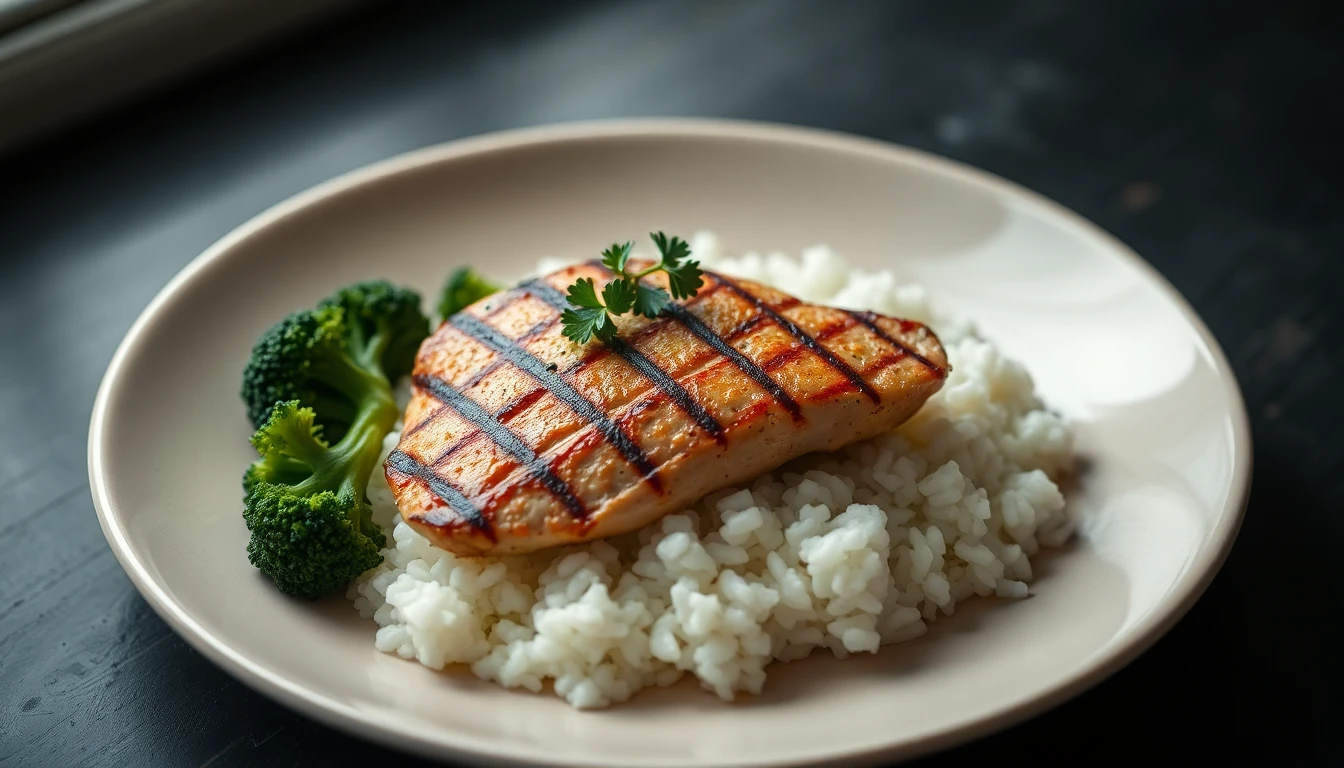
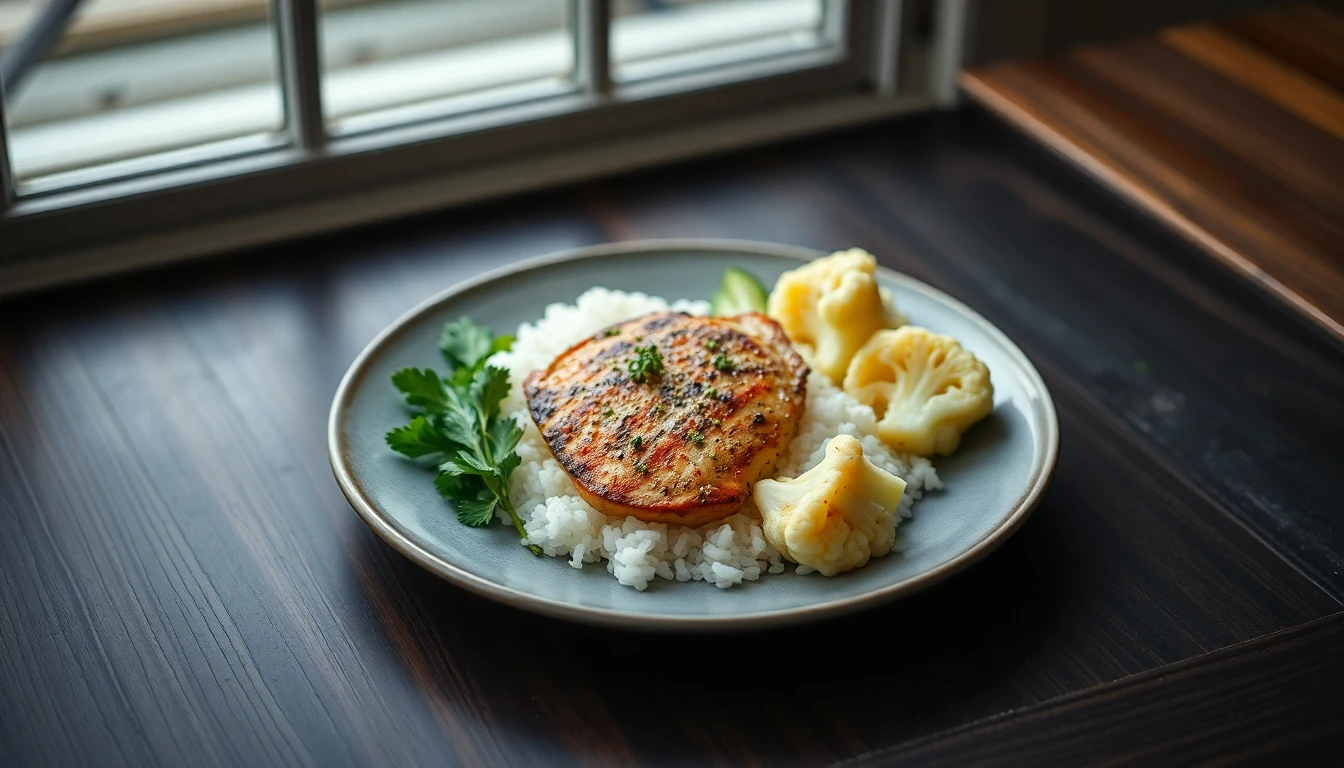
Marinate chicken breast in lemon juice, olive oil, garlic, and fresh thyme. Grill or bake until cooked through. Serve over cauliflower rice (very low oxalate at about 2mg per 100g) sautéed with butter and chives. Add a side of steamed courgette or roasted red pepper—both excellent low oxalate vegetables. This meal delivers under 10mg total oxalate whilst providing lean protein and plenty of flavour.
White Fish Curry with Basmati Rice
Create a mild curry using cod or haddock, coconut milk, ginger, garlic, and curry powder. White rice is low in oxalates (about 2mg per 100g cooked), making it a safe staple. Add pak choi or cabbage towards the end of cooking—both are low oxalate leafy greens that work beautifully in Asian-inspired dishes. Serve with fresh coriander and a squeeze of lime.
Turkey Meatballs with Courgette Noodles
Mix lean turkey mince with breadcrumbs, egg, garlic, and Italian herbs. Form into meatballs and bake. Toss with spiralised courgette 'noodles' and a simple tomato sauce made from tinned tomatoes (moderate oxalate but acceptable in 100g portions), garlic, basil, and olive oil. This lighter alternative to traditional pasta reduces oxalate whilst maintaining comfort food satisfaction.
Beef Stir-Fry with Mushrooms and Peppers
Slice beef sirloin thinly and stir-fry with sliced mushrooms, red and yellow peppers, spring onions, and garlic in sesame oil. Season with ginger and a small amount of soy sauce. Serve over white rice or rice noodles. This combination keeps oxalates low whilst delivering plenty of vegetables and satisfying texture.
Smart Substitutions for High Oxalate Foods
Many surprisingly 'healthy' foods are oxalate bombs. Making strategic swaps allows you to maintain nutritional variety without the oxalate load.
- Instead of spinach — Use cabbage, bok choy, or rocket in salads and cooked dishes. Spinach contains over 750mg oxalate per 100g cooked, whilst these alternatives have less than 5mg
- Instead of almonds — Choose macadamia nuts or pumpkin seeds. Almonds pack 122mg per 28g serving, whilst macadamias have just 11mg
- Instead of sweet potato — Opt for white potato, turnip, or swede. Sweet potatoes contain around 28mg per 100g baked, whilst white potatoes have only 3mg
- Instead of beetroot — Try radishes or red cabbage for colour and crunch. Beetroot delivers 152mg per 100g cooked
- Instead of rhubarb — Use apples, pears, or peaches in desserts. Rhubarb is exceptionally high at 860mg per 100g
- Instead of dark chocolate — Choose white chocolate or milk chocolate in small amounts. Dark chocolate contains up to 117mg per 100g
- Instead of black tea — Drink herbal teas like chamomile or peppermint, or choose white tea. Black tea can contain 40-80mg per cup
Portion Control for Moderate Oxalate Foods
Some nutritious foods fall into the moderate category and can be enjoyed in controlled portions. Limit these to one small serving per day: carrots (7mg per 100g raw), broccoli (4mg per 100g cooked), tomatoes (5mg per medium tomato), strawberries (4mg per 100g), and blueberries (4mg per 100g). Pair them with calcium-rich foods like cheese or yoghurt to reduce oxalate absorption.
Low Oxalate Snacks and Sides
Between-meal options and accompaniments round out your daily eating without adding significant oxalate.
- Cucumber with hummus — Cucumber is virtually oxalate-free; keep hummus portions modest as chickpeas are moderate
- Apple slices with cheddar — Both low oxalate and the calcium in cheese helps block any dietary oxalate
- Grilled courgette ribbons — Tossed with olive oil, lemon, and sea salt
- Cauliflower 'popcorn' — Roasted florets tossed with paprika and nutritional yeast
- Melon wedges — Honeydew and watermelon are both low oxalate refreshing options
- White rice crackers — With cottage cheese and cucumber
- Roasted red peppers — Stuffed with cream cheese and herbs
How FreshPlate Fits Into Low Oxalate Meal Planning
Keeping track of oxalate across every ingredient in every meal quickly becomes exhausting, and no app can take that work away entirely. What FreshPlate can do is keep your conditions in view. When you add a condition such as kidney stones to your profile, the app steers rather than prescribes: recipes lean towards what public UK guidance (NHS, BDA) says suits the condition, and the app never claims to treat, prevent or cure anything.
Each recipe also explains itself. The For you tab shows what was actually checked for you (allergens, diet, religious rules), gives a line on why the recipe suits your goal and conditions, and tells you whether it fits what is left of your day. Recipes you keep go onto a shopping list, which makes grocery trips simpler. If you have medications, every recipe is built around your own medication list, so your other health needs sit alongside your kidney stone planning rather than being treated as separate concerns.
Rather than spending hours second-guessing every meal choice, you can let FreshPlate handle some of the organising whilst you focus on enjoying varied, tasty food. For the detail of what suits you, your GP, pharmacist or a registered dietitian is the right person to ask.
Frequently asked questions
Can I ever eat high oxalate foods if I'm prone to kidney stones?
+
Yes, occasionally and in small portions. The goal is keeping your total daily oxalate below 50-100mg, not complete elimination. Enjoy high oxalate foods sparingly, paired with calcium-rich foods, and ensure you're well-hydrated.
Should I avoid calcium if I have calcium oxalate kidney stones?
+
No—this is a common misconception. Adequate calcium intake (preferably from food, not supplements taken alone) actually helps prevent stones by binding oxalate in your digestive system. Aim for 1,000-1,200mg calcium daily from sources like dairy, fortified plant milks, and leafy greens.
How much water should I drink to prevent kidney stones?
+
Aim for enough fluid to produce at least 2 litres of urine daily—typically 2.5-3 litres of total fluid intake. Water is best, though herbal teas and diluted fruit juice count. Proper hydration is one of the most important prevention strategies alongside dietary oxalate management.
Are all leafy greens high in oxalates?
+
No. Whilst spinach, Swiss chard, and beetroot greens are very high, many leafy greens are low: rocket, cabbage, bok choy, iceberg lettuce, and romaine lettuce all contain minimal oxalates and can be eaten freely.
Do cooking methods affect oxalate content?
+
Yes, boiling can reduce oxalate content by 30-90% as oxalates leach into cooking water. However, since you're better off choosing naturally low oxalate foods rather than trying to reduce high oxalate ones, this shouldn't be your primary strategy. Focus on food selection first, cooking methods second.
Sources
Did this answer your question?
Reece reads every reply. Questions we have not covered become new guides.
Enjoyed these? There’s more where they came from.
Get fresh kidney stones recipes and meal ideas by email — practical, healthy, and built for real weeknights. One genuinely useful email a week — no spam, unsubscribe anytime.
Free forever. You'll also be first in line for the FreshPlate app — with a free trial at launch.