Low Sodium Dinner Recipes: Batch Cooking Under 400mg
Flavourful batch cooking recipes all under 400mg sodium per portion. Freeze-ahead dinners using herbs and spices instead of salt, perfect for heart health.

By Reece Douglas · Founder, FreshPlate
Listen to this article
Low Sodium Dinner Recipes: Batch Cooking Under 400mg
Cooking low-sodium meals from scratch gives you complete control over your salt intake, but preparing dinner every single night can feel overwhelming. That's where batch cooking becomes transformative—especially when you're managing blood pressure, taking medications like ACE inhibitors or calcium channel blockers, or simply prioritising heart health. The challenge isn't just cutting sodium; it's creating meals that actually taste exciting enough to look forward to.
These low-sodium dinner recipes prove you don't need salt to build deep, satisfying flavour. Each portion stays under 400mg sodium—well within the NHS recommendation of no more than 6g (2,400mg) daily for adults, and ideal for those following stricter limitations. More importantly, they're all designed to freeze brilliantly, so you can cook once and eat multiple times without sacrificing taste or texture.
Why Batch Cooking Works for Low-Sodium Eating
When you're limiting sodium, convenience foods become off-limits almost immediately. A single supermarket ready meal can contain 2-3g of salt (800-1,200mg sodium), sometimes meeting half your daily allowance in one sitting. Batch cooking shifts the convenience back into your hands—you get the ease of heat-and-eat meals without the hidden sodium bomb.
Freezing doesn't diminish the flavour compounds in herbs, spices, or aromatics. In fact, some dishes like curries and stews often taste better after freezing because the flavours have more time to meld. The key is understanding which ingredients freeze well and how to package portions so you're not defrosting more than you need.
Freezer-Friendly Ingredients to Prioritise
Not all ingredients survive the freezer equally. Choosing the right base components ensures your low-sodium meals emerge as delicious as the day you cooked them.
- Lean proteins — chicken thighs, turkey mince, beans, and lentils all freeze exceptionally well and reheat without becoming rubbery
- Root vegetables — carrots, parsnips, swede, and sweet potato maintain texture better than watery vegetables like courgette or cucumber
- Tomato-based sauces — these improve with time and freeze beautifully, making them ideal for batch cooking
- Grains and pulses — cooked rice, quinoa, pearl barley, and pasta can be frozen in portions and added directly to reheated dishes
- Aromatic bases — onions, garlic, ginger, and celery create flavour foundations that remain robust after freezing
What to Avoid Freezing
- Cream-based sauces — these can split when reheated, though you can add fresh cream when serving
- Raw potatoes — they become grainy and unpleasant, so add fresh when reheating or use sweet potato instead
- Fresh herbs as garnish — add these after reheating for bright, fresh flavour rather than freezing them in the dish
Building Flavour Without Salt: The Herb and Spice Arsenal
The biggest myth about low-sodium cooking is that it's bland. The reality is that salt often masks poor technique—when you remove it, you're forced to become a better cook. Herbs, spices, acids, and umami-rich ingredients create layers of flavour that salt simply can't replicate on its own.
Think of flavour-building in stages: aromatics form the base (onions, garlic, ginger), spices add warmth and complexity (cumin, smoked paprika, turmeric), fresh herbs bring brightness (coriander, parsley, basil), and acids provide the 'pop' that makes everything sing (lemon juice, vinegar, tomatoes). When these elements work together, you won't miss the salt.
Essential Sodium-Free Flavour Boosters
- Smoked paprika — adds depth and a bacon-like quality without any sodium
- Nutritional yeast — provides a cheesy, umami flavour with zero salt (unlike Parmesan which is high in sodium)
- Fresh citrus juice and zest — brightens flavours and makes dishes taste more 'finished' without salt
- Dried mushroom powder — creates an earthy, savoury base layer rich in natural glutamates
- Toasted spices — dry-toasting cumin, coriander seeds, or fennel seeds before grinding releases essential oils that multiply their impact
- Fresh ginger and garlic — used generously, these aromatics create a flavour foundation that carries entire dishes
- Balsamic or apple cider vinegar — a splash added at the end lifts and balances flavours the way salt would
Five Low-Sodium Dinner Recipes for Batch Cooking
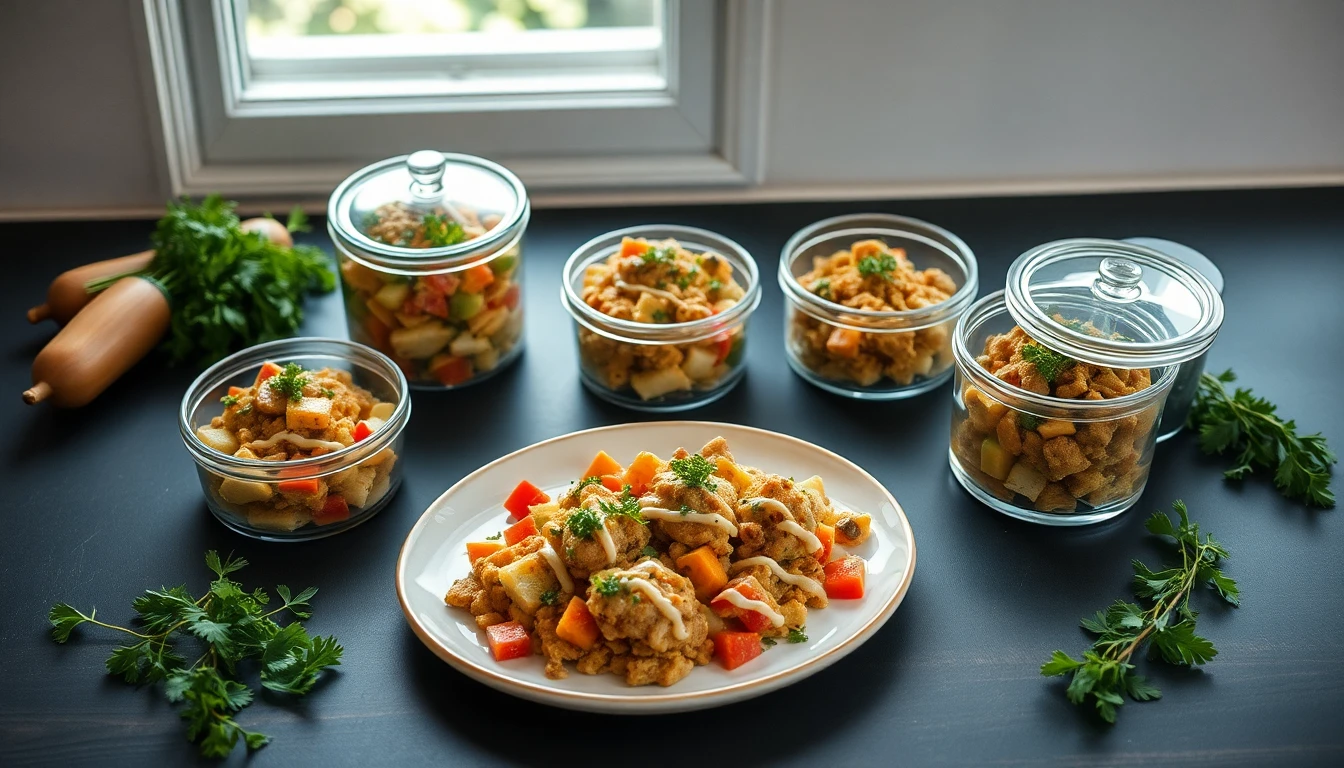
Each of these recipes serves six and keeps sodium under 400mg per portion. They're designed to be frozen in individual containers for maximum flexibility. Many people find batch cooking freezer meals transformative for maintaining consistent healthy eating patterns, particularly when managing specific dietary requirements.
Moroccan Chickpea and Sweet Potato Stew
Warming spices and naturally sweet vegetables create a deeply satisfying dinner at roughly 280mg sodium per portion. This stew improves after a day or two, making it perfect for batch cooking.
- Base: 2 large onions, 4 cloves garlic, thumb-sized piece of fresh ginger, all finely chopped
- Spices: 2 tbsp cumin seeds (toasted and ground), 1 tbsp coriander seeds (toasted and ground), 1 tbsp smoked paprika, 1 tsp turmeric, 1 tsp cinnamon
- Main ingredients: 800g sweet potato (cubed), 3 x 400g tins no-salt chickpeas (drained), 2 x 400g tins no-salt chopped tomatoes, 100g dried apricots (chopped)
- Liquid: 500ml no-salt vegetable stock (use homemade or sodium-free stock cubes)
- Finishing: juice of 1 lemon, large handful fresh coriander
Herb-Crusted Chicken with Root Vegetables
This one-tray wonder keeps sodium at approximately 320mg per portion whilst delivering restaurant-quality flavour. The herb crust stays crispy even after freezing and reheating.
- Chicken: 6 boneless, skinless chicken breasts (about 150g each)
- Herb crust: 4 tbsp fresh rosemary (finely chopped), 4 tbsp fresh thyme leaves, zest of 2 lemons, 3 cloves garlic (minced), 2 tbsp olive oil, 1 tsp black pepper
- Vegetables: 800g mixed root veg (carrots, parsnips, beetroot—all cubed), 2 red onions (cut into wedges), 2 tbsp olive oil, 1 tbsp balsamic vinegar
- Method: Coat chicken in herb mixture, roast at 200°C with vegetables for 35-40 minutes until chicken reaches 75°C internal temperature
Turkish-Spiced Turkey Mince with Lentils
At roughly 350mg sodium per portion, this protein-packed dish works brilliantly over rice, with flatbreads, or stirred through pasta. The combination of turkey and lentils creates excellent texture and makes the meat stretch further.
- Protein: 750g turkey breast mince (5% fat), 200g dried red lentils
- Aromatics: 2 large onions (diced), 1 red pepper (diced), 4 cloves garlic (minced)
- Spices: 2 tbsp cumin, 1 tbsp coriander, 2 tsp smoked paprika, 1 tsp cinnamon, ½ tsp cayenne pepper (adjust to taste), 1 tsp dried mint
- Sauce base: 2 x 400g tins no-salt chopped tomatoes, 2 tbsp tomato purée (no-salt variety), 400ml water
- Finishing: large handful fresh parsley, squeeze of lemon
Ginger-Garlic Salmon with Asian Greens
This omega-3 rich dinner comes in at approximately 390mg sodium per portion. Freeze the salmon and sauce separately from the greens, adding fresh pak choi or tenderstem broccoli when you reheat.
- Salmon: 6 salmon fillets (about 140g each), skin removed
- Marinade: 5cm piece fresh ginger (grated), 6 cloves garlic (crushed), 3 tbsp rice vinegar, 2 tbsp honey, 1 tbsp sesame oil, juice of 2 limes, 1 red chilli (finely chopped)
- Greens: 600g pak choi or tenderstem broccoli (add fresh when serving)
- To serve: sesame seeds, fresh coriander, lime wedges
Mediterranean White Bean and Vegetable Casserole
Rich in fibre and sitting at approximately 290mg sodium per portion, this vegetarian option proves that plant-based batch cooking can be just as satisfying as meat-based dishes. If you're managing blood pressure with medications, you might find it useful to understand how certain foods interact—our guide on beta blockers and food interactions covers relevant considerations.
- Base: 2 large onions (sliced), 1 fennel bulb (sliced), 4 cloves garlic (sliced), 2 courgettes (chunked), 1 aubergine (cubed)
- Beans: 3 x 400g tins no-salt cannellini beans (drained)
- Tomato base: 2 x 400g tins no-salt chopped tomatoes, 3 tbsp tomato purée (no-salt), 150ml red wine (optional—adds depth)
- Herbs: 2 tbsp dried oregano, 1 tbsp dried basil, 2 bay leaves, large handful fresh basil (added after cooking)
- Finishing: drizzle of good olive oil, black pepper, nutritional yeast for a 'Parmesan' effect
Portion Control and Sodium Tracking
One of the biggest advantages of batch cooking is precise portion control. When you divide a large batch into six equal containers immediately after cooking, you know exactly how much sodium each meal contains. This removes the guesswork that often derails low-sodium eating plans.
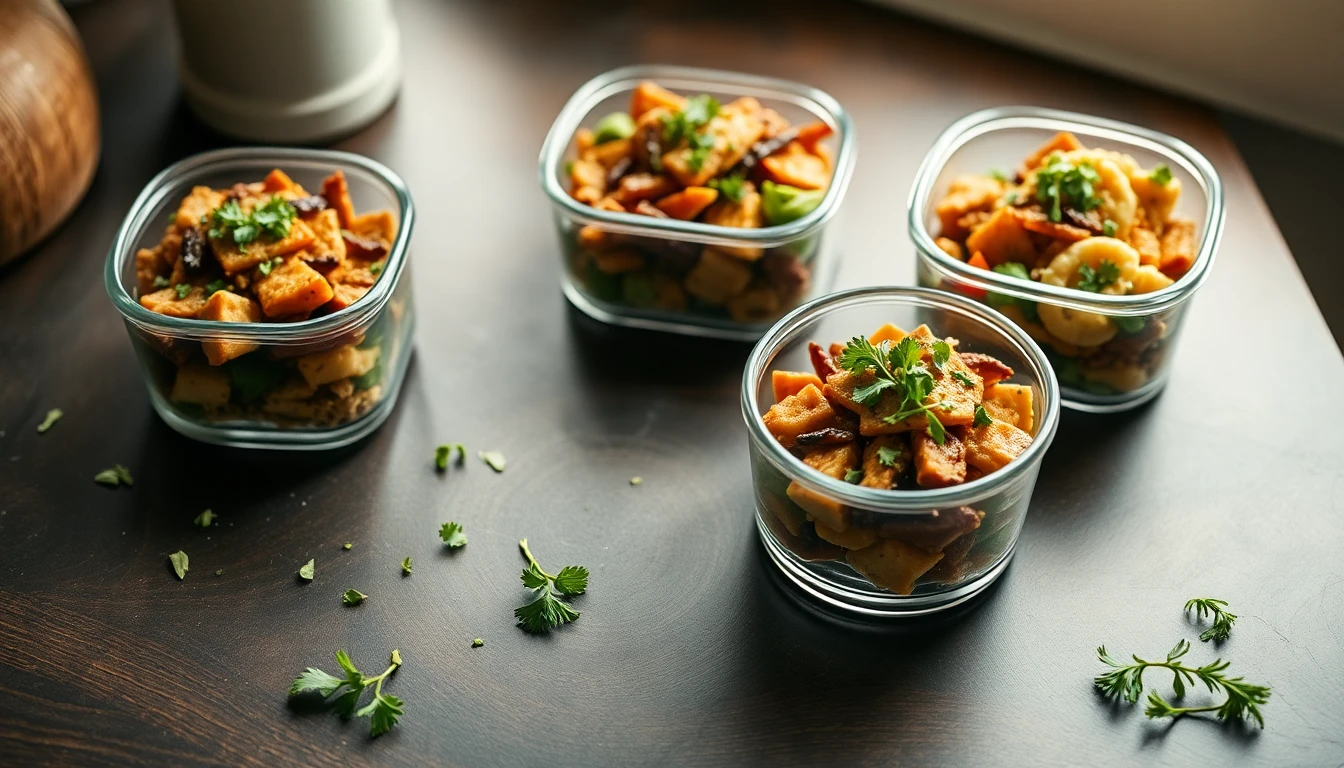
Label each container with the dish name, date cooked, and sodium content per portion. Most meals stay fresh in the freezer for up to three months, though they're usually eaten much sooner than that. Stack containers efficiently—flat, rectangular containers make better use of freezer space than round ones.
Reading Labels for Hidden Sodium
Even when cooking from scratch, sodium can sneak in through seemingly innocent ingredients. Becoming label-savvy protects your sodium budget.
- Tinned tomatoes — always choose 'no added salt' varieties, which typically contain 15-20mg sodium per 100g versus 200-300mg in standard versions
- Tinned beans and pulses — no-salt versions save you 300-400mg sodium per tin
- Stock cubes and liquid stock — standard versions contain 400-800mg per 100ml; look for 'low-sodium' or make your own by simmering vegetable scraps
- Tomato purée — check labels carefully as sodium content varies wildly between brands
- Spice blends — many contain hidden salt; buy individual spices and create your own blends
Natural Sources of Sodium to Account For
Some whole foods contain naturally occurring sodium that counts towards your daily total, though in much smaller amounts than processed foods.
- Celery — contains about 80mg sodium per 100g, which is why it's often used as a natural flavour enhancer
- Beetroot — roughly 80mg per 100g in its natural state
- Swiss chard and spinach — around 140-200mg per 100g when cooked
- Fresh meat and fish — contain 50-100mg per 100g naturally
Reheating for Best Results
How you reheat frozen meals affects both food safety and final texture. The goal is to bring the internal temperature to at least 75°C throughout whilst preserving moisture and flavour.
For stews, curries, and casseroles, defrost overnight in the fridge, then reheat gently in a saucepan over medium heat, adding a splash of water or stock if needed. Microwave reheating works but can create hot spots—stir thoroughly halfway through and let stand for two minutes before eating. For dishes with grains or pasta, adding a small amount of liquid prevents them from drying out.
Protein-based dishes like the herb-crusted chicken reheat best in the oven. Place frozen or defrosted portions in a covered dish at 180°C for 20-30 minutes (longer if frozen), removing the cover for the last five minutes to crisp any coating. For the salmon, gentle microwave reheating at 50% power works well, or you can eat it cold in salads.
How FreshPlate Can Help With Low-Sodium Cooking
Whilst these recipes provide a solid foundation for low-sodium batch cooking, managing sodium alongside medications, other health conditions, and personal taste preferences can become complex. If you're also considering cholesterol-lowering foods or managing multiple dietary requirements simultaneously, the planning burden multiplies quickly.
FreshPlate builds every recipe it generates around your own medication list, and respects the cultural and religious food preferences you set during onboarding. Each recipe has a For you tab that shows what was actually checked against your allergens, diet and religious rules, why the recipe suits your goal and conditions, and whether it fits what is left of your day. Recipes you keep go straight onto a shopping list, so there's less to piece together by hand.
If you batch cook your own dishes, Cook on the Meals tab can measure a pot of something, a tray bake or a loaf from its ingredient lines in one go. It works out the numbers per 100 g with a real serving size, keeps the food in your kitchen with a photo, and lets you log a portion in one tap from then on. And when you buy a pack, you can log it by photo, barcode or search, or have it read off its own label on your phone, with the ingredients checked against your allergens and food rules.
Frequently asked questions
Can I batch cook low-sodium meals without them tasting bland?
+
Absolutely. The key is building flavour through layers—toasted spices, fresh aromatics like garlic and ginger, acids like lemon juice and vinegar, and umami-rich ingredients like mushroom powder or nutritional yeast. These create complex, satisfying flavours that make salt unnecessary.
How long do batch-cooked low-sodium dinners last in the freezer?
+
Most properly stored meals remain safe and flavourful for up to three months. Use airtight containers, leave minimal headspace, and label with dates. Stews, curries, and bean-based dishes often improve after freezing as flavours continue to develop.
What's the best way to reduce sodium when cooking dried beans from scratch?
+
Soak and cook dried beans without adding salt—they'll absorb flavours from other ingredients during cooking. One cup of home-cooked beans contains roughly 2mg sodium versus 400-700mg in a tin of salted beans. Cooking a large batch and freezing portions saves time whilst controlling sodium.
Are low-sodium stock cubes worth using or should I make my own?
+
Low-sodium stock cubes (containing around 100mg per 100ml versus 800mg in standard versions) are convenient and acceptable. However, homemade stock from vegetable scraps, chicken bones, or mushroom stems contains virtually no sodium and offers richer flavour. Make large batches and freeze in ice cube trays for easy portioning.
Can I convert my favourite recipes to low-sodium versions for batch cooking?
+
Yes, with a few adjustments. Replace stock with low-sodium versions, use tinned tomatoes and beans marked 'no added salt', eliminate added salt and salty condiments, and increase herbs, spices, and aromatics by 50-100%. Acid (lemon, vinegar) added at the end mimics the 'brightness' that salt provides.
Sources
Did this answer your question?
Reece reads every reply. Questions we have not covered become new guides.
Enjoyed these? There’s more where they came from.
Get fresh low sodium recipes and meal ideas by email — practical, healthy, and built for real weeknights. One genuinely useful email a week — no spam, unsubscribe anytime.
Free forever. You'll also be first in line for the FreshPlate app — with a free trial at launch.