Nitrate Rich Foods Blood Pressure: Natural Lowering Guide
Discover how nitrate-rich foods like beetroot and leafy greens can lower blood pressure naturally. Evidence-based guide with timing tips for performance.

By Reece Douglas · Founder, FreshPlate
Listen to this article
Nitrate Rich Foods Blood Pressure: Natural Lowering Guide
If you're looking for natural ways to support healthy blood pressure, you might be surprised to learn that certain vegetables contain compounds that work remarkably similarly to some prescription medications. Nitrate-rich foods have gained significant attention in recent years, backed by robust research showing their ability to improve cardiovascular function and enhance athletic performance.
Dietary nitrates—naturally occurring compounds found in beetroot, leafy greens, and other vegetables—convert in your body to nitric oxide, a molecule that relaxes and widens blood vessels. This mechanism isn't just theoretical: studies consistently show that regular consumption of nitrate-rich foods can reduce systolic blood pressure by 4-10 mmHg, a clinically meaningful reduction that can translate to lower cardiovascular risk. Whether you're managing hypertension, supporting your heart health, or looking to optimise athletic performance, understanding which foods are highest in nitrates and how to time their consumption can make a tangible difference.
How Dietary Nitrates Lower Blood Pressure
The journey from vegetable to blood vessel relaxation is a fascinating cascade of chemical reactions. When you consume nitrate-rich foods, the inorganic nitrates (NO₃⁻) they contain are absorbed in your small intestine. Some are excreted, but a significant portion is concentrated by your salivary glands and secreted into your mouth.
Here's where it gets interesting: beneficial bacteria on your tongue convert these nitrates into nitrites (NO₂⁻). When you swallow, these nitrites travel to your stomach and bloodstream, where they're further converted into nitric oxide (NO)—a powerful signalling molecule that tells the smooth muscle in your blood vessel walls to relax. This relaxation, called vasodilation, increases the diameter of your blood vessels, reducing the pressure needed to pump blood through them.
This pathway is particularly valuable because it provides an alternative route to nitric oxide production that doesn't rely solely on the enzyme-dependent pathway that can become impaired with age, cardiovascular disease, or conditions like diabetes. If you're already taking medication for blood pressure, it's worth noting that some drugs work through different mechanisms, and understanding potential interactions becomes important when incorporating dietary changes.
The Time Course of Nitrate Conversion
The conversion process isn't instantaneous. After consuming nitrate-rich foods, blood nitrite levels typically peak around 2-3 hours later, with blood pressure reductions becoming apparent within this timeframe. The effects can last for several hours, though individual variation exists based on gut bacteria composition, oral microbiome health, and baseline nitric oxide production capacity.
This timing matters enormously if you're using nitrate-rich foods strategically for athletic performance or if you're trying to manage blood pressure spikes at particular times of day. Some people see benefits from consuming these foods in the morning to support daytime blood pressure control, while athletes often time their intake 2-3 hours before training or competition.
Top Nitrate-Rich Foods for Blood Pressure Control
Not all vegetables are created equal when it comes to nitrate content. Levels vary dramatically based on soil conditions, growing methods, season, and even time of day harvested. Here are the champions, ranked by typical nitrate concentration.
Highest Nitrate Vegetables
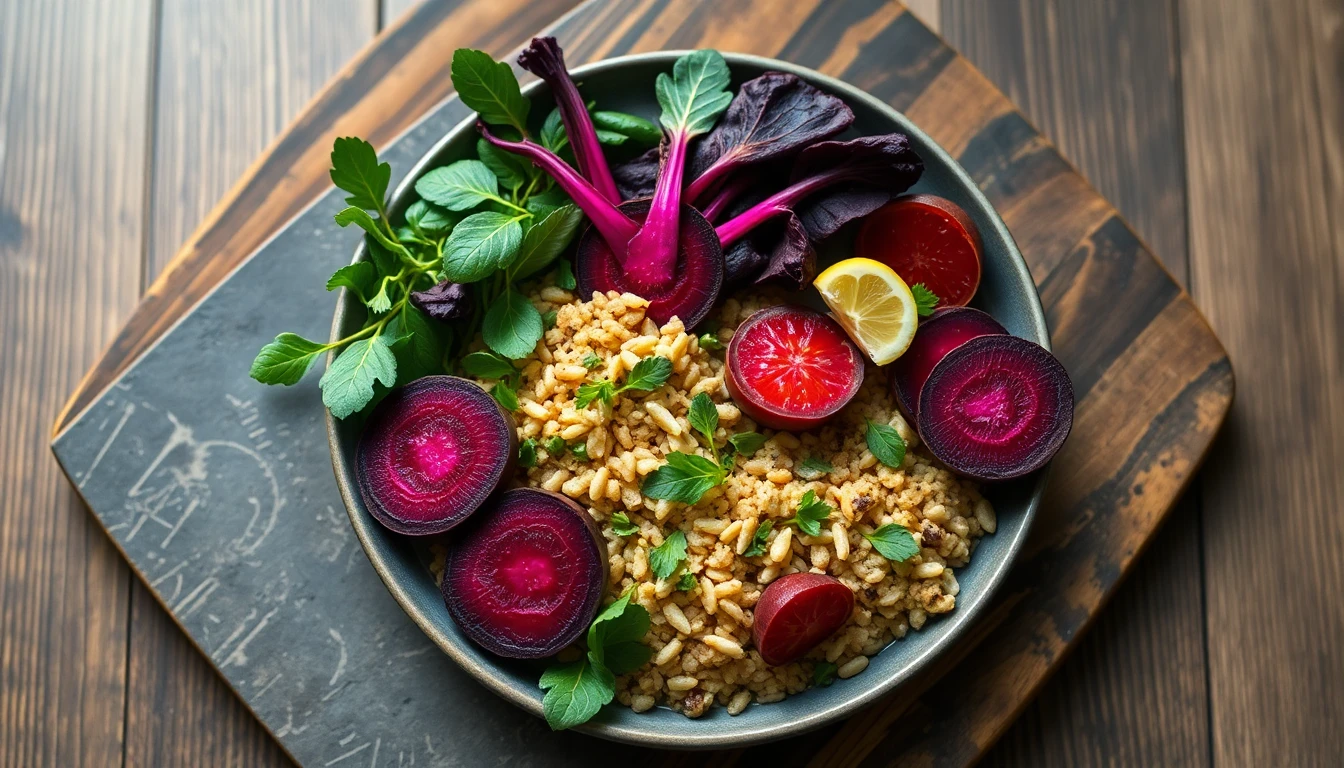
- Beetroot — The undisputed champion, containing 250-450 mg of nitrate per 100g. Both the root and leaves (beet greens) are excellent sources. Beetroot juice has become popular in sports nutrition for good reason
- Rocket (arugula) — Often overlooked but exceptionally high at 250-480 mg per 100g. A handful added to salads provides a significant nitrate boost
- Spinach — Contains 100-250 mg per 100g when raw. Nitrate content can concentrate when cooked as water is released, though some may leach into cooking water
- Lettuce (especially butter lettuce and rocket lettuce) — Ranges from 100-200 mg per 100g depending on variety, with darker leaves typically containing more
- Celery — Provides 100-180 mg per 100g, particularly concentrated in the leaves which are often discarded
- Radishes — Often forgotten but provide 100-170 mg per 100g, with a peppery flavour that indicates their glucosinolate content as well
Good Nitrate Sources
- Swiss chard — Both the stems and leaves contribute 50-150 mg per 100g
- Turnip greens — Another brassica green with 50-100 mg per 100g
- Chinese cabbage (pak choi) — Provides 50-100 mg per 100g with excellent vitamin K content
- Spring greens and kale — Typically 50-80 mg per 100g, though this varies by variety and growing conditions
- Carrots — While not as high as leafy greens, still contribute 50-80 mg per 100g, particularly in the peel
Practical Portions
Research suggests that 300-500 mg of dietary nitrate is the threshold for seeing cardiovascular benefits. This translates to approximately 200ml of beetroot juice, 100-150g of raw spinach, a large salad including rocket and lettuce, or about 200g of cooked beetroot. These aren't enormous amounts—they're easily achievable portions that fit naturally into balanced meals.
Maximising Nitrate Absorption and Conversion
Simply eating nitrate-rich foods isn't quite enough. Several factors influence how effectively your body converts these nitrates into beneficial nitric oxide, and understanding them can help you optimise your approach.
- Avoid antibacterial mouthwash — This might be the most surprising factor. The bacteria on your tongue that convert nitrate to nitrite are essential for the pathway to work. Antibacterial mouthwashes eliminate these beneficial bacteria, significantly reducing nitric oxide production. Studies show mouthwash use can completely negate the blood pressure benefits of nitrate-rich foods
- Don't rely on supplements alone — Whole vegetables provide fibre, polyphenols, vitamin C, and other compounds that work synergistically with nitrates. Isolated nitrate supplements may not provide the same comprehensive benefits
- Consider vitamin C intake — Vitamin C in the stomach helps convert nitrite to nitric oxide and prevents the formation of potentially harmful N-nitroso compounds. Most nitrate-rich vegetables also contain vitamin C, but pairing them with other vitamin C sources (citrus fruits, peppers, tomatoes) may enhance conversion
- Mind your oral health differently — Instead of harsh mouthwashes, focus on gentle brushing, flossing, and tongue cleaning with water. A healthy oral microbiome supports nitrate conversion
- Store vegetables properly — Nitrate levels can decrease with storage, particularly in leafy greens. Buy fresh when possible, store in the fridge, and consume within a few days
Cooking Considerations
Nitrates are water-soluble, which means boiling vegetables can leach some nitrate content into the cooking water. Steaming, roasting, or eating vegetables raw preserves more nitrates. If you do boil vegetables like beetroot, consider using the cooking water in soups or sauces to recapture the nitrates. Interestingly, fermentation can actually increase bioavailability of nitrates, making fermented beetroot or pickled vegetables potentially beneficial options.
Nitrate-Rich Foods and Blood Pressure Medications
If you're taking blood pressure medication, you might wonder whether adding nitrate-rich foods to your diet is safe or whether it might cause your blood pressure to drop too low. The good news is that for most people, the blood pressure-lowering effect of dietary nitrates is modest and complementary to medication rather than dangerously additive.
That said, communication with your healthcare provider is essential. The 4-10 mmHg reduction you might see from regular nitrate-rich food consumption could allow for medication adjustment in some cases—a benefit, but one that needs professional oversight. Some medications have specific food interactions that extend beyond just blood pressure effects, so it's worth understanding the full picture of your treatment plan.
Certain classes of blood pressure medications work particularly well alongside dietary approaches. For instance, if you're taking ACE inhibitors, you'll also want to be mindful of potassium intake from some of these same vegetables, particularly if you have kidney function considerations. Understanding the interaction between ACE inhibitors and potassium-rich foods can help you balance your approach effectively.
- Monitor your blood pressure — If you're significantly increasing nitrate-rich food intake, track your blood pressure at home for a few weeks to see how your body responds
- Don't stop medications — Dietary changes should complement, not replace, prescribed medications unless your doctor advises otherwise
- Be consistent — The benefits of nitrate-rich foods accumulate with regular consumption. Sporadic intake is less effective than making these foods a daily habit
- Watch for orthostatic hypotension — If you feel dizzy when standing up, particularly after starting to eat more nitrate-rich foods, mention this to your doctor. It could indicate excessive blood pressure lowering
Timing Nitrate Intake for Athletic Performance
Beyond cardiovascular health, dietary nitrates have become a staple in sports nutrition for their ability to enhance exercise efficiency and performance. The mechanism is the same—increased nitric oxide improves blood flow—but the application is different, with timing being crucial.
Research shows that nitrate supplementation, particularly from beetroot juice, can improve exercise economy (meaning you use less oxygen for the same work output), enhance time to exhaustion, and improve performance in activities lasting 4-30 minutes. The benefits appear most pronounced in less-trained individuals and in situations where oxygen delivery is already somewhat limited.
Optimal Timing for Athletes
- 2-3 hours before exercise — Peak blood nitrite levels occur around this time, making it the sweet spot for consuming beetroot juice or a nitrate-rich meal before training or competition
- Acute dosing — A single dose of 300-500 mg nitrate (roughly 500ml beetroot juice or 200g cooked beetroot) 2-3 hours before exercise provides measurable benefits
- Chronic loading — Some athletes consume nitrate-rich foods daily for 3-7 days before important events, which may provide additional benefits and ensure sustained elevated nitrite levels
- Not immediately before — Consuming these foods right before exercise won't provide benefits, as the conversion process takes time
Who Benefits Most
The performance benefits are most consistently seen in recreational to moderately trained athletes. Elite athletes with already optimised cardiovascular systems may see smaller improvements. Activities that benefit most include middle-distance running, cycling time trials, rowing, and high-intensity interval training. Team sports that involve repeated high-intensity efforts may also see benefits.
Building Nitrate-Rich Habits with FreshPlate
Understanding which foods contain nitrates, how to time them, and how they sit alongside your medications or health conditions is valuable knowledge, but turning it into daily meal planning can feel overwhelming, especially when you're juggling several dietary considerations.
This is where FreshPlate can help. If you're managing blood pressure, the app steers rather than prescribes: recipes lean towards what public UK guidance (NHS, BDA) says suits the condition, and it never claims to treat, prevent or cure anything. Every recipe the app generates is built around your own medication list, and the For you tab on each recipe shows what was checked against your allergens, diet and food rules, why the recipe suits your goal and conditions, and whether it fits what is left of your day. It does not count nitrates for you, and it has no specific rules for blood pressure medicines, so your pharmacist is the person to ask about those.
If you like to keep an eye on how the day is going, you can log meals by photo, barcode or search, and the Progress tab shows how the day is going, why, and what to do next, with a "How we worked this out" tap behind every number. If you make a beetroot soup or a tray bake yourself, Cook on the Meals tab can measure it from its ingredient lines once, so you can log a portion in one tap from then on. Used alongside the guidance in this guide, it can help make this way of eating easier to keep up.
Frequently asked questions
Can you eat too many nitrate-rich foods?
+
For healthy adults, consuming nitrate-rich vegetables as part of a balanced diet is safe and beneficial. The European Food Safety Authority has set an acceptable daily intake of 3.7 mg of nitrate per kg of body weight, which would be difficult to exceed through vegetables alone. Processed meats with added nitrites are a separate concern.
Do nitrate-rich foods work as well as blood pressure medication?
+
Dietary nitrates typically reduce blood pressure by 4-10 mmHg, which is meaningful but generally less than prescription medications. They work best as a complementary approach alongside medication, lifestyle changes, and medical supervision, not as a replacement for prescribed treatment.
How quickly do nitrate-rich foods lower blood pressure?
+
You may see blood pressure reductions within 2-3 hours after consuming nitrate-rich foods, coinciding with peak blood nitrite levels. However, the most consistent benefits come from regular daily consumption over weeks and months rather than one-off intake.
Is beetroot juice better than eating whole beetroot?
+
Beetroot juice provides concentrated nitrates and is absorbed quickly, making it popular for performance timing. However, whole beetroot provides fibre and other nutrients. Both are effective—juice for convenience and timing precision, whole beetroot for overall nutrition.
Will cooking destroy the nitrates in vegetables?
+
Nitrates are relatively heat-stable but water-soluble, so boiling can leach them into cooking water. Steaming, roasting, or eating raw preserves more nitrate content. If you boil vegetables, using the cooking liquid in other dishes helps retain the nitrates.
Sources
Did this answer your question?
Reece reads every reply. Questions we have not covered become new guides.
Make blood pressure one less thing to worry about.
Get our free blood pressure guide by email — the best food sources, what helps and hinders absorption, and a week of meal ideas. One genuinely useful email a week — no spam, unsubscribe anytime.
Free forever. You'll also be first in line for the FreshPlate app — with a free trial at launch.